Setting up a thriving garden, whether on a sunny patio or in raised beds out back, starts with the right growing medium. Choosing between the many Miracle-Gro soils and plant foods can feel like guesswork when every bag promises strong roots and lush foliage. This roundup narrows it down to ten dependable options across indoor, outdoor, and specialty use cases, with practical guidance on which one fits your space and routine.
A Snapshot Of The Selections

Miracle-Gro Houseplant Potting Mix 4 qt. (2-Pack)
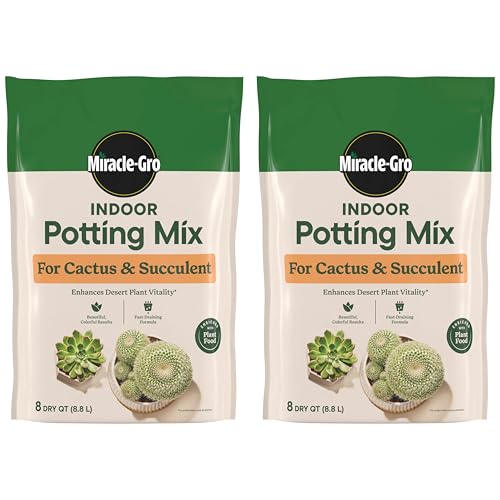
Miracle-Gro Indoor Potting Mix for Cactus & Succulent 8 qt. (2-Pack)

Miracle-Gro Raised Bed Plant Food 2 lbs.

Miracle-Gro Moisture Control Potting Mix 16 qt. (2-Pack)

Miracle-Gro Organic Indoor Potting Mix 16 qt.

Miracle-Gro Organic All Purpose Plant Food 3 lb.

Miracle-Gro Organic Outdoor Potting Mix 16 qt.
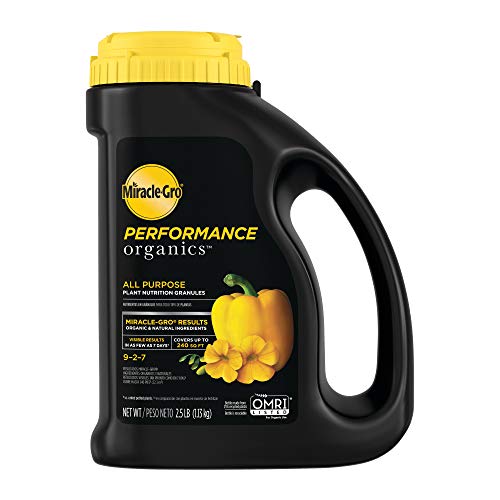
Miracle-Gro Performance Organics Plant Nutrition Granules 2.5 lb.

Miracle-Gro Organic Indoor Potting Mix 8 qt.

Miracle-Gro Performance Organics All Purpose Plant Nutrition 1 lb.
Inside Each Recommended Option
For a windowsill herb garden or a handful of potted pothos, two 4-quart bags keep things tidy without leaving you with leftover soil going stale in the garage. The blend pairs sphagnum peat with perlite (the white volcanic bits that keep soil airy), so roots get both moisture and airflow in a typical indoor pot.
Compared to the cactus mix coming up next, this one is built for plants that prefer steady moisture rather than rapid drainage. You will get roughly eight quarts total, which is enough to repot a few mid-size houseplants or refresh the top layer of several smaller pots in one session.
A Strong Showing
- Two-bag format suits a small plant collection without overbuying
- Peat-and-perlite base balances moisture and root aeration
- Lightweight enough to carry up a flight of stairs comfortably
- Designed to reduce the risk of fungus gnats in indoor conditions
Things To Consider
- Smaller volume means more frequent repurchasing for large plant households
- Not formulated for succulents or other low-water plants
Who It Suits Best
Apartment dwellers with a small rotation of leafy houseplants who want a no-fuss refresh bag.
Consider Something Else When
Growers tending a succulent shelf should reach for the Miracle-Gro Indoor Potting Mix for Cactus & Succulent 8 qt. (2-Pack) instead.
Succulents and cacti punish heavy, slow-draining soil, and a regular houseplant mix can rot their roots within weeks. This blend is formulated to shed water quickly while still feeding the plant, which mirrors the loose, gritty soils these species grow in naturally.
The two-bag 8-quart pack covers a respectable collection, whether you are repotting a jade plant, styling a terrarium, or potting up a small citrus. In our view, this is the right call over the standard houseplant mix for anyone whose plant shelf leans toward the arid.
Strong Points
- Fast-draining formula reduces the risk of root rot in succulents and cacti
- Two 8-quart bags cover a mid-size succulent collection
- Works for indoor citrus, which appreciates similar drainage
Worth Noting
- Not a good fit for tropical foliage that prefers constant moisture
- Heavier bag to haul home from the store
Made For
Indoor gardeners focused on succulents, cacti, and small citrus who need sharp drainage.
Look Elsewhere When
Leafy tropicals will do better in the Miracle-Gro Houseplant Potting Mix 4 qt. (2-Pack) reviewed above.
Raised beds deplete nutrients faster than in-ground plots because the soil volume is limited and watering leaches minerals out. This 2-pound granular feed is built specifically for that environment, with calcium and micronutrients aimed at fruiting and flowering edibles.
Spread it across a 4×4 bed, work it into the top inch, and water in. It suits tomatoes, peppers, herbs, and cut flowers equally well, making it a flexible add-on for the bed-focused gardener who already has decent soil but wants stronger yields.
Notable Gains
- Calcium and micronutrient blend targets the needs of raised bed crops
- Granular format is simple to broadcast by hand
- Works for vegetables, herbs, and flowers in the same bed rotation
Trade Offs
- Not a soil replacement, so you still need a quality base mix
- Smaller 2-pound bag may run short for multiple large beds
Right Fit For
Backyard growers with established raised beds who want a targeted feed for edibles and blooms.
A Better Fit Elsewhere
Container gardeners on a patio should consider the Miracle-Gro Organic All Purpose Plant Food 3 lb. for broader coverage.
Over- and underwatering are the two fastest ways to kill a potted plant, and this blend tackles both. The AquaCoir formula combines sphagnum peat moss and coir (coconut husk fiber) with a wetting agent to pull in and hold extra moisture, then release it as the soil dries.
Two 16-quart bags total 32 quarts, enough for several large containers or a full porch refresh. Compared to the standard indoor mix, this one gives a longer buffer between waterings, which suits travelers, busy households, and large thirsty plants like elephant ear or ferns.
What It Does Well
- AquaCoir blend absorbs and holds substantially more water than basic mixes
- Long feeding window reduces the need for frequent fertilization
- Generous two-pack volume for big repotting sessions
Room For Improvement
- Not ideal for cacti or succulents that prefer to dry out fast
- Heavier and bulkier to transport than smaller indoor bags
Key Specs
Best Suited To
Plant owners with large containers or a habit of forgetting waterings who want a forgiving mix.
Not Your Match When
Succulent collectors will find the moisture retention too high and should pick the Miracle-Gro Indoor Potting Mix for Cactus & Succulent 8 qt. (2-Pack) instead.
For gardeners who want organic ingredients without sacrificing moisture control, this 16-quart bag is the indoor workhorse. Coir increases air space in the root zone, sphagnum peat moss holds and releases water, and a quick-start natural fertilizer feeds plants right out of the bag.
The organic angle matters most if you are growing herbs or veggies on a kitchen counter and want to keep synthetic fertilizers out of the equation. Versus the smaller 8-quart sibling reviewed later, this one is the better value for plant households that repot frequently.
A Few Strong Suits
- Organic-certified ingredients suit edible and foliage houseplants
- Coir-and-peat base supports steady moisture and airflow
- Quick-start fertilizer gives plants a runway from day one
Small Caveats
- 16-quart bag is awkward to store in tight apartment closets
- Moisture-holding design is too rich for desert plants
Who Should Grab It
Indoor gardeners with a rotation of leafy tropicals and edible herbs who prefer organic ingredients.
Reach For A Different Pick When
Shelf space is limited, in which case the smaller Miracle-Gro Organic Indoor Potting Mix 8 qt. is easier to stash.
Granular plant food is the lowest-effort way to keep an outdoor garden fed, and this 3-pound organic option covers a wide range of plants. Sprinkle it around the base of flowers, vegetables, and herbs, water it in, and the soil does the rest for up to three months.
For an organic raised bed or in-ground veggie plot, this is a more general-purpose alternative to the raised bed-specific feed. It works well for mixed beds where you want one product to cover everything from tomatoes to marigolds.
Where It Excels
- Three-month feeding window reduces repeat applications
- Granular format is easy to measure and broadcast
- Organic ingredients align with edible garden preferences
Honest Caveats
- Not tailored to the calcium and micronutrient profile raised beds specifically need
- Granules need watering in to activate, so dry stretches delay feeding
Perfect Match For
DIY gardeners managing mixed outdoor beds who want one organic feed to cover flowers and vegetables.
Swap It Out When
Raised bed growers chasing stronger tomato and pepper yields will get more from the Miracle-Gro Raised Bed Plant Food 2 lbs.
Container plants dry out faster than in-ground beds, and outdoor pots take a real beating from summer heat. This organic outdoor mix is built for that reality, with upcycled ingredients, responsibly sourced peat, and a quick-release natural fertilizer for an early growth push.
Two months of feeding is shorter than some of the indoor blends, but for patio tomatoes, herbs, and decorative annuals, that timeline matches the typical growing season for many climates. In most setups, you can reapply midseason without missing a beat.
Useful Strengths
- Organic formula fits edible patio gardens
- Responsibly sourced peat from certified producers
- Upcycled ingredients reduce environmental footprint
- Quick-release fertilizer jump-starts new plantings
A Few Limitations
- Two-month feed window is shorter than indoor mixes offer
- Not designed for in-ground garden use
Whose Shelf It Belongs On
Patio and balcony gardeners with multiple outdoor containers who want an organic, responsibly sourced medium.
Skip It When
Raised bed growers should stay with the Miracle-Gro Raised Bed Plant Food 2 lbs. layered over their existing bed soil.
Performance Organics sits at the top of the brand’s organic line, and these granules are the granular form of that promise. They feed vegetables, flowers, and herbs while staying within organic gardening standards, and you can expect to see a visible response in the garden within a week or so under normal conditions.
The 2.5-pound jug is sized for an active home garden rather than a single window box. Compared to the water-soluble version reviewed last, these granules take a bit more patience but require less frequent reapplication once you spread them.
The Case For It
- Organic ingredients with the performance profile gardeners expect from Miracle-Gro
- Granular format simplifies application around rows and beds
- Visible results within roughly a week on actively growing plants
- Covers vegetables, flowers, and herbs in one product
Potential Drawbacks
- Granules need watering in to start working
- More expensive per pound than basic all-purpose feeds
Key Product Details
Built With In Mind
Active home gardeners running a vegetable or herb plot who want organic inputs with strong, visible performance.
Where A Sibling Pick Shines
Growers who prefer feeding through a watering can should look at the Miracle-Gro Performance Organics All Purpose Plant Nutrition 1 lb. water-soluble option.
This is the same organic indoor blend as the 16-quart bag, just in a friendlier apartment-sized format. Coir, sphagnum peat, and a quick-start natural fertilizer come together to support moisture regulation for over- and underwatering-prone houseplants.
For a small plant shelf, an 8-quart bag is enough to repot a few mid-size plants without ending up with a half-used sack losing freshness in the back of a closet. Depending on your plant count, you may find this size more practical than its larger sibling.
Practical Advantages
- Compact 8-quart bag fits under most sinks or in narrow closets
- Same organic coir-and-peat base as the 16-quart size
- Moisture-regulating formula reduces watering stress on houseplants
Points To Note
- Per-quart cost runs higher than the larger 16-quart option
- Not formulated for cacti or succulents
The Right Fit
Small-space plant owners who repot occasionally and want a manageable bag that stays fresh between uses.
Another Choice May Suit
Heavier indoor gardeners with a bigger plant collection get more value from the 16-quart Miracle-Gro Organic Indoor Potting Mix.
Water-soluble plant food goes to work the moment you water, and this Performance Organics powder is the organic take on that quick-acting format. Mix it into a watering can, apply every seven days during the growing season, and the nutrients reach roots within minutes rather than weeks.
One pound feeds up to 200 square feet of garden when mixed at the standard rate, which makes it an efficient choice for a small plot or a tight cluster of containers. It pairs naturally with the granular version reviewed above, layered into a one-two feeding routine.
Notable Upsides
- Water-soluble format delivers nutrients immediately through the watering can
- Organic ingredients with the Performance Organics performance promise
- Covers vegetables, flowers, and herbs in a single container
- Compact 1-pound package stores easily on a garage shelf
Less Ideal Details
- Requires weekly application during the active growing season
- Needs accurate measuring to avoid over- or underfeeding
Who Will Love This
Gardeners who prefer liquid feeding and want a quick-acting organic option for a small plot or container cluster.
Where Another Pick Suits Better
Anyone who would rather feed less often should stay with the granular Miracle-Gro Performance Organics Plant Nutrition Granules 2.5 lb.
What To Weigh Before Choosing Miracle Gro Performance Organics Soils
Match The Mix To The Plant Family
Indoor tropicals, succulents, vegetables, and raised bed crops all have different drainage and feeding needs. Succulents need a fast-draining cactus blend, while moisture-loving tropicals do better in a coir-and-peat indoor mix. Picking a mix that matches the plant’s native environment prevents most of the common failure modes.
Decide Between Soil And Plant Food
The lineup includes both growing media (the actual soil blends) and plant foods (granular or water-soluble nutrients). A new container needs a fresh potting mix, while an established garden often just needs a feed. Buying both makes sense for a full refresh, but for a quick seasonal boost, plant food alone is enough.
Consider Volume And Storage
Bags range from 4-quart indoor sizes to 16-quart patio-sized sacks. A large bag is often a better per-quart value, but a half-used bag sitting in a garage loses freshness over time. Match the bag size to the number of plants you actually have, with a small buffer for the next round of repots.
Think About Organic Versus Conventional
Several picks on this list use organic ingredients, which matters for edible gardens and households avoiding synthetic inputs. Organic mixes sometimes feed for shorter windows than conventional versions, so plan on reapplying or supplementing during the peak season.
Key Considerations Across These Picks
Where Shoppers Go Wrong
A common slip is grabbing a standard indoor mix for succulents, then watching the plants rot within a month because the soil stays too wet. Another trap is underestimating how much soil a repot actually takes, leaving a project half-finished with no spare bag on hand. Measure your pots before you buy, and match the mix to the plant family first, the brand second.
When Paying More Pays Off
Spending up on the Performance Organics line tends to make sense for gardeners with active vegetable or herb plots, where stronger nutrient delivery translates into visible harvest differences. For a casual fern on a coffee table, a basic indoor mix handles the job without the extra cost. The upgrade earns its keep when the plants are high-demand and the gardener wants organic inputs with serious performance.
Frequently Asked Questions
Which Miracle-Gro mix works for both houseplants and patio containers?
The Miracle-Gro Moisture Control Potting Mix 16 qt. (2-Pack) covers both indoor and outdoor container use, with an AquaCoir formula that buffers against missed waterings. For purely outdoor use, the Miracle-Gro Organic Outdoor Potting Mix 16 qt. is purpose-built for patio conditions.
Are organic Miracle-Gro soils safe for vegetable gardens?
Several organic options on this list are designed with edible gardening in mind, including the Miracle-Gro Organic Outdoor Potting Mix and the Miracle-Gro Organic All Purpose Plant Food. Always follow the package directions and wash produce before eating, regardless of brand.
How often should I feed with Performance Organics?
The water-soluble Performance Organics All Purpose Plant Nutrition 1 lb. is meant for weekly application during the active growing season, while the granular version is a slow-release option that needs fewer reapplications. Frequency depends on the plant and the season, so adjust based on visible growth.
Can I use cactus mix for regular houseplants?
Cactus and succulent mixes drain too quickly for tropical houseplants, which prefer steady moisture. Use the cactus blend only for plants adapted to dry conditions, and stick with the Miracle-Gro Houseplant Potting Mix for leafy tropicals.
What is the difference between potting mix and garden soil?
Potting mix is formulated for containers, with lighter ingredients like peat, coir, and perlite that support aeration and moisture control. Garden soil is denser and designed for in-ground use, where it can blend with native earth. Using garden soil in a pot usually leads to compaction and drainage problems.
Closing Remarks
Your best pick comes down to what you are growing, where it lives, and how often you want to feed. Match the mix to the plant family first, then layer in the right plant food for the season. Whichever option you land on, the right foundation takes most of the guesswork out of keeping plants healthy through the year.