Healthy container plants start with the right blend beneath the surface, and the growing medium you choose shapes everything from drainage to nutrient uptake. Whether you’re starting seeds on a sunny windowsill, refreshing tired patio containers, or dialing in a bonsai mix, the soil you pour into the pot matters as much as the plant itself. The picks below cover a range of situations, from compressed coco coir bricks to specialized bonsai grit and nutrient-rich worm castings, so you can match the medium to the work in front of you.
The Leading Options At A Glance

MODELLOR Coco Coir Bricks, 4-Pack (5 lb)

CANNA Coco Brick 40L Expandable Natural Plant Medium

FoxFarm Ocean Forest Potting Soil 1.5 cu ft
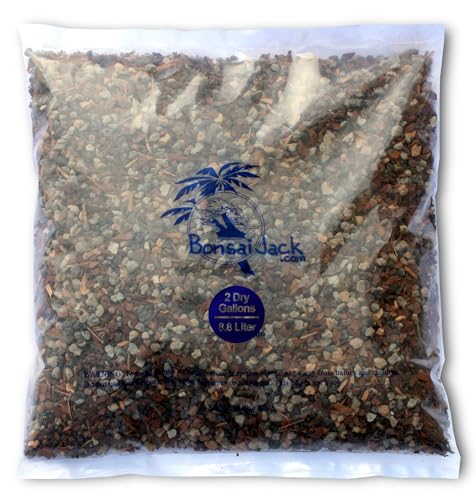
Bonsai Jack Universal Organic Bonsai Soil Mix #221

Char Bliss Organic Biochar (8 Qts)

Compressed Organic Potting Soil with Worm Castings

Worm Bliss Organic Worm Castings (1 Qt)

Legigo 100 Pcs 30mm Coco Coir Pellets
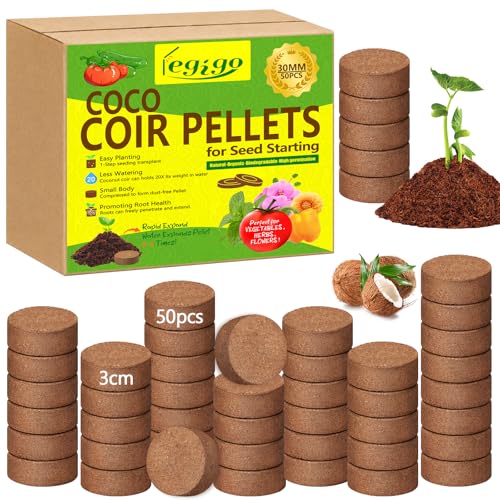
Legigo 50 Pcs 30mm Coco Coir Pellets

Legigo 200 Pcs 30mm Coco Coir Pellets
Inside Each Recommended Option
For home growers who want a clean, neutral base to build their own blends, the MODELLOR coco coir brick set delivers a familiar format with a small twist: the coco is triple-washed and pH-balanced, which means lower residual salts than cheaper unbuffered bricks. Four compact 5-pound blocks expand into roughly 9 gallons of fluffy medium, enough to fill several standard seed trays or a few medium-sized containers.
Unlike the bulk CANNA brick on this list, this one is sized for a smaller household rather than a greenhouse bench, so it sits comfortably on a garage shelf until you need it. The medium holds moisture well while staying airy, which suits seed starting, container vegetables, and tropical houseplants that dislike compacted soil.
What It Does Well
- Low-EC (electrical conductivity, a measure of soluble salt content) and triple-washed format protects young roots from salt burn
- Expands to 9 gallons total, enough for a full season of seed trays
- pH-balanced base mixes easily with perlite, vermiculite, or compost
- Compact bricks ship and store without taking up much closet space
Things To Consider
- Has no inherent nutrients, so you’ll want to feed seedlings after germination
- Requires soaking time and a large bucket for hydration
Who It Suits Best
Home growers and seed starters who want a clean coco base to customize with their own amendments.
Consider Something Else When
FoxFarm Ocean Forest is a better match for gardeners who’d rather skip mixing and grab a pre-blended, ready-to-use potting soil.
The CANNA brick is the workhorse option on this list: a single dry block of 8 liters expands into 40 liters of growing medium, and the brand built its name in coco production, so the consistency tends to be uniform. It’s reusable across seasons, which matters if you’re running a small indoor rotation or a multi-tray seed setup.
Compared with the MODELLOR four-pack above, this one trades convenience for volume, and the price-per-liter typically rewards growers who go through a lot of medium. It’s a sensible choice if you’re already feeding with a complete nutrient line, since the coco itself is fairly inert.
Useful Strengths
- Large 40L expanded volume suits serious hobbyists and small greenhouses
- Reusable across multiple growing cycles when flushed properly
- Consistent particle size helps with even water distribution
Points To Note
- One large block needs a sizable tub and several minutes of soaking
- Nutrients must come from your feeding routine, since the medium is essentially inert
- Pre-buffering with calcium-magnesium is a common practice for best results
Made For
Active growers managing multiple trays or containers who want a consistent coco base at scale.
Look Elsewhere When
Legigo coco pellets are a simpler pick for someone only starting a dozen seeds on a windowsill.
FoxFarm’s Ocean Forest is the “just open the bag and pot it up” choice, and that convenience is its biggest draw. The 1.5 cubic foot bag is light and aerated, blended for container use, and arrives ready to go, no soaking, no mixing, no amendments required for most houseplants and patio containers.
Where the coco products on this list are mostly blank slates, this one is pre-loaded with organic inputs like earthworm castings, fish meal, and crab meal, so young plants have a food source waiting. It contrasts with the Bonsai Jack mix below, which is built for sharp drainage rather than moisture retention.
The Upside
- Pre-blended with organic nutrients, so no immediate feeding is required
- Light, fluffy texture resists compaction in containers over time
- Works for a wide range of container plants, from herbs to tropicals
Trade Offs
- Bag is heavy and bulky to carry up stairs or to a rooftop garden
- Strong organic smell early on that some indoor growers find noticeable
Feature Snapshot
Best Suited To
Container gardeners who want a nutrient-rich, ready-to-use blend and don’t want to mix their own from scratch.
Skip It When
Bonsai Jack Universal Bonsai Soil is a better fit for bonsai and succulent growers who need fast-draining, low-organic medium.
Bonsai Jack’s mix is engineered for one thing: fast, even drainage in shallow bonsai pots. The 2-gallon bag is screened and pre-washed, so the particles arrive clean of fine dust that would otherwise clog drainage holes. The 1-gallon variant equals 4 dry quarts if you want a sense of scale.
This sits at the opposite end of the spectrum from the FoxFarm blend above, where organic matter and moisture retention are the goal. Here, the priority is airflow around the roots, which is what most bonsai and many succulents need to avoid root rot in tight containers.
What Earns Its Place
- Pre-washed and screened, so little dust settles into the bottom of pots
- Optimized for the airflow and drainage bonsai trees need
- Particle size suits tropical and deciduous bonsai species
Worth Noting
- Designed for bonsai and succulents, not moisture-loving tropicals
- Requires more frequent watering than peat or coco-based mixes
Quick Facts
Whose Shelf It Belongs On
Bonsai hobbyists and succulent collectors who want sharp drainage without sifting dust out of a cheaper mix.
A Better Fit Elsewhere
MODELLOR Coco Coir Bricks make more sense for general container gardening where moisture retention is the goal.
Biochar is the additive you blend into an existing medium rather than use on its own, and Char Bliss offers an OMRI-listed option for gardeners who want a clean input. The 8-quart bag is sized for amending raised beds or refreshing a row of patio containers, not for filling pots by itself.
Think of it as a long-term conditioner, not a finished soil. The porous structure holds onto nutrients and water and slowly releases them, and the source notes it is derived from sustainably sourced wood and tree trimmings.
The Value In It
- OMRI-listed, which signals compliance with organic gardening standards
- Porous structure improves water and nutrient retention over time
- Mixes into existing beds or containers as a percentage of total volume
Honest Caveats
- Not a standalone growing medium, so it works only as an amendment
- Dust can be an issue during pouring, so a mask is sensible
Right Fit For
Established gardeners looking to upgrade an existing bed or container mix with a long-lasting conditioner.
Reach For A Different Pick When
Worm Bliss worm castings suit growers who want a nutrient-dense amendment for top-dressing and teas.
This compressed blend is a hybrid product: coco coir for structure plus worm castings for nutrients, packed in granules that expand roughly four times when water is added. The resealable bag is small enough to keep in a kitchen cabinet or under a sink, which solves the storage problem that traditional bagged soils create in apartments.
It lands between the MODELLOR pure-coir brick and FoxFarm Ocean Forest, mixing a clean base with built-in nutrition. The trade-off is volume: a single bag produces a limited amount of finished medium, so it’s best for a few small pots rather than filling a raised bed.
Useful Touches
- Compact, resealable bag fits small storage spaces
- Pre-infused with worm castings for an early nutrient boost
- Hydrates quickly without the long soak some bricks need
Where It Is Less Suited
- Smaller finished volume per bag than a traditional potting soil
- Cost per cubic foot runs higher than buying bulk
Perfect Match For
Apartment and balcony gardeners who need to store a soil product on a shelf rather than a garage floor.
Swap It Out When
FoxFarm Ocean Forest is a more cost-effective option for filling multiple large containers in one session.
Worm castings function as a soil conditioner rather than a complete medium, and the 1-quart Worm Bliss tub is a sensible size for top-dressing houseplants or stirring into compost tea. The source notes it is OMRI-listed and contains no manure, which matters for indoor use and for households avoiding animal byproducts.
It’s a different category from the bricks and bagged soils on this list. Think of it as a finishing touch, sprinkled on top of an existing pot or mixed into water as a liquid feed, rather than the bulk medium itself.
Where It Delivers
- Concentrated nutrient source in a small, easy-to-store container
- OMRI-listed, suitable for organic gardening routines
- Works as top-dressing, soil mix-in, or compost tea ingredient
Practical Considerations
- Not a standalone growing medium, so it requires pairing with another soil product
- Small 1-quart size is best for houseplants rather than outdoor beds
Who Should Grab It
Houseplant owners and small-scale gardeners who want a gentle, organic nutrient boost for routine feeding.
Not Your Match When
CANNA Coco Brick is a better fit for someone who needs bulk growing medium rather than a concentrated amendment.
Coco pellets are the lowest-fuss way to start seeds, and the Legigo 100-pack hits a comfortable middle ground. Each compressed disc is roughly 30mm across and just 0.5 inches tall, so you soak what you need and the rest of the bag stays dry on the shelf.
Compared with the larger coco bricks earlier on this list, pellets skip the bucket and the measuring cup, which makes them more approachable for someone starting their first tray of tomatoes. The 100-count is the right size for a small home setup.
Real Benefits
- Pre-portioned discs remove the guesswork from hydration
- Compact, dry form stores easily between seasons
- Easy to transplant: the pellet goes straight into the soil with the seedling
Some Limits To Know
- Small disc size means each pellet holds limited moisture on hot days
- 100-count runs out fast for large seed-starting plans
Built With In Mind
First-time seed starters who want a tidy, low-mess setup on a windowsill or kitchen counter.
Another Choice May Suit
The 200-count Legigo pellets make more sense for classroom gardens or group projects that need higher volume.
The 50-count version of the same Legigo pellet is the smallest sensible starter pack, sized for a few trays of herbs or a single round of vegetable seeds. If you’ve never used coco pellets before, this is the lowest-commitment way to try the format.
The trade-off is refill frequency: a serious seed-starting calendar can chew through 50 pellets in a weekend, and you’d be back for more. For a casual seasonal run, though, 50 is plenty.
Everyday Advantages
- Small pack size suits a single test run of the pellet format
- Same 30mm disc dimensions as the larger Legigo counts
- Clean, dry storage with no special container needed
Small Caveats
- Limited count means ordering more mid-season for bigger plans
The Right Fit
Casual seed starters who want to try coco pellets once without committing to a larger bag.
Where A Sibling Pick Shines
The Legigo 100-pack offers better per-pellet value for gardeners who already know they like the format.
The 200-count Legigo pack is the bulk option in the pellet family, best suited to a longer seed-starting season or a multi-person project. Each pellet is the same 30mm size and roughly half an inch tall, so handling and transplant behavior stays consistent with the smaller counts.
Beyond a home garden, this count makes practical sense for school classrooms, community garden workshops, or shared growing spaces where multiple trays are going at once. Compared with the 50-count entry above, you trade a slightly higher upfront investment for fewer reorder cycles.
Practical Advantages
- High pellet count supports long seed-starting calendars or group projects
- Same compact, dry storage profile as the smaller Legigo packs
- Uniform disc size simplifies watering and transplanting routines
Factors To Consider
- Bulk count is overkill for a single small tray
- Still limited to seed-starting use rather than filling larger pots
Who Will Love This
Teachers, community gardeners, and dedicated home starters running multiple trays through the season.
Where Another Pick Suits Better
MODELLOR Coco Coir Bricks fit a home grower who wants bulk medium for containers rather than seed-starting pellets.
What To Weigh Before Choosing a Growing Medium
The “best” growing medium depends entirely on what you’re growing and how. For most houseplants and patio containers, a pre-blended potting soil like FoxFarm Ocean Forest gives you a head start, while serious hobbyists and seed starters often prefer the flexibility of a clean coco coir base that they can amend themselves. Drainage is the make-or-break variable: bonsai and succulents want sharp, granular mixes that let roots breathe, while tropical foliage prefers moisture-retentive blends that don’t dry out overnight.
Match the medium to your watering habits too. If you tend to forget a watering day, a peat- or coco-rich blend forgives the gap. If you water on a tight schedule or grow outdoors in summer heat, faster-draining mixes are safer for the roots. Amendments like worm castings and biochar layer on top of a base medium, improving nutrient delivery and structure over time, but they aren’t substitutes for the bulk material in the pot.
Reading Coco Coir Specs Without Getting Lost
Two numbers matter most on a coco product: EC (electrical conductivity, a measure of soluble salts in the medium) and pH. Lower EC means less salt stress for seedlings, which is why triple-washed options cost a bit more. A pH-balanced product saves you the buffer-and-flush step that raw coco sometimes needs before use.
Drainage vs. Moisture Retention
Granular bonsai mixes drain fast, which is exactly what shallow pots and drought-tolerant plants need. Coco and peat blends hold water longer, supporting leafy tropicals and vegetables. When in doubt, choose a faster-draining option, since most container plants fail from overwatering rather than underwatering.
Amendments Versus Complete Mixes
Products like Worm Bliss and Char Bliss are amendments: nutrients and conditioners that improve an existing mix. FoxFarm Ocean Forest is a complete mix with amendments already built in. Decide whether you want to customize your own blend or grab a bag that’s ready to use straight away.
Key Considerations Across These Picks
Where Shoppers Go Wrong
The most common slip-up is buying a single “all-purpose” bag and expecting it to suit every plant. Bonsai and succulents sit in wet all-purpose mixes the way a fish sits on a sidewalk, and seed-starting in a nutrient-rich blend often leads to leggy seedlings with burned roots. Match the medium to the plant, and keep at least two blends on hand for different jobs.
What The Higher Tier Buys
Stepping up to a premium blend usually buys two things: tighter quality control on the raw material, and a pre-balanced recipe that saves you work. Triple-washed coco, screened bonsai grit, and OMRI-listed amendments all reflect extra processing, and the result is a more consistent medium across bags and seasons. For most home gardeners, a mid-tier option covers routine work fine, while a premium pick pays off when you’re protecting a valuable collection or sensitive seedlings.
Frequently Asked Questions
How do I mix different soils for container plants?
Start with a base material like coco coir or a quality potting soil, then blend in amendments based on what your plants need. Most container plants benefit from a mix that holds moisture but drains well, so combining a moisture-retentive base with perlite or pine bark is a common approach. Always mix in a clean tub or wheelbarrow so the texture stays even throughout the batch.
Is coco coir better than peat moss for plants?
Coco coir is more sustainable than peat, since it comes from a coconut byproduct rather than harvested bogs, and it has a more neutral pH than peat moss. Peat tends to be more acidic, which suits acid-loving plants like blueberries, while coco is closer to neutral and works for a wider range. The choice depends on your plant selection and your sustainability priorities.
Can I reuse potting soil from last season?
Yes, for most plants, but refresh it before reuse. Break up the old root mass, remove debris, and mix in a portion of fresh medium along with compost or worm castings to restore nutrients. Avoid reusing soil from containers that had diseased plants, since pathogens can carry over.
How often should I replace the soil in pots?
Most container plants benefit from fresh soil every one to two years, since nutrients deplete and the structure breaks down over time. Fast-growing vegetables and annuals usually need a full refresh each season, while slower houseplants can stretch to two. If water runs straight through the pot or the surface stays soggy, the structure has likely compacted and replacement is overdue.
Do bonsai really need a specialty soil mix?
Bonsai trees genuinely benefit from a granular, fast-draining mix because their shallow pots hold less soil and dry unevenly. Standard potting soil stays too wet in those conditions and leads to root rot. A screened bonsai mix gives the roots the airflow they need to stay healthy in a small container.
Wrap Up
The right growing medium is the part of plant care you feel every time you water, repot, or watch a new leaf unfurl. Pick a base that fits your watering style and your plant selection, add an amendment or two if you want to push growth, and don’t be afraid to keep more than one blend on hand for different jobs around the home or patio.