High-altitude bivouacs demand more than a backyard dome. Wind loading, snow load on the fly, breathable fabrics, and weight-per-square-foot all start to matter once you’re above treeline. This roundup focuses on shelters that translate well to mountaineering day trips, basecamp duty, or shoulder-season approaches, with the room, weatherproofing, and structural sense to handle rough weather on real terrain.
The Leading Options At A Glance
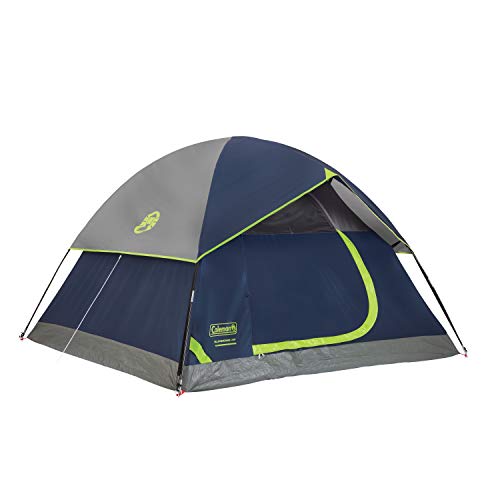
Coleman Sundome Tent


Naturehike Village Instant Cabin Tent
Naturehike Cape Instant Cabin Tent

Naturehike KOTA Double Layer Tent
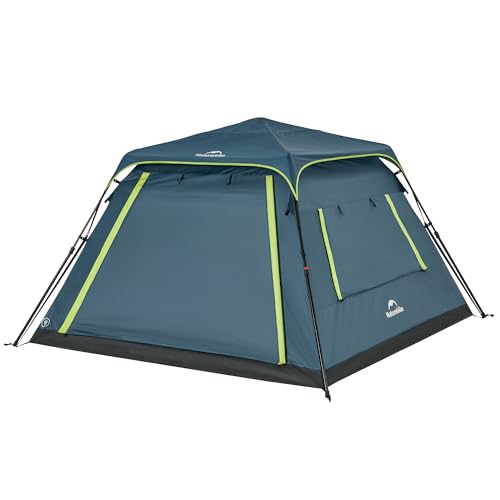
Naturehike Cape Lite Cabin Tent
The Strengths Of Each Pick
Coleman’s classic Sundome has earned its place at countless car-camp sites, and the same forgiving setup makes it a sensible pick for newer mountaineers running easier spring or summer objectives. The dome geometry is simple, the pole sleeves are snag-free in everyday use, and the WeatherTec rain system, meaning the brand’s combination of welded seams, bathtub floors, and inverted stitching, keeps typical alpine drizzle and gusty evenings from ending your trip early.
It won’t compete with the heavier Naturehike cabin shelters covered below, but the lighter packed weight and small footprint make it manageable on shorter approaches. For first-time alpine campers who want one shelter that handles fair-weather climbs and weekend campouts without ceremony, the Sundome remains a familiar starting point.
Positive Takeaways
- WeatherTec rain protection handles moderate showers and wind without drama
- Fast, snag-free pole setup saves energy after long hike-ins
- Lighter packed profile compared to the cabin-style shelters later in this list
- Affordable enough that one rough trip won’t sting
Things To Consider
- Single-skin design offers limited condensation control in cold overnight conditions
- Lighter fabric tends to wear faster on abrasive alpine rock
Feature Snapshot
Best Suited To
First-time alpine campers running shorter, fair-weather objectives who value an easy setup over cabin-sized space.
Look Elsewhere When
You need a standing-height shelter for a longer basecamp stay, where the Naturehike Cape or KOTA will serve you better.
The Gazelle T4 is built around a pre-assembled hub system, which is essentially a sprung frame that unfolds like an umbrella rather than a tent you have to thread pole by pole. Pop out the wall hubs, lift the roof panel, and the shelter is standing. That matters at the trailhead when the sun is dropping or the wind is climbing and you need walls up fast.
For alpine basecamps where you’ll be staging loads, sleeping multiple bodies, and driving stakes into variable ground, the T4 reads more like a rooftop tent translated onto the ground. The removable floor and mesh screens keep airflow moving on warm evenings, and the rain fly handles ordinary storms without drama. Compared with the Coleman Sundome, you trade a lower profile for genuine livable space.
Features That Help
- Hub-frame design deploys in roughly ninety seconds
- Removable floor simplifies cleaning after muddy approaches
- Mesh walls and rain fly let you tune airflow to the conditions
- Four-person layout suits a small team or gear-heavy staging
Points To Note
- Bulkier packed size than the Sundome, awkward on long pack-ins
- Polyester shell can struggle in sustained high winds above treeline
Right Fit For
Car-campers and short-approach mountaineers who want near-instant shelter with room to stretch out.
Swap It Out When
You’re packing the tent on a long ridge traverse, where the Naturehike Cape Lite’s smaller packed profile will be easier on your back.
The Naturehike Village leans on a 150D Ti Black fabric shell, which is denser than the standard 75D polyester used on most cabin tents, with a UPF 12500+ rating for sun-blocking and a PU 2000mm+ waterproof coating. That’s a wall of numbers worth understanding: 150D refers to the yarn density, with higher numbers meaning thicker threads, while the PU 2000mm+ rating means the coating can hold back a 2000mm column of water before leaking. Together they make the Village a sturdy basecamp candidate when the sun is hammering the tent all afternoon.
Pre-attached poles fold the tent out in about a minute, and the full rainfly covers the cabin structure for wet evenings. It is bigger and heavier than the Gazelle T4, so it’s best for staged basecamps rather than long pack-ins. If you need a roomy shelter that shrugs off UV and rain, the Village is the one to shortlist.
Where It Delivers
- Thick 150D shell resists UV breakdown on sunny basecamps
- PU 2000mm+ coating holds back heavy rain
- Pre-attached poles get the shelter standing fast
- Standing-height cabin layout fits a small team comfortably
Small Caveats
- Heavier and bulkier than smaller cabin options in this list
- Mesh ventilation is less generous than the Gazelle T4
Quick Facts
Who Should Grab It
Mountaineers staging gear at sunny basecamps who need a tough, standing-height shell for longer stays.
Consider Something Else When
Weight and pack size matter more than floor area, where the lighter Cape Lite will travel easier.
The Naturehike Cape is a tunnel-style cabin shelter with 190T polyester and a waterproof coating that handles ordinary alpine storms without fuss. 190T refers to the thread count and yarn thickness, which gives a reasonable middle ground between weight and durability. Pre-attached poles unfold the tent in around sixty seconds, and the 6.6-foot peak height means most adults can stand up to change layers or sort gear.
Available in 4-, 6-, and 8-person layouts, the Cape scales up for a group basecamp or down for a tighter team. It shares the same instant-cabin DNA as the Village above but uses a lighter 190T shell rather than the Village’s 150D Ti Black fabric, trading some sun and abrasion toughness for a friendlier packed weight. For most basecamp use, it’s a sensible middle ground.
A Favorable Mix
- Tall cabin interior makes changing layers and sorting gear easier
- Sixty-second pole deployment suits quick basecamp setups
- Multiple size options cover couples up to full teams
- 190T shell balances weight with everyday durability
Honest Caveats
- Single-layer waterproof coating can struggle in extended downpours
- Tunnel geometry needs careful staking in high wind
Perfect Match For
Group basecamps and family alpine trips where standing height and shared space matter more than absolute minimum weight.
Another Choice May Suit
Solo mountaineers focused on the roughest weather, who’ll get more protection from the double-layer Naturehike KOTA below.
The Naturehike KOTA is the most weather-focused shelter in this roundup, built as a double-layer tent with a 75D 210T polyester outer shell and a 3000mm+ waterproof rating. 210T means a tighter weave than 190T, which helps block wind-driven rain, while the 3000mm+ hydrostatic head rating (the water-column pressure the fabric can hold back before leaking) clears the threshold most guides consider storm-worthy. Two layers give it a real shot at handling shoulder-season alpine conditions.
The KOTA’s most useful trick is modularity: the inner mesh tent can be used alone on warm, starry nights, the outer shelter can be set up as a covered canopy or cook space, and together they form a proper double-wall system. Compared with the Cape’s single-layer shell, the KOTA adds weight and setup steps, but you get real cold-weather flexibility. If your alpine plans stretch into colder months, this is the one to look at first.
Where It Helps
- Double-layer design reduces condensation in cold overnight conditions
- 3000mm+ waterproof rating handles sustained wet weather
- Inner mesh can be used independently for clear, warm nights
- Outer shell doubles as a stand-alone canopy or cook shelter
Trade-Offs To Consider
- Heavier than the Cape Lite and the Gazelle T4
- Longer setup when you use both layers together
- Commonly reported to need careful seam inspection after heavy storms
Feature Card
Built With In Mind
Mountaineers tackling shoulder-season and colder conditions who want a true double-wall system instead of a single-shell cabin.
Where A Sibling Pick Shines
Warm-weather campers should look at the Naturehike Village for a roomier, faster cabin setup.
The Cape Lite is the trimmed-down sibling of the Cape covered earlier, aimed at mountaineers who still want a quick cabin setup but need a tighter packed footprint. The 101.5 by 101.5-inch floor easily swallows a queen-size mattress for two, and the 62.2-inch peak height gives most adults room to kneel and dress without crawling.
Pre-attached poles keep the tent standing in roughly a minute, which is a meaningful saving when you’re setting up at altitude in fading light. It lacks the heavy-duty 150D shell of the Village and the double-layer weather system of the KOTA, so think of it as a fair-weather alpine cabin rather than a storm-rated shelter. For shorter approach hikes and shoulder-season trips in mild conditions, it strikes a sensible balance.
Useful Highlights
- Compact packed size is easier on longer approach hikes
- Queen-mattress floor plan fits two campers comfortably
- Sixty-second pole deployment suits fading-light setups
- Lower price point than the larger Cape and Village options
Factors To Consider
- Single-shell design handles rain but not extended downpours
- Smaller footprint means less gear-storage space inside
Whose Shelf It Belongs On
Mountaineers running shorter approach hikes with two campers who value pack size over weather overkill.
Reach For A Different Pick When
You’re planning a longer basecamp stay in rough weather, where the double-layer KOTA will keep you drier.
What To Weigh Before Choosing A Mountaineering Shelter
Weatherproofing Beyond The Sticker Rating
A tent’s waterproof rating tells you the hydrostatic head (the column of water pressure the fabric holds before leaking), but it doesn’t tell you how the shelter behaves in real wind. Above treeline, look for a rainfly that reaches close to the ground, factory-sealed or taped seams where the manufacturer specifies it, and a bathtub floor that lifts the seams off wet ground. Double-layer designs like the Naturehike KOTA handle condensation better, while single-shell cabins dry faster and weigh less.
Packed Size And Approach Distance
Every kilogram matters once you’re walking in. Cabin-style shelters are roomy and quick to set up, but they rarely fit into a backpack without a cartop. If your alpine plan involves a long approach or a ridge traverse, the Cape Lite or the Coleman Sundome will travel far easier than the Village or Gazelle T4.
Setup Speed When You Can Barely Feel Your Fingers
At altitude, dexterity drops fast and daylight is short. Pre-attached pole systems cut the fiddly threading out of the equation, which is why the instant-cabin designs in this list are so popular for basecamps. Pop-up hubs like the Gazelle T4 go even faster, but they trade packing volume for that speed.
Real-World Capacity
Manufacturer person counts assume tight sleeping and no gear. Add vestibules, an extended rainfly, or a tall cabin layout if you’ll be cooking, staging ropes, or sheltering with packs. Standing height (the 6.6-foot peak on the Cape, for example) makes long basecamp evenings much easier on tired legs.
Key Considerations Across These Picks
Pitfalls Shoppers Hit
Many alpine shoppers fixate on the person count and forget about vestibules, snow worthiness, and pole strength. A two-person tent with no covered storage space leaves wet jackets dripping on your sleeping bag, and a low-profile dome can collapse under heavy snow load overnight. Match the shelter geometry to the conditions you’ll actually face rather than the number on the box.
Where The Extra Money Goes
Higher-tier shelters in this category typically upgrade the fabric density (75D to 150D and beyond), add a second layer for condensation control, and use heavier-gauge poles that flex less in wind. You’re paying for the margin between a shelter that handles ordinary weather and one that handles a real alpine storm. Whether that margin matters depends entirely on the season and altitude you’re targeting.
Frequently Asked Questions
Are any of these tents truly four-season?
The Naturehike KOTA comes closest, with its double-layer construction and 3000mm+ waterproof rating. None of the picks in this list are expedition-grade winter mountaineering tents, so check the manufacturer specs before committing to serious winter use.
How important is a rainfly for alpine camping?
Very important. A full-coverage rainfly keeps rain off the inner tent and lets you cook under covered space. The Village, Cape, Cape Lite, Gazelle T4, and KOTA all include a full rainfly.
What’s the difference between instant-cabin and pop-up hub tents?
Instant-cabin tents use pre-attached rigid poles that swing out and lock. Pop-up hubs are spring-loaded frames that unfold umbrella-style. Hub tents like the Gazelle T4 are faster but bulkier to repack.
Can these shelters handle strong wind above treeline?
Dome and tunnel shapes hold wind better than cabin walls. The Coleman Sundome and the Naturehike Cape handle typical alpine gusts, while high-wind conditions call for careful site selection and solid staking no matter which shelter you pick.
How do I pick a size for two climbers?
Look for a two-person model with a queen-size floor footprint and standing or near-standing height. The Cape Lite meets that bar and packs down small enough for a long approach.
Closing Remarks
The right shelter depends on where you’re climbing, how far you’re walking, and how much weather you’re expecting. Beginners and shorter-trip climbers will get plenty of mileage out of the Coleman Sundome, while basecamp-heavy teams will appreciate the Village or Cape. For genuine shoulder-season weather, the KOTA earns its place. Pick the shelter that matches your conditions, and the rest of the trip gets easier.