Healthy container gardens start with the medium underneath the surface, and picking the right blend shapes everything from root development to how often you water. Whether you’re repotting a fiddle leaf fig or starting tomatoes on a sunny windowsill, the texture, drainage, and nutrient profile of your soil matter just as much as the plant itself. This lineup breaks down ten organic-leaning options, from compressed coco coir to worm castings and biochar amendments, so you can match the right medium to the way you actually grow.
A Quick View Of The Lineup

Canna Coco Brick 40L Expandable Natural Plant Medium Soil Substrate

FoxFarm Ocean Forest Potting Soil, 1.5 cu ft

Char Bliss 8 Qts Organic Biochar Soil Amendment

Wonder Soil 30 Quarts Compressed Coco Coir 3-Pack

Worm Bliss 1 Qt Organic Worm Castings
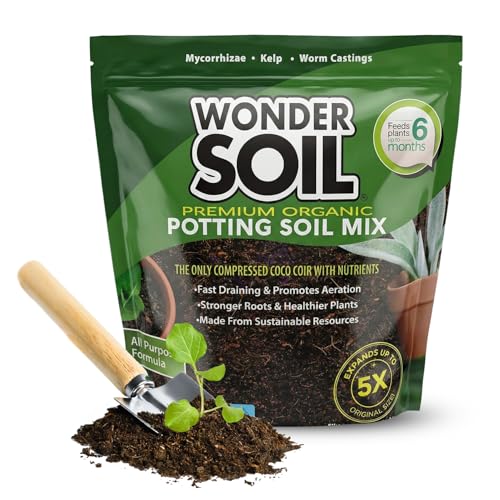
Wonder Soil Organic Potting Soil 12 Quarts

Wonder Soil 72 Quarts Compressed Coco Coir Block

Legigo 100 Pcs 30mm Coco Coir Seed Starter Pellets
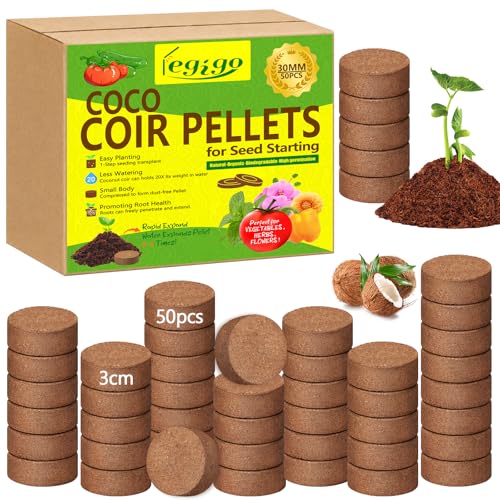
Legigo 50 Pcs 30mm Coco Coir Seed Starter Pellets

Legigo 200 Pcs 30mm Coco Coir Seed Starter Pellets
The Details Behind The Selections
Compressed coco coir, the fibrous husk material processed from coconut shells, has earned a serious following among indoor growers, and this brick from CANNA sits at the more traditional end of that spectrum. Unlike the pre-amended Wonder Soil picks later in this list, this one arrives as a plain, buffered medium, which matters if you want to dial in your own nutrient schedule rather than rely on whatever the bag already contains.
The expansion ratio is the headline feature here: 8 liters of dry brick opens up to roughly 40 liters once hydrated, so a single block handles several medium-sized containers or one sizable planter. In a sunroom setup with a mix of foliage plants, you can break the brick apart in a bucket and portion it out as needed without waste.
Where It Delivers
- Buffered coco (pre-washed to flush excess salts) makes it a safer pick for salt-sensitive houseplants than raw coir.
- High expansion ratio means one compact brick covers a meaningful volume of pots.
- Reusable structure holds up across multiple growing cycles, reducing how often you replace medium.
- Neutral starting point lets you tailor feeding with whatever fertilizer line you already use.
Things To Consider
- Coco coir on its own contains little nutritional content, so you will need to fertilize from day one.
- Hydration takes a few minutes of soaking and breaking apart, which adds setup time compared to ready-to-pot blends.
Key Specs
Built With In Mind
Experienced indoor growers who prefer to control every input in their feeding schedule.
Swap It Out When
Casual gardeners wanting a ready-to-pot option should reach for the Wonder Soil 12 Quarts instead.
FoxFarm Ocean Forest is a bag-and-go medium that skips the soaking step entirely, which makes it feel like the most “familiar” option in this roundup for anyone who has gardened with traditional potting soil. The blend pulls from both land and sea-sourced ingredients, including earthworm castings and aged forest products, giving it a darker, richer appearance than the lighter coco-based picks above.
At 1.5 cubic feet per bag, this works well for a repotting session with a few large houseplants or a small patio container setup. The light, aerated texture helps roots establish quickly without compacting, and you can plant directly into the bag’s contents without mixing in anything else for most ornamentals and edibles.
Why It Works Well
- Ready-to-use right out of the bag, no soaking or pre-mixing required.
- Nutrient-dense blend supports the first several weeks of growth without supplemental feeding.
- Light texture keeps air pockets around roots, lowering the risk of waterlogging in standard pots.
- Suited to a wide range of container plants, from leafy greens to flowering ornamentals.
Honest Caveats
- Heavier than coco coir options, so a 1.5 cu ft bag takes more effort to carry and store.
- Strong initial nutrient load means seedlings can sometimes get leggy if started in this medium without dilution.
Whose Shelf It Belongs On
Container gardeners who want a familiar, nutrient-loaded blend without prep work.
Reach For A Different Pick When
Balcony growers tight on storage should consider the compressed Wonder Soil 12 Quarts for its smaller footprint.
Biochar, a charcoal-like soil amendment made from heated organic matter, behaves very differently from a standalone potting soil. This 8-quart bag from Plantonix’s Char Bliss line is meant to be mixed into existing soil rather than planted into directly, and that’s the key mental shift for anyone considering it.
What it brings to the mix is structure: improved water retention, better nutrient holding, and a more porous root environment over time. Used as roughly 5 to 10 percent of a total soil volume, it tends to make whatever medium it joins last longer between repots.
Standout Benefits
- OMRI-listed, so it carries an organic-input status that aligns with edible gardens.
- Stays in the soil for years without breaking down, making it a one-time investment per bed.
- Improves moisture retention in fast-draining mixes like the FoxFarm above.
- Light enough at 8 quarts to handle without strain.
Points To Keep In Mind
- Works only as an amendment, not as a standalone growing medium, so you’ll still need a base soil on hand.
- Fine dust during handling is common, and a quick rinse before mixing limits airborne particles.
Right Fit For
Vegetable gardeners rebuilding tired raised beds and wanting to stretch the life of their existing soil.
A Better Fit Elsewhere
If you just want to start seeds quickly, the Legigo pellet packs offer a more direct path.
Wonder Soil’s 30-quart three-pack targets the sweet spot between small starter bags and full block refills. Each brick comes pre-loaded with worm castings, mycorrhizae (beneficial fungi that colonize roots and improve nutrient uptake), and kelp, so the moment you hydrate the brick you have a ready-to-plant medium without reaching for separate amendments.
For someone setting up a kitchen herb garden or a few indoor pots for the first time, this is a low-fuss route. The coco coir base expands several times over once water hits it, and the added nutrients carry plants through the first stretch of growth without extra feeding.
Points In Its Favor
- Pre-amended with worm castings and mycorrhizae, cutting out extra shopping trips.
- Three-brick format spreads usage over time without needing to commit to a single large block.
- Compressed bricks store neatly on a closet shelf until you’re ready to use them.
- Family and pet-friendly ingredient list removes the worry around indoor use.
Worth Noting
- Hydration is hands-on: you break apart the brick in water and fluff it before use.
- Pre-loaded nutrients mean less control over the feeding schedule compared to plain coir.
Feature Snapshot
Best Suited To
First-time indoor gardeners who want a near-complete kit in one box.
Look Elsewhere When
You only need a small amount for a single pot, in which case the 12-quart Wonder Soil handles it more cleanly.
Worm castings are the nutrient-rich end product of earthworm digestion, and a small amount goes a long way. This one-quart container from Plantonix’s Worm Bliss line is sized for gardeners who already have a base soil and want to enrich it rather than replace it. Think of it more as a soil conditioner than a planting medium.
Vegan and manure-free, it suits growers who want organic inputs without animal-derived fertilizers. A spoonful worked into the top inch of a pot, or mixed into a larger batch at about 10 to 20 percent of total volume, delivers slow-release nitrogen, phosphorus, and potassium along with trace minerals.
The Value In It
- Concentrated organic nutrition that strengthens soil without burning roots.
- OMRI-listed for use in certified-organic edible gardens.
- Small container fits easily in a gardening tote or kitchen drawer.
- Compatible with houseplants, vegetables, and flowers alike.
Trade Offs
- Acts as a supplement, not a full medium, so you need separate base soil.
- Higher cost per ounce than bulk options, though the small format reduces waste.
Who Should Grab It
Organic-focused growers who want to top-dress existing houseplants or enrich vegetable beds.
Where A Sibling Pick Shines
For a full-volume refill of a raised bed, the Wonder Soil 72-quart block provides more medium for the same effort.
The 12-quart Wonder Soil is the smallest of the brand’s compressed options, and for apartment dwellers and herb-garden starters, that scale hits the mark. A 3-pound compressed bag expands to 12 quarts once water is added, with perlite (a lightweight volcanic rock that improves drainage) and worm castings already mixed in.
It’s the most kitchen-friendly size in this lineup: tucked into a cabinet, brought out when a single pot needs refreshing, and finished in one session. The peat-free formula is also a thoughtful detail for anyone tracking their environmental footprint.
Benefits That Matter
- Small compressed bag fits inside a typical kitchen cabinet or under-sink bin.
- Perlite improves drainage, helpful for moisture-sensitive herbs like rosemary and thyme.
- Worm castings add a nutritional boost without extra steps.
- Peat-free composition suits gardeners avoiding peat harvesting concerns.
Some Limits To Know
- Twelve quarts fills only a handful of small pots, so it runs out fast for larger projects.
- Compressed format still requires water and fluffing before use.
Made For
Small-space growers tending a windowsill herb collection or a couple of houseplants.
Consider Something Else When
Anyone filling several patio containers will find better value in the 30-quart Wonder Soil three-pack.
At 10 pounds compressed and expanding to 72 quarts hydrated, this is the workhorse block in the Wonder Soil range. The 72-quart block targets raised bed refills, large patio container rotations, and serious vegetable patch rebuilds, the kind of job where smaller bags turn into a multi-trip headache.
The same amendments appear here as in the smaller Wonder Soil picks, including worm castings, mycorrhizae, and kelp, so a single soaking session delivers a uniform, ready-to-plant medium across a large surface area. For gardeners planning a seasonal refresh, it’s a more efficient format than stacking multiple smaller bricks.
What Stands Out
- High-volume block covers a large raised bed or multiple patio containers from one purchase.
- Same pre-loaded amendments as smaller Wonder Soil options, keeping the nutrient profile consistent.
- Compression reduces shipping footprint relative to bagged alternatives.
Where It May Fall Short
- Requires a sizeable container for hydration, like a wheelbarrow or large tub.
- More medium than a casual gardener can use before it dries out between sessions.
Technical Highlights
Who Will Love This
Backyard growers rebuilding raised beds or refreshing a full patio setup each season.
Not Your Match When
You only have a couple of indoor pots to fill, in which case the 12-quart Wonder Soil is a better match.
Seed-starting pellets collapse the entire seed-starting process into a single disc. Each 30mm pellet from Legigo is compressed coco coir that expands vertically when soaked, creating a small plug ready for a single seed. The 100-count bag hits a useful middle ground between the 50-pack for casual projects and the 200-pack for greenhouse operations.
For someone starting tomatoes, peppers, or flower seedlings in late winter, this format removes the need for separate trays and loose soil. The mesh wrapper around each pellet holds the medium together during transplant, so the seedling moves to its final pot with minimal root disturbance.
The Case For It
- Each pellet is a self-contained starter cell, cutting out trays and loose soil.
- 30mm expanded height gives seedlings room to develop a healthy root plug.
- Mesh netting keeps the pellet intact during transplant, protecting young roots.
- One hundred pellets supports a typical home seed-starting lineup.
Practical Considerations
- Pellets need a tray or container to hold water during the initial soaking phase.
- Coir dries faster than peat, so consistent watering matters once seedlings emerge.
Perfect Match For
Home gardeners starting a modest range of vegetables or flowers ahead of the growing season.
Skip It When
You only need a handful of seeds for trial plantings, where the 50-pellet Legigo pack keeps things simple.
The 50-pellet pack is the right size when you’re only starting a few varieties or testing germination rates on new seeds. It’s also the most forgiving format for someone trying seed-starting for the first time, since the lower count keeps the experiment manageable.
Functionally, the pellets behave the same as the 100-count version above: 30mm coco coir discs that expand on contact with water, wrapped in a fine mesh for clean transplanting. The smaller count simply means less storage commitment and fewer pellets at risk of drying out if your watering routine slips during a busy week.
What Earns Its Place
- Compact pack fits on a kitchen counter or small greenhouse shelf without sprawl.
- Same 30mm expansion height as the larger Legigo packs for predictable seedling development.
- Lower count reduces waste for gardeners with limited seed-starting ambitions.
Minor Gripes
- Per-pellet cost runs higher than the 100- or 200-count packs.
- Runs out quickly if germination succeeds across multiple varieties.
Who It Suits Best
Beginners trialing a small seed-starting project on a windowsill.
Another Choice May Suit
Garden coordinators running a larger seedling operation should jump to the Legigo 200-pack.
The 200-pellet bag is the bulk end of the Legigo range, built for greenhouse growers, community garden coordinators, and home gardeners starting a full spring lineup. With the same 30mm expansion height and mesh-wrapped coir format as the smaller packs, you get consistent performance across a much larger count.
For anyone running a propagation schedule with tomatoes, peppers, herbs, and flowers all at once, this format keeps the workflow uniform. One soaking session hydrates dozens of pellets at a time, and transplant day moves quickly when every seedling sits in an identical plug.
Positive Points
- Bulk count supports a full spring seed-starting calendar in one purchase.
- Lower per-pellet cost than the smaller Legigo packs.
- Uniform pellet size simplifies tray planning and labeling.
Factors To Consider
- Requires significant tray space and a reliable watering routine to keep all pellets hydrated.
- More pellets than a casual gardener typically uses in a single season.
The Right Fit
Greenhouse operators and serious home propagators scaling up their seedling production.
Where Another Pick Suits Better
Casual growers will find the 50-pellet Legigo pack more proportional to their needs.
What Matters Most When Choosing A Natural Organic Potting Soil
Matching Medium To Plant Type
Vegetables, herbs, foliage houseplants, and succulents each want a different balance of drainage, water retention, and nutrients. Coco coir-based blends like the Wonder Soil and Legigo picks lean toward moisture retention, which suits leafy greens and tropical houseplants. The FoxFarm Ocean Forest brings a richer nutrient load that helps fruiting plants through their early stages, while the Plantonix Char Bliss biochar works as a long-term soil conditioner across all of these.
Volume, Storage, And Hydration
Compressed bricks and pellets look small in the package but expand several times over once water is added. For apartment growers with limited storage, the smaller Wonder Soil and Legigo options keep a tidy footprint. For larger projects, the 72-quart Wonder Soil block and 200-pellet Legigo bag handle volume without multiple purchases. One thing worth considering: the larger formats need a sizable container for the initial soaking.
Amendments Vs. Blank Slate
Some blends arrive pre-loaded with worm castings, mycorrhizae, and kelp, while others offer a clean starting point. Pre-amended options save a step for beginners and cut down on extra shopping. Plain coir like the CANNA brick gives experienced growers finer control over their feeding schedule. Adding a targeted amendment like Worm Bliss to a base soil is also a valid route for gardeners who want to enrich an existing medium rather than replace it.
Key Considerations Across These Picks
Where Shoppers Go Wrong
Treating every bag the same way is the most common slip-up in this category. Coco coir, traditional potting soil, and biochar behave very differently in a container, and assuming one works for every plant leads to watering problems and unhappy roots. Reading the format, not just the brand name, helps avoid mismatched expectations. Another trap is underestimating expansion: a small brick or pellet pack can produce far more medium than the package suggests, and overfilling pots with loose, fluffy material causes settling and drainage issues later.
Where The Extra Money Goes
Premium organic blends tend to cost more because of the amendments they include and the processing required to make compressed formats work. The upside shows up in time saved on prep and feeding, plus consistency across multiple pots. For small-scale growers, the convenience often justifies the cost. For larger beds, balancing a premium amendment like Char Bliss or Worm Bliss with a more economical base medium keeps the project within reach without sacrificing soil quality.