The bag you grab off the shelf quietly decides how your plants perform all season. Container gardens dry out faster than in-ground beds, and ornamentals or edibles in pots lean hard on the mix for air, drainage, and steady moisture. A natural blend, free of synthetic wetting agents and mystery fillers, sets roots up to breathe and feed properly. This lineup spans coco coir bricks, bark substrates, biochar amendments, and seed-starting pellets, so you can match the medium to what you actually grow.
A Quick View Of The Lineup

CANNA Coco Brick 40L Expandable Natural Plant Medium

FoxFarm Ocean Forest Potting Soil 1.5 cu ft

Char Bliss 8 Qts Organic Biochar Soil Amendment

Dalton’s Orchiata Bark Small 2.5 Gallon

Organic Plant Magic Compressed Potting Soil

Worm Bliss 1 Qt Organic Worm Castings

NOHOBE Hard Akadama Bonsai Soil 2.5lb

Legigo 100 Pcs Coco Coir Seed Starter Pellets
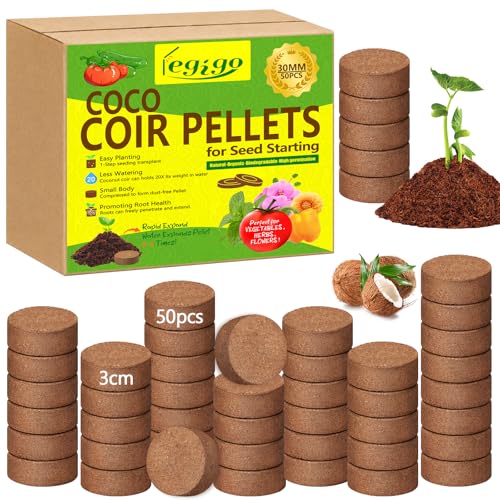
Legigo 50 Pcs Coco Coir Seed Starter Pellets

Legigo 200 Pcs Coco Coir Seed Starter Pellets
More Details On Our Top Picks
Apartment growers and balcony gardeners rarely have room to stash a bulky bag of potting mix. CANNA solves that with a compressed coco brick that arrives roughly 8 liters dry and puffs up to 40 liters once you add water, which means a small closet shelf can hold what would otherwise fill a wheelbarrow. The material is pure coconut coir, a natural fiber that holds moisture while letting excess drain, so roots get both air and water without sitting soggy.
For indoor growers running a tight rotation of leafy greens or herbs, this brick format earns its keep in storage and reusability. Unlike the bagged FoxFarm blend later in the lineup, this one starts neutral and lets you dial in nutrients from the start. You may find the hydration step slightly messy the first time you soak it, so a bucket with a lid helps.
Reasons It Performs
- Compressed dry format saves significant closet and garage space before hydration
- Coir structure balances moisture retention with air pockets for healthy roots
- Reusable across multiple growing cycles when flushed between plantings
- Neutral medium gives full control over your feeding schedule
Things To Consider
- Coir on its own carries minimal nutrients, so supplemental feeding is required
- First-time hydration needs a large container and patience for the brick to fully expand
Who It Suits Best
Container gardeners in apartments or small patios who need a storable, reusable base medium and don’t mind adding their own nutrients.
Skip It When
You want a nutrient-loaded mix straight from the bag, in which case the FoxFarm Ocean Forest Potting Soil fits your workflow better.
Container gardens reward a fluffy, well-fed mix, and FoxFarm’s Ocean Forest delivers exactly that in a ready-to-pour 1.5 cubic foot bag. The blend is designed for general container use, with a light, aerated texture that resists compaction over a long growing season. You scoop it straight into a pot without any pre-mixing or hydration step, which makes transplant day less of a production.
For mixed patios holding tomatoes, peppers, and flowering ornamentals side by side, this mix handles the variety without leaning heavily toward acid-loving or alkaline-preferring crops. Compared to the bare CANNA brick above, it arrives pre-charged, so newly transplanted seedlings get a gentler start. Depending on what you grow, you may still want to top-dress mid-season, since nutrient levels deplete over months of watering.
What Pays Off
- Ready to use straight from the bag with no soaking or pre-mixing
- Light, aerated texture keeps oxygen moving around root zones
- Works across vegetables, herbs, and flowering containers without specialty adjustment
- 1.5 cubic foot size fits most mid-season repotting projects
Points To Note
- Heavier and bulkier than compressed options, so storage space matters
- Nutrient charge fades over a long season, calling for supplemental feeding later
Made For
Backyard growers juggling a mix of flowering and edible containers who want a no-prep bag they can trust for vegetables, herbs, and ornamentals alike.
Reach For A Different Pick When
You grow mainly orchids or bonsai, where the Dalton’s Orchiata Bark or NOHOBE Akadama Soil offers the drainage those plants actually need.
Biochar sounds niche until you see what it does in a tired raised bed. Char Bliss arrives as an 8-quart bag of organic charcoal-style amendment, and a little goes a long way because the porous structure stays in your soil for years rather than breaking down quickly. It holds nutrients in its cavities and releases them as roots pull moisture through, which matters most in beds you’ve grown in for several seasons.
For growers maintaining established vegetable plots or improving native soil in a new yard, this is the kind of additive you mix in once and benefit from for a long time. Unlike the standalone FoxFarm potting soil above, this isn’t a complete medium. You blend it into existing soil or compost at roughly 5 to 10 percent by volume. One thing worth considering: biochar is dusty out of the bag, so a mask helps during the initial mixing.
Everyday Advantages
- Porous structure holds nutrients and water at the root zone for long-term benefit
- Mixes into existing beds or compost without overhauling your setup
- Organic source material fits natural gardening routines
Honest Caveats
- Dusty when poured dry, so wear a mask during mixing
- Not a standalone growing medium on its own
The Right Fit
Long-term soil builders working raised beds or in-ground plots who want a permanent boost to nutrient retention and water-holding capacity.
Consider Something Else When
You need a ready-to-use complete medium for containers, where Organic Plant Magic’s compressed soil or FoxFarm Ocean Forest saves a step.
Orchids don’t grow in soil the way most houseplants do, and forcing them into a standard potting mix usually ends in root rot. Dalton’s Orchiata Bark solves that with small-grade Pinus radiata bark from New Zealand, sized for orchids with finer root systems. The bark stays structurally stable through repeated watering cycles, so the airy pockets orchids need don’t collapse after a few months.
For hobbyists who keep a few Phalaenopsis or Cattleya on a windowsill, this bag covers several repottings without taking up much closet space. Compared to the FoxFarm blend above, it’s a completely different category of product. You may find the bark dry on arrival, so a pre-soak before potting helps the chips settle around roots.
What Makes Sense
- Pinus radiata bark holds its structure longer than softer pine alternatives
- Small grade suits orchids with finer root systems
- 2.5 gallon size covers multiple repottings of a small collection
Small Caveats
- Bark arrives dry and benefits from pre-soaking before potting
- Not interchangeable with general-purpose potting soil for non-orchid plants
Who Should Grab It
Orchid keepers with a small to mid-size collection who want a stable, long-lasting bark substrate instead of softer alternatives.
Look Elsewhere When
You want a versatile mix for a general container garden, in which case FoxFarm Ocean Forest covers more plant types in one bag.
Carrying a heavy bag of soil up three flights of stairs is a real friction point for urban growers. Organic Plant Magic’s compressed granules expand roughly four times their dry volume once watered, so a lightweight package yields a meaningful amount of finished medium. The blend pulls from coconut coir and worm castings, which means the expanded soil already carries organic nutrition rather than arriving as a blank slate.
For renters who pot up a few herbs and salad greens each spring, this format removes the heavy lifting. Unlike the pure CANNA brick earlier in the lineup, this one arrives with fertility built in. In our view, the resealable bag makes it easier to keep unused portions fresh between planting sessions, though the dry granules do need thorough soaking before use.
Strong Points
- Lightweight compressed format is easy to carry and store before hydration
- Coir and worm castings deliver organic nutrition right out of the gate
- Resealable bag keeps leftover granules fresh between plantings
Points To Keep In Mind
- Requires thorough soaking to fully hydrate before potting
- Compressed volume can be misleading, so plan for the expanded yield
Best Suited To
Apartment and balcony growers who want a portable, nutrient-rich medium without hauling a bulky traditional bag upstairs.
A Better Fit Elsewhere
You need a much larger volume for a backyard bed, where Char Bliss biochar or FoxFarm Ocean Forest gives you more finished material per package.
Worm castings function less like soil and more like a slow-release conditioner that you mix into whatever medium you already use. Worm Bliss arrives as a 1-quart bag of organic earthworm castings, packed with the nitrogen, phosphorus, and potassium that plants draw from steadily without burn risk. You sprinkle a thin layer on top of pots or blend it into planting holes at transplant time.
For growers maintaining a rotation of container vegetables through the season, this is the kind of bag that lives by the back door and gets used often. Unlike the standalone Dalton’s bark above, it’s an amendment rather than a substrate. You may find a single quart runs out quickly on a large garden, so serious bed gardeners often buy multiple bags at a time.
Useful Strengths
- Nutrient-dense castings work as a top dressing or soil mix-in
- Slow-release feeding reduces the risk of fertilizer burn on tender roots
- Organic source material suits natural gardening routines
- Compact 1-quart size stays manageable for indoor use
Less-Strong Areas
- Small volume disappears fast across a multi-bed garden
- Not a standalone growing medium on its own
Whose Shelf It Belongs On
Active container gardeners refreshing a rotation of vegetables and flowers who want a versatile organic amendment they can use weekly.
Where Another Pick Suits Better
You need a complete growing substrate, where FoxFarm Ocean Forest Potting Soil or Organic Plant Magic covers more ground in a single purchase.
Akadama, a hard Japanese clay-like granule, has been a bonsai staple for decades because it holds moisture while keeping root zones airy. NOHOBE’s 2.5-pound bag offers the small 1/8 to 1/4 inch grain that works for younger bonsai, succulents, and cacti with finer roots. The grain shifts color visibly when wet, which doubles as a quiet watering cue for plants that hate sitting in saturated soil.
For hobbyists training a few trees on a patio or windowsill, this bag covers several repottings of smaller specimens. Compared to the bark-focused Dalton’s orchid mix above, akadama suits plants that prefer steady moisture with quick drainage. Depending on your watering style, you may find the grains break down over a few years and need refreshing at repotting.
Useful Touches
- Color-changing visual indicator helps avoid over and under watering
- Small grain size suits young bonsai, succulents, and cacti
- Hard composition resists compaction in shallow bonsai pots
Some Limits To Know
- Grains break down over years, requiring refreshing at repotting
- Specialty product with limited use outside bonsai and succulents
Who Will Love This
Bonsai hobbyists and succulent collectors who want a moisture-buffering substrate with a built-in visual cue for watering.
Swap It Out When
You keep general flowering or edible containers, where FoxFarm Ocean Forest Potting Soil handles a broader plant list without specialty tuning.
Seed-starting season gets messy fast when you’re juggling loose soil, small pots, and a watering can. Legigo’s 100-piece pack of 30-millimeter coco coir pellets solves that with compressed discs that swell into self-contained starter plugs once watered. Each pellet becomes its own little transplant unit, which means less root disturbance when you eventually move seedlings to a bigger pot or garden bed.
For first-time seed starters on a kitchen counter or apartment windowsill, the format keeps things contained and tidy. Compared to the larger compressed brick format from CANNA, these individual pellets scale to however many seeds you actually plant. You may find the dry discs need warm water to expand evenly, and a tray underneath catches the runoff during the swelling process.
A Few Highlights
- Compact discs expand into individual starter pots when watered
- Coir structure gives seedlings an airy, low-stress root environment
- 100-piece count covers a typical home seed-starting run
Worth Bearing In Mind
- Small 30-millimeter size means faster drying in dry indoor air
- Limited to starting seeds, not transplanting established plants
The Right Fit
First-time seed starters and apartment gardeners who want a tidy, low-mess way to start vegetables or flowers indoors before transplanting.
Consider Something Else When
You’re filling large outdoor beds or pots, where FoxFarm Ocean Forest or Organic Plant Magic handles bigger volumes more efficiently.
Some gardeners only start a handful of seeds each spring, and a 100-count bag becomes wasted inventory by midsummer. This 50-piece Legigo pack delivers the same 30-millimeter coco coir discs in a smaller count, so you finish the season without a bag of half-used pellets drying out in storage. The format keeps transplant shock low because roots stay inside the coir plug when you move them up.
For casual herb gardeners or anyone running a single tray of tomatoes and peppers, the smaller pack fits the project. Compared to the larger 200-piece Legigo option below, this one targets the modest starter. You may find the discs swell slightly unevenly with cold tap water, so room-temperature water gives more consistent results.
Where It Delivers
- Smaller 50-count matches modest seed-starting projects
- Individual disc format keeps transplant shock minimal
- Coir holds moisture gently around germinating seeds
Practical Considerations
- Small pellets dry out faster than larger starter blocks
- Limited quantity caps ambitious multi-variety seed runs
Best Suited To
Casual gardeners starting a single tray of herbs or flowers who want the tidy disc format without leftover inventory at season’s end.
Not Your Match When
You’re planning a bigger seed-starting lineup across many varieties, where the Legigo 200 Pcs Coco Coir Pellets gives you more room to experiment.
Running a serious seed-starting operation means juggling dozens of varieties across multiple trays, and small packs run out fast. This 200-piece Legigo bag brings the same 30-millimeter coco coir disc format in a count that handles ambitious indoor starts. The individual pellet design means you can label, move, and transplant each seedling independently without disturbing its neighbors.
For gardeners starting entire vegetable gardens from seed, or community gardens splitting costs across many growers, the larger count keeps you stocked through a full spring run. Compared to the 50-piece option above, this gives headroom for succession plantings and experimental varieties. Depending on your setup, you may want a heat mat underneath since small coir pellets cool quickly in a drafty room.
Strengths Worth Knowing
- 200-piece count supports full multi-variety seed-starting schedules
- Individual pellets simplify labeling and transplant tracking
- Coir structure stays gentle on tender germinating roots
- Cost-per-pellet drops noticeably at the larger count
Trade-Offs To Consider
- Bulk quantity can sit partially unused if your seed plans shrink mid-season
- Small pellets require frequent watering in dry indoor air
Perfect Match For
Serious seed starters and community gardeners running big spring transplant schedules who need a generous pellet supply from a single purchase.
Wrong Turns To Avoid
You only start a handful of seeds each spring, where the Legigo 50 Pcs Coco Coir Pellets avoids leaving extras to dry out in storage.
Matching Natural Potting Mixes To What You Grow
Container plants lean heavily on their medium because roots can’t spread outward to find what they need. Drainage, aeration, moisture retention, and nutrient density each play different roles depending on the plant. Orchids and bonsai want chunky, airy mixes that dry quickly between waterings, while leafy greens and herbs prefer finer blends that hold even moisture. Edibles in deep pots need organic matter that feeds steadily across a long season.
Start by matching the medium to the plant’s natural habitat. Epiphytes like orchids evolved on tree bark, so a bark-based substrate like Dalton’s Orchiata mirrors that environment. Succulents and bonsai handle drought in rocky or clay-based soils, which is why NOHOBE Akadama works so well for them. Vegetables and flowering ornamentals come from richer ground, so a coir-and-castings blend or pre-charged potting soil gives them a more familiar footing.
Consider how much you’re growing and where. A single windowsill herb garden doesn’t justify a 1.5 cubic foot bag, but a backyard full of containers does. Compressed formats and pellet systems shine in small spaces, while bagged mixes reward bigger operations. Think about how often you’ll water, too. Coir-heavy mixes hold water longer, so gardeners who travel can stretch intervals between drinks, while fast-draining substrates demand more attention but prevent rot.
Finally, weigh the role of amendments. Products like Char Bliss biochar and Worm Bliss worm castings aren’t standalone mediums; they’re boosters that improve whatever soil you already use. A practical setup often combines a base medium with one or two amendments, layering benefits without doubling costs.
Sorting Through The Noise In This Category
Common Shopping Slip Ups
The most frequent mistake is reaching for a general-purpose potting soil when a specialty plant really needs its own substrate. Orchids in standard mix usually rot within weeks, and bonsai in fine soil develop root problems as particles compact. Match the medium to the plant first, then think about brand.
Another trap is overlooking compressed and pellet formats because they look small on paper. A brick that becomes 40 liters of coir or pellets that swell into starter plugs actually replaces a much larger traditional bag. For apartment growers especially, the smaller dry footprint is a real advantage worth pricing in.
What The Higher Tier Buys
Premium options in this category typically invest in source material purity, stable structure, or pre-charged nutrition. A New Zealand-grown orchid bark costs more because the Pinus radiata holds up longer than cheaper pine alternatives. Pre-amended soils skip the step of buying and mixing your own fertilizer.
Paying up makes sense when the plant you’re growing genuinely needs that level of quality, or when the convenience of a ready-to-use blend saves time you don’t have. For a single windowsill herb, the upgrade rarely justifies itself. For a serious orchid collection or a full vegetable patio, the better substrate usually pays for itself across one season.
Frequently Asked Questions
What makes a potting mix “natural”?
Natural mixes use plant-based or mineral ingredients like coconut coir, peat, bark, worm castings, and biochar without synthetic fertilizers or chemical wetting agents. The exact composition varies, so reading the ingredient list tells you what’s actually inside.
Can I use the same mix for vegetables and flowers?
Most general-purpose blends like FoxFarm Ocean Forest work across both, since both groups prefer similar moisture and nutrient levels. Specialty plants like orchids, bonsai, and succulents do better in their own substrates.
How long does a bag of potting mix last?
Unopened, most bagged mixes stay usable for one to two years stored dry. Once opened, coir and bark products hold up well if kept sealed, while amended soils may gradually lose nutritional charge over many months.
Do I need to add fertilizer to natural mixes?
It depends on the product. Coir-only blends arrive essentially empty and need feeding from the start, while pre-amended options carry nutrition for several weeks. Worm castings and biochar work as supplements rather than complete feeds.
Are compressed mixes really equivalent to bagged soil?
Yes, once fully hydrated, compressed coir bricks and pellets function identically to their bagged equivalents. The trade-off is the hydration step and planning around the expanded volume rather than any drop in quality.
Wrap Up
The right natural potting mix depends less on brand and more on what you’re growing and where. Containers of leafy edibles thrive in coir-rich or pre-charged blends. Orchids and bonsai need bark or clay-granule substrates that stay airy. Seed starters benefit from tidy pellet formats that ease transplant day. Pick a base that suits your plant, add an amendment if your soil needs a boost, and store the rest in a dry spot for next season.