Fish emulsion fertilizers give edible gardens, flower beds, and houseplants a steady source of nitrogen and trace minerals without synthetic chemicals. Neptune’s Harvest has built a loyal following around cold-processed fish hydrolysate (a liquid concentrate made by breaking down whole fish with enzymes rather than heat, which preserves more nutrients) and blended formulas that combine fish with seaweed, crab shell, and kelp meal. The lineup ranges from gallon jugs for market gardeners to quart bottles for apartment herb shelves.
Whether you tend a backyard tomato patch, maintain a rose border, or simply want a gentler feeding routine for indoor foliage, the right Neptune’s Harvest product depends on your soil, your watering style, and how much mixing you want to do. Below is a curated walkthrough of ten options covering liquids, dry meals, and bundled duos, organized so you can match the formula to your garden’s real needs.
The Essentials At A Glance

Neptune’s Harvest Organic Tomato & Vegetable Plant Fertilizer 2-4-2 (Gallon)

Neptune’s Harvest Crab & Lobster Shell 5-3-0 + Kelp Meal 1-0-2 Bundle

Neptune’s Harvest Organic Crab & Lobster Shell Plant Food 5-3-0 (4 lb)

Neptune’s Harvest Seaweed Plant Food 0-0-1 (Quart)

Neptune’s Harvest Fish & Seaweed Liquid Fertilizer 2-3-1 (36 oz)
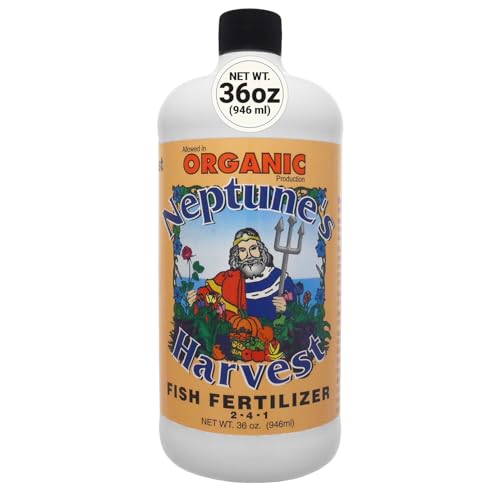
Neptune’s Harvest Fish Fertilizer 2-4-1 (Quart)

Neptune’s Harvest Rose & Flowering Fertilizer 2-6-4 (36 oz)

Neptune’s Harvest Fish (Garden Fertilizer)

Neptune’s Harvest Tomato & Veg 2-4-2 + Fish & Seaweed 2-3-1 Quart Duo
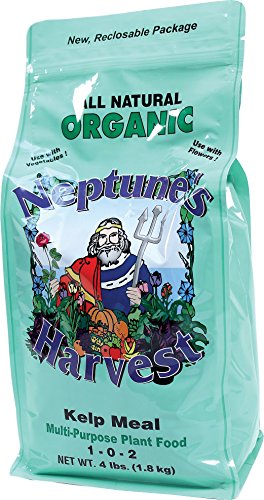
Neptune’s Harvest Kelp Meal 4 lb Bag (6-Case)
A Breakdown Of The Leading Choices
This gallon jug is the workhorse for gardeners who grow tomatoes, peppers, and leafy greens in raised beds or row plots. The 2-4-2 NPK ratio (a fertilizer label showing nitrogen, phosphorus, and potassium percentages in that order) leans slightly toward phosphorus, which supports fruit set without overloading nitrogen and driving excessive foliage.
The blend layers hydrolyzed fish, kelp, molasses, yucca extract, and humic acids, giving plants a quick nitrogen lift alongside slower soil-building inputs. Compared with the pure fish pick later in this list, you get a richer feeding mix in one container, though the scent during mixing is more pronounced thanks to the molasses.
Points In Its Favor
- Combined fish, seaweed, and humic acids reduce the need to buy multiple bottles
- Balanced 2-4-2 NPK supports both vegetative growth and fruit development
- One-gallon size suits mid-size home gardens for an entire growing season
- Liquid form mixes easily into watering cans and drip systems
Things To Consider
- Molasses adds a sweet, lingering odor that may attract neighborhood cats to freshly treated beds
- Heavier jug is awkward to carry once half-empty, so a dedicated caddy helps
- Concentrate requires accurate dilution; over-application can push leaf growth at the expense of fruit
Who It Suits Best
Vegetable gardeners running a dozen or more tomato and pepper plants will appreciate the volume and the multi-ingredient formula in a single jug.
Swap It Out When
The Neptune’s Harvest Fish Fertilizer 2-4-1 (Quart) is a better match for someone who wants pure fish hydrolysate with no added molasses or yucca.
This bundle pairs two dry amendments aimed at gardeners thinking beyond a single season. The crab and lobster shell meal delivers slow-release calcium and chitin (a natural compound in crustacean shells that supports beneficial soil microbes), while the kelp meal adds trace minerals and carbohydrates that feed soil life.
Together they create a foundation-focused feeding program, useful for new beds, depleted lawn areas, or anyone transitioning from synthetic fertilizer. Unlike the liquid picks earlier, you will be working with powders, so a spreader or hand scoop and a watering can are part of the routine.
Everyday Wins
- Crab shell adds calcium that helps prevent blossom-end rot in tomatoes
- Kelp meal contributes potassium and micronutrients for stress tolerance
- Dry format stores compactly in a shed without odor concerns
- Eight total pounds cover a meaningful area of beds or lawn
Honest Caveats
- Two separate bags means two application steps and slightly more measuring
- Dry meals release nutrients slowly, so you will not see a quick visual response like with liquids
- Crab shell can clump in humid storage, so a sealed bucket helps
Made For
Patient gardeners building long-term soil structure on new plots or revitalizing tired beds benefit most from this duo.
Consider Something Else When
Pick the Neptune’s Harvest Fish & Seaweed Liquid Fertilizer 2-3-1 (36 oz) when you want faster visible results without handling dry powders.
If you want the soil-building benefits of crustacean shell without committing to a paired kelp product, this single four-pound resealable bag is a sensible pick. The 5-3-0 NPK leans nitrogen-forward, with calcium and magnesium from the shells feeding in over weeks.
It works well around fruit trees, bulb plantings, and lawn patches where slow nutrient release beats a quick splash. Compared with the bundle above, you skip the kelp component but gain a simpler routine.
What Stands Out
- Resealable bag keeps the meal fresh between applications
- Crab shell calcium reduces tip burn in crops like lettuce and strawberries
- Single-ingredient formula simplifies record-keeping for organic certifications
Points To Note
- No potassium source, so pairing with kelp or a greensand amendment may help flowering crops
- Granular texture takes a few weeks to break down in cool spring soil
Right Fit For
Lawn-care enthusiasts and bulb gardeners who want a calcium-rich amendment without extra ingredients will find this bag straightforward.
Where Another Pick Suits Better
The Neptune’s Harvest Tomato & Vegetable Plant Fertilizer 2-4-2 (Gallon) is a better match when faster liquid feeding fits your routine.
Quick Facts
Seaweed fertilizer is the gentlest member of this lineup, and the 0-0-1 NPK tells you it is not about pushing top growth. The point is the wide spectrum of trace minerals, amino acids, and natural growth hormones from Ascophyllum nodosum, a North Atlantic kelp species prized for cold-water nutrient density.
You can use it on houseplants, seedlings, and transplants where a mild tonic beats a strong feed. The trade-off, as you might expect, is that heavy feeders like tomatoes will still need a nitrogen source alongside it.
What Makes Sense
- Quart bottle is light and easy to handle on indoor shelves
- Broad micronutrient profile supports stress recovery after transplanting
- Mild formulation is safe for seedlings at low dilutions
- Compatible with foliar feeding (spraying diluted liquid directly onto leaves) in early morning
Practical Considerations
- Almost no nitrogen, so leafy greens need a complementary fertilizer
- Seaweed smell is noticeable when freshly applied but fades within a day
Best Suited To
Houseplant owners and seed-starters who want a gentle micronutrient supplement without overloading their pots.
Not Your Match When
The Neptune’s Harvest Fish Fertilizer 2-4-1 (Quart) is a smarter pick for vegetable beds that need real nitrogen support.
This is the closest thing to a universal liquid in the Neptune’s Harvest catalog. A 2-3-1 NPK covers most garden situations, and the 75/25 fish-to-seaweed split gives you nitrogen-driven growth plus kelp’s stress tolerance. It suits mixed borders, lawn patches, vegetable plots, and container plantings alike.
For gardeners who want one bottle that travels between flower beds, herb planters, and the lawn, this 36-ounce size is the practical middle ground. Compared with the pure fish pick, the seaweed portion rounds out the micronutrient side.
A Few Highlights
- Versatile 2-3-1 ratio works across flowers, vegetables, and turf
- Cold-processed fish retains amino acids and enzymes for plant uptake
- Liquid format makes foliar feeding practical during dry spells
- 36-ounce bottle balances shelf life with manageable weight
Small Caveats
- Distinct fish odor at mixing time; ventilate indoor use or apply outdoors
- Bottle cap can gum up with residue if not rinsed after use
Whose Shelf It Belongs On
Homeowners managing a mixed landscape of ornamentals, edibles, and lawn will get the most mileage from this all-purpose formula.
Look Elsewhere When
The Neptune’s Harvest Rose & Flowering Fertilizer 2-6-4 (36 oz) is the better choice for gardeners focused mainly on blooms and bud density.
Feature Snapshot
Pure fish hydrolysate is the original Neptune’s Harvest formula, and this quart bottle is the right size for a small garden or a few raised beds. The 2-4-1 NPK favors phosphorus slightly, supporting flowering and fruiting without leafy overgrowth.
It is made from North Atlantic ocean fish using a cold process that protects the vitamins, amino acids, and enzymes that heat-based rendering can strip away. For gardeners who want to avoid fillers or additives, the ingredient list here is refreshingly short.
Key Advantages
- Cold hydrolysis preserves heat-sensitive growth compounds
- Simple ingredient list suits minimal-input gardening philosophies
- Liquid absorbs quickly into soil and through foliar sprays
- Quart size is comfortable for one-handed pouring
Trade-Offs To Consider
- Smaller volume means more frequent reordering for large plots
- No seaweed component means you may want to add kelp separately for trace minerals
- Strong smell during mixing; rinse containers well to avoid residue odor
Perfect Match For
Backyard vegetable growers and orchard owners who prefer an additive-light fish-only formula will appreciate this straightforward pick.
Reach For A Different Pick When
The Neptune’s Harvest Fish & Seaweed Liquid Fertilizer 2-3-1 (36 oz) makes more sense when you want the kelp component already blended in.
Spec Overview
Flowering shrubs and roses have different nutritional priorities than leafy vegetables, and this formula reflects that. The 2-6-4 NPK pushes phosphorus higher to fuel bud development and bloom density, while the moderate potassium supports stem strength and overall vigor.
It works on roses, hibiscus, and other ornamentals, and the liquid format keeps application simple around thorny canes. Compared with the all-purpose pick, the trade-off is that this is not what you want for your lawn or leafy greens.
Features That Help
- Higher phosphorus ratio targets bud set and bloom color
- Liquid form reaches roots quickly during the growing season
- Works alongside the Tomato & Veg formula for mixed ornamental and edible beds
Less Ideal Details
- Not balanced enough for general lawn or vegetable feeding
- Repeat feeding every two to three weeks is needed during bloom cycles
Who Should Grab It
Rose gardeners and anyone tending flowering shrubs or perennials that need a bloom-focused feeding schedule.
A Better Fit Elsewhere
The Neptune’s Harvest Fish & Seaweed Liquid Fertilizer 2-3-1 (36 oz) handles mixed borders better if you are not solely focused on blooms.
This listing covers the larger-format fish fertilizer in the Neptune’s Harvest catalog, oriented toward gardeners who run bigger operations. Think market gardeners, small orchards, or community plots where quart bottles disappear in a few weeks.
Bulk formats cut down on packaging waste and reordering trips, but they require a cool, dry storage spot and a clean pump or siphon for transferring concentrate. The trade-off versus smaller bottles is upfront weight and storage commitment.
Advantages To Know
- Higher-volume container suits market gardeners and small farms
- Reduces packaging waste per feeding cycle
- Economical when feeding large turf or orchard areas
Practical Considerations
- Heavy to transport without a hand truck or cart
- Needs a cool, dark storage area to preserve freshness
- Requires accurate measuring equipment for proper dilution
Built With In Mind
Market gardeners, orchard owners, and serious hobbyists running larger feeding programs will benefit most from the bulk format.
Skip It When
The Neptune’s Harvest Fish Fertilizer 2-4-1 (Quart) is a friendlier match for home gardeners managing a small yard or a couple of raised beds.
Two quart bottles, two different feeding situations. The Tomato & Veg formula handles fruiting crops with a balanced 2-4-2 NPK, while the Fish & Seaweed blend covers everything else in the garden at 2-3-1.
For first-time Neptune’s Harvest shoppers, this duo removes the guesswork of choosing a single bottle. The trade-off is that you are buying more product up front than most beginners need, and storage planning matters.
Strengths Worth Knowing
- Two formulas cover both vegetative and fruiting feeding needs
- Quart bottles are lighter and easier to handle than gallon jugs
- Helps new organic gardeners learn which formula fits which crop
- Compatible use throughout the growing season
Worth Bearing In Mind
- Higher upfront cost than a single quart bottle
- Two containers to track and label in the shed
Who Will Love This
First-time organic gardeners who want a ready-made pair of formulas covering most common garden situations.
Where A Sibling Pick Shines
The Neptune’s Harvest Tomato & Vegetable Plant Fertilizer 2-4-2 (Gallon) is more efficient for gardeners who already know they lean heavily toward vegetable feeding.
Key Product Details
This six-case of four-pound kelp meal bags is the right scale for small farms, community gardens, or anyone rebuilding soil across multiple beds. Kelp meal works slowly, contributing potassium, trace minerals, and natural growth hormones as soil microbes break it down.
It is a complement rather than a standalone feed, so you will still want nitrogen from fish emulsion or crab shell alongside it. The bulk format rewards planning, since 24 pounds of meal is not something you reorder often.
Practical Pluses
- Six-bag case suits multi-bed or small-farm applications
- Dry kelp stores for months without losing potency in a cool shed
- Can be top-dressed, mixed into potting soil, or steeped as a tea
- Adds potassium for flowering and fruiting support
Factors To Consider
- Six bags require dedicated storage space that stays dry
- Slow release means visible results take weeks, not days
- Not a nitrogen source on its own, so pairing is required for leafy crops
Best Suited To
Soil builders, small-scale farmers, and serious compost enthusiasts who incorporate kelp into broader amendment programs.
Another Choice May Suit
The Neptune’s Harvest Seaweed Plant Food 0-0-1 (Quart) is more practical for gardeners wanting kelp benefits without committing to 24 pounds of meal.
Feature Card
Choosing The Right Neptune’s Harvest Formula For Your Garden
Match the formula to your dominant crop and your patience level. If you grow tomatoes and peppers as the main event, start with the Tomato & Vegetable 2-4-2 liquid for fast feeding and balanced phosphorus. If your garden is more about soil-building than quick fixes, the crab and lobster shell meal or kelp meal give you slow-release minerals that improve structure across seasons.
Consider your mixing tolerance too. Liquids are forgiving and fast, but they carry the fish smell that lingers briefly during application. Dry meals are quieter and store compactly, though you will need a spreader or hand scoop and visible results come slower.
Think about scale. Quart bottles suit a few raised beds or indoor shelves, while gallon jugs and bulk dry meals pay off when you are feeding a market garden, orchard, or community plot. The bundled duo (Tomato & Veg plus Fish & Seaweed) is a reasonable starting point when you would rather sample two formulas than commit to a single one.
Finally, weigh the question of additives. Pure fish hydrolysate gives you a short ingredient list for minimal-input gardeners, while the multi-ingredient blends layer in kelp, molasses, or humic acids for richer feeding in a single bottle. Neither approach is wrong; it depends on how much control you want over each input.
Key Considerations Across These Picks
Pitfalls Shoppers Hit
Buying a gallon jug for a single raised bed is the most common mistake, leading to storage headaches and a concentrate that loses potency before you finish it. The flip side is equally frustrating: choosing quart bottles for a market garden means constant reordering and shipping costs. Match the format to your actual square footage, and resist the urge to grab the largest size just because it feels like a better deal.
Where The Extra Money Goes
The bundled options cost more because you are paying for two distinct formulas rather than one general-purpose blend. Higher-tier picks like the Tomato & Vegetable gallon or the bulk kelp meal also carry more product per dollar, but only if your garden will use it within a reasonable shelf life. Spending up makes sense when you have the scale to use the product before it degrades and the storage space to keep it in good condition.
Frequently Asked Questions
What does NPK mean on a fish emulsion label?
NPK refers to the percentage of nitrogen, phosphorus, and potassium in the fertilizer, listed in that order. Neptune’s Harvest uses blends like 2-4-1 and 2-6-4 to tailor feeding for vegetables, flowers, or general use.
How often should you apply Neptune’s Harvest fish emulsion?
Most liquid Neptune’s Harvest formulas are applied every two to three weeks during active growth, though dilution rates and frequency vary by product. Always check the label instructions for the specific blend you are using.
Can Neptune’s Harvest fertilizers be used on indoor plants?
Yes, the liquid fish, seaweed, and Rose & Flowering formulas all work on indoor houseplants when diluted according to label directions. The seaweed formula is particularly gentle for seedlings and smaller pots.
Do Neptune’s Harvest products smell during application?
Liquids carry a noticeable fish or seaweed aroma when freshly mixed, but the scent typically fades within a day outdoors. Dry meals and kelp meal have a much milder presence during application.
Is Neptune’s Harvest safe for organic gardening?
The lineup is built around natural ingredients like fish hydrolysate, crab shell, kelp, and molasses, making it a common choice for organic-focused gardeners. Specific certifications vary by product, so check the listing if certification matters for your records.
Closing Remarks
Neptune’s Harvest offers enough variety that matching the formula to your garden’s real needs matters more than chasing the biggest container. For most home gardeners, a quart or two of liquid covers a season comfortably, while soil-builders and small farms get more value from the crab shell and kelp meal options. Trust your crop list, your garden size, and your tolerance for fish smell on mixing day, and the right pick usually becomes obvious.