Starting a garden from seed feels like a small act of rebellion against long supply chains. You get to control the variety, the soil, the timing, and most importantly, the genetic integrity of what you grow. Non-GMO seeds let you sidestep plants bred in a lab and stick with traditional cultivars that have held their flavor and resilience for generations. The picks below cover sprouting staples, salad mixes, full vegetable gardens, regional collections, and specialty sets, so you can match the right seeds to your windowsill, raised bed, or backyard plot.
A Fast Comparison Of The Options

Nature Jim’s Sprouts Alfalfa Sprouting Seeds Non-GMO 16 oz

Rainbow Heirloom Radish Sprouting Seed Mix Non-GMO 1 LB

Organo Republic 15 Lettuce & Salad Greens Seeds Variety Pack

Organo Republic 55 Vegetable Seeds Variety Pack 35,600+ Seeds

Organo Republic 40 Vegetable Seeds Variety Pack 26,000 Seeds

Organo Republic 75 Vegetable & Greens Seeds Variety Pack with Tools
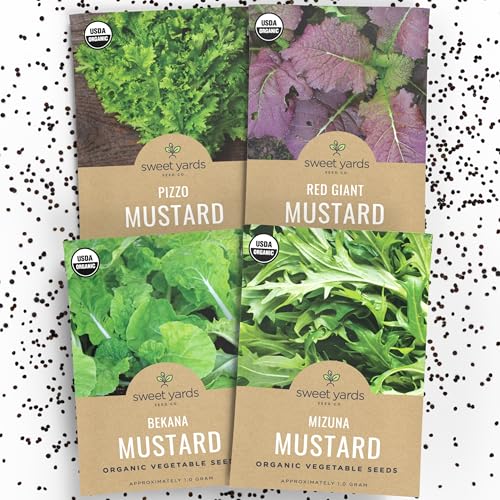
Sweet Yards Organic Mustard Green Seeds Variety Pack 4 Varieties

Sweet Yards Organic Southern Garden Seeds Variety Pack 10 Varieties

Organo Republic 8 Onion Seeds Variety Pack 2,200+ Seeds
More On The Choices That Made The List
If you want fresh sprouts on demand without running to the store, a 16-ounce bag of alfalfa seed covers weeks of daily harvests. The seeds are sold without additives or fillers, which means you rinse, soak, and grow with nothing unexpected in the mix. Apartment dwellers with a kitchen counter and a glass jar get a reliable protein-and-fiber topping for sandwiches, salads, and wraps in about five to seven days.
For most home sprouters, this bulk size offers a practical middle ground: enough volume to keep a rotation going without seed going stale in the pantry. You may find the lighter seeds float during rinsing, so a mesh lid or cheesecloth helps drain cleanly. Compared to the radish mix below, alfalfa produces a milder, more delicate sprout rather than a peppery one.
Where It Helps
- Sixteen-ounce bag keeps a steady supply for daily sprouting routines
- Mild flavor pairs with sandwiches, wraps, and tossed salads
- No additives or fillers in the seed
- Sprouts typically ready in five to seven days for quick turnover
- Works in basic jar setups, no specialty equipment required
Things To Consider
- Lighter seed weight can float during rinses, so drainage lids help
- Flavor stays subtle, which may disappoint those wanting bolder sprouts
Who It Suits Best
Beginners building their first countertop sprouting setup will find the generous bag size and mild flavor easy to manage.
Consider Something Else When
The Rainbow Heirloom Radish Sprouting Seed Mix fits shoppers wanting spicy, colorful sprouts instead of a mild alfalfa harvest.
A pound of radish seed blend brings visual variety to a sprouting tray and a kick of heat that plain alfalfa cannot match. The mix combines Red Arrow, Purple Triton, and White Daikon radishes, giving microgreens a layered peppery flavor and streaks of pink, purple, and white. Chefs who finish plates with a punch will appreciate having three radish personalities in one resealable bag.
The one-pound size suits a household that eats microgreens daily or a small market grower staging flats for restaurants. You may find germination rates slightly less uniform than single-variety packs, since each radish type has its own timeline. Compared to the Nature Jim’s alfalfa above, this mix trades mild subtlety for a sharp, mustard-forward bite.
Noteworthy Benefits
- Three radish varieties offer layered heat and color in one bag
- Resealable packaging helps keep seeds fresh between batches
- Works in sprouting jars, microgreen trays, or countertop sprouters
- Peppery flavor stands up to rich dishes like tacos and grain bowls
Points To Note
- Three seed types may germinate on slightly different schedules
- Bolder spice may overpower delicate dishes if overused
Key Specs
Made For
Home cooks and microgreen enthusiasts who want bold, spicy sprouts with visual variety will find this blend a natural fit.
A Better Fit Elsewhere
Nature Jim’s Alfalfa Sprouting Seeds suit shoppers preferring a mild, neutral sprout that blends into any dish.
Building a salad garden from scratch usually means tracking down a dozen seed packets at the local garden center. This pack consolidates fifteen leafy varieties, from arugula and kale to buttercrunch, oakleaf, and romaine, in a single bundle. The assortment lets you stagger plantings for a rolling harvest rather than one overwhelming glut.
You can direct-sow in raised beds, tuck seeds into containers on a patio, or run trays under grow lights indoors. For most home gardeners, the variety count keeps things interesting without forcing you to buy fifteen separate packets and juggle the leftovers. Compared to the broader vegetable packs below, this one stays focused on greens, so you skip the space-hungry crops like corn or squash.
Standout Benefits
- Fifteen varieties cover a wide flavor and texture range for salads
- Suits indoor trays, outdoor beds, and hydroponic setups alike
- Seed count supports staggered plantings across a season
A Few Limitations
- Greens-heavy focus means you still need separate seeds for fruiting crops
- Some varieties may bolt quickly in summer heat depending on your zone
Right Fit For
Salad lovers who want a continuous supply of mixed greens from a small raised bed or indoor tray will appreciate the variety count.
Look Elsewhere When
Shoppers wanting a full vegetable garden in one box should consider the Organo Republic 55 Vegetable Seeds Variety Pack instead.
First-time gardeners often underestimate how many packets a real vegetable garden needs, then end up making five separate trips. This pack solves that problem by bundling fifty-five varieties into individually labeled packets, covering everything from artichoke to zucchini. The heirloom focus (meaning open-pollinated varieties saved and passed down for generations) means you can save seeds from your harvest for next year, which the hybrid packs below do not always allow.
You get over 35,600 seeds, enough for multiple seasons or a generous first-year plot. The packets work in raised beds, traditional rows, containers, or hydroponic setups. Compared to the smaller Organo Republic 40-pack, this one adds categories like artichoke, bok choy, and Brussels sprouts for a more ambitious spread.
Everyday Wins
- Fifty-five individually labeled packets keep varieties organized and easy to identify
- Heirloom seeds can be saved and replanted each season
- Over 35,000 seeds support multiple growing seasons or a large plot
- Versatile for raised beds, containers, and hydroponic systems
Honest Caveats
- Large variety count means some crops may end up unused in small plots
- Seed storage over multiple years requires cool, dry conditions to maintain viability
Quick Facts
Best Suited To
First-time gardeners with a dedicated plot who want everything they need in one purchase will find this pack hard to beat.
Swap It Out When
Gardeners focused only on greens for salads may prefer the lighter Organo Republic 15 Lettuce & Salad Greens Variety Pack.
Forty varieties hits a sweet spot for many backyard gardeners: broad enough to keep meals interesting, narrow enough that every packet actually gets planted. This pack covers staples like beans, carrots, cucumbers, peppers, and tomatoes alongside less common options such as kohlrabi and butternut squash. Each variety comes in its own packet, so you are not dumping everything into a single envelope and guessing what is what.
You may find the 26,000-seed count generous for a two-to-three-season supply, depending on your plot size. The seeds work across raised beds, in-ground rows, and hydroponic setups. Compared to the 55-pack above, this one trims a few specialty crops but keeps the core vegetables most households actually eat.
What It Does Well
- Forty varieties balance diversity with practicality for mid-size plots
- Individual packets keep seed types organized and easy to plant
- Compatible with indoor, outdoor, and hydroponic growing methods
Room For Improvement
- Heirloom storage life varies by variety, so cooler, drier conditions help longevity
- Some fruiting crops like watermelon need long warm seasons to mature fully
Who Should Grab It
Mid-size backyard gardeners who want variety without paying for crops they will never plant will appreciate the focused selection.
Reach For A Different Pick When
Shoppers wanting maximum diversity in one box should step up to the Organo Republic 55 Vegetable Seeds Variety Pack.
Gift-giving for gardeners usually means guessing what they already own. This kit sidesteps that problem by combining seventy-five seed packets with actual tools: a seed dispenser, gloves with claws, a mini tool set, pH test strips, and a UV-protective cap. Everything arrives in a wooden storage box that doubles as a presentation piece.
For most new gardeners, the included supplies remove the usual “what else do I need?” hurdle. You get over 44,700 seeds covering vegetables and greens, so the variety count exceeds the 55-pack above. The trade-off is that the tool quality leans basic, and experienced gardeners may already own better versions of the same items.
Strong Points
- Seventy-five seed varieties exceed most multi-pack offerings
- Bonus tools remove the guesswork for first-time gardeners
- Wooden storage box doubles as a presentation gift container
- Over 44,700 seeds support several growing seasons
- UV-protective cap helps shield seedlings after transplanting
Practical Considerations
- Included tools are functional but not premium quality
- Large variety count means some crops go unused in small gardens
- Wooden box adds bulk if shelf space is tight
Feature Snapshot
Who Will Love This
Gift-givers and absolute beginners who want seeds plus starter tools in one polished package will find this kit well-matched to the occasion.
Skip It When
Experienced gardeners who already own quality tools may prefer the seed-focused Organo Republic 40 Vegetable Seeds Variety Pack.
Mustard greens cover a wide range of heat levels, and this pack leans into that diversity with four cultivars: Mizuna, Pizzo, Bekana, and Red Giant. The certified-organic label means the seed crop itself was grown without synthetic pesticides or fertilizers, which matters if you garden to avoid chemical residues. Marked for the 2026 season, the seeds target current viability rather than sitting on a shelf for years.
You can sow directly in garden beds or start seeds indoors for an earlier harvest. Depending on your microclimate, you may find Red Giant bolts in peak summer, so spring and fall plantings tend to produce the best results. Compared to the broader Organo Republic greens pack, this one stays focused on mustards for a sharper, more diverse flavor profile.
Good Reasons To Consider
- Four mustard varieties offer a spectrum from mild to bold spice
- Certified organic status extends the no-spray approach to the seed itself
- 2026 season labeling signals fresh, current-viability stock
- Works for both indoor starting and outdoor direct sowing
Worth Noting
- Mustard greens can bolt quickly in hot summer weather
- Spice level varies dramatically across the four varieties, which may surprise first-time growers
Perfect Match For
Greens gardeners who want certified-organic seed and enjoy bold, peppery flavors will find this four-pack a focused choice.
Not Your Match When
Shoppers wanting a wider selection beyond mustards should consider the Sweet Yards Organic Southern Garden Seeds Variety Pack for more variety.
Gardening in USDA zones 8 through 10 (the warmer regions of the US, roughly speaking) means selecting varieties bred for heat tolerance rather than cool-season crops. This pack leans into that need with Sugar Ann snap peas, Sweet Crimson watermelon, Provider bush beans, Champion collards, and other warm-climate staples. The certified-organic label carries over from the mustard pack above, so the seed crop itself meets organic standards.
You may find the ten-variety count more manageable than the forty- or seventy-five-pack alternatives, especially if you garden in a small plot. The 2026 season dating suggests fresh stock ready for immediate planting. Compared to the all-purpose Organo Republic sets, this collection skips cool-weather crops and focuses on what actually performs in southern heat.
Everyday Advantages
- Heat-tolerant varieties selected for southern and warm-climate gardens
- Certified-organic status covers the seed production
- Ten packets keep the collection focused and manageable
- Includes a mix of greens, beans, melons, and peppers for diverse meals
Small Caveats
- Varieties assume long warm seasons, so northern gardeners may struggle to mature melons or peppers
- Smaller variety count means supplementing with additional seeds for a full garden
Feature Card
Built With In Mind
Southern and warm-climate gardeners who need varieties bred for heat rather than generic all-purpose picks will value this targeted selection.
Where A Sibling Pick Shines
Gardenrs in cooler zones wanting a broader mix of crops should look at the Organo Republic 55 Vegetable Seeds Variety Pack instead.
Onions rarely make the cut in general vegetable packs, which usually toss in one Walla Walla and call it done. This dedicated set takes alliums seriously with eight cultivars: Walla Walla, Green Onion (also called scallion), Red Burgundy, White Sweet Spanish, Yellow Sweet Spanish, Tokyo Long White, Violet de Galmi, and Eclipse L303. You get sweet slicers, storage types, and bunching onions for a complete allium lineup.
For most home gardeners, 2,200-plus seeds mean you can plant a generous bed and still save stock for succession plantings. You may find germination slower than other crops, so starting seeds indoors eight to ten weeks before your last frost date gives the best results. Compared to the multi-pack Organo Republic sets above, this one trades breadth for depth in a single crop family.
Useful Strengths
- Eight onion varieties cover sweet, storage, and bunching types
- Over 2,200 seeds support generous plantings and succession sowings
- Heirloom genetics allow seed saving from open-pollinated varieties
- Suits indoor seed starting and outdoor direct sowing
Less-Strong Areas
- Onions germinate slowly and often need an indoor head start
- Long-day versus short-day variety selection matters depending on latitude
At A Glance
Whose Shelf It Belongs On
Allium enthusiasts and cooks who go through plenty of onions will appreciate the depth of variety in a single crop family.
Another Choice May Suit
Gardeners wanting a wider mix of vegetables in one box should consider the Organo Republic 40 Vegetable Seeds Variety Pack for broader coverage.
Choosing non gmo seeds That Match Your Garden
Matching Seed Type to Growing Method
Sprouting seeds like alfalfa and radish mixes work in jars or trays with no soil, while vegetable packs need beds, containers, or hydroponic trays. Hydroponics is a method of growing plants in nutrient-rich water instead of soil, and many of these packs list compatibility on the packaging. Pick a pack designed for your setup, since not all seeds handle indoor conditions equally well.
Reading Variety Counts Realistically
A 75-variety pack sounds impressive, but a small raised bed will only use a fraction. For most backyard plots, 15 to 40 varieties hits the practical sweet spot. Larger packs make sense for multi-season planning or gift-giving, where the breadth matters more than planting every seed the first year.
Considering Climate and Season Dating
Warm-climate gardeners should look for heat-tolerant selections like the Sweet Yards Southern Garden pack, while cooler zones benefit from greens-heavy assortments. Season dating (such as 2026) signals fresh stock with higher viability. Older seeds still germinate but at reduced rates, so newer packaging generally means better results.
Balancing Seed Quantity with Storage
Bulk counts of 35,000+ seeds outlast a single season, so proper storage in a cool, dry place matters. If your gardening space is limited, smaller packs prevent the waste of unused seeds losing viability over time.
Key Considerations Across These Picks
Mistakes Worth Dodging
Buying a 75-variety pack for a windowsill herb garden sets you up for half-used packets and disappointment. Match variety count to plot size, not aspiration. Also worth noting: heirloom seeds (open-pollinated varieties that breed true to type) can be saved and replanted, but hybrid seeds (crossbred for specific traits but which do not reproduce reliably) cannot, so check whether seed saving matters to you before purchasing.
Where The Extra Money Goes
Larger variety packs and kits with included tools cost more because you pay for convenience and packaging. A 40-variety pack with 26,000 seeds offers a better per-seed value than a smaller specialty pack, but only if you actually plant that many. The wooden-box kits add presentation value, which matters for gifts but adds little for personal use.
Frequently Asked Questions
What does non-GMO actually mean for seeds?
Non-GMO seeds come from plants that were bred through traditional selection rather than genetic engineering in a lab. The varieties in these packs are open-pollinated (naturally pollinated by wind, insects, or self-pollination) or heirloom cultivars passed down through generations.
Can you save seeds from heirloom varieties for next year?
Yes, heirloom seeds breed true to type, meaning saved seeds produce plants with the same characteristics as the parent. Hybrid seeds (labeled F1) often do not, so seed saving only works reliably with open-pollinated and heirloom stock.
How long do non-GMO seeds stay viable?
Most vegetable seeds remain viable for two to four years when stored in a cool, dry, dark place. Onion and parsnip seeds have shorter natural lifespans, often one to two years, so use them sooner rather than later.
Do these seeds work in hydroponic systems?
Several packs in this list, including the Organo Republic vegetable sets, list hydroponic compatibility on the packaging. Sprouting seeds work in water-based setups without any soil, while fruiting crops need net cups and a nutrient solution.
What is the difference between heirloom and hybrid seeds?
Heirloom seeds are open-pollinated varieties with a documented history, often passed down for 50-plus years. Hybrid seeds are deliberately crossbred for traits like disease resistance or uniformity, but they do not breed true in the next generation.
Closing Remarks
The right seed pack depends on what you actually want to grow, how much space you have, and whether you plan to save seeds for next year. Sprouting staples like the Nature Jim’s and Rainbow Heirloom radish work for countertop growers, while the Organo Republic sets cover everything from a salad bowl to a full vegetable garden. For warm-climate plots, the Sweet Yards Southern collection fits where all-purpose packs fall short. Pick the pack that matches your zone, your plate, and your patience, and the rest tends to take care of itself.