A thick, green lawn starts at the soil, and the products you spread on it matter more than most people realize. The picks below focus on fertilizers that lean on traditional, naturally derived, or low-impact nutrient sources, so you can build a healthy turf without loading your yard with harsh synthetic salts. Whether you’re reseeding a patchy front yard, maintaining a small vegetable garden, or prepping for autumn dormancy, there’s an option here that fits your routine and your soil.
The Picks In Brief

The Andersons Deep Green 24-0-11 Lawn Fertilizer (40 lb)
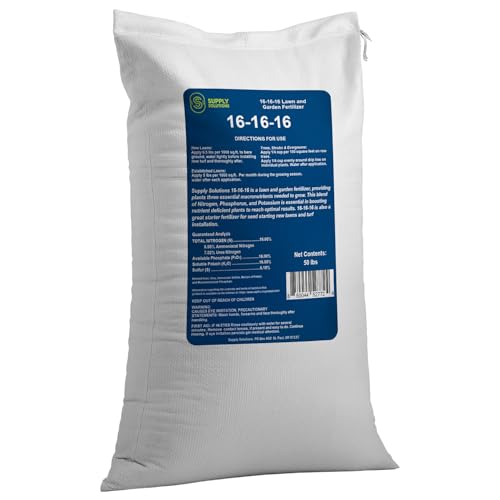
Supply Solutions 16-16-16 All Purpose Granular Fertilizer (50 lbs)

Supply Solutions 10-10-10 Granular Fertilizer with Micronutrients (50 lbs)

Supply Solutions Urea 46-0-0 Nitrogen Fertilizer (40 lbs)

Dr. Earth Life Organic All Purpose Fertilizer (4 lb)

Lawn Synergy Starter Fertilizer 15-20-10 (50 lbs)
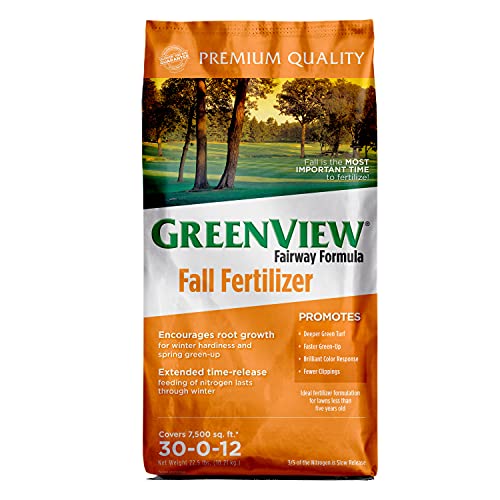
GreenView Fairway Formula Fall Lawn Fertilizer (22.5 lb)

Supply Solutions 21-0-0-24S Ammonium Sulfate (50 lbs)

GroSuccess PlantWonder Organic Liquid Concentrate (16 oz)

Jonathan Green Veri-Green Nitrogen Lawn Fertilizer (15,000 sq ft)
Inside Each Recommended Option
Mid-summer lawns have a way of going pale right when you want them most, and The Andersons Deep Green 24-0-11 is built specifically for that problem. The 24-0-11 analysis means a high nitrogen load balanced with a modest potassium kicker (potassium supports overall plant hardiness and root function) for stress tolerance, while a small dose of iron and manganese nudges chlorophyll production (chlorophyll is the pigment that makes grass blades green) toward a richer color.
The mix pairs quick-release and slow-release nitrogen, so you see a color shift within a week or two and the feeding extends up to eight weeks. Coverage runs up to 10,000 square feet from a single 40-pound bag, which suits medium to large yards without forcing a second purchase. Compared to the balanced 10-10-10 option further down this list, this one trades versatility for a more targeted turf-deepening effect.
Everyday Wins
- Iron and manganese deliver a noticeable color boost during hot months when turf typically fades
- Dual-release nitrogen feeds the lawn steadily for roughly two months, reducing repeat applications
- Works across all common turf types, so you don’t need a separate formula for different grass sections
- A 40-pound bag covers a substantial yard, making it practical for homeowners with mid-size lots
Worth Noting
- Iron content can stain concrete driveways and walkways if granules aren’t swept up quickly after spreading
- Higher nitrogen levels mean you should follow the bag rate carefully to avoid surge growth that demands more mowing
- Granular format requires a spreader for even application, which adds a small tool investment if you don’t already own one
Key Specs
Whose Yard It Belongs On
Homeowners with established warm- or cool-season turf who want a deeper green heading into mid-summer, especially on lawns that tend to yellow under heat stress.
Skip It When
The Dr. Earth Life Organic All Purpose Fertilizer makes more sense if you grow vegetables or want a certified organic approach across the entire landscape.
When your yard includes lawn, vegetable beds, fruit bushes, and flower borders, picking one bag for everything saves trips to the store. Supply Solutions 16-16-16 uses a triple-sixteen ratio, meaning equal percentages of nitrogen, phosphorus, and potassium, which works for leafy growth, bloom development, and root strength without favoring one over the other.
The 50-pound bag suits multi-zone properties where you want to broadcast the same product across grass, garden rows, and berry patches. Nitrogen drives photosynthesis and leaf development, phosphorus supports flower and fruit production, and potassium strengthens stems and stress response. Unlike the iron-loaded Andersons option above, this one skips the color-enhancement angle in favor of broader nutritional coverage.
Reasons It Performs
- Equal NPK ratio works across lawns, vegetables, fruits, and ornamentals without buying multiple products
- Large 50-pound bag covers a generous area, useful for properties with several distinct planting zones
- Granular format spreads easily with a standard broadcast spreader for consistent coverage
- Balanced nutrient profile reduces the risk of overloading any single nutrient when used as directed
Trade Offs
- Equal ratio means you may need a specialized product later for bloom-heavy or color-specific goals
- Higher nitrogen content than many garden-only blends, so heavy use near fruiting plants can encourage foliage over fruit
Made For
Rural property owners or hobby farmers who want one granular fertilizer to cover lawn, garden, and orchard without juggling separate bags for each zone.
A Better Fit Elsewhere
The Supply Solutions 21-0-0-24S Ammonium Sulfate is a smarter pick for acid-loving blueberries and azaleas that need sulfur-driven pH adjustment.
Gentle, year-round feeding is the pitch behind Supply Solutions 10-10-10, and the lower analysis makes it less likely to burn sensitive plants or push excessive top growth. The 10-10-10 split delivers modest amounts of nitrogen, phosphorus, and potassium, supported by five micronutrients (boron, manganese, copper, iron, and zinc) that correct common soil deficiencies in the same pass.
The Nutripaction granule design aims for low-dust handling and even breakdown, which helps the nutrients reach the root zone gradually. Compared to the more aggressive 16-16-16 above, this one trades intensity for steadiness, making it a reasonable choice when you don’t want to over-feed a young lawn or a bed of leafy greens. Depending on your soil test, application rates run between 10 and 40 pounds per acre.
Practical Advantages
- Lower 10-10-10 ratio reduces burn risk on tender seedlings and established ornamentals alike
- Five added micronutrients address trace deficiencies that straight NPK bags often miss
- Low-dust granules stay cleaner during pouring and spread more uniformly across the soil
- Granule density matches common bulk fertilizers, so it blends easily if you mix products for specific crops
Points To Consider
- Lower nutrient concentration means you’ll go through the bag faster on larger properties
- Micronutrient blend is general-purpose, not targeted to a specific deficiency diagnosis
Right Fit For
Homeowners who maintain mixed garden beds and small lawns and want a steady, low-impact feeding schedule that won’t stress young or sensitive plants.
Reach For A Different Pick When
The Jonathan Green Veri-Green is the stronger call for someone with a large turf area who wants a single slow-release feeding that lasts through the season.
Sometimes a lawn or garden bed needs straight nitrogen without the ballast of phosphorus or potassium, and Supply Solutions Urea 46-0-0 delivers that in concentrated form. The 46% urea nitrogen means a small amount goes a long way, which suits budget-minded homeowners and acreage owners looking to green up large turf sections without buying multiple smaller bags.
Urea supports protein synthesis and chlorophyll development in plants, both of which drive leaf expansion and rich color. This is a one-note product compared to the balanced blends above, so it works best as a supplement to existing soil programs rather than a standalone annual feed. For most home gardeners, you may find the concentrated formula requires careful measuring to avoid over-application.
Benefits That Matter
- High 46% nitrogen concentration reduces the total volume of product you need to handle and store
- Pure nitrogen source is versatile for boosting growth in lawns, ornamentals, and fruiting plants
- Granular form spreads uniformly through standard rotary spreaders
- Cost-effective for large properties where standard lawn blends would require multiple bags
Honest Caveats
- Lacks phosphorus and potassium, so it doesn’t address root development or stress tolerance on its own
- High concentration demands precise measurement; over-application can scorch grass blades quickly
Best Suited To
Experienced gardeners managing large turf or crop areas who already run a separate phosphorus and potassium program and need a focused nitrogen top-up.
Not Your Match When
The Dr. Earth Life Organic All Purpose Fertilizer is a better fit for first-time fertilizer users who want a forgiving, pre-balanced organic option.
Organic fertilizer shoppers often struggle with complicated application steps, but Dr. Earth Life skips the fuss with a pelletized format you can scatter by hand. The blend is hand-crafted from natural ingredients with no synthetic fillers or GMO-laden manure, and the slow-release profile feeds plants over several months rather than forcing a quick flush of growth.
The 4-pound bag is small by lawn standards, but that actually suits flower beds, herb gardens, and raised vegetable plots where you only need a few pounds at a time. Compared to the granular synthetic blends elsewhere in this list, this one trades speed and coverage for a gentler, soil-building approach. For most home cooks growing tomatoes and basil, that tradeoff makes sense.
The Helpful Details
- Pelletized format allows hand application without a spreader, ideal for tight garden beds
- Certified organic ingredients support soil biology rather than just feeding the plant directly
- Slow nutrient release continues feeding for several months, reducing reapplication frequency
- No synthetic chemicals, making it well-suited for vegetable gardens and herb plots
Points To Keep In Mind
- Small 4-pound bag covers limited area, impractical as a primary lawn fertilizer for mid-size yards
- Slower visible response compared to synthetic nitrogen sources like the Supply Solutions urea above
- Higher cost per pound than bulk synthetic options, though the organic certification justifies the premium for many shoppers
Key Specs
Who Will Love This
Edible garden growers, herb bed maintainers, and parents who want a certified organic option for areas where kids and pets play on the soil.
Swap It Out When
The Supply Solutions 16-16-16 handles larger properties more efficiently if you need to cover a full lawn plus multiple garden beds on a single bag.
New lawns have completely different nutrient needs than mature turf, and Lawn Synergy Starter Fertilizer 15-20-10 is built for that early-stage push. The high phosphorus content (the middle number in a fertilizer analysis) targets root development, which is exactly what seedlings and freshly laid sod need to anchor quickly. The added XCU slow-release nitrogen component feeds young grass without the burn risk that fast-release sources can cause.
Ammonium sulfate in the mix gives a quick green-up while the slow-release portion extends feeding over time. This product is purpose-built, meaning it shines during seeding, overseeding, and sod installation but doesn’t replace a maintenance fertilizer later in the season. Compared to the balanced 10-10-10 above, this one is a specialist tool for the establishment phase.
A Few Highlights
- High phosphorus ratio accelerates root development in new seed and freshly laid sod
- XCU slow-release nitrogen protects tender seedlings from chemical burn during germination
- Ammonium sulfate delivers a quick early green-up so you can see results within days
- Works for seeding, overseeding, and patch repair without buying a separate product for each
Where It May Fall Short
- Not formulated for ongoing lawn maintenance; you’ll need to switch to a balanced product after establishment
- High phosphorus may not be appropriate in regions with phosphorus application regulations, so check local rules
Perfect Match For
Homeowners installing new sod, overseeding thin patches, or starting a lawn from seed who want faster germination and stronger early root systems.
Where Another Pick Suits Better
The GreenView Fairway Formula Fall Lawn Fertilizer is the right call for established cool-season lawns that need autumn feeding rather than spring establishment.
Cool-season lawns do most of their root building in autumn, which is exactly when GreenView Fairway Formula is meant to shine. The proprietary nitrogen blend combines immediate-release and slow-release sources, so grass greens up quickly and continues feeding steadily through the cooler weeks when top growth slows but root activity continues.
The 22.5-pound bag is a mid-size option suited to typical suburban lots, and the formulation focuses on steady greening without the surge growth that spring fertilizers often trigger. This is a seasonal product, meaning it works best as part of a fall lawn-care routine rather than a year-round solution. You may find the smaller bag size means repeat purchases for properties over 5,000 square feet.
Why It Works Well
- Combined immediate and slow-release nitrogen supports root development through autumn without forcing top growth
- Fairway-grade formula is the same category used on golf courses, bringing professional-level feeding to home lawns
- Steady greening effect avoids the flush-then-fade cycle of fast-release-only products
- Designed specifically for pre-winter lawn prep, addressing the season most homeowners overlook
Softer Spots
- Seasonal use only, so it doesn’t replace a spring or summer fertilizer in your annual program
- Smaller bag size means more frequent repurchase for properties over half an acre
Feature Snapshot
Who Should Grab It
Homeowners with cool-season grass like fescue or Kentucky bluegrass who want a dedicated fall feeding to strengthen roots before winter dormancy.
Consider Something Else When
The Lawn Synergy Starter Fertilizer 15-20-10 is the smarter buy during spring seeding projects, when phosphorus-driven root development is the priority.
Acid-loving plants like blueberries, azaleas, camellias, and rhododendrons have very specific soil requirements, and Supply Solutions 21-0-0-24S delivers both nitrogen and sulfur in one pass. The 24% sulfur content (the number after the dash) works as a soil acidifier, gradually lowering pH (pH measures soil acidity or alkalinity on a 0–14 scale) in alkaline conditions, which helps these plants absorb the nutrients they need.
The 21% nitrogen component drives deep green foliage, and the sulfur helps release locked-up nutrients already in the soil. This is a specialty product, so it isn’t useful for general lawn feeding, but for an established berry patch or ornamental bed, it’s a focused solution. Compared to the broad 10-10-10 above, this one trades versatility for a specific soil-chemistry job.
What Stands Out
- Combined nitrogen and sulfur formula addresses both nutrition and soil pH in one application
- Tailored specifically for acid-loving species, which general lawn fertilizers often overlook
- Sulfur component gradually acidifies alkaline soils, improving long-term nutrient availability
- Granular format integrates with standard spreaders for easy application around shrubs and beds
Practical Considerations
- Not appropriate for general lawn use; the acidifying effect can harm turf grass if misapplied
- Soil pH testing is recommended before application to avoid over-acidifying already acidic beds
- Large 50-pound bag is more than most small ornamental gardens need in a single season
Right Fit For
Growers tending blueberry patches, azalea borders, or other acid-loving ornamentals in regions with alkaline soil conditions.
Look Elsewhere When
The Supply Solutions 10-10-10 with micronutrients is the better universal choice for mixed gardens that include non-acid-loving vegetables and flowers.
Liquid fertilizers fill a different role than granular products, and GroSuccess PlantWonder is built for fast, visible results. The concentrate derives from natural black peat rich in humic and fulvic acids (organic compounds that help plant roots absorb nutrients more efficiently), which feed soil biology and improve nutrient uptake in the same application.
Mixing five tablespoons per gallon of water gives you a ready-to-use solution for houseplants, container gardens, and small lawn patches. This is a small-format product, so it suits apartment dwellers and indoor gardeners more than acreage owners. Compared to the Dr. Earth organic pellets above, this liquid option offers faster visible response at the cost of more frequent application.
Practical Pluses
- Liquid format delivers visible color and growth improvement within days rather than weeks
- Humic and fulvic acids improve nutrient absorption, making the product work efficiently at low concentrations
- Compact 16-ounce bottle stores easily on a shelf and mixes multiple gallons of ready-to-use feed
- Works for indoor houseplants, outdoor containers, and small garden areas with a single product
Factors To Consider
- Liquid format requires mixing before each use, which adds a step granular products skip
- Small bottle size is impractical for full-lawn applications beyond spot treatments
- More frequent reapplication needed compared to slow-release granular options
Who It Suits Best
Apartment dwellers, houseplant enthusiasts, and small-space gardeners who want a fast-acting organic feed they can mix on demand.
Another Choice May Suit
The Dr. Earth Life Organic pellets are the better pick for raised garden beds where you want a set-and-forget feeding schedule over several months.
Sprawling suburban lawns need a single bag that goes the distance, and Jonathan Green Veri-Green covers up to 15,000 square feet from one container. The 29-0-3 analysis means a heavy nitrogen load with a touch of potassium, paired with iron for deep color and improved drought tolerance. The slow-release nitrogen component delivers consistent feeding for up to three months.
Excess nitrogen runoff is a real concern in many regions, and the slow-release profile helps keep nutrients in the root zone longer. Compared to the Andersons Deep Green above, this one is built for scale rather than peak summer color intensity. Depending on your soil test, you may find the high nitrogen content more than your established lawn needs in a single pass.
Everyday Perks
- Single bag covers up to 15,000 square feet, reducing trips to the store for larger properties
- Three-month slow-release feeding minimizes reapplication frequency during the growing season
- Added iron supports deep green color and improved drought tolerance in established turf
- High nitrogen load suits lawns that need aggressive recovery after summer stress or heavy use
Some Limits To Know
- High nitrogen concentration requires careful rate calculation to avoid surge growth and extra mowing
- Single-nutrient focus means it doesn’t address phosphorus or potassium needs if your soil test shows deficiencies
Quick Facts
Built With In Mind
Homeowners with large established lawns who want one application per season and prefer to minimize the number of times they haul a spreader around the yard.
Not Your Match When
The Lawn Synergy 15-20-10 starter is a smarter choice during spring seeding projects, where phosphorus-driven root development is more important than nitrogen volume.
What Matters Most Before Choosing a Lawn Fertilizer
Matching the analysis to your goal is the first step. The three numbers on a fertilizer bag represent nitrogen, phosphorus, and potassium, and they serve very different purposes in plant health. High-nitrogen products (the first number dominates) push leafy top growth and deep color, which is what most lawn owners want during the active growing season. Higher phosphorus ratios support root development, making them ideal for new seed and sod. Balanced ratios like 10-10-10 work well for general maintenance, and specialty products with added sulfur address specific soil pH issues for acid-loving plants.
Soil testing is worth the small investment before you commit to a product. A basic home test kit reveals pH and major nutrient levels, which prevents over-application and helps you pick a fertilizer that fills actual gaps rather than guessing. Granular products suit large areas because they spread quickly with a broadcast spreader, while liquid concentrates work better for spot treatments, containers, and indoor use. Organic options like Dr. Earth feed the soil biology over time rather than forcing a quick growth response, which fits gardeners who prioritize long-term soil health.
Consider the season and grass type before you buy. Cool-season grasses like fescue and bluegrass respond well to fall feeding, while warm-season grasses like Bermuda and zoysia prefer summer applications. New lawns need starter formulas with higher phosphorus, and established lawns typically do better with nitrogen-focused maintenance products. Pet owners and households with small children may prefer organic options that don’t introduce synthetic chemicals into play areas.
Key Considerations Across These Picks
Where Shoppers Go Wrong
Overapplying nitrogen is the most common mistake, and the consequences show up fast as scorched grass tips and thatch buildup. Always follow the bag’s recommended spreader setting, and remember that more is not better. Skipping a soil test leads to nutrient imbalances, especially when phosphorus is already adequate and you keep adding more. Buying a starter fertilizer for an established lawn wastes the phosphorus investment and can contribute to runoff concerns.
Where The Extra Money Goes
Premium organic fertilizers cost more per pound because of the certification process, the slower nutrient release, and the inclusion of soil-building biology like beneficial microbes. The tradeoff shows up in long-term soil structure, not just immediate plant response. Specialty products with added sulfur or micronutrients address specific deficiencies that general blends miss, which justifies the higher price for gardeners dealing with known soil issues. Higher coverage bags like the Jonathan Green Veri-Green command a premium for the convenience of fewer applications across large properties.
Frequently Asked Questions
How often should I fertilize my lawn?
Most established lawns do well with two to four feedings per year, timed around active growth periods for your grass type. Over-applying leads to surge growth and thatch problems.
Is organic fertilizer better than synthetic?
Organic options feed soil biology and release nutrients slowly, which suits long-term soil health. Synthetic products deliver faster visible results and often cost less per pound, making them practical for large turf areas.
Can I use lawn fertilizer on my vegetable garden?
General lawn fertilizers typically have high nitrogen and low phosphorus, which is backward for vegetable production. Garden-specific or balanced blends like a 10-10-10 work better for mixed edible beds.
When is the best time to apply fall fertilizer?
Cool-season grasses benefit most from fall feeding between early September and mid-November, when roots are active but top growth has slowed. Apply while grass is still green and soil temperatures remain above 40°F.
Do I need a soil test before choosing a fertilizer?
A basic soil test prevents wasted spending on nutrients your soil already has. It’s especially helpful if your lawn has persistent problems that don’t respond to standard feeding.
Closing Remarks
The right fertilizer depends less on brand names and more on matching the analysis to your soil, your grass type, and the season ahead. Start with a basic soil test, pick a product that addresses what your lawn actually needs, and resist the urge to over-apply. Your turf, and the groundwater below it, will thank you.