Cold offices kill focus. The right space heater keeps drafts at bay without forcing coworkers to talk over a fan, which is why low-noise ceramic and oil-filled designs dominate shared workspaces. This roundup narrows ten solid indoor heaters down to the ones that warm a desk zone quietly, run safely through long meetings, and stay portable enough to move between rooms.
The Lineup, Simplified
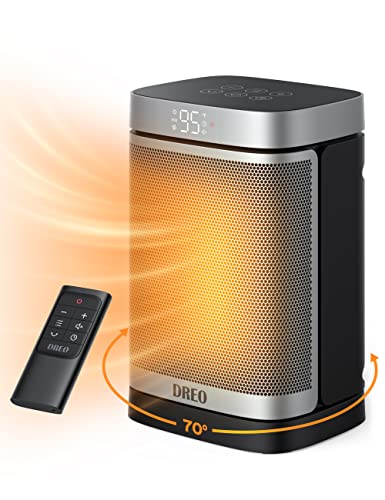
DREO Space Heater, Portable Electric Heater with Thermostat

DREO Quiet Space Heater, 1500W Portable Heater with Remote

DREO Space Heater 2026 Upgraded, 34dB Quiet, 1500W PTC Ceramic

DREO Space Heater Large Room, 120° Oscillation, 30″ with Remote
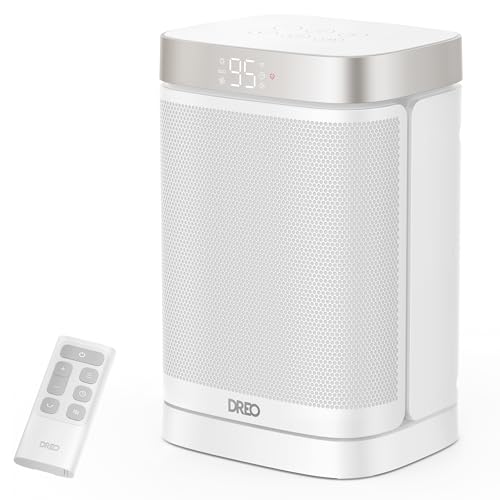
DREO Atom One Space Heater with Remote, 70° Oscillating, 1500W PTC
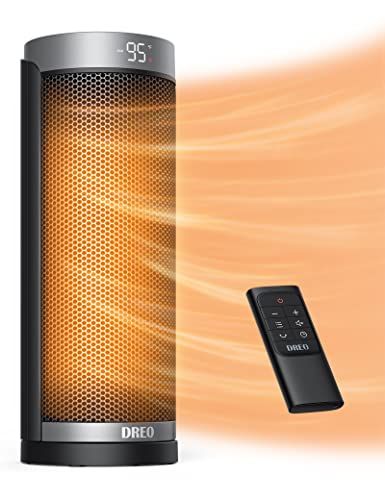
DREO 1500W Electric Space Heater with Remote, 16 Inch

Windmill Space Heater for Indoor Use, Portable Electric Heater

DREO 1500W Electric Heater with Thermostat, ECO Mode, 70° Oscillation

DREO 25 Inch Electric Space Heater, Large Room, Thermostat

DREO Radiator Heater, Quiet Electric Heater for Large Room
A Breakdown Of The Leading Choices
The original DREO Atom One is the kind of portable heater that quietly slots into the corner of a small home office and stays useful through four seasons. Its 1500W PTC (positive temperature coefficient, meaning the ceramic element self-regulates heat output and cools quickly when airflow drops) ceramic core ramps warmth fast, and the integrated thermostat keeps the room from yo-yoing between hot and cool. Compared to the larger tower models later in this lineup, this one wins on portability more than raw reach.
You get a remote, a digital readout, and a built-in timer that helps when you forget to shut the heater off before a meeting. For most single-user workspaces under about 200 square feet, it covers the desk zone without much fuss.
A Few Strong Suits
- PTC ceramic heating warms a personal zone within seconds, which matters during a chilly morning standup.
- Thermostat auto-regulation prevents the hot-and-cold cycling that wastes electricity.
- Compact body fits beside a filing cabinet or under a side table.
- Remote and 12-hour timer cover most workday schedules out of the box.
Trade Offs
- The fan is not the absolute quietest in this category, so very call-heavy workflows may want a different pick.
- Reach is shorter than the tall tower models, leaving far corners cooler.
Right Fit For
Solo remote workers warming a single office nook under roughly 200 square feet benefit most from this heater’s footprint and thermostat logic.
Consider Something Else When
The DREO Quiet Space Heater (Pick 2) suits shared cubicles better, since its low-noise profile keeps phone and video calls free of fan interference.
This 319-series DREO leans hard into the quiet-office angle, and for most people running back-to-back video calls that is the whole ballgame. The Hyperamics 1500W system pushes heat farther than the original Atom One, so a single unit can cover an open cubicle instead of just a personal desk bubble. You keep the same remote-and-thermostat baseline that DREO is known for, plus oscillation that helps when the heater sits beside a monitor rather than in front of your legs.
The trade-off shows up in price and footprint: this is a larger, slightly heavier unit than Pick 1, so it wants a more permanent spot rather than daily shuttling between rooms.
Well-Handled Touches
- Tuned fan profile keeps the running hum low enough to disappear under a Zoom conversation.
- Extended heat reach covers wider desk layouts without needing a second unit.
- Remote and digital controls feel intuitive, so adjustments don’t interrupt meetings.
- Carry handle helps when repositioning between a desk and a conference room.
Worth Noting
- Heavier than the original Atom One, so it suits a semi-permanent spot more than a daily carry.
- Higher output also means it pulls more power on the highest setting, something to watch on shared circuits.
Feature Snapshot
Whose Shelf It Belongs On
Open-office workers and anyone whose day is heavy on video calls will appreciate the low fan noise most.
Reach For A Different Pick When
The DREO Space Heater Large Room (Pick 4) makes more sense for genuinely big shared spaces, where 120° oscillation replaces a single fixed beam.
The 2026 Upgraded DREO is the one to watch if your office doubles as a recording space or a tutoring room. The headline number is 34dB, which lands firmly in the quiet-office category and stays polite even on the higher heat modes. DREO’s heat funnel design also pushes warmth forward more efficiently than the older Atom One, so the unit doesn’t need to scream just to feel effective.
Five operating modes give you more control than most budget picks, and the 12-hour timer covers a full work shift without babysitting. For anyone whose home office borders a shared wall, this version strikes a nice balance between noise discipline and raw heat output.
Practical Pluses
- 34dB operating ceiling keeps the heater in the background during live sessions.
- Five-mode controls let you match output to room size rather than cycling on and off.
- Upgraded heat funnel design improves forward throw without raising fan speed.
- Tilt-detection sensor adds a safety layer near a curious pet or a leaning chair.
- Gold finish stands out visually, which can be a plus in a styled office.
Room For Improvement
- The upgraded internals come at a higher price than the baseline Atom One, so budget shoppers may pass.
- Compact body still struggles to heat a wide, open-plan loft from one corner.
Who It Suits Best
Remote workers, tutors, and streamers running frequent on-camera sessions benefit most from the explicit quiet-mode tuning.
Skip It When
The Windmill Space Heater (Pick 7) is the smarter pick for design-led studios that want a quieter aesthetic alongside lower fan noise.
Where most DREO heaters sit happily next to a desk, the 30-inch tower version is built for the room itself. A 308mm PTC element pairs with 120° oscillation to move heat across genuinely large zones, and the four oscillation presets (30, 60, 90, and 120 degrees) let you tune the throw to your furniture layout. The taller body also keeps the heat plume above chair height, which is a small but real comfort upgrade in drafty older buildings.
You give up some of the compact charm of the original Atom One, but you gain a heater that can stand in for central air in a small studio apartment or a converted office in the back of a warehouse.
Where It Excels
- 120° oscillation covers a wide arc without manually rotating the unit.
- Larger 308mm PTC element ramps warmth faster than the smaller DREO models.
- 30-inch tower design pushes heat above seating level, useful in drafty rooms.
- Four oscillation presets let you match the spread to the room’s footprint.
Points To Note
- The tower body takes up more floor space than a tabletop unit, so small offices feel crowded.
- Higher air volume means a slightly louder fan on the top setting than the smaller 34dB-tuned model.
Technical Sheet
Who Should Grab It
Open-plan offices, converted loft workspaces, and anyone heating a single large room rather than a desk bubble benefit most from this tower.
Look Elsewhere When
The DREO 25 Inch Electric Space Heater (Pick 9) is a more office-friendly compromise if you want tower reach without the full 30-inch footprint.
The Atom One is the original DREO portable, and it remains a smart pick for anyone short on floor space. The compact body still wraps a 1500W PTC ceramic system with 70° oscillation, which is plenty for a personal office cubicle or a small study nook. The redesigned airflow path keeps noise low enough to disappear under most work conversations, even if it does not advertise an explicit decibel rating like the 2026 Upgraded model.
For most people, this is the everyday workhorse: easy to move, easy to set, and dependable across long stretches of background heat.
What It Does Well
- Compact footprint fits beside a desk leg or under a side table.
- 70° oscillation spreads heat across a personal zone without manual adjustment.
- 12-hour timer covers a full workday unattended.
- Tip-over and overheat protection offer peace of mind in shared spaces.
Honest Caveats
- Lower output ceiling than the larger tower models, so it loses steam in wide rooms.
- No explicit decibel rating, so ultra-quiet shoppers may want the 34dB-tuned model instead.
Best Suited To
Solo workers in tight home offices under about 200 square feet get the most out of this Atom One’s balance of size and heat.
Another Choice May Suit
The DREO 1500W Electric Space Heater with Remote (Pick 6) is a stronger fit for taller-ceilinged bedroom offices where angled airflow matters more than footprint.
The 16-inch DREO leans into DREO’s ObliqueAirflow system, which angles the output upward and outward instead of straight ahead. That shape matters in bedroom offices where the heater sits low on a dresser or at the foot of a bed, since the angled throw avoids blasting warm air into your shins. The 1500W ceramic core still ramps fast, and the V-0 rated (a flammability standard meaning the casing self-extinguishes within 10 seconds) housing gives you an extra safety margin around fabrics and bedding.
The trade-off is footprint: it is wider than the Atom One, so it wants a more permanent corner rather than a daily carry between rooms.
The Good Stuff
- ObliqueAirflow directs heat upward, ideal for low furniture placements.
- V-0 rated housing holds up well near curtains and bedding.
- Built-in tip-over and overheat shutoff offer confidence during long unattended runs.
- Remote control keeps adjustments at chair level.
Possible Compromises
- Wider chassis than the Atom One, so tighter desks may feel crowded.
- No specific decibel rating published, so ultra-quiet-focused shoppers may compare alternatives.
Who Will Love This
Homeowners running a combined bedroom-and-office space appreciate the angled throw that warms the whole bed area without aiming at your face.
Swap It Out When
The DREO Radiator Heater (Pick 10) is the better fit for all-day silent heating, since oil-filled designs run with virtually no fan at all.
The Windmill breaks the streak of DREO models in this lineup, and it earns its place on aesthetics and acoustic discipline. The dual-ring brushless DC motor (a fan design with no physical brushes, which reduces mechanical noise and wear) drops operation as low as 20dB, which lands below a quiet library and is genuinely hard to hear across a room. The chassis looks more like a piece of mid-century audio gear than a heater, which matters in styled home offices where a black plastic tower would clash.
Ceramic+ precision heating pairs with 70° oscillation to even out cold spots, and three heating modes cover most seasonal shifts. The honest read is that you pay a little more for the look and the motor, but for design-led studios that is the trade most shoppers are happy to make.
A Favorable Mix
- 20dB minimum operation disappears under background conversation.
- Distinctive industrial aesthetic suits design-conscious offices.
- Three heating modes cover low, medium, and full-power scenarios.
- 70° oscillation reduces hot-and-cold zones across the room.
Soft Spots
- Premium pricing reflects the design and motor, which may push budget shoppers toward the DREO options.
- Less mainstream in the accessories market than the DREO lineup, so replacement parts and add-ons can be scarcer.
Made For
Designers, architects, and anyone running a styled home office where the heater has to look the part will appreciate the Windmill’s build.
Not Your Match When
The DREO Space Heater 2026 Upgraded (Pick 3) is the smarter pick for shoppers who want a published decibel rating and broader feature controls at a lower price.
This DREO leans into the “set it and forget it” use case. ECO mode (a thermostat-driven low-power setting that throttles output once the room hits your target temperature) trims wattage once the room hits your target, and the 12-hour timer plus 24-hour auto shutoff give you backup layers in case you forget about it on a long day. The 70° oscillation is a smaller arc than the 30-inch tower, but in a personal office that spread feels intentional rather than wasteful.
The V-0 flame-retardant (a material grade that resists ignition and self-extinguishes) housing and 6-foot flat power cord are small touches that matter in real offices, where outlets rarely sit where you want them and a stiff cord can walk the heater across the floor.
Useful Highlights
- ECO mode reduces wattage once target temperature is hit, useful on shared circuits.
- 24-hour auto shutoff covers forgetful mornings and late nights.
- 6-foot flat power cord tucks under rugs and along baseboards.
- V-0 flame-retardant materials add a safety buffer in wood-paneled offices.
A Few Limitations
- Safety guidance warns against using extension cords, so placement depends on outlet proximity.
- Smaller oscillation arc than the 30-inch tower, so very wide rooms feel under-served.
Perfect Match For
Energy-conscious office workers and anyone who tends to leave the heater running through a long shift will benefit from the ECO logic and auto shutoff.
Where Another Pick Suits Better
The DREO 25 Inch Electric Space Heater (Pick 9) is a stronger fit for tall-ceiling studios that need more vertical reach than this model offers.
The 25-inch tower hits a sweet spot between the compact Atom One and the full-height 30-inch model. Hyperamics thermal design claims an 11.5 ft/s heat velocity, which translates to warmth that actually reaches the far side of a studio office without making the fan work harder. The extended impeller (the rotating fan blade that pushes air out of the unit) doubles the heat range, and the redesigned airflow path drops operating noise to as low as 25dB.
For most home offices with standard 8- to 9-foot ceilings, this is the tower to consider first. The 30-inch model is overkill unless you genuinely have warehouse-scale ceilings.
Advantages To Know
- 25dB minimum operation stays below most background office noise.
- 11.5 ft/s heat velocity reaches farther than compact ceramic designs.
- 25-inch height fits comfortably beside a desk without dominating the room.
- Extended impeller widens the heat plume for even coverage.
Trade-Offs To Consider
- Tower form factor still takes more floor space than a tabletop unit.
- Premium pricing reflects the upgraded internals, so casual users may not need this level of reach.
Feature Rundown
Right Fit For
Home studio owners and anyone working in rooms with standard ceilings who still want full-room coverage will appreciate the balance here.
A Better Fit Elsewhere
The DREO Radiator Heater (Pick 10) suits all-day heating better, since oil-filled designs run silently without any fan at all.
The radiator closes the list because it solves a different problem than the rest. There is no fan here: heat comes from oil circulating through seven fins, which means true silence once the unit warms up. The trade-off is heat-up time, since oil takes longer to reach full temperature, but in return you get steady, even warmth that holds for a long time after the heater cycles off.
For offices where a constant fan hum would be a dealbreaker, or for anyone running the heater through an entire work shift, the radiator design is the most peaceful option in this lineup.
What Helps Most
- Oil-filled design runs without a fan, eliminating background noise entirely.
- Seven fins spread heat across a wide footprint.
- Retains warmth well after the thermostat cycles off, stretching the watt-hour per degree.
- Triple overheat protection and fire-resistant materials add long-term confidence.
Things To Weigh
- Heavier and slower to warm up than ceramic fan models, so the first hour feels patient.
- Lower surface temperature means you may want to keep it running longer to feel the same punchy warmth as a ceramic unit.
Quick Facts
Who It Suits Best
Workers who need genuinely silent background heat for hours at a time, especially in recording or therapy offices, will value the fan-free design most.
Look Elsewhere When
The Windmill Space Heater (Pick 7) is the better match for design-led offices that want a quieter fan rather than a no-fan solution, with a more contemporary look.
What Matters Most Before Choosing an Office Space Heater
Noise Floor and How It Affects Focus
Decibel ratings matter more in a quiet office than raw wattage. Anything at or below 35dB tends to vanish under a normal conversation, while 40dB and up starts to compete with softer voices. If your workdays involve frequent calls, prioritize published dB numbers or oil-filled designs over peak output claims.
Coverage Area and Oscillation
Match the heater to the room, not the other way around. Compact ceramics suit personal desk zones, while tower models with 70° to 120° oscillation handle shared spaces. Ceiling height also changes the math: anything over nine feet usually wants a taller tower or an oil-filled radiator for better vertical circulation.
Safety Features for Long Unattended Runs
Tip-over sensors, overheat shutoff, and V-0 rated housings are the baseline. V-0 means the plastic self-extinguishes within 10 seconds of flame contact, which matters in offices with curtains, paper stacks, or upholstered furniture nearby. A 12-hour timer and auto shutoff layer in peace of mind for the forgetful mornings.
Portability Versus Permanent Placement
Compact Atom One-style units shuttle easily between rooms, while tower and radiator designs want a more permanent corner. Decide whether you need a daily carry or a fixed installation before choosing a footprint, since that single choice rules out half the list.
Key Considerations Across These Picks
Where Shoppers Go Wrong
Most regrets in this category come from chasing wattage without checking the room size. A 1500W ceramic in a drafty 400-square-foot loft will run constantly and still leave you cold, while the same heater in a small office is more than enough. The honest move is to measure the room first and pick a heater whose coverage matches.
Extension cords are another common slip. Several DREO models explicitly warn against extension-cord use, and overloading a thin cord with a 1500W draw is a real fire risk. Plan placement around existing outlets before you fall in love with a specific unit.
When Paying More Pays Off
The premium tier in this category buys quieter fans, taller towers, and better materials. A 25dB floor or an oil-filled radiator is genuinely transformative in a call-heavy office, and that translates to fewer interruptions and longer comfortable sessions. If your work depends on a quiet room, the upgrade is easy to justify; if you only need background warmth for short bursts, the value picks deliver enough.
Frequently Asked Questions
What decibel level is considered quiet for an office space heater?
Anything at or below 35dB tends to disappear under normal office conversation. Models around 25dB run quieter than most laptop fans, while oil-filled radiators produce effectively no fan noise at all.
Can a space heater heat a full office, or just a desk zone?
Compact ceramics handle personal desk zones reliably. Tower models with 70° to 120° oscillation and taller bodies can heat small to mid-sized offices from a corner, while large rooms over 300 square feet usually want a heavy-duty tower or an oil-filled radiator.
Are ceramic heaters safer than oil-filled radiators?
Both are safe when used as intended. Ceramic heaters cool down quickly and often include tip-over and overheat shutoff. Oil-filled radiators retain heat longer and run with no fan, which reduces moving parts. Pick based on room use rather than one being inherently safer.
How much power does a 1500W heater draw on a standard outlet?
A 1500W heater draws about 12.5 amps on a 120V circuit, which is near the limit of a typical 15-amp outlet. Avoid pairing one with other high-draw devices on the same circuit, and skip extension cords to keep the wiring safe.
Do space heaters with thermostats actually save energy?
Yes, a thermostat-driven heater cycles down once the room hits your target temperature, which reduces wasted wattage. ECO mode goes a step further by throttling output to maintain rather than chase the target, which helps in offices that run the heater for hours.
Wrap Up
Quiet office warmth is more about matching the heater to your room and your noise tolerance than chasing the loudest specs. The 34dB DREO Upgraded and the Windmill lead the way for call-heavy work, the radiator closes the door on fan noise entirely, and the Atom One and ECO DREO still cover the basics for tighter budgets. Pick the one that fits your space, plug it into a real outlet, and your winter workday gets a lot easier.