Picking the right oil for a snow blower feels small until the first zero-degree morning, when a sluggish pull-cord tells you the lubricant wasn’t quite right. Most home machines are either 4-stroke engines that live in their own oil sump or 2-stroke units that burn oil mixed into the fuel, and that split drives everything below. Cold-flow viscosity, additive chemistry, and whether the bottle matches the brand sitting in your garage all matter more than flashy marketing. This list rounds up the most useful motor oils and small-engine formulas worth keeping on the shelf, whether you store the blower in an unheated shed or run it through several storms a season.
The Shortlist At A Glance

Honda 5W-30 Motor Oil, 1 Quart (Model 08207-5W30)

Briggs & Stratton SAE 5W-30 4-Cycle Oil (32 oz, Pack of 2)

STP Premium Synthetic Blend 4 Cycle SAE 10W-30, 32 fl oz

Castrol GTX High Mileage 5W-20 Synthetic Blend, 5 Quarts
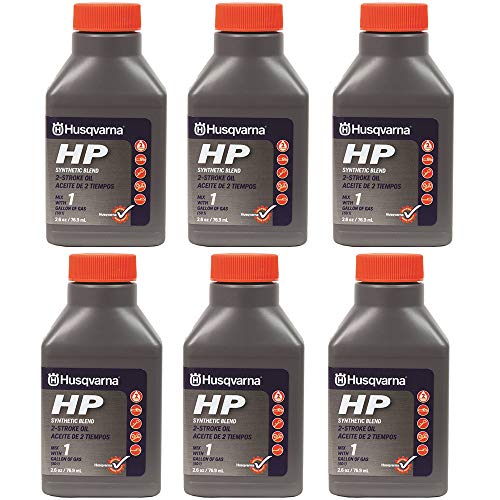
Husqvarna HP Synth 2-Cycle Oil, 2.6 oz (6 Pack)

Lucas Oil 10058 Semi-Synthetic 2-Cycle Oil, 2.6 oz (Pack of 3)

Valvoline Extended Protection Full Synthetic 5W-30, 5 Quart

John Deere Turf-Gard SAE 10W-30, 2 Quarts (TY22029)

STP Premium Small Engine 4 Cycle SAE-30 Oil, 32 oz
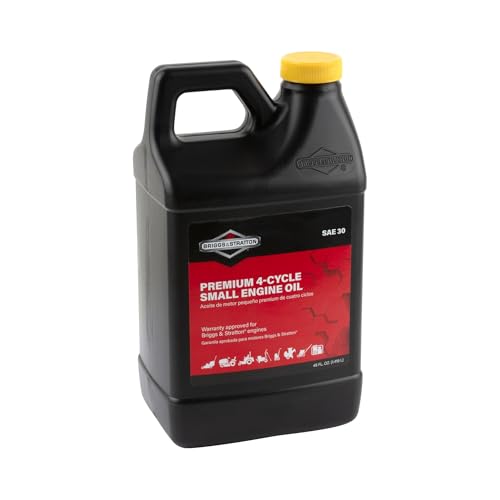
Briggs & Stratton 100028 SAE 30 Engine Oil, 48 oz
What Each Pick Brings To The Table
Honda’s own 5W-30 is blended specifically for the company’s 4-stroke power equipment, including snow blowers. The lower “5W” rating (where the W stands for winter) keeps the oil thin enough to flow into critical bearing surfaces on cold mornings, which is precisely the moment a typical 10W-30 starts to feel sluggish in the crankcase.
One quart is the right call for a single Honda snow blower top-off or a small seasonal change. If you keep the machine in an unheated garage through January, this OEM choice is the safest pairing with the engine’s warranty and service interval.
What Makes Sense
- OEM Honda formulation matched to 4-stroke power equipment
- 5W cold rating flows quickly during sub-freezing starts
- One-quart size fits a single blower service interval
- Supports the engine’s recommended viscosity spec in colder weather
Things To Consider
- A single quart may run short if you service multiple engines in one session
- Honda-specific chemistry offers no advantage in non-Honda equipment
Key Product Details
Whose Shed It Belongs In
Honda snow blower owners who want a manufacturer-matched oil and store the machine in an unheated space.
Where Another Pick Suits Better
The Briggs & Stratton SAE 5W-30 is the better match for non-Honda 4-stroke small engines that still need a 5W cold rating.
This is a 100% synthetic 4-cycle oil built for the higher heat and quick-revving nature of air-cooled small engines. Where Honda’s bottle is brand-locked, the Briggs & Stratton formula is the more generalist cold-weather play, working across a range of snow blower makes that accept 5W-30.
Two 32-ounce bottles give you roughly a gallon total, which covers one full service on a small engine and leaves some left for a top-up later. For most driveways and a 20-foot walkway’s worth of clearing, that’s typically the entire season in one purchase.
Bright Spots
- Full-synthetic blend protects against cold-start wear
- Two-bottle pack covers a full service with oil to spare
- Engineered specifically for air-cooled 4-cycle outdoor power equipment
Trade Offs
- Not the right choice for 2-stroke engines that need a fuel-mix oil
- Two-quart total may be more than a single-blower owner needs
Who Should Grab It
Shoppers running a Briggs & Stratton 4-stroke blower, or any small engine that calls for 5W-30, in regions with long sub-freezing stretches.
Look Elsewhere When
Honda owners should reach for the Honda 5W-30 instead, since OEM chemistry is a better match for that engine family.
STP’s synthetic-blend 10W-30 is the workhorse viscosity a lot of small engines ship with from the factory, which makes it a comfortable choice for snow blowers, generators, and lawn tractors alike. The 10W rating still gets oil moving on a cold start, though not quite as quickly as a dedicated 5W formula.
One 32-ounce bottle handles most single-blower service intervals without much leftover. The real value shows up in shared use, since the same bottle covers your snow blower in January and the lawn mower when spring arrives.
Notable Gains
- 10W-30 covers the most common small-engine viscosity requirement
- Synthetic blend balances cold-flow and high-temp film strength
- One bottle services most single-engine applications
- Works across snow blowers, mowers, and generators in one garage
Small Caveats
- 10W cold flow is slower than a true 5W in deep-cold regions
- Not rated for 2-stroke engines that need a mix oil
Feature Snapshot
Right Fit For
Households with a snow blower, a mower, and a generator who want one shared 4-cycle oil for the lot.
Swap It Out When
Anyone facing overnight temperatures well below zero will get faster cold starts from the Honda 5W-30 or the Briggs & Stratton 5W-30.
Castrol GTX High Mileage is built for engines that have already racked up significant use, with extra seal conditioners and a stronger dispersant (an additive that holds contaminants in suspension so they don’t settle on parts) package. For an older snow blower that’s left black streaks on the driveway, that chemistry can help slow further leaks and keep varnish from forming on internal parts.
The 5W-20 weight is thinner than a 10W-30, which is a benefit in cold weather but only when the engine manufacturer actually specs that grade. Most small engines do not, so this is really a niche pick for the rare blower that calls for 5W-20 in its manual.
Useful Highlights
- Seal conditioners help older engines hold oil instead of dripping
- Strong dispersancy fights sludge in tired engines
- 5W-20 cold flow helps engines that spec lighter weights
Honest Caveats
- 5W-20 is not the recommended weight for most snow blowers
- 5-quart jug is more oil than a single small engine needs
Best Suited To
Owners of higher-hour blowers that the manufacturer specifically calls for 5W-20, and who want the seal-conditioning chemistry on top.
Reach For A Different Pick When
Anyone with a typical small engine that calls for 10W-30 or 5W-30 should default to the STP synthetic blend or the Honda OEM oil instead.
Two-stroke snow blowers don’t have a separate oil sump; the engine relies on oil mixed into the gasoline to lubricate the crank and cylinder. Husqvarna’s HP Synth 2-Cycle oil is the factory-recommended replacement for the older Low Smoke SKU, which means it carries the additive package the engine was engineered around.
Six 2.6-ounce bottles cover many small tanks of mixed fuel, and the small individual sizes stay sealed until you crack one open, which matters because 2-stroke mix can attract moisture in a half-used jug.
What It Does Well
- OEM Husqvarna formulation matched to factory 2-stroke engines
- Small bottle format keeps unused portions sealed and fresh
- Low-smoke chemistry suited to handheld and walk-behind 2-strokes
Points To Note
- Only fits 2-stroke engines, not 4-stroke snow blowers
- Six-pack quantity may exceed a single-blower season
Made For
Husqvarna 2-stroke snow blower owners who want factory-spec mix oil without hunting for the older Low Smoke replacement.
A Better Fit Elsewhere
Anyone running a non-Husqvarna 2-stroke should compare the Lucas Oil semi-synthetic, which handles a wider range of mix ratios.
Lucas Oil’s semi-synthetic 2-cycle oil covers mix ratios up to 50:1, which is the broad end of what 2-stroke snow blowers typically ask for. That flexibility makes it a smart pick for households running more than one 2-stroke machine, or for anyone borrowing a different blower mid-season.
Three 2.6-ounce bottles cover a stack of mixed-fuel cans, and the semi-synthetic base is known for clean-burning characteristics. Common owner feedback suggests less filter clogging and longer ring life compared to cheaper mineral-only mix oils.
Useful Strengths
- Mixes cleanly across ratios up to 50:1
- Semi-synthetic base resists carbon buildup in small 2-strokes
- Small-bottle format reduces moisture contamination between uses
Possible Compromises
- Not rated for 4-cycle engines with a separate oil sump
- Three-bottle pack may run short for a full season of heavy 2-stroke use
Quick Facts
Who Will Love This
Owners of multiple 2-stroke tools who want one oil that works regardless of which engine specs they read first.
Skip It When
A Husqvarna-specific 2-stroke owner is better served by the Husqvarna HP Synth bottle, which carries the OEM chemistry.
Valvoline’s Extended Protection line is a true full synthetic, which means a more uniform molecular structure and stronger film under heat than a synthetic blend. For a hard-working 4-stroke blower that gets pulled out every storm, that extra margin shows up as longer drain intervals and more stable viscosity during long clearing sessions.
The 5W-30 cold rating covers the snowy end of the season, and a 5-quart jug handles several service intervals. Most snow blowers only need a small fraction of that jug, so the leftover can flow into a generator or a car in the same driveway.
The Case For It
- Full synthetic holds viscosity at operating temperature
- 5W cold flow supports easier sub-freezing starts
- 5-quart volume works across both engine and household equipment
- Stronger wear protection than conventional or blend options
Less-Strong Areas
- Premium chemistry costs more per quart than the small-engine specialists
- 5-quart jug is much larger than a single blower requires
Perfect Match For
Snow blowers, generators, and vehicles in the same household, where one premium jug covers multiple machines across winter and beyond.
Where A Sibling Pick Shines
The Briggs & Stratton SAE 5W-30 is a more focused small-engine pick if you only need cold-flow oil for one blower.
John Deere’s Turf-Gard is the factory oil for the brand’s lawn and utility equipment, sold here in a two-quart twin pack. It’s a conventional 10W-30 with the additive package Deere specifies for its 4-cycle engines, including ride-on tractors and walk-behind blowers that share the same fluid spec.
Two 32-ounce bottles give you the room to service a blower and top off a riding mower in the same session. It only works for gas engines, so diesel equipment on the property still needs its own oil.
Benefits That Matter
- Genuine John Deere OEM oil matched to factory specs
- 10W-30 covers Deere’s typical 4-cycle viscosity requirement
- Two-quart pack handles a blower plus a mower top-off
Things To Weigh
- Conventional base, not a synthetic blend, so cold-flow is slower than 5W oils
- Only rated for gas 4-cycle engines, not diesel or 2-stroke units
Built With In Mind
John Deere equipment owners who prefer factory-branded oil and own more than one Deere machine on the property.
Not Your Match When
Anyone facing sub-zero overnight cold will get easier starts from a 5W-30 like the Honda or Briggs & Stratton option above.
SAE-30 is a single-weight oil, which means it doesn’t carry a cold-flow rating at all. For snow blowers that ship from the factory with SAE-30 spec, that’s exactly the right call, and STP’s small-engine formula adds anti-wear additives plus a corrosion inhibitor to protect stored equipment.
One 32-ounce bottle covers a typical small-engine change at a price that won’t make you flinch. The honest read is that this is a fair-weather oil: below freezing, it thickens up enough to make starting noticeably harder.
Practical Pluses
- SAE-30 matches factory spec for many small engines
- Includes corrosion inhibitor for off-season storage
- Affordable single-bottle size for budget-focused shoppers
Where It May Fall Short
- Thickens quickly below 20F, making cold starts harder
- Not a multi-weight oil, so it doesn’t help year-round equipment
Who It Suits Best
Owners of older single-weight snow blowers in mild-winter regions, and anyone topping up an engine that already runs SAE-30.
Consider Something Else When
Anyone in a deep-cold climate is better served by the STP 10W-30 above, which moves more freely in sub-freezing conditions.
For engines that need SAE-30 and a household that runs several of them, this 48-ounce Briggs & Stratton jug is the right size to keep on the shelf. It’s the brand’s detergent oil for air-cooled 4-cycle engines, designed for the higher operating temperatures those engines see compared to liquid-cooled automotive blocks.
One container covers multiple service intervals across a blower, a mower, and a pressure washer. The big-bottle format is more economical per ounce, though it does mean a heavy pour, so use a funnel to avoid spills in a cold garage.
Good Reasons To Consider
- 48 oz jug serves multiple air-cooled 4-cycle machines
- OEM Briggs & Stratton detergent formula
- Engineered for higher operating temperatures of air-cooled engines
Details To Watch
- SAE-30 thickens in deep cold, slowing winter starts
- Large bottle is awkward for users who only own one small engine
At A Glance
The Right Fit
Multi-machine households with several Briggs & Stratton or other air-cooled 4-cycle engines, particularly in mild-winter climates.
Where Another Pick Suits Better
Cold-climate owners facing single-digit mornings should choose the Honda 5W-30 or the Briggs & Stratton 5W-30 for easier cold starts.
What Matters Most Before Choosing Oils For Snow Blower
Cold-Flow Viscosity Sets The Tone
Viscosity is how thick or thin the oil is, and the number before the “W” tells you how it behaves in winter cold. A 5W rating flows more easily at low temperatures than 10W, which directly affects how fast the oil reaches the bearings on a freezing start. The colder your region and the older your machine, the more that initial flow matters for engine life.
2-Stroke Vs 4-Stroke Changes Everything
Snow blowers fall into two engine families. A 4-stroke engine has its own oil sump and uses a dedicated motor oil. A 2-stroke engine burns oil mixed with gasoline, and the wrong oil there means clogged ports or seized bearings. Before choosing a bottle, confirm which type sits under your blower, because picking the right category matters more than picking the best brand.
OEM Match Vs Generalist Formula
OEM oils from Honda, Briggs & Stratton, and John Deere use the additive package the engine was engineered around. A generalist 5W-30 or 10W-30 works across brands, but the OEM choice gives the closest match to the manufacturer’s service interval. If you only own one brand of equipment, OEM oil is the safer bet.
Storage Conditions And Service Interval
A bottle sitting in an unheated garage through January behaves differently from one kept indoors. Cold storage slows the oil’s response on start-up, and seasonal machines can sit long enough for oil to lose its protective film. A full synthetic holds up better to long idle periods than a conventional blend, which is worth thinking about if your blower comes out two or three times a season.
Things Worth Knowing Before You Buy
Pitfalls Shoppers Hit
The most common mistake is grabbing automotive 5W-30 without checking the small-engine spec in the manual. Cars and snow blowers can share a viscosity grade, but their additive packages differ, and engines with tighter tolerances sometimes prefer a small-engine-specific formula. The other big trap is assuming any 2-stroke oil works in a 4-stroke engine, or vice versa. Always confirm the engine type printed on the equipment before opening your wallet.
Where The Extra Money Goes
Premium full-synthetics like the Valvoline Extended Protection hold viscosity more steadily under heat and cold, which matters on long clearing sessions where the engine stays at operating temperature for an hour or more. The upgrade pays off for bigger two-stage blowers and for anyone who runs equipment back-to-back. For occasional, single-blower use, a synthetic blend handles the workload at a more approachable price.