Container gardens only thrive when the medium they’re rooted in meets organic gardening standards. OMRI-listed products matter here because they meet strict organic input review criteria, which gives you a cleaner medium for edible herbs, indoor houseplants, and patio vegetables. This roundup covers nine products that actually carry OMI registration or close equivalents, from pre-mixed potting soils to biochar amendments and liquid boosters that wake tired dirt back up.
The Picks In Brief

FoxFarm Ocean Forest Potting Soil 1.5 cu ft

Char Bliss Organic Biochar 8 Quarts

Wonder Soil Compressed Coco Coir 30 Quarts

Worm Bliss Organic Worm Castings 1 Quart

Farmer’s Secret Soil Revitalizer 128oz

Farmer’s Secret Soil Revitalizer 8oz
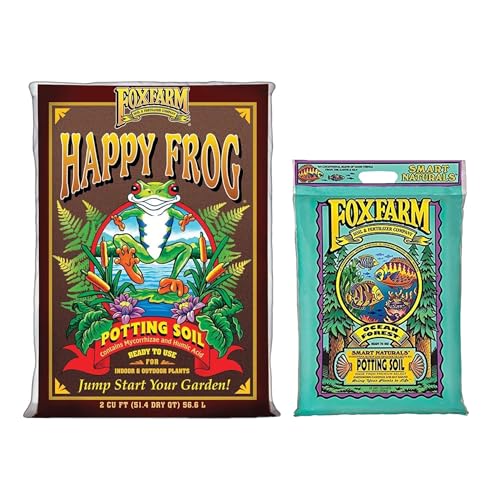
FoxFarm Happy Frog 2 cu ft and Ocean Forest 12 qt
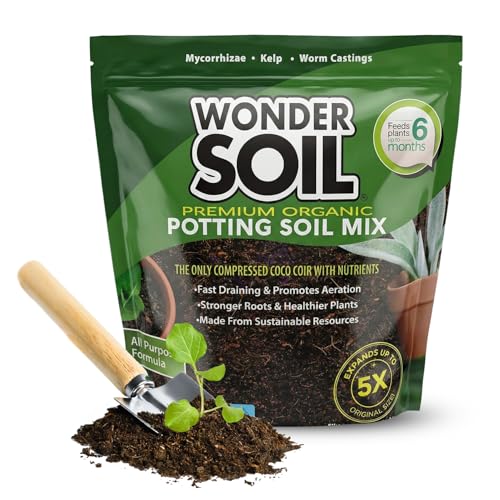
Wonder Soil Coco Coir 12 Quart Bag

Wonder Soil Coco Coir Block 72 Quarts
Inside Each Recommended Option
FoxFarm Ocean Forest arrives ready to use, so you skip the mixing stage and get straight to potting. The light, aerated texture holds moisture without turning into concrete, which matters for terracotta and fabric grow bags where drainage can swing wildly between wet and bone-dry.
Container vegetable gardens, houseplants, and patio herbs all settle into this blend without complaint. For most home growers, this is the bag that disappears from the shelf first.
Real Benefits
- Pre-blended medium cuts out measuring and amending at potting time
- Aerated structure keeps roots oxygenated through long summer watering cycles
- Light texture suits indoor houseplants that resent compacted, dense mixes
- Holds enough moisture to reduce mid-summer watering on patio planters
Points To Keep In Mind
- Comes in a single 1.5 cu ft bag, so larger raised beds may need multiple units
- Some growers top-dress with extra compost mid-season for heavy feeders
Made For
Container gardeners juggling herbs, houseplants, and patio vegetables on a single shelf.
Skip It When
Large raised beds and orchard trees benefit more from the 128-ounce liquid feed in Farmer’s Secret Soil Revitalizer.
Biochar is essentially charcoal made for soil, and Char Bliss delivers it as an 8-quart amendment rather than a standalone mix. You blend it into existing beds or potting soil, and it pulls double duty by improving drainage while holding onto nutrients your plants would otherwise lose to leaching.
Unlike FoxFarm Ocean Forest above, this is not a ready-to-pot medium. Think of it as a long-term soil conditioner that builds structure over multiple seasons, especially in raised beds and in-ground vegetable rows that get worked hard each year.
The Good Stuff
- Improves soil structure across multiple growing seasons rather than one cycle
- Reduces nutrient leaching in raised beds that drain aggressively
- Works across potting soil, garden soil, and DIY blends
- OMRI-listed status covers edible crops
Trade-Offs
- Not a standalone medium, so you’ll still need a base soil or coir
- 8-quart bag covers small plots, but larger gardens need multiple bags
Key Specs
Right Fit For
Growers rebuilding tired in-ground beds or amending raised beds that drain too fast.
Look Elsewhere When
Houseplant-only growers who want a single ready-to-pot bag should pick up FoxFarm Ocean Forest Potting Soil instead.
Coco coir comes from coconut husks and acts as a peat-free alternative that holds moisture well without compacting. Wonder Soil ships it compressed in three bricks, so a 30-quart finished volume lives in a box you can tuck on a closet shelf until you’re ready to plant.
Apartment and balcony gardeners benefit most from this format. You add water at the pot, and the brick breaks apart into a fluffy medium pre-loaded with worm castings, mycorrhizae, and kelp for early-stage root support.
Features That Help
- Three-brick pack expands to 30 quarts, easing storage in small homes
- Pre-loaded with worm castings, mycorrhizae, and kelp for early growth
- Peat-free medium suits gardeners avoiding peat harvesting
Worth Noting
- Hydration takes a few minutes per brick before use
- Coir alone dries faster than peat-heavy mixes, so watering frequency climbs in summer
Who It Suits Best
Balcony gardeners and apartment dwellers with limited closet or garage storage space.
A Better Fit Elsewhere
Growers filling wide raised beds should reach for the 72-quart Wonder Soil block instead.
Worm castings are the digested output of earthworms, and Worm Bliss packages them as a one-quart top-dress and soil-mix additive. A little goes a long way because the nutrient profile is denser than most bagged composts.
This is a complement, not a replacement. You sprinkle it into planting holes, blend it into potting mixes, or side-dress around vegetables mid-season for a slow nutrient release.
A Strong Showing
- Nutrient-dense top-dress that won’t burn tender seedlings
- 1-quart size fits easily on a potting bench or in a kitchen garden kit
- Manure-free composition suits veganic gardening styles
Small Caveats
- A single jar covers small plots; large beds need multiple quarts
- Doesn’t replace a full soil medium on its own
Quick Facts
Best Suited To
Vegetable gardeners looking to side-dress tomatoes, peppers, and leafy greens through the growing season.
Consider Something Else When
You need a full ready-to-pot medium, in which case FoxFarm Ocean Forest Potting Soil handles the role.
Humic acid is the dark organic compound that gives rich soil its earthy smell, and Farmer’s Secret bottles activated humics in a concentrated liquid. The 128-ounce jug covers serious acreage, from backyard vegetable plots to small orchard root zones.
You dilute it into a watering can and feed monthly. For most backyard gardeners, the application rate and frequency make more difference than the brand on the bottle.
Strong Points
- 128-ounce volume covers large plots and multiple fruit trees per bottle
- Concentrated formula stretches further than ready-to-spray liquids
- OMRI-listed status supports organic gardening workflows
Points To Note
- Liquid format requires dilution and a watering can each application
- Single 128-ounce bottle may still run short across a multi-acre property
Feature Snapshot
Who Should Grab It
Backyard growers managing multiple beds, fruit trees, or larger lawn-to-garden conversions.
Reach For A Different Pick When
Apartment gardeners tending only a handful of houseplants should start with the 8-ounce Farmer’s Secret Soil Revitalizer.
The 8-ounce bottle mirrors the larger 128-ounce jug in ingredient list but in a manageable size for indoor use. You get the same activated humic acid concentrate, just in a container that fits on a kitchen counter or inside a small garden tote.
New organic gardeners can try a humic acid feed without committing to a gallon jug. For most windowsill herb gardeners, this bottle lasts a full growing cycle.
What Makes Sense
- 8-ounce size suits indoor and windowsill gardens without waste
- Same activated humic formula as the larger 128-ounce jug
- Low commitment for gardeners testing organic liquid feeds for the first time
Honest Caveats
- Small bottle costs more per ounce than the larger 128oz format
- Limited coverage for outdoor beds and fruit trees
Perfect Match For
Indoor gardeners and first-time organic growers trialing a humic acid routine on a small scale.
Not Your Match When
Backyard beds and orchard plantings benefit more from the 128-ounce Farmer’s Secret Soil Revitalizer.
This bundle pairs two FoxFarm formulas: a 2 cu ft bag of Happy Frog and a 12-quart bag of Ocean Forest. Happy Frog leans into soil microbes and slightly acidic pH that suits acid-loving plants like blueberries, while Ocean Forest covers general container use.
Growers with mixed plantings get a balanced blend without buying two separate products from two separate orders. The trade-off is a single bundled listing rather than flexibility on individual bag sizing.
What Helps Most
- Two complementary blends in a single purchase
- Happy Frog formula suits acid-loving plants like blueberries and azaleas
- Ocean Forest portion handles general container duty
Worth Bearing In Mind
- Bundle format locks you into two specific bag sizes
- Larger 2 cu ft Happy Frog bag is heavier and harder to carry than smaller containers
Whose Shelf It Belongs On
Growers cultivating both acid-loving shrubs and general container plants on the same property.
Swap It Out When
You only grow one type of plant, in which case the single 1.5 cu ft FoxFarm Ocean Forest bag suits better.
The 12-quart Wonder Soil bag hits a sweet middle ground between the small 3-pack and the large 72-quart block. It expands from a 3-pound compressed brick to a 12-quart finished volume with water, perlite, and worm castings mixed in.
Seed-starting trays, herb planters, and small container gardens all fit within a single bag. For most urban gardeners, one unit covers a season’s worth of repotting without piling up extra inventory.
Key Advantages
- Mid-size format fits seed-starting and herb gardens without excess
- Includes perlite for improved drainage in shallow pots
- Pet- and family-safe formula for households with curious kids
Possible Compromises
- 12-quart volume runs short for full raised bed fills
- Comes in a single brick, so you’ll need a bucket for hydration
Built With In Mind
Seed starters and herb gardeners working with a dozen or fewer small containers per season.
Where A Sibling Pick Shines
Active gardeners filling multiple large planters should move up to the 72-quart Wonder Soil block.
A single 10-pound block expands to 72 quarts of finished medium, which fills multiple raised beds or a full season’s worth of large container refills. The compressed form saves on shipping and storage compared to bagged mixes.
Active gardeners running several beds at once find this format more practical than ordering multiple smaller bricks. The trade-off is the hydration step happens in one large session rather than incremental pours.
Positive Takeaways
- 72-quart finished volume covers raised beds and large planters
- Compressed 10-pound brick reduces storage footprint
- Pre-loaded with worm castings and nutrients for early growth
Where It May Fall Short
- Single large brick demands a sizable bucket or wheelbarrow for hydration
- Heavier to handle than smaller 12-quart bags for occasional users
Feature Card
The Right Fit
Garden managers maintaining raised beds, large planters, and multiple rotations per year.
Not Your Match When
Casual indoor gardeners should pick the smaller 12-quart Wonder Soil Coco Coir bag instead.
What To Weigh Before Choosing OMRI Potting Soils
Format And Volume
Potting soils come in two practical formats: pre-mixed bags ready to scoop, and compressed bricks or amendments that expand with hydration. Bagged mixes like FoxFarm Ocean Forest simplify potting day because you skip the measuring step. Compressed coco coir bricks trade convenience for storage footprint, which matters in apartments, closets, and small garden sheds where shelf space runs tight.
OMRI Listing And Organic Compliance
OMRI-listed products carry review from the Organic Materials Review Institute, an independent nonprofit that verifies whether an input is allowed under organic gardening standards. That distinction matters most for edible crops, herbs, and any garden producing food for households that follow organic practices. Biochar, worm castings, and humic acid products in this roundup all carry that review, though buyers should confirm the listing is current at time of purchase.
Additives And Nutrient Profile
Beyond base materials, additives shape how each medium performs. Worm castings deliver slow, steady nutrients without burning tender roots. Mycorrhizae are beneficial fungi that form partnerships with plants and help roots gather water and nutrients more effectively. Kelp adds trace minerals and supports root development. Biochar improves long-term soil structure, and perlite sharpens drainage in dense mixes.
Real-World Use Scenarios
The right pick depends on what you’re growing and how often you tend. Heavy-feeding tomatoes and peppers benefit from biochar and worm casting amendments. Indoor houseplants prefer light, aerated mixes like FoxFarm Ocean Forest or Wonder Soil’s coir blends. Raised beds that drain fast need biochar to retain nutrients, while container herbs do fine in any pre-blended medium.
Key Considerations Across These Picks
Pitfalls Shoppers Hit
Most container gardeners pick a soil by brand recognition rather than reading the actual ingredient list. Two similar bags can carry wildly different drainage profiles, and a heavy mix in a terracotta pot without drainage amendment sets roots up to rot. Worse, some bags marketed as organic skip OMRI review entirely, so the label claim and the certification status don’t always line up. Always check the OMRI seal before assuming a product meets the standard.
Where The Extra Money Goes
Larger jugs of liquid feeds like the 128-ounce Farmer’s Secret bottle cost more up front but drop the per-ounce price meaningfully. Bundled packs like the FoxFarm Happy Frog and Ocean Forest pair two complementary blends at a slight discount over buying them separately. The honest case for spending more is volume, format convenience, or a rare additive like activated humic acid that you can’t source locally at a comparable price.
Frequently Asked Questions
What does OMRI-listed actually mean?
OMRI-listed means the Organic Materials Review Institute has independently reviewed the product and confirmed it meets standards set by organic certification programs. For edible crops, that distinction matters when you want inputs approved for organic gardening workflows.
Can OMRI products be used on edible herbs and vegetables?
Yes, OMRI-listed products are approved for use on edible crops, including herbs, vegetables, and fruit-bearing plants. The listing confirms the inputs align with organic production standards.
How long does an OMRI-listed soil last in a bag?
Unopened bags of pre-mixed potting soil typically hold quality for one to two growing seasons when stored in a dry, covered space. Compressed coir bricks last longer because the format resists microbial breakdown until hydrated.
Is coco coir better than peat moss?
Coco coir is a peat-free alternative that rehydrates reliably and holds moisture without the acidity swing of peat moss. Peat moss still drains well and costs less, but coco coir avoids the sustainability concerns tied to peat harvesting.
Do liquid soil boosters replace fertilizer?
Liquid soil boosters like humic acid feeds support microbial activity and nutrient availability, but they don’t replace a balanced feeding routine for heavy-feeding plants. Think of them as soil conditioners working with other nutrient sources rather than substitutes.
The Takeaway
The right OMRI potting soil depends on what you’re growing and how much space you have. Bagged mixes like FoxFarm Ocean Forest handle most container gardens, while compressed coir bricks like Wonder Soil save storage space. Biochar and worm castings build long-term soil health, and humic acid feeds wake tired dirt up across larger plots.