Healthy orchids start at the root zone, and choosing the right growing medium makes a bigger difference than most people realize. Whether you’re repotting a stubborn phalaenopsis or building out a starter collection, the substrate you pick shapes how air, water, and nutrients reach the roots every single day. This roundup covers ten well-matched options, from pure bark blends to moss and mineral amendments, so you can match the medium to your watering habits, climate, and plant type.
A Side-By-Side Look

MODELLOR Coco Coir Bricks, 4-Pack (5 lb)

Dalton’s Orchiata Bark Small Bag

Halatool 2.2 LB Sphagnum Moss 40 QT

DUSPRO 4in1 Orchid Potting Mix 4QT

DUSPRO Green Forest Moss 5 oz
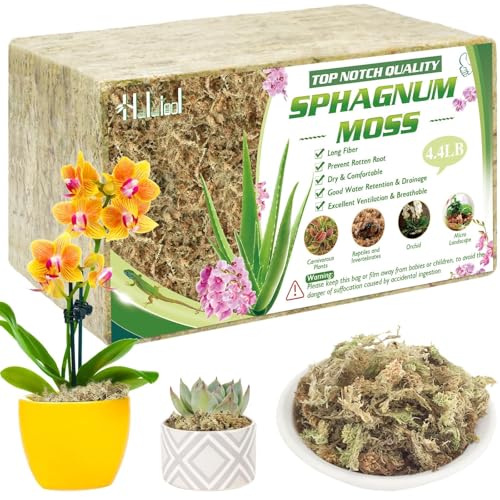
Halatool 4.4 LB Sphagnum Moss 85 QT

Horticultural Pumice 14 Dry Quarts

Halatool 12 OZ Sphagnum Moss 16 QT

Duspro 10FT Reptile Vine Bendable Branch
Taking A Closer Look At The Options
Compressed coir bricks aren’t traditional orchid bark, but they earn a spot on this list as a versatile additive. Coco coir (the fibrous husks of coconut shells) holds moisture while still letting air travel through the root zone, which makes it useful for mixing into orchid blends or using alone for humidity-loving varieties. The four-pack format is friendly to small storage spaces: a closet shelf or under-sink bin holds all five pounds, and you hydrate only what you need.
For someone potting up a few orchids each season, the brick format removes the guesswork of buying a giant bag. The washed, pH-balanced processing reduces the salt load that sometimes troubles coir sourced directly from the husk. Most home growers will find a single brick per session is plenty.
A Few Highlights
- Yields up to 9 gallons of hydrated medium from a 5 lb package, enough for several repotting sessions.
- Triple-washed, low-salt formulation reduces the rinse step most beginners dread.
- Compact brick storage suits apartments and shared workspaces where shelf space is tight.
- pH-balanced profile plays well as either a standalone medium or a custom-mix ingredient.
Things To Consider
- Coir alone stays wetter than bark, so heavy-handed waterers may need to mix it with a chunkier amendment like pumice.
- Hydration takes a few minutes of soaking and fluffing before the bricks break down fully.
Built With In Mind
Small-space growers and hobbyists who repot a handful of orchids at a time and want a tidy, storable medium.
A Better Fit Elsewhere
Collectors who only want pure bark should reach for the Dalton’s Orchiata Bark Small Bag, which is sized for traditional orchid culture.
Orchiata is the bark most serious orchid growers eventually try, and the small-grading one-gallon bag is the entry point for a single repotting job. Pinus radiata sourced from renewable New Zealand plantations gives this bark its reputation: the wood is harder and more resistant to breakdown than typical pine bark, so the pieces hold their structure longer in the pot. That longevity translates into steadier airflow around the roots over the months between repottings.
You use it straight from the bag, no rinsing required, which speeds up the chore. For anyone tired of bark that turns to mush within a year, the upgrade shows up the first time you unpot and the pieces still look intact.
Notable Gains
- Hard, stable bark structure resists decomposition, so medium life stretches well beyond a single growing season.
- Specialty orchid media from New Zealand Pinus radiata, graded into a small particle size that suits young and mature orchids alike.
- Ready to use directly from the bag without pre-soaking or rinsing.
Points To Note
- The one-gallon bag covers a single small-to-medium repotting; larger collections need multiple bags.
- Bark alone dries fast, so growers in low-humidity homes may find themselves watering more often than with a coir blend.
Key Attributes
Made For
Orchid keepers who want a bark medium that holds up across a full year of watering cycles and don’t mind the per-pot cost.
Where Another Pick Suits Better
Beginners who want everything pre-mixed should consider the DUSPRO 4in1 Orchid Potting Mix, which combines bark with other drainage ingredients.
Sphagnum moss (a long-fiber moss harvested from bogs and dried into bricks) is the go-to medium for orchids in recovery, mount setups, or high-humidity cabinets. The 2.2 lb brick expands to roughly 40 quarts once soaked, which gives most mid-size collections a comfortable amount of moss for several months of repotting, mounting, or propagation work.
Long-fiber strands resist compaction better than shredded peat, which means roots don’t sit in a soggy mass. You hydrate only what you need, and the dry brick stores on a shelf until the next session.
Standout Benefits
- 40-quart yield from a single brick covers medium collections without leftover waste.
- Pure natural moss with no added colorings or fillers that could irritate sensitive orchid roots.
- Long-fiber strands hold moisture evenly without compacting into a wet clump.
- Versatile across pots, mounts, propagation trays, and humidity-dome projects.
Worth Noting
- Moss stays wet longer than bark, so watering frequency should be reduced to avoid root rot.
- Hydration requires soaking for several minutes before the brick breaks apart into usable fibers.
Who It Suits Best
Mid-size orchid collections that rotate plants through recovery or propagation phases and need a steady moss supply.
Skip It When
Those running larger collections with constant demand should consider the Halatool 4.4 LB Sphagnum Moss 85 QT, which delivers roughly twice the volume.
Pre-mixed blends remove the trial-and-error that newcomers face when sourcing individual ingredients. DUSPRO’s four-quart bag combines forest moss, pine bark, pumice (a porous volcanic rock that lightens soil and improves drainage), and chunky perlite (small white mineral particles that prevent compaction) into a ready-to-pour medium. The chunky perlite grade, in particular, helps the mix avoid the soggy bottom that often plagues finer-blended orchid soils.
You open the bag and start potting, no measuring or rinsing. For someone repotting two or three orchids in an afternoon, the time savings stack up quickly.
Points In Its Favor
- Four-ingredient blend covers drainage, aeration, and moisture retention without separate purchases.
- Chunky perlite grade resists compaction at the pot’s base better than fine perlite versions.
- Pumice replaces softer amendments, which keeps the structure stable across multiple watering cycles.
- Pre-mixed format removes measurement guesswork for first-time repotting sessions.
Trade Offs
- Pre-blended ratios may not match what advanced growers prefer for specific orchid genera.
- Four-quart volume covers a small session but runs out quickly for collection-wide repotting.
Feature Snapshot
Right Fit For
Beginners and intermediate growers who want a no-prep repotting medium that handles most common orchid types.
Look Elsewhere When
Pure-bark enthusiasts will prefer the Dalton’s Orchiata Bark Small Bag, which is a single-ingredient specialist medium.
Not every orchid-medium purchase is about root health. Some growers want a finished topdress that hides the bark or moss underneath and creates a clean, polished look on a windowsill or display shelf. DUSPRO’s dried decorative moss is real forest moss that’s been cleaned and color-enhanced with a plant-based process, giving it a soft green tone without the artificial brightness of dyed alternatives.
You sprinkle it across the pot surface after the orchid is potted. The result reads as tidy and intentional, and it helps slow surface evaporation between waterings.
What Makes Sense
- Real dried forest moss with a plant-based color treatment, so the green tone stays subtle and natural.
- Hand-selected and cleaned material reduces the twigs and debris that ship with cheaper decorative moss.
- Light coverage at the pot surface slows moisture loss between waterings.
- Works for orchid displays, fairy gardens, and tabletop arrangements.
Practical Considerations
- Designed for dry decorative use, so it’s not a substitute for sphagnum or bark at the root zone.
- Five-ounce bag is sized for a few small pots; large displays need multiple packages.
Best Suited To
Orchid owners who want a presentable top layer for shelf displays, photo setups, or gift plants where the surface look matters.
Reach For A Different Pick When
Anyone needing actual root-zone medium should turn to Halatool’s long-fiber sphagnum, which is built for hydration rather than presentation.
This is the moss brick for serious collections. The 4.4 lb dry brick expands to around 85 quarts once soaked, which is enough to pot a dozen orchids, fill several propagation trays, and still have leftover material for mounting projects. Long-fiber strands deliver the same airy texture the smaller Halatool brick is known for, just at a much higher yield.
For orchid hobbyists who run a greenhouse bench or a window full of mounted specimens, having this much moss on hand removes the cycle of reordering every few weeks.
Everyday Wins
- 85-quart yield from a single brick covers multiple orchids and propagation trays at once.
- Pure, natural moss with no fillers or color additives.
- Long-fiber texture resists compaction across months of use.
- Compressed storage format fits a closet or shed shelf without taking up the space of a bagged equivalent.
Points To Keep In Mind
- Soaking 85 quarts of moss takes a sizeable bucket and a few minutes of patient hydration.
- Larger brick sizes aren’t ideal for beginners who haven’t worked with sphagnum before.
Who Will Love This
Bulk orchid collectors, growers with humidity tents, and hobbyists managing propagation programs for multiple genera.
Swap It Out When
Anyone repotting a single orchid should start with the smaller Halatool 3.6 OZ Sphagnum Moss 4 QT, which avoids waste.
Pumice is the unsung ingredient in many custom orchid mixes. As a volcanic rock riddled with tiny pores, it lightens heavy substrates, prevents compaction, and improves drainage without the float-to-the-top problem perlite sometimes causes. The 14-dry-quart bag is sized for someone who blends their own medium regularly rather than repotting a single plant.
You add a generous scoop to bark or moss, and the roots get a steady oxygen exchange that wet, dense soils never provide. The graded 3/8 by 1/4 inch size sits comfortably in most orchid pots without clogging drainage holes.
Real Benefits
- Natural volcanic pumice lightens heavy mixes and prevents compaction at the pot base.
- Porous structure improves drainage and aeration around orchid roots.
- Graded particle size (3/8 by 1/4 inch) fits most standard orchid pot sizes.
- 14-dry-quart bag covers many custom blends before needing a restock.
Less Ideal Details
- Not a standalone medium; you still need bark or moss as the primary substrate.
- Dust settles during shipping, so rinsing the pumice before use is a smart step.
Core Details
Perfect Match For
Orchid growers who blend their own substrate and want a mineral amendment that boosts drainage and aeration.
Consider Something Else When
People who want a ready-to-pour medium without the math should consider the DUSPRO 4in1 Orchid Potting Mix, which already includes pumice.
The middle child of Halatool’s moss lineup, this 12-ounce brick expands to roughly 16 quarts, enough for two or three repotting sessions on medium-sized orchids. Long-fiber strands deliver the same clean texture as the larger bricks, just at a more manageable volume for someone who doesn’t need 85 quarts sitting around.
It’s a good introduction to sphagnum for growers who aren’t sure whether moss fits their routine. You hydrate a portion of the brick for one orchid and save the rest dry for later.
Noteworthy Benefits
- 16-quart hydrated yield handles two or three medium orchid repottings.
- Pure natural moss with no artificial colorings or fillers.
- Compressed storage keeps the brick on a shelf without bag-bulk waste.
- Manageable size lets you test moss without committing to a giant brick.
Honest Caveats
- Watering frequency needs adjustment, since moss holds moisture longer than bark does.
- Hydration takes a few minutes of soaking before the brick loosens into usable fibers.
Whose Shelf It Belongs On
Two-to-three-orchid households that want a manageable moss supply without committing to a bulk brick.
Another Choice May Suit
Anyone potting just one plant should reach for the even smaller Halatool 3.6 OZ Sphagnum Moss 4 QT to avoid leftover material.
The smallest brick in Halatool’s lineup, this 3.6-ounce package expands to around 4 quarts, which is enough moss for one orchid repotting or a small mounting project. It removes the waste problem that bigger bricks can create: there’s no leftover hydrated moss going slimy in a bucket while you wait to use it.
For someone trying sphagnum for the first time, this size makes sense. You soak it, you pot one plant, and you decide whether the medium fits your routine before committing to a larger brick.
Why It Works Well
- 4-quart hydrated yield matches one orchid repotting without leftovers.
- Pure natural long-fiber moss without fillers or color additives.
- Tiny dry brick stores anywhere, even in a kitchen drawer.
- Low-risk way to test sphagnum before committing to bulk.
Some Limits To Know
- Too small for anyone managing a collection; you’ll need multiple bricks for more than one plant.
- Once hydrated, leftover moss should be used quickly to avoid breakdown.
Who Should Grab It
First-time sphagnum users who want to test the medium on one orchid without buying more than they can use.
Not Your Match When
Collectors rotating several orchids through moss should consider the Halatool 4.4 LB Sphagnum Moss 85 QT, which keeps the supply steady.
This one bends the rules of the roundup. The Duspro vine is sold for reptile enclosures, but orchid keepers who run mixed vivariums or natural-looking displays have found a use for the moss-textured exterior. The 118-inch length coils easily around a mounted orchid, fills the back of a glass enclosure, or wraps a support stake for a vining specimen. The natural moss color blends in with bark and live moss, so it disappears into the display.
You bend it into shape without tools, and it holds the curve. For an orchid display where the hardware shouldn’t be visible, the vine acts as a soft green backbone.
The Case For It
- Natural moss exterior blends with orchid bark and sphagnum for an integrated look.
- Flexible bendable core shapes around mounts, stakes, and terrarium features without cracking.
- 118-inch length covers tall enclosures or long climbing routes.
- Useful for vivarium builders combining orchids with other display elements.
Points To Note
- Marketed for reptile habitats, so orchid-specific instructions aren’t provided.
- Not a substitute for potting medium; this is a display or support piece only.
Who Will Love This
Vivarium builders and orchid display enthusiasts who want a natural-looking support or backdrop element alongside their planting medium.
Where A Sibling Pick Shines
For actual root-zone growing medium, the Halatool 2.2 LB Sphagnum Moss 40 QT is the better choice in this roundup.
Matching Medium To Orchid Type
Orchid roots evolved to grip bark and absorb brief rainfalls in tropical canopies, which is why most orchids sulk in standard potting soil. The medium you choose should match how your particular orchid drinks water: phalaenopsis and oncidium types like steady moisture and do well in bark or bark-heavy blends, while cattleya and dendrobium prefer faster drying and chunkier mixes.
Consider your watering habits before anything else. Frequent waterers benefit from chunkier, faster-draining mixes like pure Orchiata bark, while occasional waterers do better with moisture-retentive sphagnum or coir blends. Humidity matters too: dry homes (under 40% humidity) call for moss-heavy media, while humid rooms can support pure bark without the roots desiccating between waterings.
Pot size influences medium choice more than people expect. Small pots dry fast and pair well with finer grades like Orchiata Small, while larger pots hold moisture longer and can handle chunkier amendments. Most growers settle on a 70/30 bark-to-perlite or bark-to-pumice ratio as a starting point, then adjust based on how their specific orchid responds over a few months.
Repotting frequency matters too. Bark breaks down over 18 to 24 months and loses its airy structure, so a stable bark like Orchiata reduces how often you need to repot. Sphagnum typically needs replacement every 12 months as fibers compact, which is more work but lets you inspect roots more often during recovery phases.
Getting The Most From Your Orchid Substrate
Where Shoppers Go Wrong
The most common mistake is choosing a medium based on the plant’s appearance rather than its root needs. Phalaenopsis in pretty decorative moss often rot within months because the moisture retention is too aggressive for the pot size. Equally common is grabbing generic potting soil because it’s on hand, then watching roots suffocate in a dense, soggy mass.
Repotting into a much larger container also backfires. Orchid roots like to feel snug, so jumping from a 4-inch to an 8-inch pot with fresh medium usually means the new substrate stays wet too long and the roots sit in moisture they can’t absorb. Stick to pots one size up from the current one and replace the medium rather than burying old roots in fresh fill.
When Paying More Pays Off
Premium bark like Orchiata costs more per gallon than generic pine bark, but the upgrade pays off through longer medium life and fewer repottings. Soft pine bark breaks down within a year, while Orchiata often holds structure for two growing seasons or more, which offsets the upfront cost over time.
Washed, low-salt coir commands a small premium over unwashed alternatives, but the salt reduction matters for sensitive root systems. Newer orchid growers in particular benefit from processed coir, since skipping the rinse-and-flush step on cheaper coir is a common reason seedlings stall in their first season.
Frequently Asked Questions
How often should I repot my orchid? Most orchids need repotting every 1 to 2 years, typically right after blooming finishes. The medium breaks down over time, so even healthy-looking plants benefit from fresh substrate on a regular schedule.
Can I mix different orchid plant soils together? Yes, mixing is common and often recommended. Many growers blend bark with pumice or perlite for better drainage, or combine moss with bark to balance moisture retention against airflow.
Is sphagnum moss safe for all orchid types? Sphagnum works well for moisture-loving orchids like phalaenopsis and young plants, but it holds too much water for types like cattleya that prefer faster drying. Match the medium to the orchid’s natural root environment.
Do I need to fertilize through the medium? Yes, orchids benefit from light, regular feeding since their media provide little nutrition on their own. A diluted balanced fertilizer every couple of weeks during active growth keeps roots healthy.
What’s the difference between bark and moss for orchids? Bark provides airflow and faster drying suited to orchids that like brief wet-dry cycles. Moss retains moisture longer and suits orchids that prefer steady humidity around their roots.
Wrap Up
The right orchid plant soils come down to matching the medium to your orchid type, your watering style, and the room you grow in. Pure bark suits most phalaenopsis and cattleya setups, moss handles recovery and high-humidity corners, and amendments like pumice let you dial in drainage for trickier species. Start with one good brick or bag, repot during the next dormant window, and let the roots tell you what works from there.