Feeding flowering plants well is a quiet act of faith: you build the soil, water thoughtfully, and trust that the right nutrients will turn into color. For gardeners who want blooms without synthetic inputs, organic fertilizers offer a slower, more forgiving path. This list covers ten widely available options, from granular rose food to liquid kelp concentrates, so you can match the form and release pattern to your beds, containers, and climate.
A Side-By-Side Look

Espoma Organic Rose-Tone 4-3-2 Organic Fertilizer 18 lb. Bag
Miracle-Gro Water Soluble All Purpose Plant Food, 5.5 lb.
Wiggle Worm 100% Pure Organic Worm Casting Fertilizer 4.5lb Pack of 3

Brut Worm Farms Organic Worm Castings 30 lb
FoxFarm Grow Big Liquid Plant Food 6-4-4 2.5 Gallon Concentrate
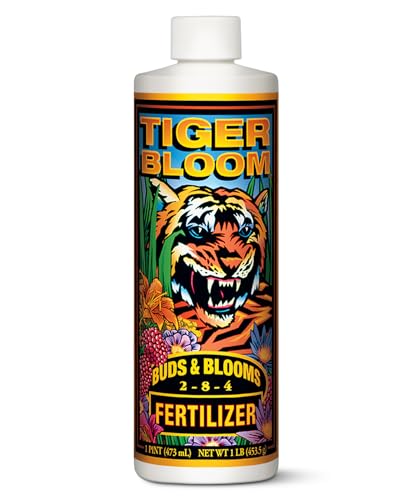
FoxFarm Tiger Bloom Liquid Plant Food 2-8-4 1 Pint
GS Plant Foods Liquid Kelp Fertilizer 1 Gallon
GS Plant Foods Liquid Fish & Kelp Fertilizer 1 Gallon
GS Plant Foods Kelp + Yucca Plant Fertilizer 11 oz Dry Concentrate

Athena Blended PK Bloom Booster Liquid Fertilizer 0-4-5 1 Gallon
A Deeper Look At The Lineup
A rose bed asks for a specific kind of steady nutrition, and this Espoma granular blend is tuned for exactly that job. The 4-3-2 ratio (nitrogen-phosphorus-potassium, the three numbers that describe a fertilizer’s primary nutrient balance) leans moderate on nitrogen so you get foliage without sacrificing flowers, and a 5% calcium addition helps build stronger cell walls in stems and petals.
Unlike the liquid concentrates further in this list, Rose-Tone arrives ready to scatter around the drip line (the imaginary circle under a plant’s outermost branches where rain naturally drips from the foliage) with no mixing. For gardeners managing a dozen or more rose bushes, that ease shows up fast on busy weekend mornings.
Everyday Wins
- Formulated specifically for roses, knockouts, and climbers, plus flowering shrubs like viburnum and clematis.
- Bio-tone organic additive supports soil microbial activity that gradually feeds roots over the full growing season.
- Granular format means a single application lasts roughly a month, cutting down on repeat chores.
- No synthetic sludges or toxic fillers, fitting gardens where kids and pets share the yard.
Worth Noting
- The two-pack configuration creates a heavy 36-pound shipment that some gardeners find awkward to haul to a back garden.
- A monthly application rhythm during peak summer can feel like a recurring calendar item you cannot skip.
At A Glance
Made For
Rose growers who want a slow-release organic option specifically blended for flowering shrubs rather than a general-purpose feed.
Where Another Pick Suits Better
Vegetable gardeners tending mixed beds should look at the GS Plant Foods Liquid Fish & Kelp Fertilizer, which covers a wider range of crops with one bottle.
For gardeners who want quick results without a complicated regimen, this water-soluble powder is a familiar sight on potting benches. You scoop, dissolve, and water it in, and plants show a response within days rather than weeks.
It suits a sprawling yard where you grow everything from annual flowers to tomatoes in the same weekend rotation. Compared to the slow-release Rose-Tone that opened this list, this one trades patience for immediacy, which matters when container petunias look peaked by midsummer.
What Pays Off
- Soluble format feeds plants almost immediately through both roots and leaves during watering.
- The 5.5-pound tub scales to dozens of feeding sessions for a small yard or large container collection.
- Safe across flowers, vegetables, houseplants, and shrubs, so one container covers many beds.
Trade Offs
- Soluble feeding demands a consistent schedule, otherwise plants swing between feast and famine.
- This formulation is not classified as organic, so it does not satisfy strict organic gardening protocols.
- Mixing and measuring adds a small step that slow-release granular products skip entirely.
Right Fit For
Busy gardeners with mixed annual beds who value quick visible results and do not mind a routine feeding schedule.
Consider Something Else When
Strict organic gardeners will find the Wiggle Worm worm castings a more aligned choice for soil-first feeding philosophy.
Worm castings are the quiet workhorse of organic flower gardening: dark, crumbly, and full of beneficial microbes. Wiggle Worm’s offering is OMRI-listed (certified by the Organic Materials Review Institute for use in organic production), which matters when you want documentation rather than just marketing claims.
The football-shaped particles do more than feed: they open up dense clay and help loose sand hold moisture. Three applications a year, or a handful at planting time, is the suggested rhythm. Versus the Miracle-Gro powder reviewed above, castings feed the soil biology rather than the plant directly, which is a slower but more cumulative path.
What It Does Well
- OMRI-listed certification confirms suitability for regulated organic growing.
- The granular texture improves both aeration and water retention across a range of soil types.
- A handful per planting hole is enough, making it forgiving for first-time organic gardeners.
Points To Note
- Nutrient content is mild compared to synthetic feeds, so heavily depleted beds may need supplemental nutrition.
- The three-bag pack demands storage space, and castings should be kept dry to preserve microbial life.
Best Suited To
Patient gardeners rebuilding tired soil over a full season or two rather than chasing fast visible results.
Skip It When
You want a one-bottle bloom push for hanging baskets, where the FoxFarm Tiger Bloom Liquid Plant Food delivers faster punch.
When a small bag of worm castings feels like a tease, this 30-pound option scales up for serious soil-building projects. Brut Worm Farms crafts these indoors in controlled containers, which tends to mean a cleaner, more consistent product than open-bin harvesting.
The size suits gardeners prepping new raised beds or top-dressing (scattering a thin layer over the soil surface) larger perennial borders. If the Wiggle Worm three-pack earlier in this list is a sampler, this is the bulk supply for a committed bed renovation.
Good Reasons To Consider
- Large 30-pound volume covers multiple raised beds or a generous top-dressing pass.
- Indoor-raised castings tend to arrive free of the debris that sometimes shows up in bulk worm products.
- Certified organic inputs suit gardens where compliance with organic standards matters.
A Few Limitations
- The 30-pound bag is heavy and benefits from being split into smaller buckets for easier handling.
- Like other castings, the nutrient density is gentle, so you may need pairing with a bloom-targeted feed during peak flowering.
Who Will Love This
Gardeners with established beds who want to refresh organic matter in bulk without buying bag after bag of smaller packs.
A Better Fit Elsewhere
Container-only growers on a balcony will get more mileage from the smaller Wiggle Worm three-pack than this full-size bag.
Grow Big is FoxFarm’s vegetative workhorse, designed for the stretch of the season when plants push leaves and stems before flowering. The 6-4-4 ratio favors nitrogen during that build-up, so plants arrive at bloom time with the framework to support heavy flowering.
The 2.5-gallon size targets serious gardeners running greenhouses or large container collections. Versus the soil-first Wiggle Worm castings reviewed earlier, this concentrate feeds plants directly through leaves and roots for measurable growth within a week or two.
Points In Its Favor
- Liquid concentration delivers nutrients to plant tissue faster than granular organic options.
- Large 2.5-gallon container supports long feeding routines without constant repurchase.
- Works across roses, tomatoes, and general vegetables, fitting mixed food-and-flower gardens.
Honest Caveats
- Higher nitrogen means later-season use can delay flowering if applied past the vegetative stage.
- The 2.5-gallon jug demands dedicated storage space and a measuring cup for safe dilution.
- This is a synthetic blend, so it does not qualify for strict organic certifications.
Perfect Match For
Growers managing greenhouse benches or large container collections who want fast vegetative push before transitioning to a bloom formula.
Reach For A Different Pick When
You want a single fertilizer from spring through bloom, in which case the FoxFarm Tiger Bloom Liquid Plant Food offers a more flowering-appropriate ratio.
Where Grow Big pushes green growth, Tiger Bloom flips the ratio to emphasize phosphorus (the middle number, which supports flower and fruit development). The 2-8-4 profile targets the bloom window when plants shift energy from leaves to flowers.
It works in both soil and hydroponic systems, which broadens its appeal beyond dirt-based gardens. The pint size is friendly to small-scale growers, unlike the 2.5-gallon Grow Big concentrate reviewed just before this one.
What Earns Its Place
- Phosphorus-forward formula targets flower formation during the critical bloom window.
- Functions in soil gardens and hydroponic setups alike, supporting flexible garden layouts.
- The 1-pint bottle is manageable for apartment patios and small flower beds.
Points To Keep In Mind
- Higher phosphorus applications can accumulate over time, so periodic soil testing is wise.
- This is a synthetic fertilizer, so it does not carry organic certification.
Who Should Grab It
Container gardeners and small-bed flower growers who want a targeted bloom-phase feed rather than a year-round general fertilizer.
Look Elsewhere When
If you prefer organic inputs throughout the season, the GS Plant Foods Liquid Fish & Kelp Fertilizer brings similar versatility with organic certification.
Liquid kelp is the multivitamin of organic gardening: not a heavy feeder on its own, but a supportive tonic that helps plants manage stress and use other nutrients more efficiently. This concentrate is OMRI-listed and made from Ascophyllum nodosum, a North Atlantic seaweed long used in agriculture.
The dilution ratio means a single gallon stretches to roughly 800-plus gallons of finished feed. That kind of coverage is hard to match with most liquid organics, and it shifts kelp from a boutique supplement to a practical whole-garden tool.
Features That Help
- OMRI-listed seaweed extract suits gardens governed by organic certification requirements.
- Highly concentrated formula dilutes to 800-plus gallons of finished spray or drench.
- Foliar feeding (spraying diluted fertilizer directly onto leaves for fast absorption) or root drenching both work, giving you application flexibility.
Potential Drawbacks
- Kelp alone supplies modest NPK, so pairing with another feed may be necessary for heavy feeders.
- The natural seaweed aroma is noticeable during mixing and for a short while after application.
Quick Facts
Built With In Mind
Organic gardeners seeking a versatile supplement that supports plant resilience across vegetables, flowers, and lawns.
Where A Sibling Pick Shines
Gardeners wanting richer macronutrient content alongside kelp should consider the GS Plant Foods Liquid Fish & Kelp Fertilizer for combined nutrition.
Combining fresh fish hydrolysate (a liquid produced by breaking down fish tissue with enzymes rather than heat, which preserves more amino acids) with North Atlantic kelp, this blend aims to deliver both macronutrients and the trace minerals kelp alone cannot supply. OMRI listing confirms it suits organic protocols.
It serves mixed gardens where flowers, vegetables, and shrubs share the same watering can. Compared to the kelp-only concentrate reviewed earlier, this one brings broader nutrition in a single bottle, simplifying routines for gardeners who do not want to juggle multiple amendments.
Standout Benefits
- Combined fish and kelp formula supplies amino acids and trace minerals in one product.
- OMRI-listed certification supports regulated organic growing operations.
- Dilutable liquid format suits both foliar sprays and root drenches across many plant types.
Worth Bearing In Mind
- The fish component produces a noticeable odor during application that takes hours to dissipate.
- Store the bottle away from direct sunlight, as liquid organic feeds can degrade in heat over time.
Feature Snapshot
The Right Fit
Mixed-plot gardeners who want one OMRI-listed liquid that handles flowers, vegetables, and shrubs without buying separate products.
Swap It Out When
You garden on a balcony and want to avoid the fish odor; the GS Plant Foods Liquid Kelp Fertilizer offers organic certification with less scent.
Yucca extract is a natural wetting agent (a surfactant that helps water spread through soil rather than beading or running off), and pairing it with kelp turns a moisture problem into a feeding opportunity. The dry concentrate format avoids the heavy jugs the liquid GS products ship in.
For gardens in hot, dry summers, helping water penetrate and stay available is half the battle. This blend addresses that while still adding kelp’s trace minerals and natural chelators (organic compounds that help plants absorb minerals from the soil).
A Few Highlights
- Yucca schidigera acts as a natural soil wetting agent, helping water reach root zones.
- Compact 11-ounce dry format stores easily on a shelf without leaking.
- Suitable across vegetables, lawns, gardens, and houseplants.
Some Limits To Know
- Dry concentrate requires pre-dissolving in water before application, adding a step to each session.
- Wetting agent effects diminish over time, so repeat applications through dry spells are typical.
Whose Shelf It Belongs On
Garden owners in hot climates or sandy soils where water tends to run off rather than soak in deeply.
Another Choice May Suit
If drought is not a concern and you prefer ready-to-dilute liquids, the GS Plant Foods Liquid Kelp Fertilizer is a simpler daily option.
Athena’s PK Booster is built for controlled environments where clean irrigation lines matter. The 0-4-5 ratio (zero nitrogen, focused phosphorus and potassium for the flowering stage) targets the late bloom phase when nitrogen would only encourage leaves at the expense of flowers.
The fully soluble formula means it mixes cleanly into hydroponic reservoirs without clogging emitters. Compared to the soil-friendly FoxFarm Tiger Bloom reviewed earlier, this one is a specialty tool for growers running drain-to-waste or recirculating hydroponic setups.
The Good Stuff
- Zero-nitrogen formula targets bloom-phase nutrition without pushing leafy growth.
- 100% soluble formula keeps irrigation lines clean in hydroponic systems.
- Ready-to-use liquid integrates directly into dosing systems without premixing stock tanks.
Possible Compromises
- Zero nitrogen means this is a supplement, not a standalone fertilizer for the full season.
- Specialty hydroponic focus means soil-only gardeners may not use its full capability.
Who It Suits Best
Hydroponic flower growers running dedicated bloom-phase reservoirs who need clean, soluble PK nutrition.
Not Your Match When
Traditional soil gardeners should stay with the FoxFarm Tiger Bloom Liquid Plant Food, which is designed for dirt-based feeding routines.
Choosing Organic Bloom Fertilizers Without Second-Guessing
Match Form to Garden Scale
Granular organic options like Rose-Tone and worm castings suit gardeners who prefer a once-a-month scatter-and-water routine. Liquid concentrates work better for frequent feeders in containers or greenhouses, where quick uptake matters more than slow conditioning. Consider how often you realistically want to mix, measure, and apply before committing to a format.
Read the NPK Trio With Intent
The three numbers on the bag (nitrogen, phosphorus, potassium) describe the macronutrient balance, not the full story. A 4-3-2 ratio leans leafy with steady bloom support, while 2-8-4 ratios push flowering hard. Match the ratio to your plant’s current stage: vegetative builds need more nitrogen, bloom phases need phosphorus, and potassium supports overall vigor from roots to petals.
Look Past NPK for Soil Health
Organic fertilizers are judged on more than their NPK numbers. Look for added calcium, trace minerals, microbial life, and natural chelators. Products like worm castings and kelp concentrates feed soil biology, which then feeds plants more efficiently over time. That cumulative effect is what separates organic feeding from synthetic salt-based routines.
Decide Between Soil-First and Plant-Direct Approaches
Soil-first fertilizers (castings, kelp, fish blends) build long-term resilience but show slower visible results. Plant-direct feeds (synthetic liquids like Tiger Bloom or Grow Big) work fast but do little for soil structure. Many organic gardeners blend both: a soil-building base supplemented with a bloom-phase boost during peak flowering.
Key Considerations Across These Picks
Pitfalls Shoppers Hit
A common slip is buying a high-phosphorus bloom booster for plants that already have access to plenty of phosphorus in the soil. Excess phosphorus locks out other nutrients, especially iron and zinc, and shows up as yellowing leaves despite careful feeding. Soil testing every couple of years prevents that slow drift.
Another trap is treating organic concentrates the same as synthetic liquids. Organic feeds rely on microbial activity to release nutrients, so applying them to cold, wet, or compacted soil delays results and can encourage surface mold. Aerating the bed and timing applications to warm soil makes a visible difference.
What The Higher Tier Buys
Premium-tier organic fertilizers tend to invest in sourcing and processing: cold-processed fish hydrolysate preserves more amino acids than heat-rendered alternatives, and OMRI-listed kelp from specific Atlantic harvesting zones carries more consistent trace mineral profiles. Indoor-raised worm castings avoid the debris and random organisms that sometimes appear in open-bin harvesting.
The upgrade pays off when garden output matters more than saving a few dollars per container. For a few tomato plants on a balcony, mid-tier options work fine. For a full vegetable-and-flower rotation, premium inputs often translate into stronger plants through weather stress and a longer harvest window.
Frequently Asked Questions
How often should organic bloom fertilizers be applied during the growing season?
Most granular organic fertilizers are applied every four to six weeks, while liquid concentrates are typically used every one to two weeks during active growth. Always follow the product-specific schedule, since over-application of even gentle organics can throw off soil balance.
Can organic bloom fertilizers be used on vegetables as well as flowers?
Many organic options, including fish and kelp blends and worm castings, work across flowers, vegetables, and shrubs. The nutrients plants need overlap significantly, so a versatile organic fertilizer can serve a mixed garden without buying separate products.
Do organic bloom fertilizers smell bad?
Fish-based liquids carry a noticeable odor for several hours after application, while kelp-only concentrates smell milder and earthy. Granular products like worm castings or Rose-Tone have little to no scent, which makes them popular for gardeners close to neighbors.
Are OMRI-listed fertilizers always better than non-listed organic options?
OMRI listing provides third-party verification that a product meets organic standards, which matters for certified operations. Non-listed organic fertilizers may contain similar ingredients, but the certification guarantees compliance and consistent formulation.
How long does it take to see results from organic bloom fertilizers?
Slow-release granular organics often take two to four weeks to show visible effects, while liquid concentrates can produce changes within days. Soil-building products like worm castings work cumulatively, with the strongest results appearing in the second or third season of consistent use.
Closing Remarks
The best organic bloom fertilizer for your garden depends on how you like to feed: scattered once a month, mixed into a watering can weekly, or sprayed onto leaves as a tonic. Roses and heavy feeders often want dedicated granular food, while mixed beds benefit from versatile liquids like fish and kelp. Match the form to your routine, and the blooms usually follow.