Carnivorous plants like Venus flytraps, sundews, and pitcher plants evolved in nutrient-poor, acidic wetlands, so ordinary potting mix can burn their roots and starve them of oxygen. Choosing the right growing medium matters whether you’re repotting a single flytrap on a windowsill or setting up a collection of pitcher plants outdoors. This roundup covers ready-to-use mixes, raw amendments, and complementary care products, with honest notes on who each one suits best.
A Fast Comparison Of The Options

Legigo Organic Perlite for Plants Indoor

besgrow Spagmoss Premier AAA Sphagnum Moss 500g
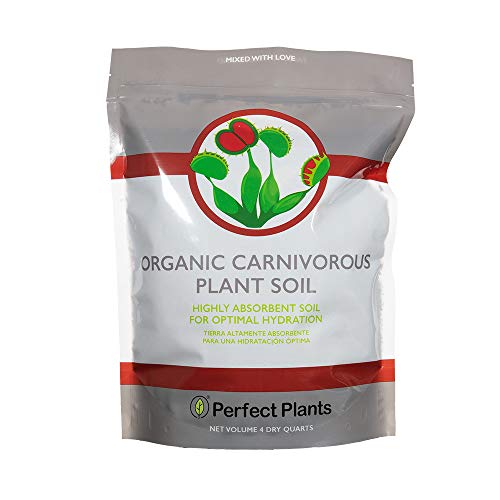
Perfect Plants Carnivorous Plant Soil 4 qt

besgrow Spagmoss Classic AA Sphagnum Moss 150g

Gardenera Professional Carnivorous Plant Soil 1 Quart
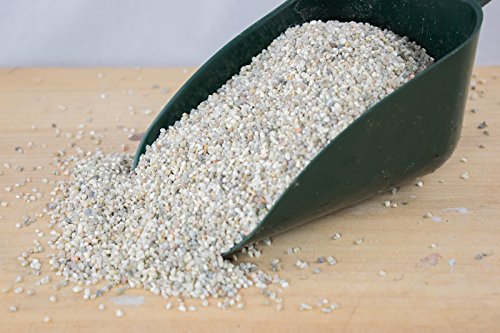
Calibonsai Coarse Sand 2 Gallon

Gardenera Professional Carnivorous Plant Soil 2 Quart

Gardenera Carnivorous Plant Spray Fertilizer Mist 8oz

Gardenera Liquid Carnivorous Plant Fertilizer 8oz
More Details On Our Top Picks
Perlite is a volcanic glass that’s been heated until it pops into lightweight white pebbles, and it’s a foundational amendment for any carnivorous plant mix because it adds airspace and keeps roots from sitting in soggy peat. Legigo’s offering is a coarse grade in a 4-quart bag, sized for hobbyists who prefer to blend their own substrate rather than buy pre-made mixes.
Because it’s pH neutral, perlite won’t shift the acidity of your peat or sphagnum base, which matters a lot for Venus flytraps and other species that resent any nutrient load. For most hobbyists working with a basic peat-and-perlite recipe, this bag covers several repottings of medium-sized plants.
A Few Highlights
- Coarse, even particle size promotes airflow around delicate roots
- pH neutral, so it won’t disrupt the acidic environment carnivorous plants need
- 4-quart volume covers multiple small to medium repots without repurchasing
- Drains quickly, which protects against the root rot that kills bog plants
Things To Consider
- This is a raw amendment, not a complete mix, so you’ll need peat or sphagnum on hand
- Dust can collect in the bag; rinsing before use is widely recommended
- Lightweight pebbles can float upward during top-watering sessions
Right Fit For
DIY mixers who want to control ratios and already source their own peat or sphagnum.
Skip It When
Newcomers who want a turnkey experience should reach for Perfect Plants Carnivorous Plant Soil 4 qt instead, since it arrives pre-blended.
New Zealand sphagnum moss has a reputation among carnivorous plant growers that cheaper alternatives struggle to match, because the long fiber strands hold moisture without compacting around the roots. Besgrow’s Premier AAA grade offers 150mm (about 6-inch) strands harvested from the South Island, dried, and packed in a 500g bag that expands to roughly 40 liters when rehydrated.
That expansion ratio makes the dry bag a fraction of the shelf space it occupies once soaked, which is a quiet plus if you keep your supplies in a closet or garage. For collections with multiple species, the long strands are easier to wrap around bare-root divisions when you’re splitting a plant.
What Helps Most
- Long 6-inch strands give roots room to grip without matting
- High expansion ratio means one bag covers many medium pots
- Sustainably harvested, with consistent quality batch to batch
- Excellent water-holding capacity without waterlogging the root zone
Points To Note
- Dry moss needs rehydration and fluffing before use, so plan time for prep
- Costs more per gram than short-strand alternatives
- Strands can shed small fibers during handling, which some growers find messy
Built With In Mind
Serious hobbyists maintaining mixed collections of flytraps, sundews, and tropical pitcher plants.
A Better Fit Elsewhere
A single-plant grower on a tighter setup may find besgrow Spagmoss Classic AA Sphagnum Moss 150g plenty, since the smaller bag won’t sit half-used in storage.
If measuring peat-to-perlite ratios sounds like work you’d rather skip, Perfect Plants’ Carnivorous Plant Soil arrives ready to pour straight into a pot. The 4-quart bag is sized for a small collection, and the blend is formulated for Venus flytraps, pitcher plants, sundews, and bladderworts across the carnivorous spectrum.
The mix targets the slightly acidic range these plants prefer, and it holds moisture at a level that supports the boggy conditions flytraps evolved in without staying soggy. For a beginner repotting a flytrap from its nursery pot, the convenience factor is real: open the bag, fill the pot, settle the plant in.
Real Benefits
- Pre-blended so there’s no measuring or ingredient sourcing
- 4-quart volume handles two or three medium pots comfortably
- Designed for the most common carnivorous plant types
- Targets the moisture retention these bog plants need
Worth Noting
- Less control over exact ratios for growers who prefer custom blends
- Bag can dry out in storage if not sealed between uses
Feature Snapshot
Who Should Grab It
New carnivorous plant owners who want a straightforward, no-mix-needed medium for their first repotting.
Look Elsewhere When
Hobbyists blending for specialty species may want raw perlite and sphagnum from Legigo or Calibonsai to fine-tune ratios.
The Classic AA grade from besgrow is the same South Island source as the Premier option above, but in a smaller 150g bag with 100mm (roughly 4-inch) strands. It expands to about 12 liters when hydrated, which is enough for a handful of small to medium pots without leaving half a bag sitting around.
For beginners or hobbyists with just a couple of plants, the smaller format avoids the long-term storage issue that comes with bigger bags. The shorter strands are also a touch easier to handle when wrapping small divisions or topping off pots.
Practical Pluses
- Right-sized bag for small collections and starter setups
- Shorter strands are manageable for tight pot work
- Same dependable South Island source as the larger AAA grade
- Lower upfront cost for those trying sphagnum for the first time
Honest Caveats
- Expansion volume is modest, so larger collections will go through it quickly
- Light brown color with green tips can vary slightly between batches
- Per-gram cost runs higher than the bigger Premier bag
Made For
Small-starters or growers with just two or three plants who don’t want to commit to a large bag.
Consider Something Else When
Anyone repotting multiple plants at once will find the 40-liter yield of besgrow Spagmoss Premier AAA more efficient.
Gardenera’s 1-quart bag is a useful trial size for anyone curious about a peat-coco coir-perlite blend but not ready to buy a full 4-quart bag. The mix combines peat moss, coco coir, and perlite, aiming for a balance of moisture retention and root-zone aeration that suits Venus flytraps, sundews, pitcher plants, and butterworts.
The smaller volume is genuinely practical for a single flytrap on a kitchen windowsill. You won’t have leftover mix going stale in a half-opened bag while you figure out your watering rhythm.
The Good Stuff
- Ready-to-use, no blending required
- 1-quart size fits a single small-to-medium pot
- Coco coir addition lightens the texture versus pure peat
- Works across the four most popular carnivorous plant genera
Trade Offs
- Small bag runs out quickly for multi-plant collections
- Per-quart cost is higher than larger bags of the same blend
Whose Shelf It Belongs On
Single-plant growers trying a ready-made mix before committing to a bigger volume.
Reach For A Different Pick When
Anyone with three or more plants to repot will stretch the 2-quart Gardenera Professional Carnivorous Plant Soil further for less per pot.
Coarse sand is another drainage amendment that shows up in classic carnivorous plant recipes, sitting alongside perlite to keep the mix from compacting. Calibonsai offers a horticultural-grade #12 grit in a 2-gallon volume (about 8 quarts or 32 cups), with a neutral pH and a 100% natural earth-mined composition.
This isn’t a standalone medium for flytraps, but it’s a useful ingredient if you blend your own substrate and want more weight and texture than perlite alone provides. The larger volume covers many repots or even a small bog garden rebuild.
Noteworthy Benefits
- Horticultural-grade #12 grit size drains reliably
- Neutral pH won’t shift the acidity of your base mix
- 2-gallon volume supports multi-plant projects
- Adds weight to mixes that float or shift under top-watering
Where It May Fall Short
- Rinsing before use is widely recommended to clear fine dust
- Not a complete medium; needs peat or sphagnum as the base
- Heavy bag is awkward to ship and store in small spaces
Quick Facts
Who It Suits Best
Custom mixers who want sand alongside perlite for heavier, more textured bog mixes.
Not Your Match When
Growers wanting a turnkey experience should pick Perfect Plants Carnivorous Plant Soil 4 qt for a ready-to-pour alternative.
The 2-quart sibling to Gardenera’s smaller bag doubles the volume of the same peat-coco coir-perlite recipe. For hobbyists with two or three species to repot at once, this size lands in a sweet spot: enough material to do the job, not so much that it sits around going dry.
The hand-blended format aims to balance airflow and moisture, which is the central tension in any carnivorous plant medium. Compared with pure peat blends, the coco coir inclusion keeps the mix from collapsing into a brick after months of watering.
Strong Points
- Pre-blended so repotting day stays simple
- 2-quart volume covers several medium pots
- Coco coir helps prevent the compaction common in pure peat mixes
- Targets Venus flytraps, sundews, pitcher plants, and butterworts
A Few Limitations
- Not customizable if you want exact control over ratios
- Bag should be resealed between uses to prevent drying
Feature Rundown
Best Suited To
Hobbyists repotting multiple plants across genera in one session.
Another Choice May Suit
Pure-peat loyalists who want the classic flytrap blend may prefer Perfect Plants Carnivorous Plant Soil 4 qt.
Foliar feeding is a touchy subject with carnivorous plants because their roots are adapted to nutrient-poor conditions, and a heavy dose through the soil can burn them fast. Gardenera’s spray mist takes a gentler route with a 3-1-2 ratio designed for light, frequent leaf application rather than root-zone feeding.
The ready-to-spray format removes the measuring step that comes with concentrates. For time-strapped plant parents, that convenience can be the difference between remembering to feed and skipping it for another month.
The Helpful Details
- Pre-mixed spray needs no dilution before use
- 3-1-2 ratio is on the gentle side for sensitive species
- 8oz bottle lasts through many light applications
- Foliar route avoids salt buildup in the root zone
Things To Weigh
- Spray feeding is supplementary, not a substitute for proper soil and light
- Misting can leave residue on leaves in hard-water areas
- Bottle should be stored away from direct sunlight between uses
Who Will Love This
Time-strapped plant parents who want a low-effort feeding routine for their collection.
Where A Sibling Pick Shines
Diligent feeders who prefer to control their own dilution ratios will prefer Gardenera Liquid Carnivorous Plant Fertilizer 8oz.
The concentrate version of Gardenera’s fertilizer gives experienced growers more control over strength and frequency. The 3-1-2 NPK ratio (nitrogen, phosphorus, potassium) is mild by houseplant standards, which suits carnivorous plants that evolved in boggy, low-nutrient soils.
An 8oz bottle of concentrate stretches across many feedings when properly diluted, which makes it a sensible option for someone tending a small collection over a full growing season. The trade-off is that measuring and dilution take a few extra minutes per session.
Strengths Worth Knowing
- Concentrate format stretches further per ounce than ready-to-spray
- 3-1-2 ratio is calibrated for the sensitivities of carnivorous species
- Lets you tune dilution strength for different plant types
- Suitable for indoor collections and terrarium setups
Practical Considerations
- Requires measuring and dilution before each application
- Over-dilution mistakes are easier to make than with a pre-mixed spray
- Bottle should be clearly labeled in storage to avoid mix-ups with other fertilizers
Perfect Match For
Diligent feeders who want to control dilution strength and feeding frequency themselves.
Swap It Out When
Anyone wanting a grab-and-spray routine will find Gardenera Carnivorous Plant Spray Fertilizer Mist 8oz easier to live with.
Getting The Mix Right For Your Bog Plants
Acidic pH Is Non-Negotiable
Carnivorous plants evolved in boggy soils that are both nutrient-poor and acidic, generally in the 3.5 to 5.0 pH range. Standard potting mixes sit closer to neutral and often contain added fertilizers, both of which damage sensitive roots. Choosing a mix or amendment set that holds an acidic profile is the single most important decision for these plants.
Drainage Without Drying Out
A common misconception is that bog plants love soggy conditions. The truth is more nuanced: roots need constant moisture, but they also need oxygen, and waterlogged peat collapses into an airless brick over time. Amendments like perlite or coarse sand prevent compaction and keep the root zone breathing.
Pre-Blended Versus DIY
Ready-made mixes like those from Perfect Plants or Gardenera remove guesswork and suit beginners. Custom blending with peat, perlite, and possibly coarse sand gives experienced growers finer control over texture and water retention, at the cost of more prep time.
Species Matters More Than Brand
Venus flytraps and most North American pitcher plants tolerate a fairly standard peat-and-perlite recipe. Tropical pitcher plants (Nepenthes) often prefer a looser, more sphagnum-heavy mix. Sundews generally do well in either approach as long as the medium stays consistently moist.
Key Considerations Across These Picks
Pitfalls Shoppers Hit
The most common slip-up is grabbing a standard potting mix because it’s labeled for “indoor plants”, only to watch flytraps decline within weeks. Another is assuming any orchid or succulent mix will work, since those blends often contain bark or fertilizer that burns carnivorous roots. Always check the ingredient list for added nutrients and confirm the mix is genuinely low-mineral.
Where The Extra Money Goes
Premium sphagnum moss from New Zealand costs more because the long strands hold moisture without matting and the harvest is regulated for sustainability. Pre-blended specialty mixes cost more because the formulation work has been done for you, which saves trial-and-error losses. The honest read is that the upgrade pays off when you’re tending a valuable collection, while a smaller setup does fine with entry-level options.
Frequently Asked Questions
Can I use regular potting soil for Venus flytraps?
No, standard potting soil contains added fertilizers and lime that raise pH and burn sensitive roots. Stick with mixes labeled for carnivorous plants, or blend your own peat and perlite.
How often should I repot my carnivorous plant?
Most species do well with a refresh every one to two years, ideally at the start of the growing season. Fresh medium restores drainage and prevents salt buildup from accumulated minerals.
Do I need to fertilize carnivorous plants at all?
Indoor plants without access to insects benefit from very light, occasional feeding during active growth. Outdoor plants in a sunny spot can usually catch enough prey on their own and need no fertilizer.
Is sphagnum moss or peat better for the mix?
Both work, with peat forming the base of most classic recipes and sphagnum adding loft and moisture control. Many growers blend the two for a balanced texture.
How do I know if my mix is staying too wet or too dry?
A consistently waterlogged mix often develops a sour smell and may show algae growth on the surface. A mix drying out too fast between waterings usually means the perlite or sand ratio is too high.
Wrap Up
The best organic carnivorous plant soils depend on how many plants you keep and how hands-on you want to be with mixing. Newcomers do well starting with a pre-blended bag from Perfect Plants or Gardenera, while hobbyists with bigger collections often save money by combining perlite, peat, and a touch of coarse sand. Trust the plant’s signals, keep the medium acidic and airy, and the rest tends to follow.