Citrus trees grown in containers live or die by their potting mix. A standard garden blend holds water like a sponge, and citrus roots hate sitting in a sponge. The right soil drains fast, breathes well, and feeds steadily without burning tender feeder roots. Choosing well now saves you from yellowing leaves, dropped fruit, and the slow heartbreak of a Meyer lemon that never quite settles in.
The list below mixes purpose-built citrus blends with versatile all-purpose mixes and a few specialty picks for olive, money tree, and fiddle leaf fig growers. Use it to match your pot size, watering habits, and how aggressive you want to be with fertilizer.
The Leading Options At A Glance

FoxFarm Ocean Forest Potting Soil 1.5 cu ft

DUSPRO Money Tree Soil Indoor 4 Quarts

DUSPRO Fiddle Leaf Fig Soil 10 Quarts

GARDENWISE Organic Olive Tree Potting Mix 3 Quarts

DUSPRO Money Tree Soil Indoor 2 Quarts
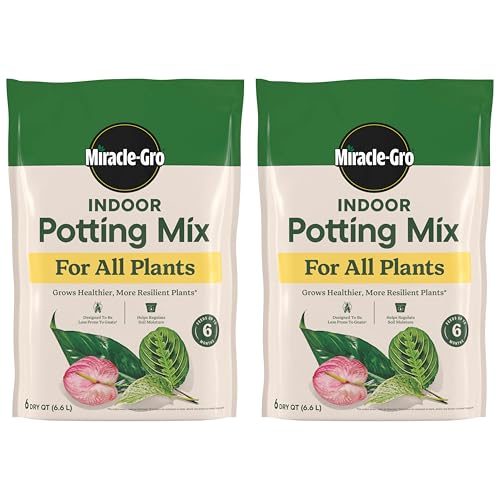
Miracle-Gro Indoor Potting Mix 6 qt 2-Pack

DUSPRO Citrus Tree Potting Mix 6 Quarts

DUSPRO Citrus Tree Potting Mix 10 Quarts

DUSPRO Citrus Tree Potting Mix 20 Quarts

LECHUZA CITRUSPON Citrus Potting Soil 2.7 US Dry gal
Inside Each Recommended Option
FoxFarm Ocean Forest is the workhorse that shows up in half the indoor plant forums on the internet, and the reason is simple: it’s already loaded. You open the bag, fluff the dark, earthy mix, and start repotting without buying perlite, coco, or fertilizer on the side. For a hobbyist with one citrus tree and a shelf of leafy friends, that convenience is hard to overstate.
The 1.5 cu ft bag covers a single 12 to 14 inch container with a little left over for top-dressing, and the texture stays light enough that feeder roots push through easily. For most people starting a small indoor grove, it’s a balanced everyday pick.
What Makes Sense
- Ready to use straight from the bag, so there’s no measuring or amendment needed for a first repot.
- Light, aerated texture gives citrus roots the drainage they crave while still holding some moisture between waterings.
- A single 1.5 cu ft bag handles a medium patio container or several smaller houseplants in one pass.
- The earthy, organic-style composition appeals to growers avoiding synthetic-heavy mixes.
Trade-Offs To Consider
- It’s a general-purpose blend, not a citrus-specific formula, so very hungry lemons may need extra feeding during the fruiting season.
- The bag is heavy, and a few growers mention the occasional twig or wood chunk that needs pulling before use.
Made For
Beginners and casual indoor growers who want one bag that handles a citrus tree plus a few leafy companions without fuss.
Look Elsewhere When
A dedicated citrus mix like the DUSPRO 10-quart citrus blend is a more tailored fit for a serious citrus collection.
Money trees are deceptively picky: they want a mix that breathes but never fully dries. DUSPRO’s 3-in-1 blend is built around that exact middle ground, and the 4-quart bag lands squarely in the size range most apartment growers actually need. Compare that to FoxFarm’s bigger 1.5 cu ft bag, and this is the friendlier option for one or two medium pots.
You pour, you plant, you walk away. No sifting, no juggling perlite bags, no wondering if the pH is off.
Strong Points
- The 3-ingredient formula targets Pachira aquatica and similar tropicals with a lighter, well-draining texture.
- Pre-mixed convenience means less mess in a small kitchen or office where you might be repotting.
- Four quarts covers a typical 8 to 10 inch money tree pot with a little to spare.
Worth Noting
- It’s tuned for money trees rather than true citrus, so the nutrition profile is different and may need supplementing for fruiting plants.
- You may find the 4-quart size runs short if you’re repotting a larger, root-bound specimen.
Best Suited To
Apartment dwellers and office plant parents repotting a single mid-size money tree in a standard 8 to 10 inch pot.
Consider Something Else When
You’re focused on citrus specifically, in which case the DUSPRO 6-quart citrus mix offers a citrus-tuned alternative.
Fiddle leaf figs are drama queens, and the wrong mix shows it within weeks. DUSPRO’s 5-in-1 fiddle leaf blend pairs coco coir, coconut fiber, perlite, pumice, and pine bark into a chunky, airy texture that mirrors what these trees love in their native range. Ten quarts is a serious volume, suited to the tall, bushy specimens people display in living room corners.
It’s not a citrus mix, but the drainage principles are similar enough that it deserves a place on this list as a comparison point for what a chunky, low-fuss indoor blend looks like.
Good Reasons To Consider
- Coco coir and coconut fiber (the fibrous husks of coconut shells) hold moisture gently without waterlogging, which suits a finicky plant like a fiddle leaf.
- Perlite and pumice (both are light, porous volcanic rocks) keep the mix loose, so roots can breathe and stretch.
- Ten quarts covers a 12 to 14 inch pot or two smaller containers in one go.
Less Ideal Details
- It’s not citrus-specific, so the nutrient density is calibrated for foliage rather than fruiting.
- The chunky texture can be tricky to work with in narrow-necked decorative pots.
Right Fit For
Owners of tall fiddle leaf figs in larger containers who want a ready-to-use chunky blend without buying five separate amendments.
Swap It Out When
Your priority is fruiting citrus, where the DUSPRO 10-quart citrus mix is purpose-built for the job.
Olives and citrus share a Mediterranean mood board: they both want fast drainage, lean nutrition, and a touch of lime to nudge the pH upward. GARDENWISE leans into that overlap with a 3-quart mix built around worm castings (a rich organic fertilizer produced by earthworms), compost, and limestone. It’s the smallest bag in this roundup, and that’s a feature, not a bug, for anyone with a single patio olive in a 10 inch pot.
For growers with one of each, an olive plus a small citrus, the principles translate well even if the bag label says “olive.”
Well-Handled Touches
- Limestone helps maintain the slightly alkaline pH that Mediterranean trees prefer.
- Worm castings and compost offer steady, organic nutrition that won’t burn tender roots.
- The fast-draining formula works for both indoor containers and outdoor patio pots in mild climates.
Points To Note
- Three quarts is the smallest volume here, so larger containers need multiple bags.
- The organic label is appealing, but very hungry citrus trees will likely need supplemental feeding during peak growth.
Feature Snapshot
Who Should Grab It
Olive tree owners with a small patio or indoor specimen who want a mix that handles the Mediterranean-style drainage citrus also appreciates.
Reach For A Different Pick When
You’re repotting multiple citrus trees, where the DUSPRO 20-quart citrus bag offers more volume for the same effort.
The 2-quart sibling of the 4-quart money tree mix is sized for a single small pot, the kind of desk or windowsill money tree that lives in a 4 to 6 inch container. It uses the same 3-ingredient approach, so if you’ve read the previous review, the texture and behavior will feel familiar.
For people who only need a cup or two of fresh mix to refresh a struggling plant, this is the bag that doesn’t leave you with a half-used sack of soil in the closet for the next two years.
Noteworthy Benefits
- The smallest practical size for one small money tree refresh or repot.
- Same 3-ingredient pre-mixed simplicity as the 4-quart version, so there’s nothing to measure or blend.
- Lightweight bag is easy to carry home and store in a closet or under a sink.
Some Limits To Know
- Two quarts won’t cover a medium or large money tree, so bigger pots require moving up to the 4-quart bag.
- Per-quart cost tends to run higher at the smallest size, so casual shoppers may end up buying two.
Who Will Love This
First-time money tree owners with a small starter plant on a desk or windowsill who just need enough fresh mix to repot.
Where Another Pick Suits Better
Anyone repotting a larger money tree or a small citrus should reach for the DUSPRO 4-quart money tree mix or the 6-quart citrus bag instead.
Miracle-Gro Indoor is the dependable fallback for people who want one bag that handles a citrus, a snake plant, a pothos, and a parlor palm without a separate purchase for each. The 2-pack doubles the volume, which is useful for households with a few pots going at once. Its sphagnum peat moss, coir, and perlite blend is lightweight and forgiving, with a texture that holds moisture without turning into mud.
It’s a generalist, not a specialist, and that generality is the main reason it ends up in so many carts.
Practical Pluses
- Two 6-quart bags in a single order cover multiple repots or a larger 14 inch container.
- The peat and coir base holds moisture long enough to forgive the occasional missed watering.
- Widely available and easy to find at most garden centers as a backup option.
Potential Drawbacks
- It is not a citrus-specific blend, so drainage and nutrition may need supplementing for hungry lemon or orange trees.
- Peat-based mixes can compact over time, so topping up with perlite every year or two is a smart habit.
Built With In Mind
Multi-plant households that want a single, budget-friendly bag to keep on the shelf for any repotting emergency.
Skip It When
Your whole collection is heavy-feeding citrus, where a tailored mix like the DUSPRO citrus line will save you fertilizer costs over time.
This is the smallest bag in the DUSPRO citrus line, and it’s the right size for a single starter lemon, lime, or calamondin in an 8 to 10 inch pot. The 4-ingredient formula is purpose-built for potted citrus, with a double-screened texture that pours cleanly without a cloud of dust. Compared to the money tree blends above, this one leans further toward the gritty, well-draining side that citrus roots actually need.
It’s a tidy, no-nonsense entry into the dedicated-citrus category.
Where It Excels
- Pre-mixed 4-in-1 formula targets lemon, lime, and orange trees specifically rather than a generic houseplant blend.
- Double-screened raw ingredients mean a cleaner pour with less dust in your living room.
- Six quarts is the right size for one small to medium citrus pot, no wasted leftovers.
Honest Caveats
- It’s the smallest citrus bag, so anyone with two trees or a larger 12 inch+ pot will need to step up in size.
- As a pre-mix, it doesn’t allow tweaking, and growers who like to add extra perlite or bark on top may find it slightly rich for their taste.
Core Details
Perfect Match For
First-time citrus growers repotting a single small lemon, lime, or orange tree into a proper container.
A Better Fit Elsewhere
Anyone tending multiple trees or a larger patio citrus should jump to the DUSPRO 10-quart or 20-quart citrus bags instead.
The 10-quart citrus bag hits a sweet spot for a two-tree collection or one larger 12 to 14 inch container. It uses the same 4-ingredient blend as the 6-quart bag, so you’re not trading formula for volume, just buying enough of the same stuff. Most people starting a small indoor citrus grove will hit “10 quarts” on their first reorder, since 6 quarts disappears fast once you count the root ball and the top-dress.
For an apartment balcony with a lemon and a lime, this is a sensible mid-tier choice.
Bright Spots
- Same citrus-tuned 4-in-1 formula as the smaller bag, just with more volume per purchase.
- Ten quarts covers a 12 to 14 inch citrus pot or two smaller ones in one go.
- Pre-mixed convenience removes the perlite-and-pumice measuring dance.
Points To Keep In Mind
- It still may not be enough for a serious multi-tree collection on a patio.
- The bag is heavy once filled, so carrying it up apartment stairs deserves a moment of planning.
Quick Facts
Whose Shelf It Belongs On
Two-tree citrus households and growers stepping up from a 6-quart starter bag to a more practical volume.
Not Your Match When
You have a single small tree only, where the 6-quart citrus bag is the less wasteful pick.
Twenty quarts is the big sibling in the DUSPRO citrus line, sized for a small collection or a single large patio tub. Same formula, more volume, and the per-quart value improves noticeably at this size. If you’re repotting three or more trees in a single session, the math starts to favor this bag over buying multiple 6 or 10 quarters.
It’s also a practical choice for people who want to keep a sealed bag of citrus mix on hand for top-dressing and emergency refreshes through the year.
Positive Takeaways
- Largest citrus-specific volume here, ideal for multi-tree households or big patio containers.
- Per-quart cost typically runs better at the 20-quart size than at 6 or 10 quarts.
- Keeps a ready supply on hand for mid-season top-dressing without a last-minute run to the store.
Things To Weigh Up
- Twenty quarts is overkill for a single small tree, and the leftover mix can dry out if the bag isn’t sealed well.
- The bag is genuinely heavy once filled, which matters for apartment dwellers hauling it upstairs.
Right Fit
Citrus collectors repotting multiple trees at once or maintaining a single large patio citrus tub.
Where A Sibling Pick Shines
One-tree households will find the DUSPRO 6-quart citrus bag a smarter, less wasteful option.
LECHUZA’s CITRUSPON is the upgraded option on this list, designed specifically for the higher demands of fruiting citrus in containers. The substrate is pre-fertilized to feed your tree for 6 to 8 months, with a drainage profile that pushes excess water through fast. The 2.7 dry gallon size lands in a comfortable middle ground, big enough for a 12 inch pot without being wasteful.
Where most mixes in this roundup ask you to add your own fertilizer, this one carries that load for the better part of a year, which is a meaningful trade for anyone who tends to forget the monthly feeding schedule.
Useful Strengths
- Pre-fertilized formula feeds citrus steadily for 6 to 8 months, easing the feeding burden for busy owners.
- High drainage and aeration help prevent root rot, the leading killer of potted citrus.
- Specifically tuned for lemon, orange, and other citrus grown in pots, indoors or out.
Where It Is Less Suited
- The pre-fertilized nutrient load is a poor match for non-citrus plants that prefer leaner soil.
- Per-bag cost runs higher than general-purpose or smaller citrus blends.
Feature Card
Who It Suits Best
Dedicated citrus growers who want a premium, low-maintenance substrate that handles feeding and drainage in one bag.
Where Another Pick Suits Better
Multi-plant households tend to do better with the budget-friendly Miracle-Gro Indoor Potting Mix 2-Pack for shared use.
What Matters Most Before Choosing organic citrus potting soils
Drainage Comes First
Citrus roots evolved in well-draining, slightly sandy Mediterranean and Asian soils, and they rebel when trapped in a soggy mix. Look for blends that include perlite, pumice, pine bark, or coco chips, all of which create air pockets and let excess water pass through. A bag that feels heavy and dense in your hand is usually the wrong choice for a container tree.
pH And Nutrition Aligned With Citrus
Citrus prefers a slightly acidic to neutral pH, generally in the 5.5 to 7.0 range, and steady access to nitrogen, iron, and magnesium for healthy green leaves and fruit set. Purpose-built citrus blends lean into that profile, while all-purpose mixes often need supplemental feeding. Worm castings, compost, and pre-fertilized substrates are common ways the nutrition gets handled.
Match The Bag To Your Container Count
Picking the right volume is half the decision. A 2-quart bag covers a single 4 inch starter pot, while a 20-quart bag makes sense for a multi-tree patio collection. Buying two small bags usually costs more per quart than one appropriately sized bag, so plan ahead and order for your whole repotting session.
Texture, Dust, And Cleanup
A double-screened mix pours cleaner and settles with less dust, which matters when you’re repotting indoors. Chunky blends with visible bark or perlite are easier to handle than ultra-fine peat-heavy mixes that compact over time. Consider your workspace, your tolerance for cleanup, and how often you want to refresh the soil.
Key Considerations Across These Picks
Pitfalls Shoppers Hit
A common mistake is reaching for any standard potting soil because the bag says “indoor” or “all-purpose.” Citrus tolerates that for a season, then yellows and drops leaves as the roots suffocate. Another slip is ignoring pot size and overfilling a small container, leaving the root ball buried too deep. Finally, shoppers often skip the drainage layer and skip pots with adequate holes, both of which undo the work of a good mix.
When Paying More Pays Off
The premium tier, like LECHUZA’s pre-fertilized CITRUSPON, earns its keep by combining drainage and long-term nutrition in a single bag. That removes two separate purchases from your routine, perlite to amend drainage and a citrus fertilizer to feed the tree. For dedicated citrus growers with a single large tree, that combination adds up to less work and steadier results, even at a higher per-bag cost.
Frequently Asked Questions
How often should I repot a potted citrus tree?
Most potted citrus benefit from a refresh every 2 to 3 years, or whenever roots start circling the bottom of the container. Move up one pot size at a time, no more than 2 inches wider, to avoid overpotting.
Can I use regular garden soil for a citrus container?
Garden soil compacts quickly in pots and often carries pathogens or pests. A dedicated potting mix with perlite, bark, or pumice keeps roots oxygenated and is the safer choice for container trees.
Do citrus trees need fertilizer year-round?
Container citrus benefit from steady feeding during the active growing season, spring through early fall, with reduced or no feeding in winter. A pre-fertilized mix handles this for 6 to 8 months on its own.
Is peat moss bad for citrus?
Peat moss works as a base ingredient but tends to compact and acidify over time. Blends that pair peat with chunky amendments like perlite and bark stay loose and drain better, which citrus prefers.
What’s the difference between citrus mix and regular potting mix?
Citrus mixes emphasize drainage and aeration with chunky ingredients, while general potting mixes often hold more moisture. Citrus blends also tend to include nutrition tuned for fruit production rather than foliage growth.
Wrap Up
The right organic citrus potting soil is the one that matches your pot, your tree, and how often you actually remember to feed it. Casual growers with a single small tree will do fine with a small bag of DUSPRO or GARDENWISE, while dedicated collectors get more value from the larger volumes or the premium LECHUZA option. Pick the bag that fits your routine, repot during the active growing season, and your citrus will reward you with stronger leaves and steadier fruit.