Healthy container gardens start with the right growing medium. Organic potting soil mixes vary from compressed coir bricks to pre-loaded blends with biochar and worm castings, and choosing well means understanding texture, drainage, and nutrient density before you buy. This shortlist covers ten options spanning seed-starting mediums, specialty snake plant blends, bonsai mixes, and targeted soil amendments. Pick based on what you grow and how hands-on you want to be with the medium.
How The Shortlist Stacks Up

MODELLOR Coco Coir Bricks 4-Pack 5 lb

CANNA Coco Brick 40L Expandable Substrate

FoxFarm Ocean Forest Potting Soil 1.5 cu ft

GARDENERA Premium Snake Plant Soil Mix 1 Quart
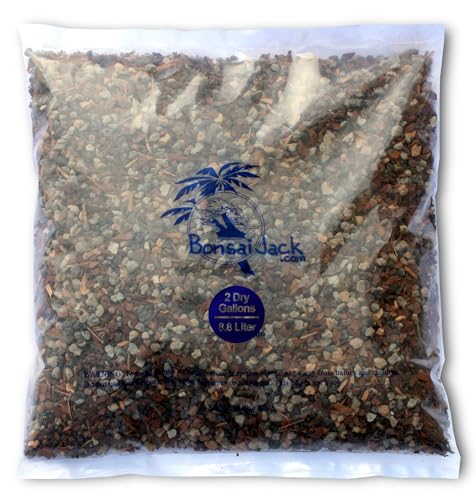
Bonsai Jack Universal Organic Bonsai Soil Mix #221, 2 Gallons

Char Bliss Organic Biochar Soil Amendment 8 Qts

Compressed Organic Potting Soil Coconut Coir and Worm Castings

Worm Bliss Organic Worm Castings 1 Quart

Gardenera Snake Plant Spray Fertilizer Mist 8oz

Gardenera Premium Liquid Snake Plant Fertilizer 3-1-2, 8oz
What Each Pick Brings To The Table
Starting seeds or filling a few small pots without hauling heavy bags is the core promise here. These compressed bricks arrive shelf-stable and expand to roughly nine gallons of fluffy coir once you add water, which makes sense for apartment gardeners who only need a working bowl of medium on demand.
The triple-washed, pH-balanced profile matters because raw coir often carries residual salts that can stunt seedlings. For most home setups, soaking one brick in a five-gallon bucket gives you enough loose fiber to fill several seed trays. The honest read is that coir has essentially no native nutrients, so plan on pairing it with a starter fertilizer or blending it into a richer base.
Positive Points
- Compact bricks save serious shelf space compared with pre-moistened bags
- Washed, low-salt profile is gentler on young roots than untreated coir
- Yields roughly nine gallons, enough for multiple seed trays or a few medium pots
- Rehydrates fast in a bucket, no special equipment needed
- Reusable across seasons when stored dry in a sealed bin
Things To Consider
- Pure coir has minimal nutrients, so you’ll need supplemental feeding for hungry plants
- Bricks require a bit of soaking and fluffing before they’re pot-ready, which adds a step
Key Features
Best Suited To
Beginners starting vegetable or herb seeds on a windowsill, and apartment gardeners who want a tidy, storable medium for occasional repotting.
Swap It Out When
FoxFarm Ocean Forest Potting Soil is the better fit for shoppers who want a pre-loaded medium with built-in nutrition rather than a blank-slate fiber.
CANNA sits in a different weight class than the smaller MODELLOR bricks. A single 8-liter compressed brick here yields about 40 liters of expanded medium, which is a meaningful jump if you’re filling multiple grow bags or refreshing several large planters in one session.
The reusable framing fits serious growers who cycle the medium between runs. Unlike seed-starting fibers, this one is positioned as a full substrate you can run crops in. In our experience with similar products, you’ll want to monitor calcium and magnesium because coco tends to bind those, so a Cal-Mag supplement is a sensible add-on.
Noteworthy Benefits
- Five-fold expansion ratio cuts down on hauling and storage
- Reusable across multiple cycles with proper flushing
- Neutral base lets you drive nutrition with your own fertilizer program
- Suits larger containers where bagged coir runs out too quickly
Trade-Offs To Weigh
- Single large brick needs a sizable tub and a fair amount of water to hydrate
- Lower starting nutrients mean supplemental feeding is essentially required
- Without calcium-magnesium supplementation, deficiency symptoms can show up over time
Right Fit For
Intermediate to advanced container gardeners running multiple pots or grow bags who want to manage their own nutrient schedule.
A Better Fit Elsewhere
MODELLOR Coco Coir Bricks suit casual seed starters better, since the smaller bricks are easier to hydrate without dedicating a full bucket to one batch.
This is the bag you reach for when you don’t want to think about amendments. FoxFarm Ocean Forest comes pre-loaded with earthworm castings, fish meal, crab meal, and other organic inputs, so plants get a nutrient push from day one without you having to mix anything.
Compare that to the bare coir options from earlier, and the trade-off is weight and price versus convenience. The light, aerated texture helps roots push through, and it suits everything from tomatoes to tropical houseplants. You may find the included fertilizer front-loads growth early, so you’ll likely want to begin a liquid feed routine after the first month or so as those reserves taper.
Why It Works Well
- Pre-amended organic profile supports vigorous early growth without extra mixing
- Light, airy structure resists compaction in deep containers
- Versatile across vegetables, herbs, and indoor foliage
- Available in single bags and multi-pack configurations for bigger projects
Points To Keep In Mind
- Heavier than compressed options, so storage and transport take more planning
- Built-in nutrients fade over time, so supplemental feeding kicks in after the first weeks
Feature Snapshot
Built With In Mind
Home gardeners repotting multiple containers at once who want a ready-to-use blend and don’t mind the heavier bag.
Skip It When
GARDENERA Premium Snake Plant Potting Soil Mix is the better fit for snake plant owners who need a fast-draining blend tuned for succulents.
Snake plants hate wet feet, so a generic all-purpose blend often holds too much water for them. GARDENERA’s mix leans into peat moss, perlite, lime, and earthworm castings to keep the medium loose and airy, which matches what Sansevieria roots actually want.
At one quart, this bag is sized for a single repotting rather than a multi-plant project. The honest trade-off is the small volume, since you may burn through it fast with several snake plants. The lime helps balance peat’s natural acidity, which is a detail generic mixes overlook.
Everyday Wins
- Fast-draining texture cuts the risk of root rot in succulents like Sansevieria
- Lime adjusts pH so peat-based blends don’t stay too acidic for snake plants
- Includes earthworm castings for a gentle organic nutrient lift
- Compact bag fits easily on a shelf between repots
Some Limits To Know
- One-quart size limits you to small pots or single-plant repots
- Specialty blend costs more per quart than general-purpose mixes
Whose Shelf It Belongs On
Indoor plant owners repotting a single Sansevieria or small succulent collection who want a blend matched to those species.
Reach For A Different Pick When
FoxFarm Ocean Forest Potting Soil is the better fit for mixed container plantings where you want one bag that handles vegetables, herbs, and foliage together.
Bonsai live in shallow containers, so drainage and particle sizing make or break root health. Bonsai Jack pre-screens and washes the mix, then tunes the particle size to roughly 1/4 inch, sitting at an optimal pH around 6.4 for most tropical bonsai.
Unlike the coir-heavy picks earlier, this one is a gritty, fast-draining blend aimed at trees that simply cannot tolerate soggy soil. The screened, washed-outped processing cuts down on dust and fines that otherwise clog drainage holes. For most beginners starting with a single tropical bonsai, two gallons covers several repots.
What Pays Off
- Pre-washed grit keeps drainage paths open in shallow pots
- Particle uniformity helps roots colonize evenly
- Tuned pH range supports most tropical bonsai without extra amendments
- Two-gallon volume stretches to several medium repots
Less-Strong Areas
- Gritty blend holds less water than peat or coir mixes, so watering frequency rises
- Higher upfront cost per quart than general-purpose blends
Quick Facts
Made For
Bonsai hobbyists with shallow pots who need a gritty, well-draining blend and don’t mind watering more often.
Consider Something Else When
MODELLOR Coco Coir Bricks suit gardeners who want a softer, water-retentive medium for starting vegetables rather than a fast-draining bonsai blend.
Biochar is one of those amendments that shows up in serious-soil conversations, and Char Bliss is an OMRI-listed option sourced from wood and tree trimmings. Biochar is essentially charcoal made for soil, and its porous structure holds nutrients and water in ways most peat or coir cannot match.
The product is meant to be blended into an existing mix rather than used straight, typically at around five to ten percent by volume. Unlike the ready-to-bag FoxFarm option earlier, this one assumes you’ve chosen your base medium and want to upgrade its structure. The honest caveat is that biochar works best after being charged with nutrients first, or it can temporarily pull them out of the surrounding soil.
Well-Handled Touches
- OMRI-listed for organic gardening standards
- Porous structure supports nutrient retention and microbial habitat
- Long-lasting in soil, doesn’t break down quickly like peat or compost
- Eight-quart bag stretches across many container blends
A Few Limitations
- Works best when pre-charged with compost or fertilizer before blending in
- Dust during handling, so wearing a mask during mixing is sensible
- Not a stand-alone medium, requires a base mix to combine with
Who Will Love This
Intermediate gardeners building custom blends who want to improve nutrient retention and long-term soil structure.
Look Elsewhere When
Worm Bliss Organic Worm Castings is the better fit for newcomers looking for a simpler, gentler organic amendment to top-dress existing pots.
Storing a full cubic foot of potting soil under the kitchen sink is a non-starter for many renters, and that’s exactly where compressed granules earn their keep. Organic Plant Magic’s mix ships as a lightweight puck or granules that expand roughly fourfold once you add water, yielding up to about three gallons.
The blend combines coconut coir with worm castings, so it lands somewhere between the bare coir picks earlier and a richer nutrient-loaded option. For most small indoor setups, a single bag handles several small repots. You may find the texture runs a bit dense after expansion, so breaking up clumps before potting helps roots settle in.
Where It Excels
- Tiny footprint on a shelf compared with pre-bagged soil
- Built-in worm castings offer a mild nutrient lift
- Resealable bag keeps the remaining mix fresh between uses
- Reasonable for indoor and outdoor containers
Worth Noting
- Three-gallon yield is small for any multi-pot project
- Hydration takes a few minutes and the granules need thorough mixing
- Trace-mineral claims vary by batch, so results aren’t perfectly uniform
Perfect Match For
Renters and apartment dwellers who want a storable, light medium for occasional small-scale repotting.
Where Another Pick Suits Better
CANNA Coco Brick 40L Expandable Substrate is the better fit for growers who need much larger volumes from their expansion format.
Worm castings are the gentle, slow-release side of organic feeding, and Worm Bliss is an OMRI-listed option positioned as a soil amendment rather than a stand-alone medium. The vegan, manure-free claim is a useful marker for indoor gardeners who want to avoid any odor or residue.
Use it sparingly, blended into potting soil at about ten to twenty percent by volume or sprinkled as a top-dressing. Compared to the biochar pick, castings feed biology more than structure, so the two amendments serve different goals. For most houseplant routines, a light quarterly top-dress is enough to keep growth steady.
Key Advantages
- Slow-release organic nutrient profile that won’t burn roots
- OMRI-listed for organic gardening use
- Vegan, manure-free source means no strong smell indoors
- One-quart bag fits neatly in a kitchen drawer between uses
Practical Considerations
- One quart runs out fast on a multi-plant collection
- Not a complete fertilizer, so supplemental feeding still matters for heavy feeders
Who Should Grab It
Indoor plant owners who want a clean, gentle organic amendment to refresh pots every few months without strong smells.
Not Your Match When
FoxFarm Ocean Forest Potting Soil is the better fit for gardeners who want a complete pre-amended medium rather than a separate amendment to mix in.
Foliar feeding isn’t a substitute for soil, but a 3-1-2 mist on snake plant leaves can give a quick pick-me-up between regular waterings. Gardenera’s spray bottle skips the measuring step entirely, so you just mist and walk away.
The 3-1-2 ratio (nitrogen-phosphorus-potassium) is gentler than all-purpose feeds, which suits the low-demand nature of Sansevieria. Unlike a concentrate that requires mixing, this one is ready to spray, which keeps routines simple. The honest caveat is that foliar feeding supports leaves but doesn’t reach the roots, so it pairs best with the GARDENERA Snake Plant Soil Mix covered earlier.
The Value In It
- Pre-mixed spray means no measuring or dilution guesswork
- Gentle 3-1-2 ratio matches snake plants’ low nutrient demand
- Compact eight oz size is easy to store on a plant shelf
- Quick application keeps routines under a minute
Soft Spots
- Foliar feeding supports leaves but doesn’t replace root-zone nutrition
- Spray bottle heads can clog if stored with residue on the nozzle
Right Fit For
Snake plant owners who want a quick, no-mess way to refresh leaves between regular watering and feeding cycles.
Swap It Out When
Worm Bliss Organic Worm Castings is the better fit for gardeners who prefer to feed the soil biology rather than mist the foliage directly.
Where the spray mist handled quick leaf top-ups, this concentrate handles the deeper root-zone feeding that snake plants actually need over time. The same 3-1-2 ratio shows up here, but in a bottle you dilute into your watering can rather than mist directly onto leaves.
The 8oz bottle concentrates down into a fair number of feedings for a small indoor jungle. Compare that to the foliar mist, and the trade-off is a small mixing step for longer-lasting nutrition that reaches the root zone. In our experience with similar concentrates, snake plants respond best to a light feed every four to eight weeks during the growing season, with rest periods in cooler windows.
Notable Upsides
- Concentrate format stretches further per bottle than ready-to-spray
- Gentle 3-1-2 ratio avoids the overfeeding that snake plants hate
- Liquid delivery gives roots immediate access to nutrients
- Compact bottle stores easily alongside other plant supplies
Practical Considerations
- Requires dilution before each use, adding a step to the routine
- Best paired with a well-draining soil like the GARDENERA Snake Plant Mix to avoid buildup
Who Should Grab It
Snake plant owners who want a measured, root-zone fertilizer they can mix into regular watering routines across several months.
Consider Something Else When
Gardenera Snake Plant Spray Fertilizer Mist is the better fit for anyone who wants zero-mess leaf feeding without measuring or diluting.
Picking The Right Blend For Your Containers
Choosing between coir bricks, pre-amended blends, specialty mixes, and liquid feeds comes down to what you grow and how much hands-on work you want. Coir-based mediums are blank slates that reward you with control but require a feeding plan. Pre-amended blends like FoxFarm cover more ground out of the bag, though the front-loaded nutrition fades after the first weeks. Specialty mixes such as the bonsai or snake plant blends trade flexibility for targeted drainage and pH balance, which matters for shallow pots and succulents.
Texture And Drainage Come First
Container plants drown in dense mediums, so particle size and aeration matter more than most gardeners expect. Peat and coir hold water well, which suits thirsty vegetables, but they can suffocate snake plants or bonsai that need air around their roots. Grit-heavy blends like Bonsai Jack handle that need by mixing in larger particles that resist compaction. For most indoor foliage, a light, fluffy texture that drains within a few seconds after watering is the easy rule of thumb.
Nutrient Density And Amendments
A medium with built-in organic inputs like worm castings, fish meal, or biochar takes some of the feeding work off your plate. Worm castings feed slowly and gently, while biochar holds nutrients in place over longer stretches. The honest trade-off is that amendments like these cost more per bag than plain peat or coir. For most home gardeners, blending one amendment into a base mix beats chasing a fully pre-loaded product every season.
Format And Storage Reality
Compressed formats like the MODELLOR bricks or Organic Plant Magic granules trade convenience for storage ease. Heavy pre-bagged options give you more volume up front but eat up shelf space. Renters and apartment growers often lean toward compressed formats, while gardeners with sheds or garages reach for the heavier bags without thinking twice.
Key Considerations Across These Picks
Pitfalls Shoppers Hit
Treating all potting soils as interchangeable is the most common slip up. A vegetable bed blend often keeps roots too wet for succulents, and a cactus mix rarely holds enough moisture for leafy greens. Another trap is assuming organic means self-feeding forever, since organic nutrients still deplete over weeks and need refreshing.
What The Higher Tier Buys
Premium blends earn their position through screened, washed, and tuned particle sizing, which you can actually see in the consistency. Specialty mixes like Bonsai Jack charge for processing that removes fines and balances pH, while pre-amended options like FoxFarm charge for built-in organic inputs. For most gardeners running just a handful of pots, mid-tier options cover the bases well, while specialty tiers pay off when a single plant species is the focus.
Frequently Asked Questions
What is the best organic potting soil mix for indoor houseplants?
Light, well-draining blends with peat or coir and perlite work well for most indoor foliage. Specialty mixes matter when you keep succulents or bonsai, since those need faster drainage than generic blends provide.
How often should you replace potting soil in containers?
Refresh the top few inches or fully repot every one to two years for most houseplants. Vegetable containers benefit from a full soil change each year since nutrient demands run higher.
Can you mix different organic potting soils together?
Yes, and many gardeners blend coir, castings, and perlite to dial in drainage and nutrition. The key is matching the blend to the plant’s water needs rather than mixing randomly.
Is organic potting soil better than regular potting soil?
Organic blends rely on natural amendments like worm castings and fish meal rather than synthetic fertilizers. For gardeners avoiding synthetic inputs, organic is the clearer choice, and quality blends perform comparably to synthetic options for most uses.
Do snake plants need a special soil mix?
Snake plants prefer fast-draining, low-water-retentive mediums to prevent root rot. A specialty cactus or Sansevieria blend works far better than a generic all-purpose mix.
Wrap Up
The right organic potting soil mix depends on what you grow, how often you tend your pots, and how much storage you have to spare. Coir bricks handle seed-starting and small projects, pre-amended blends cover general container use, and specialty mixes earn their keep with succulents and bonsai. Pick the format and nutrient profile that match your routine, and the rest tends to take care of itself.