Healthy houseplants and productive garden beds depend on what’s happening below the surface, and a soil pH test kit turns guesswork into numbers you can act on. Whether you’re troubleshooting yellowing leaves, prepping a new veggie patch, or running a serious hydroponic setup, the right kit saves plants, fertilizer, and patience. This guide walks through nine solid options for home gardeners, hobbyist growers, and serious cultivators.
The Choices Worth Comparing
Pexio PretiHom 3-in-1 Soil Moisture/PH/Light Meter
Aenncci 3-in-1 Soil Moisture/PH/Fertility Tester
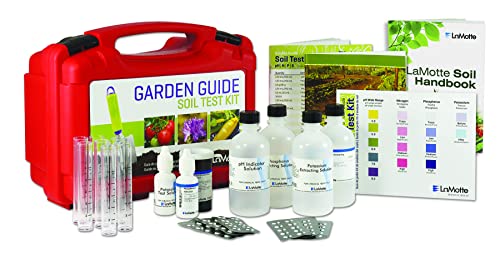
Lamotte Model 5679-01 Turf and Garden Soil Test Kit

Bluelab pH Pen with Double Junction Probe
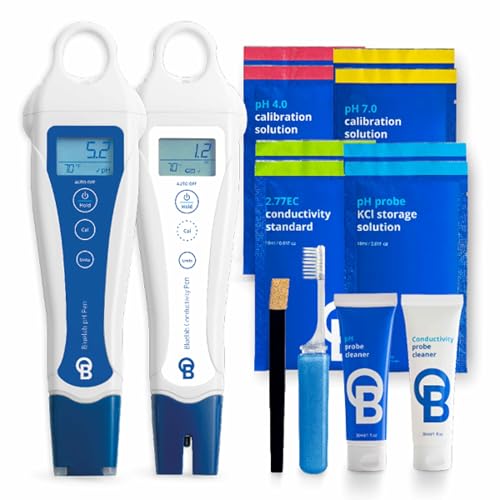
Bluelab pH and Conductivity Starter Pack
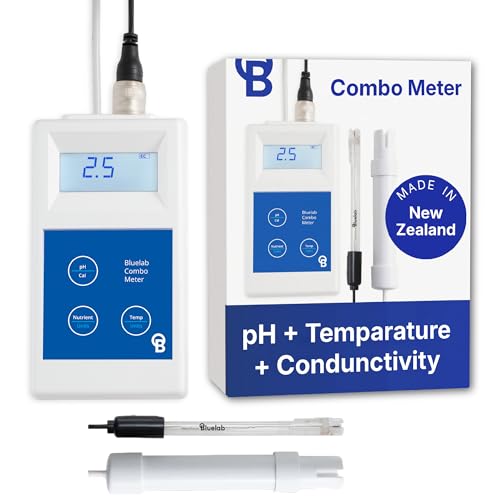
Bluelab Combo Meter pH, Temperature & Conductivity

LAWNFUL Digital Soil pH Monitor GSph-w-LFx
Jxikatx 7-in-1 Soil Test Kit with Dual Display

MySoil Mail-In Soil Test Kit with Recommendations
Inside Each Recommended Option
The Pexio PretiHom probe is the kind of low-commitment tool that earns a permanent spot in the potting shed. It slides into soil and reads moisture, pH, and ambient light without a battery, which means no dead cells the day you actually need it. For indoor plant owners juggling a windowsill collection, the dual-needle design gives a quick snapshot before you water or move a pot.
It’s best understood as a triage tool rather than a precision instrument. The readings skew qualitative, so experienced growers use it as a fast yes/no check rather than a calibration source. If you’ve ever killed a succulent by loving it too much, that quick moisture check alone justifies its place.
Where It Excels
- Battery-free operation means you can grab it and go without thinking about power levels.
- Three readings in one pass save time on weekly watering rounds.
- Long probe reaches deep into larger pots and garden beds.
- Lightweight body stores easily in a drawer between uses.
Things To Consider
- Probe tips can corrode over time if left damp, so wiping and drying between uses extends the lifespan.
- Not suitable for testing nutrient solutions or hydroponic reservoirs where precision matters.
- Readings may drift in very dry or heavily fertilized soil.
Right Fit For
Casual houseplant owners who want a fast moisture check before watering a mixed indoor collection.
Look Elsewhere When
You’ll get more actionable numbers from the Lamotte Model 5679-01 if you’re managing a serious lawn renovation with NPK data.
The Aenncci tester covers the same trio as the Pexio PretiHom but adds a fertility reading, which is genuinely useful for raised beds and vegetable patches. You push the probe into damp soil, flip the mode switch, and get a rough estimate of nutrient load alongside moisture and pH. For beginners who don’t yet know what questions to ask, that’s a meaningful edge.
Realistically, the fertility reading is more directional than scientific, so treat it as a signal rather than gospel. It’s a strong entry point for someone testing whether they even like routine soil checks before investing in lab gear.
The Case For It
- Fertility mode offers a rough nutrient snapshot without extra equipment.
- No batteries or calibration steps required out of the box.
- Works indoors and outdoors across soil types.
Points To Keep In Mind
- The fertility reading depends on soil moisture, so dry samples can throw off results.
- Probes benefit from a quick clean between garden beds to avoid cross-contamination.
- Color-coded fertility scale takes a few uses to interpret confidently.
Quick Facts
Who It Suits Best
Beginners managing a small mixed garden who want a single tool to gauge water, pH, and nutrients.
A Better Fit Elsewhere
Choose the Bluelab Combo Meter when your focus shifts to hydroponic reservoirs rather than in-ground soil.
The Lamotte kit ditches the probe-and-pray approach in favor of reagent-based chemical testing, the same method soil labs have used for decades. You mix soil samples with provided solutions, compare the resulting color against laminated charts, and get quantitative nitrogen, phosphorus, potassium, and pH numbers. For a homeowner planning a serious lawn overhaul or vegetable rotation, that’s a step up from guesswork.
Compared to the Aenncci probe, this is a slower, more deliberate process. You trade instant readings for actual NPK breakdowns that inform fertilizer decisions, which is why turf managers and serious gardeners keep one on the shelf.
Positive Takeaways
- Tests nitrogen, phosphorus, potassium, and pH with separate reagents.
- Laminated color charts provide reliable comparison references.
- Garden Guide manual explains how to interpret results and adjust inputs.
- Rapid test procedures give results without mailing samples.
Worth Noting
- Reagent refills are sold separately once the included supply runs out.
- Process takes longer than a probe meter and requires clean glassware.
- Color matching can be tricky under poor lighting conditions.
Made For
Homeowners tackling lawn renovation or vegetable bed planning who want real NPK numbers to guide fertilizer choices.
Consider Something Else When
You’ll find the MySoil mail-in kit more useful when you’d rather skip the chemistry and get lab recommendations delivered.
The Bluelab pH Pen is a purpose-built digital meter aimed squarely at growers who measure pH in water rather than in soil. A double junction probe is the part of the meter that contacts your solution, and the double-junction design here resists contamination from nutrient solutions longer than single-junction alternatives. Hydroponic growers, aquarium keepers, and pool managers tend to land on this pen for routine checks.
Where the Pexio PretiHom and Aenncci probes give you a soil-side glance, this pen delivers a calibrated reading you can trust before adjusting nutrient feeds. It’s a different category of tool with a different workflow, and worth understanding before adding it to your kit.
Useful Highlights
- Accuracy of ±0.1 pH is enough for most nutrient management decisions.
- Double junction probe handles nutrient-heavy solutions with less fouling.
- Compact form factor fits comfortably in a reservoir-side tool caddy.
Trade Offs
- Probe requires regular calibration with buffer solutions to stay accurate.
- Not designed for direct soil insertion, so it complements rather than replaces probe meters.
- Storage solution and care routine add a small maintenance step.
Feature Snapshot
Best Suited To
Hydroponic growers and aquarium hobbyists who need calibrated pH readings in water rather than in soil.
Swap It Out When
Reach for the Pexio PretiHom meter if your priority is checking houseplant soil moisture without any calibration steps.
This Bluelab bundle pairs a pH pen with a conductivity pen, giving hydroponic growers the two readings that matter most for nutrient management. pH tells you how acidic or alkaline your solution is, while electrical conductivity (EC) indicates how concentrated your dissolved nutrients are. Together, they form the backbone of any feed-chart routine.
Both pens feature backlit displays readable in dim grow tents and offer temperature readings in Celsius or Fahrenheit. For growers stepping up from a single-purpose meter, the dual-pen format covers daily reservoir checks without juggling devices.
Why It Works Well
- Two calibrated pens handle pH and EC without switching probes.
- Backlit displays stay readable in low-light grow environments.
- Temperature compensation improves reading accuracy across conditions.
Honest Caveats
- Higher cost than single-meter alternatives.
- Both probes require ongoing calibration and proper storage.
- Not a soil-pH tool, so it’s redundant for traditional garden beds.
Feature Rundown
Who Should Grab It
Hydroponic growers managing multi-part nutrient regimens who want dedicated pH and EC tools without overlap.
Reach For A Different Pick When
The Bluelab Combo Meter consolidates three readings into one device if you’d rather carry a single instrument.
The Bluelab Combo Meter (METCOM) consolidates pH, conductivity, and temperature into one handheld unit, replacing the juggling act of separate pens. A lab-grade glass probe sits at the business end, and automatic temperature compensation (ATC) adjusts readings as solution temperature shifts, which matters in warm grow rooms where uncompensated meters drift noticeably.
Where the Starter Pack splits pH and EC into two pens, this device merges them. The trade-off is one probe handling three jobs, but for growers who want a streamlined routine, that consolidation is the main selling point.
Where It Helps
- Single meter handles pH, EC/TDS/PPM, and temperature readings.
- ATC keeps readings stable as solution temperatures fluctuate.
- Lab-grade glass probe delivers dependable accuracy.
Less Ideal Details
- Glass probe is more fragile than plastic-bodied alternatives.
- Calibration solutions sold separately add to ongoing ownership cost.
- Single probe means downtime if it needs replacement.
Technical Sheet
Built With In Mind
Hydroponic and indoor growers running reservoirs who want one device covering pH, EC, and temperature without swapping tools.
Where Another Pick Suits Better
The LAWNFUL Digital Soil pH Monitor is the better match if you’re testing in-ground soil rather than nutrient solutions.
The LAWNFUL GSph-w-LFx narrows its focus to a single job: digital pH readings in soil. Where the Aenncci tester crams moisture, fertility, and pH into one probe, this unit prioritizes accuracy on the one metric that drives nutrient availability. For growers tired of squinting at color-coded analog dials, a digital readout is a noticeable quality-of-life upgrade.
It’s a focused tool with a focused job. The one-year warranty coverage offers some peace of mind if you treat it roughly in the garden, though probe care still matters regardless.
Real Benefits
- Digital display removes guesswork from analog color comparisons.
- Dedicated soil-pH design simplifies the measurement process.
- One-year warranty covers manufacturing defects.
Points To Note
- Single-purpose design means pairing with a moisture meter for full picture.
- Probe cleaning between samples is essential for consistent readings.
- Not suitable for liquid nutrient or reservoir testing.
Whose Shelf It Belongs On
Gardeners focused specifically on soil pH corrections who want a digital readout without paying for extra probe features.
Not Your Match When
The Jxikatx 7-in-1 kit is the better fit if you want light, temperature, and fertility readings alongside pH from a single probe.
The Jxikatx kit pushes the multi-meter concept further by reading seven conditions in one probe: moisture, pH, fertility, light intensity, soil temperature, air humidity, and ambient temperature. A dual-display layout shows two readings at once, so you can compare, say, soil temp against air temp without cycling through menus.
Versus the Aenncci 3-in-1, this is more information on one screen, which appeals to data-hungry gardeners running mixed outdoor beds. The honest read is that not every reading carries equal weight, but having light and temperature alongside pH makes microclimate decisions easier.
What Pays Off
- Seven readings cover most microclimate and soil checks in one tool.
- Dual display reduces menu-diving during routine checks.
- Suitable for indoor and outdoor growing environments.
Factors To Consider
- More readings mean more interpretation work on your end.
- Battery-powered, so keeping spares avoids downtime.
- Some sensors (light, humidity) read ambient conditions rather than soil-specific data.
Key Product Details
Who Will Love This
Garden enthusiasts who want a single probe to cover environmental and soil readings across mixed outdoor beds.
Skip It When
The Lamotte Model 5679-01 makes more sense if you need real NPK numbers rather than a broad qualitative overview.
The MySoil kit takes a completely different approach: you collect a soil sample, mail it to a partnered lab, and receive a detailed analysis covering 13 plant-available nutrient levels along with pH. The result includes fertilizer and amendment recommendations tailored to your specific soil profile and intended plants, which removes the interpretation work that slows down most DIY testing.
Compared to the Lamotte reagent kit, MySoil trades immediacy for depth. You wait for the lab turnaround rather than mixing chemicals at home, but the output goes well beyond what any home kit can produce. For anyone planning a serious garden overhaul, that detail can be worth the wait.
What Works In Its Favor
- Lab analysis covers 13 nutrient levels plus pH for a complete soil profile.
- Tailored recommendations account for your soil and intended plantings.
- Suitable for lawns, vegetable beds, and ornamental gardens.
Practical Considerations
- Requires mailing a sample and waiting for lab processing.
- Single-use format per test rather than an ongoing measurement tool.
- Follow-up testing costs repeat the cycle for ongoing monitoring.
Perfect Match For
Garden planners building long-term soil improvement strategies who want lab-grade analysis without managing reagent chemistry.
Another Choice May Suit
The Jxikatx 7-in-1 is a better everyday tool when you want instant readings rather than waiting for mailed results.
What Matters Most Before Choosing ph test kits for plants
Match the Tool to Your Growing Style
Probe meters like the Pexio PretiHom and Aenncci work for quick soil-side checks, but they offer relative readings rather than calibrated numbers. If you’re balancing fertilizer or chasing a specific pH window, you’ll want reagent or lab testing behind those snapshots. Hydroponic growers live in a different world entirely, where pens and combo meters measuring liquid solutions are the relevant tools.
Probe vs. Reagent vs. Lab
Probe meters give instant results with minimal learning curve. Reagent kits like the Lamotte Model 5679-01 deliver NPK data with more effort and a little chemistry. Mail-in lab kits trade time for thoroughness, returning detailed analysis with recommendations. Your patience for process and need for precision usually pick the category for you.
Calibration and Maintenance Reality
Digital probes drift without regular calibration, and probe tips corrode if stored damp. Reagent kits need clean glassware and steady hands for color matching. Even mail-in kits require proper sample collection to avoid skewed results. Honestly, the kit you’ll actually maintain is the one that fits your routine, so factor in upkeep time before picking.
Reading Accuracy in Real Conditions
Soil moisture affects most probe readings, so dry samples skew results across the board. Temperature shifts influence pH probes more than most gardeners realize, which is why automatic temperature compensation matters in warm grow rooms. For lawn and garden work, sampling at root depth and consistent moisture gives the most useful numbers.
Smart Choices Across This Category
Where Shoppers Go Wrong
Treating a probe meter as a precision instrument is the most common slip-up in this category. Probe meters are triage tools, and trusting their numbers for fine fertilizer adjustments leads to overcorrection. Another trap is skipping calibration on digital pens, which causes readings to drift silently until plants show stress. Sample collection errors also trip people up, since dry or surface-level soil doesn’t represent root-zone conditions.
Where The Extra Money Goes
Premium tiers in this category buy calibration hardware, replaceable probes, and broader nutrient analysis. A Bluelab pen costs more than a basic probe, but the double-junction design and replaceable probe extend useful life well beyond cheaper alternatives. Mail-in kits carry higher upfront costs because lab analysis and tailored recommendations replace the manual interpretation work that home users otherwise handle themselves. The upgrade pays off when your garden has outgrown rough estimates and you need consistent, defensible numbers to guide decisions.
Frequently Asked Questions
How often should you test your soil pH?
Test active garden beds every two to three months during the growing season, and check houseplant soil monthly or whenever growth stalls. Container plants and hydroponic reservoirs shift faster, so weekly checks keep nutrient issues from compounding.
Are probe meters accurate enough for vegetables?
For most home vegetable gardens, probe meters provide useful directional readings. If you’re chasing a narrow pH window for blueberries or other acid-loving crops, a reagent or lab test delivers tighter numbers that justify the extra effort.
Can you reuse soil pH test strips?
Most home test strips are single-use because the reagent pad reacts once and can’t reset. Mail-in lab kits are also single-use per sample, while digital probes are reusable indefinitely with proper care and calibration.
Do pH meters need calibration?
Yes, digital pH meters require calibration with buffer solutions to stay accurate. Without it, readings drift over weeks and months, often without obvious warning signs until plants show stress.
What’s the difference between pH and fertility readings?
pH measures how acidic or alkaline your soil is, which controls nutrient availability. Fertility readings estimate the concentration of nutrients like nitrogen, phosphorus, and potassium, telling you whether amendments are needed regardless of pH.