A north-facing window or a sun-starved apartment corner is the usual reason people start searching for plant grow lights. The right fixture turns leggy seedlings into stocky transplants, keeps herbs productive through winter, and gives a fiddle-leaf fig somewhere to draw energy from during short December days. This roundup covers floor lamps, panel arrays, pendant fixtures, clip-ons, and full quantum-board kits so you can match hardware to the size of your plant collection and the way you actually grow.
The Essentials At A Glance

GLOWRIUM 48W Grow Light for Indoor Plants with Stand

HLG 600 Rspec FR 600W LED Quantum Board Grow Light

Barrina TX-L84 4FT LED Grow Light 84W 4 Panels
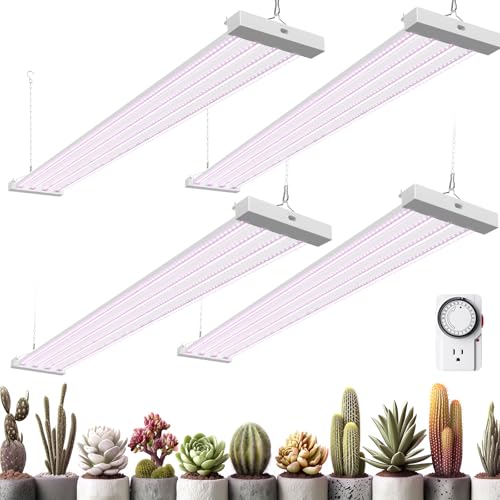
Barrina TX-L84 4FT LED Grow Light 336W 4 Panels

yadoker Plant Grow Light Full Spectrum Height Adjustable

VIIVUU Clip-On Plant Grow Light White 1 Pack

Soltech Aspect Gen 2 Pendant Grow Light
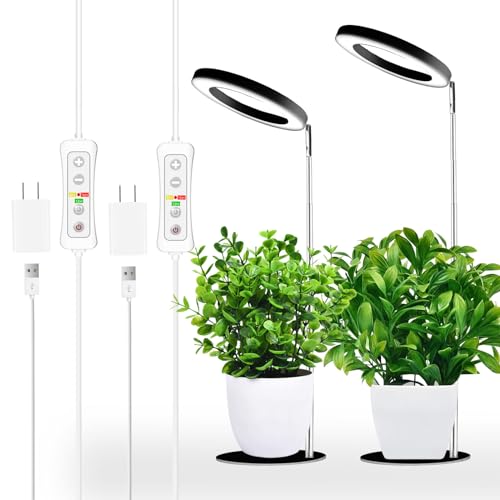
Yadoker 144 LEDs Full Spectrum Grow Light 2 Pack
The Picks, Examined More Closely
The GLOWRIUM is a floor-lamp-style setup, so it slips behind a fiddle-leaf fig or a tall monstera without needing a shelf or a ceiling mount. A four-section pole extends the lamp head up to roughly 79 inches, which is enough to clear most houseplants on a plant stand.
Stepless dimming and three light modes let you tune intensity through the day, which helps when you have a mix of low-light pothos and brighter herbs under the same hood. For most people starting out with a handful of houseplants, this is the kind of grab-and-go rig that grows on you.
Notable Upsides
- Full-spectrum output suits seedlings, leafy greens, and flowering houseplants in one fixture.
- Stepless dimming means no harsh on/off jumps, which plants tolerate better than a sudden blast of light.
- Long pole reach accommodates tall floor plants without moving furniture.
- Lamp head is enlarged, spreading light over a wider cluster of pots rather than a single stem.
Things To Consider
- At 48W, output is moderate, so dense fruiting plants may want something more powerful.
- No mention of a built-in timer, so daily on/off scheduling is on you.
Whose Shelf It Belongs On
Houseplant parents with a few tall specimens in a living room or den who want a single fixture that reaches over a cluster of pots.
Where Another Pick Suits Better
Growers running a 4×4 tent with heavy fruit load should look at the HLG 600 Rspec FR instead, since quantum boards deliver stronger canopy penetration for flowering crops.
HLG’s 600 Rspec FR is a quantum board fixture (a flat panel of small, high-output LEDs spread across a board) aimed squarely at serious indoor growers. It produces 1529 PPF (photosynthetic photon flux, the total amount of light plants can use for photosynthesis, measured in micromoles per second) at 2.60 μmol/J (micromoles of usable light per joule of electricity, a measure of how efficiently a fixture converts power into plant-usable light), which is the kind of efficiency spec you’d look for if you cared about grams per watt. The fixture is sized for a 4×4 grow tent and is ETL/UL certified for safety.
Compared to the GLOWRIUM floor lamp, this is a purpose-built canopy light with far more intensity. Dimmable output gives some flexibility through veg and flower, and the FR (far-red) diodes help stretch and finishing behavior during the last stretch of bloom.
What Makes Sense
- High μmol/J efficiency means more usable light per watt of electricity.
- Far-red spectrum helps drive flowering responses and inter-node spacing.
- Dimmable driver lets you reduce output during early vegetative growth.
- Form factor maps cleanly to a standard 4×4 grow tent footprint.
Trade Offs
- Requires a hanging setup, so a tent or ratchet hangers are essentially mandatory.
- Heat and weight at 600W call for a room that can handle the load and airflow.
- Overkill for a windowsill herb garden or a single houseplant.
Feature Snapshot
Made For
Experienced growers running a dedicated 4×4 tent with high-light crops like peppers, tomatoes, or dense flower canopies.
Skip It When
Casual houseplant owners should step down to the Barrina TX-L84 panels or the GLOWRIUM stand, which cost less and suit smaller collections.
Barrina’s TX-L84 is a four-panel T8-style bar light (a slim tube-format LED fixture) designed to spread coverage across a wide shelf. At 84W, the manufacturer states it replaces roughly 920W of traditional plant lighting, which is the kind of efficiency claim worth checking against your real shelf size rather than the brochure.
Used at the recommended 11.8 inches above the canopy, the four-panel spread covers about 47 by 19 inches, which fits a typical 4-foot shelf. Compared to the HLG quantum board, this is far less intense per square inch, but it costs less and runs cooler for a beginner setup.
Points In Its Favor
- Wide four-panel layout avoids the hot spots a single strip can create.
- Slim T8 shape mounts easily under shelves or in small grow tents.
- Full-spectrum including 730nm IR supports flowering triggers.
Honest Caveats
- PPFD (photosynthetic photon flux density, the measure of usable light delivered to a given area) drops off sharply past the rated coverage area, so spacing matters.
- Mounting hardware and link cables are simple, which is fine but not premium.
Best Suited To
Seedling growers and hobbyists running a single 4-foot shelf who want even light without a fan-cooled heat source.
Look Elsewhere When
If you need serious flowering intensity, the 336W Barrina TX-L84 in this roundup is a logical step up.
Same four-panel chassis as the 84W TX-L84, scaled to 336W (four 84W panels) for full-room growing. Barrina positions it as a replacement for around 2200W of traditional plant lighting, and you can see the use case immediately: a multi-shelf rack or a denser canopy that would starve under a single bar.
That said, you may find the heat output and power draw more than a small apartment circuit wants to handle. The red-and-blue full spectrum is geared toward growth and yield, which is a different target than the warm white a living-room display fixture would aim for.
Positive Points
- High wattage supports dense canopies that the 84W version cannot push.
- Same four-panel geometry gives you the same wide coverage footprint at four times the power.
- Red and blue spectrum targets photosynthesis and yield specifically.
Worth Noting
- Power draw can be a concern on a shared household circuit, depending on what else runs nearby.
- Cooling and mounting both need more thought at this wattage than at 84W.
Feature Snapshot
Who Should Grab It
Growers with multi-tier racks or full-tent setups that need serious PPFD across an entire shelf surface.
Not Your Match When
Casual indoor gardeners will be happier with the lower-wattage Barrina TX-L84 84W or the Yadoker 144 LEDs 2-pack, which keep things simpler.
The yadoker full-spectrum grow light is aimed at people with one large floor plant that nobody can seem to keep happy through winter. It runs on a low 5V safe-voltage system, which makes cord management less worrying around pets and small children.
The bamboo-look stand and adjustable height give it a warmer presence than a clip-on or panel light, so it can sit beside a chair or a corner palm without screaming “grow tent.” Compared to the GLOWRIUM floor lamp, this one is built more around a single large plant than a mixed cluster.
The Case For It
- Bamboo design blends into living spaces better than a typical black bar light.
- Low 5V voltage is reassuring around pets and kids.
- Full spectrum from 380nm to 800nm covers all growth stages.
Small Caveats
- 5V power tends to mean moderate output, so light-hungry fruit or flower crops may struggle.
- Build leans toward aesthetics over heavy-duty hardware for a permanent tent.
Quick Facts
Right Fit For
Anyone with one or two large floor plants in a dim living room corner who wants a fixture that doesn’t visually shout “hardware.”
A Better Fit Elsewhere
Multi-plant collectors will be better served by the GLOWRIUM floor lamp, which spreads light across a wider cluster.
The VIIVUU is a small clip-on grow light with a strong clamp, plus an included soil-stake option for direct insertion into a pot. The hollow-ring lamp head keeps weight down, so the clamp holds its position without drifting.
For a single herb pot on a kitchen counter or a struggling succulent on a desk, this is the kind of tool that solves a specific problem without a big footprint. Unlike the wider Barrina panels or the tall yadoker stand, the VIIVUU is meant to follow one plant around.
Real Benefits
- Strong clamp grips onto pot rims, shelves, or thin boards without slipping.
- Soil stake alternative makes it easy to position low over a single pot.
- Light head is hollow-ring, so the fixture stays light on the clamp.
Points To Note
- Single pack means multi-plant setups need multiple units, which can clutter a counter.
- Light output is tailored to small plants, so larger floor specimens will outgrow it.
Key Product Details
Who It Suits Best
Apartment dwellers and renters with one or two small plants on a counter who want a tool that doesn’t require permanent installation.
Swap It Out When
For a desk herb garden that needs wider coverage, the Yadoker 144 LEDs 2-pack covers more surface in a similar footprint.
The Aspect Gen 2 is a pendant fixture (a hanging light designed to be suspended from the ceiling) built to look like a piece of interior lighting rather than a grow rig. The warm white output reads as a natural room light, and the manufacturer states it produces around 110% more plant-usable light than the original Small Aspect.
It is the only entry on this list that openly markets itself as decor first and grow tool second. For a living room, bedroom, or open-plan space where a hanging Barrina panel would feel out of place, this is the calmest-looking option in the roundup.
Standout Benefits
- Pendant form looks like a designer light, so it blends into decorated rooms.
- Warm white output keeps the room feeling natural rather than purple or blue.
- Dimming support lets you shift from task lighting to plant-only mode.
Room For Improvement
- Hardwired or ceiling-suspended installation is more involved than a clamp or floor lamp.
- Coverage is a focused cone, so wide plant groupings need multiple pendants or a separate panel.
Feature Card
Perfect Match For
Design-focused indoor gardeners who want a plant light that earns its place in a styled room rather than hiding in a utility corner.
Reach For A Different Pick When
Veggie gardeners running shelves or a tent will get more canopy value from the Barrina TX-L84 panels or the HLG quantum board.
Yadoker’s 144-LED two-pack is the counter-and-dorm answer in this roundup. Each head sits in a 6.3-inch aluminum housing, with height adjustment, 10 brightness levels, and 8/12/16-hour timer settings. Two fixtures in a pack means you can light a herb row on one side of a kitchen or a pair of dorm shelves.
It’s not going to replace a tent, but for small-space living, it covers the spots where a Barrina panel would be too wide. The aluminum housing helps pull heat away from the LEDs, which owners commonly report as a difference-maker for longevity on a counter that already runs warm from kitchen appliances.
A Favorable Mix
- Two-pack layout covers both sides of a counter or shelf in one buy.
- Three timer options and ten brightness levels give fine control without an app.
- Aluminum housing helps dissipate heat for longer LED life on a warm surface.
Some Limits To Know
- Output per head is modest, so dense fruiting plants may need supplemental light.
- Bases add footprint, so very narrow shelves may need a clamp instead.
The Main Details
Built With In Mind
Studio apartment and dorm dwellers who want a tidy two-light setup on a kitchen counter, desk, or narrow shelf.
Consider Something Else When
Growers needing serious canopy coverage for vegetables should jump to the Barrina TX-L84 84W or the HLG 600 Rspec FR.
What To Weigh Before Choosing Plant Grow Lights
Match The Fixture To The Space
The biggest fork in the road is the size of what you’re lighting. A single fiddle-leaf fig on a plant stand has different needs than a 4×4 tent full of peppers, and the gear on this list reflects that spread. Floor lamps like the GLOWRIUM and yadoker cover large specimens, panels like the Barrina TX-L84 series light whole shelves, and pendant or clip-on fixtures like the Soltech Aspect and VIIVUU serve single-plant or decor-first use cases.
Understand Spectrum And Intensity
Full-spectrum LEDs cover the wavelengths plants use for photosynthesis, which for most houseplants and herbs is enough. Higher-end fixtures add 730nm far-red diodes, which influence flowering and stretch behavior. Intensity is measured in PPF (total output) and PPFD (output at the canopy), and the more demanding the crop, the more of both you want. Herbs and leafy greens tolerate moderate PPFD; flowering and fruiting plants want numbers more like what the HLG 600 Rspec FR delivers.
Think About Mounting And Power
Ceiling pendants, floor stands, clip-on clamps, and shelf-mount bars all have different install footprints. Apartments with strict rules favor clamp or freestanding options, while permanent grow spaces can handle suspended panels. Power draw matters too: a 336W Barrina setup on a shared 15-amp kitchen circuit can be a real load, especially with other appliances on the same line.
Key Considerations Across These Picks
Pitfalls Shoppers Hit
The most common mistake is buying a light that’s too small for the canopy you want to cover. A single clip-on grow light is wonderful for one herb pot and useless for a tray of seedlings, and manufacturers often describe coverage based on hanging height that most casual users don’t replicate. The other regular miss is ignoring photoperiod. Plants need a defined dark cycle, and leaving a light on around the clock can stress them as much as leaving them in the dark. Pick a fixture with a built-in timer, or commit to a smart plug schedule.
The Upgrade Payoff
Higher-tier fixtures like the HLG 600 Rspec FR and the 336W Barrina TX-L84 cost more up front, but the difference shows up in three places: efficiency (more usable light per watt), spectrum accuracy (cleaner red and far-red output), and longevity (better thermal management on the diodes). For a single houseplant, the upgrade rarely pays back. For a serious herb or flower garden, the better output usually earns its place within a single grow cycle.
Frequently Asked Questions
How many hours a day should grow lights stay on?
Most houseplants and herbs do well with 12 to 16 hours of light per day, with a real dark period for the rest. Seedlings often lean toward the longer end, while some flowering plants need strict photoperiods to trigger bloom.
Do full-spectrum LED grow lights work for all plant types?
Full-spectrum LEDs cover the wavelengths most foliage plants, herbs, and many flowers need. Fruiting crops at high yields benefit from added far-red or dedicated flowering spectrums, which the HLG and Barrina fixtures provide.
How close should a grow light hang to the plant?
Distance depends on the fixture’s intensity, but a common range is 6 to 18 inches above the canopy. Lower-wattage clip-on lights can sit closer, while high-output quantum boards need more headroom to avoid leaf bleach.
Can a regular lamp replace a grow light?
Regular household lamps usually don’t deliver the right spectrum or intensity for serious plant growth, and they often run hot. A purpose-built grow light is a better bet for anything beyond a single low-light houseplant.
Do grow lights use a lot of electricity?
LED grow lights are far more efficient than older HID (high-intensity discharge) setups. A small clip-on or 48W floor lamp uses about the same power as a household bulb, while a 600W quantum board draws more like a space heater.
Bottom Line
The right grow light depends on where you grow and what you grow there. Start with the plant collection you actually have, not the one you wish you had, and pick the smallest fixture that covers it well. You can always scale up to a Barrina panel or an HLG quantum board when your indoor garden outgrows a single floor lamp.