Raised beds solve a lot of headaches at once: poor native soil, bad drainage, kneeling on rocky ground, and the slow creep of weeds from the lawn. For city dwellers, renters, and anyone working with a small patio or a stubborn backyard, the right bed or the right guide can be the difference between a thriving harvest and a season of frustration. The list below pairs sturdy physical beds with a few well-targeted books, so you can pick the format that matches your space, your soil, and your appetite for building.
The Lineup, Simplified

Simple Raised Bed Gardening For City Dwellers Guide
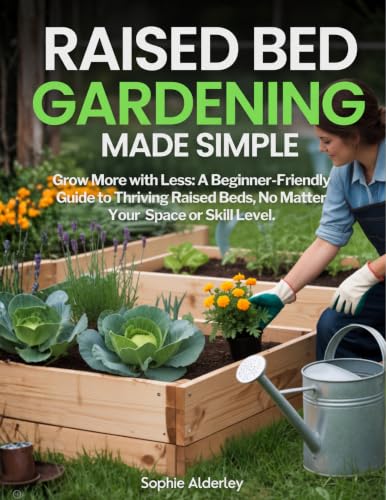
Raised Bed Gardening Made Simple Guide

The Compact Garden Small Space Guide

Vego Garden 17″ Tall 9-in-1 Metal Bed 8x2ft
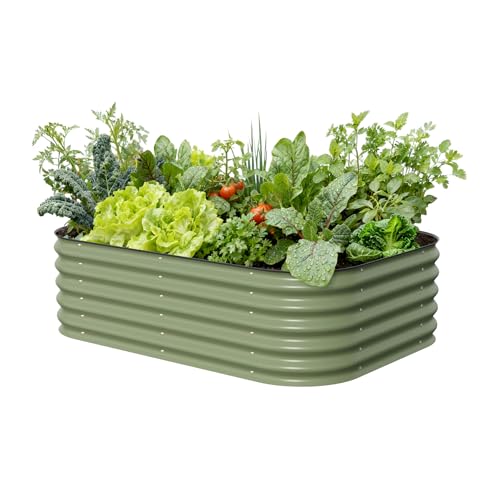
Vego Garden 17″ Tall 6-in-1 Metal Bed

Gardening with Chickens by Lisa Steele

Kitchen Gardening For Beginners 5-Step Guide

PINPON 2-Pack Galvanized Round Planter Beds

Sophia Mills Mid Century Acacia Plant Stand
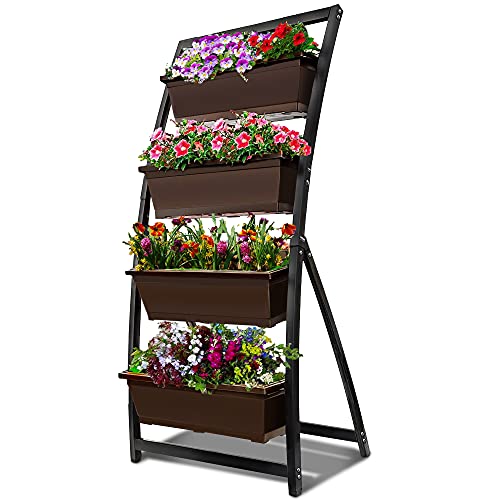
Outland Living 6-Ft Vertical 4-Bin Planter
The Strengths Of Each Pick
City gardening has its own quirks, and this Kindle guide leans into them. It’s framed for renters and small-space growers who’d otherwise settle for a sad herb pot by the sink. The book focuses on organic methods and walking you through the basics of building and maintaining a bed in tight quarters.
For anyone whose “yard” is a balcony, a fire escape, or a narrow side strip, the framing feels honest. It assumes you don’t have a tiller or a compost heap, and it talks through the workarounds. Most readers will appreciate that it doesn’t assume any prior experience.
Key Advantages
- Tailored to renters and tight urban footprints
- Walks through organic, sustainable practices
- Beginner-friendly tone with no prior experience required
- Kindle format means you can reference it from your phone while planting
- Giftable as a digital download with a personal message
Worth Noting
- Digital only, so you can’t flip pages with soil-covered hands
- Focused on small urban setups rather than big backyard layouts
Right Fit For
First-time urban gardeners with a balcony, patio, or tiny side yard who want a hand-holding start to raised bed growing.
Look Elsewhere When
You need a full backyard setup. Raised Bed Gardening Made Simple is a better fit if you’re planning a larger in-ground or multi-bed layout.
The “no-fail” pitch in the title sets the right expectation. This Kindle title targets beginners who want a structured path, not a coffee-table read. The promise is bigger harvests with less fuss, which speaks directly to anyone tired of trial-and-error.
Where the Simple Raised Bed Gardening For City Dwellers Guide leans urban, this one stays flexible across spaces. It’s pitched as a starting point for any size of plot, and it leans into organic and sustainable practices. The “grow more with less” framing tends to click with newcomers trying to stretch a small bed’s output.
Everyday Advantages
- Step-by-step approach suited to absolute beginners
- Covers both organic and sustainable methods
- Designed to work in any size of space
- Focuses on efficiency, so small beds feel productive
Trade Offs
- Kindle-only delivery, no printed pages
- May feel light on detail if you’re past the first-year stage
Feature Snapshot
Made For
First-time growers who want a confidence-building structure and a clear path to a productive raised bed.
Consider Something Else When
You want urban-specific tactics. The Compact Garden leans harder into tight-space planning and balcony layouts.
Where the first two guides teach general principles, this title zooms in on real estate. Container gardening is its category, which means the book talks about pots, tight corners, and balconies with practical respect.
It’s pitched at beginners who want a vegetable harvest without a yard. The format covers setup, picking beginner-friendly crops, planning the season, and harvesting at home. If you’ve ever tried to grow basil on a windowsill and killed it in two weeks, the framing will land.
Practical Advantages
- Specifically addresses container and balcony setups
- Walks through planning a year of growing
- Targets beginner-friendly vegetable varieties
- Helps you actually harvest and use the produce
Room For Improvement
- Less useful for in-ground or large raised bed layouts
- Assumes very small spaces, so bigger plots get little attention
Best Suited To
Apartment dwellers, condo owners, and anyone trying to coax a real vegetable harvest from a balcony or stoop.
Swap It Out When
You want a flexible book that scales from balcony to backyard. Raised Bed Gardening Made Simple handles a wider range of setups.
Switching from books to beds, Vego’s 9-in-1 kit is the most shape-shifting option in the lineup. The modular panels assemble into one of nine configurations, so you can match the bed to your yard instead of the other way around. For a long, narrow side yard or an L-shaped corner, that flexibility is the whole point.
The 17-inch height is meaningful. It means deep root space for tomatoes and root crops, plus a much more comfortable working height for anyone whose back protests kneeling. Compared to the compact books above, this is a permanent structure designed for years of growing.
A Few Highlights
- Nine configurations let you fit awkward spaces
- 17-inch depth supports deep-rooted crops
- Coated steel designed to handle years of weather
- Generous 8ft by 2ft footprint in the standard layout
Points To Keep In Mind
- Larger footprint than round or vertical options
- Metal construction runs hotter in full summer sun, so mulch matters
Who Should Grab It
Backyard remodelers who want one bed kit that can be reshaped over time as the garden plan evolves.
A Better Fit Elsewhere
You only have a balcony. The Outland Living 6-Ft Vertical 4-Bin Planter works much better for tight patio footprints.
The sibling to the 9-in-1 kit trades a few layout possibilities for the same heavy-duty material story. The VZ 2.0 coated finish is built around zinc, magnesium, and aluminum layers with an AkzoNobel paint topcoat. The brand reports independent lab testing at Texas A&M for corrosion resistance, and the design is rated for a 20+ year service life.
Compared to the 9-in-1, this one gives you six configurations and a slightly simpler assembly. The rounded corners and rubber safety edging are practical touches, especially around kids and pets. You may find the height genuinely takes pressure off your back during a long weeding session.
Good Reasons To Consider
- Coated steel panels rated for long-term outdoor use
- Six layout choices cover most yard shapes
- Rounded edges with rubber safety trim
- 17-inch depth eases strain during long sessions
Some Limits To Know
- Still larger than balcony-friendly options
- Fewer configurations than the 9-in-1 sibling
- Metal sides can warm up in full exposure
Spec Overview
Whose Shelf It Belongs On
Long-term gardeners who care about durability and want a bed that holds up across many seasons.
Reach For A Different Pick When
You need maximum layout flexibility. The Vego Garden 17″ Tall 9-in-1 Metal Bed 8x2ft gives you more shape options.
This one breaks the mold by adding hens to the equation. Lisa Steele’s book is about designing a garden that works with a backyard flock, not against it. If you’ve ever lost a tomato bed to curious chickens, you already understand the problem this book is solving.
For most people raising plants in raised beds, the chicken angle is a niche within a niche. For the small group keeping both, though, it’s the only book on this list that addresses that overlap directly. It falls under gardening and landscape design with an outdoor focus, which fits the rural-and-suburban reader.
Where It Delivers
- Specifically covers garden-and-flock integration
- Helps protect beds from being scratched bare
- Useful for both ornamental and edible layouts
Factors To Consider
- Niche focus that doesn’t help the average urban gardener
- Only relevant if you actually keep chickens or plan to
Perfect Match For
Backyard flock keepers who also maintain raised beds and want both to coexist peacefully.
Skip It When
You don’t have hens. Raised Bed Gardening Made Simple covers more general-purpose beginner needs.
Budget-conscious beginners get a structured five-step plan without paying for a thicker printed guide. This Kindle title covers herbs and vegetables in small spaces, containers, and raised beds, and it stays focused on the edible side of the hobby.
The framing works well for anyone starting a kitchen garden with a clear list of crops in mind. Compared to the more general beginner guides above, this one is more of a how-to-grow-your-salad manual. If your raised bed exists to feed your kitchen, the angle fits.
Where It Helps
- Five-step system keeps the learning curve gentle
- Covers herbs and vegetables together
- Includes small-space and container setups
- Designed for budget-conscious beginners
Potential Drawbacks
- Kindle-only, no physical copy for outdoor reference
- Less useful for ornamental or flower-focused beds
Quick Facts
Who It Suits Best
New gardeners with tight budgets who want a clear plan for growing herbs and salad crops at home.
Where Another Pick Suits Better
You want a guide that spans urban, suburban, and rural layouts. The Simple Raised Bed Gardening For City Dwellers Guide handles a wider range of scenarios.
Round and small, this two-pack is a different shape philosophy than the rectangular Vego kits. Each bed is a 2-foot by 2-foot round with about 3.14 cubic feet of soil volume, and the metal is a galvanized steel with a double-layer anti-corrosion coating.
Where the bigger Vego beds fit backyards, this one suits patios and balconies. Two planters in a pack gives you a little flexibility, whether you want a matched pair flanking a doorway or a small herb garden on a small deck. The compact footprint is the headline.
The Practical Payoff
- Round shape fits tight patio corners
- Two-pack gives you matched planters for entryways
- Galvanized steel with corrosion-resistant coating
- Light enough to reposition through a season
Trade-Offs To Consider
- Small soil volume restricts what fits per bed
- Galvanized metal can heat up in direct summer sun
Feature Rundown
The Right Fit
Patio growers with limited floor space who want a pair of compact, decorative planters for herbs or small flowers.
Not Your Match When
You want a large single growing area. The Vego Garden 17″ Tall 9-in-1 Metal Bed 8x2ft gives you serious square footage in one footprint.
A plant stand isn’t a raised bed, but it earns its spot for indoor raised-bed-style growing. The Sophia Mills stand is hand-finished acacia wood in a mid-century style, with an adjustable width that fits medium and large pots between 8 and 12 inches.
For people growing herbs and small greens indoors under lights or near a window, this is the support piece that finishes the setup. It also doubles as living-room décor, since the wood styling looks more like furniture than hardware. Compared to the metal kits above, this one is about presentation as much as planting.
A Strong Showing
- Solid acacia wood has real furniture-grade weight
- Adjustable width covers a range of pot sizes
- Mid-century design works in most living rooms
- Footed base keeps the stand stable under load
Small Caveats
- Pot not included, so you’re shopping for two things
- Wood finish may need occasional dusting to stay clean
Who Will Love This
Plant parents who want a stylish indoor stand for a sizeable pot and care about the room’s overall look.
Another Choice May Suit
You want outdoor growing. The Outland Living 6-Ft Vertical 4-Bin Planter handles edible outdoor growing in a balcony footprint.
The Outland Living vertical planter turns the usual horizontal raised bed on its side. Four stacked container boxes share one freestanding frame, so the whole setup stands about 6 feet tall while occupying roughly 6 square feet of floor space.
For balconies and narrow patios, the math is hard to beat. You get about 10 lineal feet of growing space without taking up walking room. It works equally well indoors near a bright window or outdoors on a covered patio, and the elevated height means less bending.
Useful Touches
- Vertical footprint saves balcony floor space
- Four separate boxes let you group herbs or rotate crops
- Freestanding frame needs no wall mounting
- Elevated height reduces bending during daily care
What To Weigh
- Limited soil depth per box restricts what you can grow
- Tall frame can catch wind on exposed balconies
- Requires anchoring in windy locations
Key Product Details
Built With In Mind
Balcony gardeners with a narrow footprint who still want enough growing capacity for herbs and small veggies.
A Better Fit Elsewhere
You want a single large bed. The Vego Garden 17″ Tall 6-in-1 Metal Bed gives you one contiguous growing area.
What To Weigh Before Choosing Your Setup
A raised bed is really three decisions stacked on top of each other: where it sits, what you build it with, and what you intend to grow. Get any one wrong and the other two fall over. A galvanized steel kit on a shady patio will underperform wood on a sunny patch, and a deep bed for tomatoes is overkill for lettuce. Matching the bed to your space and crop is the whole game.
Material, Depth, And Footprint
Coated steel beds like the Vego kits last for many seasons but warm up in full sun, so mulch matters. Galvanized planters are friendlier on price and weight but hold less soil. Wood remains a classic, though long-term care varies. Depth of at least 12 inches covers most greens; 17 inches opens up root crops and reduces bending, a meaningful gain during long weeding sessions.
Location, Light, And Access
Aim for at least six hours of direct sun for fruiting crops like tomatoes and peppers, with leafy greens tolerating partial sun. Leave enough room around the bed to wheelbarrow soil in and to reach every side without stepping in. For balconies, vertical formats like the Outland Living unit stretch the available light by stacking upward instead of outward.
Size, Shape, And Future Plans
A long rectangular bed suits a backyard row layout, while round planters fit small patios and entryways. Modular kits let you start small and expand later, which is friendlier for first-timers. Match the layout to the space, not the other way around, since reshaping a heavy steel bed mid-season is no one’s idea of fun.
Shopping Pitfalls And Premium Trade-Offs
Mistakes Worth Dodging
Buying a bed too deep for the crop is a common trap: extra soil costs money and adds weight that balconies may not handle. Equally common is underestimating sun exposure, especially on east-facing patios that look bright in the morning but go dim by afternoon. Finally, skipping a layer of landscape fabric or hardware cloth at the base invites moles, weeds, or both to undo your hard work.
What The Higher Tier Buys
Premium kits cost more for two main reasons: longer-lasting materials and more flexible configurations. A coated steel finish with a 20-year rated life means you’re not replacing the bed every five seasons, and a 9-in-1 modular kit lets you rework the layout as your plans evolve. For most beginners, the upgrade is justified by durability and flexibility rather than appearance alone.
Frequently Asked Questions
How deep should a raised bed be for vegetables?
Most vegetables need 12 inches of soil for healthy roots, while root crops like carrots do better with 16 inches or more. The 17-inch Vego kits give you enough depth for nearly any crop without extra infill.
Can I put a raised bed on a balcony or rooftop?
Yes, but weight matters. A vertical format like the Outland Living 4-bin planter keeps the soil volume manageable, while deep metal beds can overload small balconies. Check your building’s load limit before filling a large bed with wet soil.
What is the best material for a raised bed?
Coated steel and galvanized metal last many seasons with little upkeep, while wood looks natural but may need replacement sooner. Your climate and aesthetic preference will guide the choice, since performance varies by location.
Do I need to line the bottom of a raised bed?
A layer of hardware cloth or landscape fabric at the base helps block weeds and burrowing pests while letting water drain. Most gardeners skip a solid bottom, since raised beds depend on drainage to avoid waterlogged roots.
How do I keep soil from washing out of a raised bed?
Mulching the surface with straw slows evaporation and rain impact, while a layer of coarser material at the base improves drainage. Watering gently rather than blasting with a hose also keeps the top layer in place.
Closing Verdict
Raised beds succeed when the setup matches the space and the gardener. Beginners in tight urban setups often do best with a focused guide and a small footprint, while backyard growers benefit from modular steel kits that grow with their plans. Pick the option that solves your specific constraint, and the rest of the season usually takes care of itself.