Picking the right substrate changes everything for aquatic plants. Most beginner losses come down to the medium, not the species: roots suffocate in dense garden soil, float to the surface, or rot because oxygen can’t reach them. Whether you’re setting up a terrarium-style water garden, planting a koi pond basket, or growing marginals in a half-barrel, a purpose-built mix gives roots the aeration and structure they need.
A good aquatic mix stays put underwater without compacting into concrete. It also supports beneficial bacteria colonies that keep nitrogen in check, which matters more than people realize once fish or frogs enter the picture. The shortlist below covers options that handle submersion, plus a few complementary dry mixes for transition zones and bog plants that sit at the waterline.
Your Options, Compared
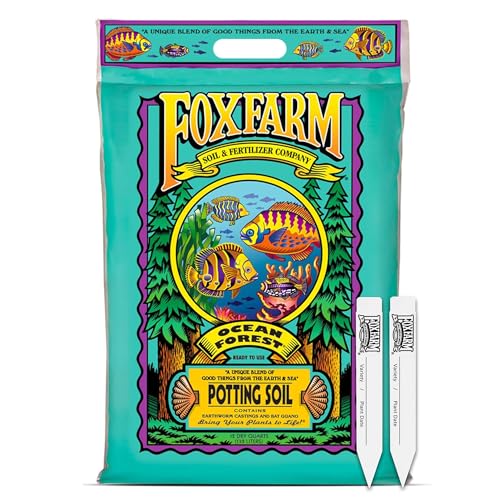
FoxFarm Ocean Forest Potting Soil 12 Quarts

FoxFarm Ocean Forest Potting Soil 1.5 cu ft

Omitgoter Horticultural Charcoal 1 qt

Miracle-Gro Potting Mix 16 qt 2-Pack
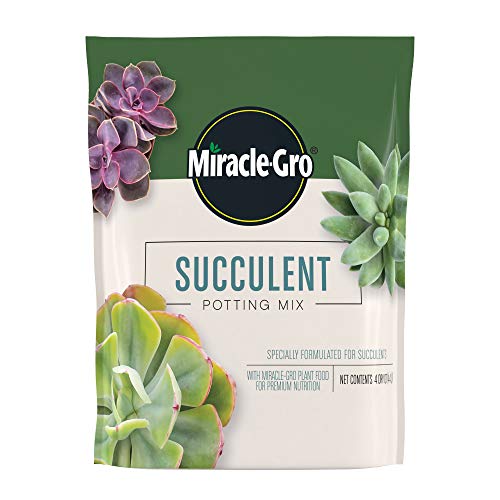
Miracle-Gro Succulent Potting Mix 4 qt

Miracle-Gro Cactus, Palm and Citrus Mix 8 qt
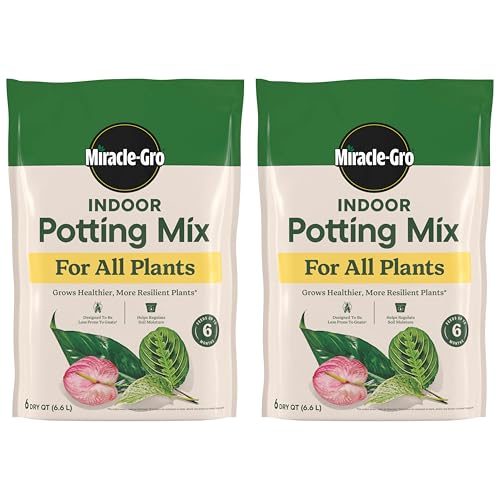
Miracle-Gro Indoor Potting Mix 6 qt 2-Pack

FoxFarm Ocean Forest 12 Quart for Containers

Miracle-Gro Indoor Potting Mix 6 qt

rePotme Bromeliad and Jewel Classic Mix
Inside Each Recommended Option
This 12-quart bag lands in a sweet spot for water gardeners who want one substrate to cover several jobs. The texture is light and airy, which matters when you’re anchoring plants in pond baskets or transitioning marginals from pots into a bog filter. Fish meal, crab meal, and earthworm castings bring real organic nutrition, so newly transplanted lotus, water iris, or pickerel weed tend to push new growth fast without supplemental feeding for the first stretch.
For ponds, the castings-based organic profile supports the bacteria colonies that convert ammonia. Compared with the larger FoxFarm 1.5 cu ft bag further down this list, the 12-quart size is friendlier for small patios and balcony water bowls where storing extra soil invites pests.
Bright Spots
- Light, aerated texture that resists compaction underwater
- Pre-charged with castings and meals for early growth
- 12-quart size fits most hobby water gardens
- Includes two plant tags for variety labeling
- Works as a transition medium for bog plants
Worth Noting
- Organic content can cloud water briefly when first submerged
- Not formulated as a true submerged substrate, so cap with gravel on top
- Smaller bag means refills for larger pond projects
Whose Shelf It Belongs On
Setup builders with a half-barrel bog filter or small patio pond who want organic nutrition built into the medium.
Reach For A Different Pick When
Someone building a large koi pond basket system should consider FoxFarm Ocean Forest Potting Soil 1.5 cu ft for fewer bag changes.
The 1.5 cubic foot size is the same proven FoxFarm Ocean Forest blend, just in a much larger package. For a backyard pond with multiple lotus tubs, a row of water lily baskets, and a constructed wetland edge, this bag keeps the workflow moving without constant resupply runs. The castings and ocean-derived meals give marginals and floaters a real start, especially in spring when water is still cool and microbial activity is slow.
Buyers should plan for storage: 1.5 cu ft is a heavy bag. Compared with the smaller 12-quart sibling at pick 1, this is the better value per quart for any project involving more than four or five aquatic containers.
A Few Strong Suits
- Large volume suited to multi-basket pond projects
- Same proven castings-and-meal base as the 12-quart sibling
- Light texture holds oxygen around root zones
- Available in 1, 2, and 4-pack configurations for bigger builds
Trade Offs
- Bulky and awkward to move once opened
- Overkill for tabletop or single-bowl water features
- Needs a top dressing of gravel in true submerged baskets
The Right Fit
Backyard pond owners with several marginal or water lily baskets who value volume and the proven organic base over compact handling.
Skip It When
You only need enough medium for a single indoor water bowl; FoxFarm Ocean Forest Potting Soil 12 Quarts is the easier pick to store.
Horticultural charcoal, sometimes called biochar, isn’t a standalone substrate for most aquatic setups, but it earns its place as a top-dressing or amendment. A thin layer over potting mix helps keep water clear by trapping odor compounds and excess organics. In terrarium-style water bowls and paludariums, a 1-quart bag goes a long way: sprinkle a half-inch over the soil cap, and you get a darker, cleaner look that hides lighter substrates.
The key term here is activated charcoal, a porous form of carbon processed to have a massive internal surface area. That porosity is what absorbs odors and dissolved organics. For a small betta bowl or desktop fountain, blending a few spoonfuls into the substrate helps control the stale-water smell that often shows up after a couple of weeks.
Everyday Wins
- Keeps water clearer in small enclosed setups
- One quart covers many small bowls and terrariums
- Helps absorb odors from decomposing organic matter
- Doubles as a clean visual top dressing
Things To Consider
- Not a complete substrate on its own for rooted plants
- Loses effectiveness over time and needs refreshing every few months
- Dust can cloud water if poured in dry; rinse first
Best Suited To
Owners of desktop water gardens, betta bowls, and terrarium paludariums who want clearer water and a cleaner-looking substrate cap.
A Better Fit Elsewhere
Someone building a planted pond basket will get more value from FoxFarm Ocean Forest Potting Soil 1.5 cu ft, which feeds the plants directly.
Miracle-Gro’s outdoor container mix is a workhorse substrate that translates well to bog plant transitions and pond edge plantings. Plants that need constantly damp but not fully submerged roots, including marsh marigold, water mint, and blue flag iris, thrive in the slow-release feeding environment this mix creates. The 2-pack of 16-quart bags covers a sizable bog filter bed or several patio containers without overspending.
The trade-off is straightforward: this isn’t a true aquatic substrate, so anything that needs full submersion will still need a gravel cap. For bog zones where water level fluctuates, it works as a base that holds moisture between wet-dry cycles.
Reasons It Performs
- Feeds plants for up to six months out of the bag
- Two-bundle covers most backyard bog projects
- Consistent texture from bag to bag
- Widely available for easy replenishment
Some Limits To Know
- Lightweight enough to float if used fully submerged without a gravel cap
- Not formulated for full submersion use
Made For
Garden builders running bog filters or damp-soil marginal plantings who need a slow-release, dependable medium in volume.
Where A Sibling Pick Shines
For a fully submerged lotus basket, the castings-rich FoxFarm Ocean Forest Potting Soil 12 Quarts is the better organic match.
This mix looks like an odd fit for aquatic use until you see how well its grittier blend behaves in bog-to-submerged transition zones. The texture is fast-draining, which prevents the rot that kills marginals sitting in fluctuating water levels. A 4-quart bag handles a small collection of bog-edge pots or a single marginals container, making it a smart supplement to a larger aquatic mix.
Succulent mix is built around sphagnum peat moss with coarser amendments, so it resists compaction longer than standard potting soil. For marginals that sit half-in, half-out, that resistance helps the substrate stay oxygenated during dry spells. The honest read is that this is a niche pick; most water gardeners will reach for a true aquatic medium first.
Well-Handled Touches
- Fast-draining texture suits fluctuating water levels
- Smaller bag suits small bog-edge collections
- Resists compaction during dry cycles
- Useful blend amendment for marginal containers
Points To Note
- Not designed for full submersion
- Small bag size means frequent repurchase for larger projects
Built With In Mind
Hobbyists running mixed water gardens with marginals and bog plants who want a fast-draining base for the transition zone.
Consider Something Else When
You mainly grow fully submerged anubias or crypts; Miracle-Gro Cactus, Palm and Citrus Mix 8 qt offers a coarser grain that stays in place better underwater.
This blend is unusually relevant for shallow pond edges and bog plant borders. The formula uses forest products, sphagnum peat moss, sand, and perlite, which means a coarse, gritty texture that holds its shape under moving water. Where standard potting mixes dissolve into a muddy cloud, this one stays put, which matters at pond edges where rain or splash can stir things up.
Most pond owners use this as a base beneath heavier pond-gravel or as the planting medium for marginals that hate wet feet. The fast-draining nature makes it a poor choice for water lilies that need dense anchoring, but for shallow shelves and stream-style setups, the drainage is a feature, not a flaw.
Everyday Advantages
- Coarse sand and perlite resist washout
- Fast-draining formula suits stream edges
- Holds shape under moving water
- 8-quart size covers a small pond border
A Few Limitations
- Too coarse for fine-rooted submerged species
- Limited nutrition; supplemental feeding is common
Perfect Match For
Pond builders with shallow edges, stream features, and bog borders who need a gritty medium that resists washout.
Not Your Match When
Your project centers on fully rooted water lilies; FoxFarm Ocean Forest Potting Soil 12 Quarts provides the density and nutrition they prefer.
For someone new to water gardens, the indoor potting mix is the most forgiving starting substrate on this list. The blend of sphagnum peat moss, coir, and perlite creates a light, airy medium that beginners can work with without packing things too tight. The 2-pack of 6-quart bags suits a couple of tabletop water bowls, paludarium bases, or a small betta tank without the bulk of outdoor mixes.
Like most indoor mixes, it’s built to retain and release water gradually, which works well in containers that dry down between waterings. Fully submerged baskets will need a gravel cap to prevent floating. The 2-pack is also a smart hedge if you misjudge volume on a first build; you have spare medium on hand.
Notable Upsides
- Lightweight, easy to handle in small spaces
- Beginner-friendly texture that’s hard to over-pack
- Two-bag pack covers multiple small builds
- Suits indoor bowls and paludariums
Honest Caveats
- Will float without a gravel cap underwater
- Not a long-term nutrient source for hungry water lilies
Who Should Grab It
First-time water gardeners setting up a desktop bowl or small indoor paludarium who want a forgiving substrate with room for mistakes.
Where Another Pick Suits Better
For a richer organic base, FoxFarm Ocean Forest 12 Quart for Containers delivers more nutrition for a similar bag size.
This 12-quart FoxFarm container version is essentially the same proven blend as pick 1, with aged forest products, sandy loam, and sphagnum peat moss forming the base. The combination is intentionally designed to support both aeration and drainage, which is exactly what bog plants and water lilies need around their root crowns. The earthworm castings give seedlings and young plants a steady nutritional runway through their first season.
For a hobbyist with heavy-feeding marginals, lotus, or taro planted in pond baskets, this is the closest the roundup gets to a dedicated aquatic organic base. The trade-off is the same as any organic-rich medium: always cap with gravel before submerging, and rinse tools after handling, since the castings can stain.
The Practical Payoff
- Castings-fed base supports long-term growth
- Light texture holds air pockets around roots
- 12-quart size fits a few baskets or one large container
- Works across bog and shallow-submerged setups
What To Weigh
- Castings can stain containers and tools
- Needs a gravel cap for fully submerged use
Who It Suits Best
Water gardeners with lotus, taro, or heavy-feeding marginals who want a nutrient-dense organic medium in a manageable bag.
Swap It Out When
Your build is small and visual aesthetics matter; Omitgoter Horticultural Charcoal 1 qt on top gives a darker, cleaner finish.
This single-bag version of the indoor mix is built around coconut coir, a fibrous material that holds and releases water gradually. Coir behaves a bit like a sponge, which makes the mix easy to rewet if it dries out, a real plus on a sunny windowsill where tabletop water gardens can lose moisture fast. The blend contains no compost or bark, which are common fungus gnat carriers in indoor mixes.
For a small betta tank with rooted plants like anubias or Java fern tied to decor, this mix handles the lower water column well with a gravel cap. It also works as a base layer in paludariums where the waterline sits below the soil surface. The 6-quart size is right-sized for one or two small projects.
Good Reasons To Consider
- Coir blend rewets easily after drying down
- Less prone to fungus gnats than bark-based mixes
- Right-sized for a small indoor project
- Feeds indoor plants for up to six months
Softer Spots
- Single 6-quart bag leaves no spare for mistakes
- Will float without a gravel cap in submerged baskets
Made For
Tabletop water gardeners with one or two small indoor bowls who want an easy-to-rewet, low-gnat substrate.
Look Elsewhere When
You’re building multiple indoor containers at once; the larger Miracle-Gro Indoor Potting Mix 6 qt 2-Pack is the better value.
rePotme’s houseplant blend is built for free drainage, which translates well to bromeliad cups and jewel orchid setups where the crown sits in shallow water. The mini bag delivers about 2 quarts, just enough to repot a small collection of jewel orchids or a couple of bromeliads sitting in a paludarium. rePotme makes these blends fresh in small batches, which is unusual in this category.
This is a niche pick for hobbyists who keep tropicals that bridge the line between houseplant and aquatic. Most pond and bog builders will find larger general-purpose blends more practical. The honest read is that this rewards a specific kind of collector, the one with a humid greenhouse shelf full of oddities.
The Upside
- Free-draining texture suits bromeliad and jewel orchid setups
- Small-batch freshness for hobbyist-grade results
- Right-sized mini bag for small collections
Practical Considerations
- Small bag is impractical for any pond or bog project
- Premium pricing for a specialty audience
Right Fit For
Collectors running tropical paludariums with bromeliads and jewel orchids who want a tailored free-draining blend.
Consider Something Else When
You’re planting marginal water garden species; Miracle-Gro Potting Mix 16 qt 2-Pack handles larger bog projects more economically.
Choosing the Right Base for Your Water Garden
A few substrate properties matter more than the brand name on the bag. Texture is the first filter: aquatic and bog plant roots need pore space, which means a mix that stays light and crumbly rather than dense and muddy. Sand, perlite, and peat-based blends tend to keep that airiness over time, while compost-heavy mixes compact fast underwater and starve roots of oxygen.
For truly submerged baskets, weight and grain size matter. A medium that floats needs a gravel cap to stay put, while a coarse mix stays anchored on its own. Marginal plants that sit at the waterline tolerate a wider range of substrates, which is where most general-purpose container mixes work fine. Fully submerged species, like anubias and Java fern, are usually tied to decor rather than planted, so substrate choice becomes less critical.
Nutrient load is the other decision point. Organic-rich blends feed plants for a season or two but cloud water on initial submersion. Leaner mixes stay cleaner but require supplemental fertilization. Matching substrate to your plant’s appetite keeps you from fighting algae blooms all summer.
A small note on charcoal: horticultural charcoal is an amendment, not a base. A thin layer over a substrate helps with odor and clarity in closed setups, but it doesn’t anchor roots or feed plants on its own. The same goes for top-dressing gravel, which is functional as much as decorative in fully submerged baskets.
Key Considerations Across These Picks
Where Shoppers Go Wrong
The most common mistake is grabbing a standard garden soil because it’s on hand. Garden soil compacts into a brick underwater, suffocates roots, and clouds the water for weeks. Another slip-up is assuming all “potting mixes” behave the same; mixes with compost or bark break down faster in water, while peat-and-perlite blends hold their structure. For a tabletop water bowl, picking a huge 1.5 cu ft bag for a 4-quart project wastes money and invites storage headaches.
When Paying More Pays Off
Specialty blends cost more because they’re formulated for specific root conditions: extra drainage, lower organic content, or finer texture. For a small indoor bowl, the cost difference is small enough to justify getting the right medium. For a backyard pond, the volume makes generic container mixes the more practical choice.