Whether you’re repotting a stubborn orchid that refuses to rebloom, starting tomatoes from seed on the kitchen counter, or building out a whole raised bed of herbs, the medium you grow in matters more than most beginners realize. Different plants crave wildly different conditions: some need chunky, airy bark that mimics a rainforest canopy, others want moisture-retentive coir that won’t compact around tender roots. This roundup walks through ten distinct options, from specialty blends for tropicals to amendments you mix in, so you can match the bag to the plant without guesswork.
The Leading Options At A Glance

Better-Gro Bromeliad Blend Potting Mix 8 Qt

MODELLOR Coco Coir Bricks 4-Pack (5 lb)

Miracle-Gro African Violet Potting Mix 8 qt.

FoxFarm Ocean Forest Potting Soil 1.5 cu ft

Back to the Roots Organic Premium Compost 25.7 qt

Worm Bliss Organic Worm Castings 1 Qt

Better-Gro Orchid Bark Potting Medium 4 qt

Better-Gro Better Bloom Orchid Fertilizer 16 oz

Better-Gro Premium Sphagnum Moss 190 cu in
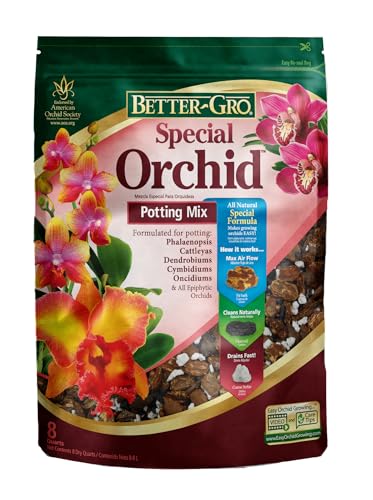
Better-Gro Special Orchid Mix 8 Quarts
Meet The Standout Selections
If you’ve ever lost a bromeliad to soggy crown rot, the issue almost always traces back to a standard potting soil that holds too much water around the roots. Better-Gro’s Bromeliad Blend is engineered for plants that naturally perch on tree bark rather than sit in dirt, with a coarse, fast-draining texture that lets air reach the root zone.
The 8-quart bag covers roughly a handful of mid-sized tabletop bromeliads or a couple of larger urns. For anyone rotating in a new tillandsia or aechmea, this blend keeps the crown dry while still supporting the modest moisture those tropicals need at the root base.
Useful Strengths
- Coarse, bark-forward texture prevents the waterlogging that kills most bromeliads.
- Eight quarts handles several mid-sized pots without forcing an immediate second bag.
- Works beyond bromeliads for anthuriums and other epiphytic tropicals with similar needs.
- Lighter than standard potting mixes, so moving a repotted plant stays manageable.
Points To Keep In Mind
- Not a universal mix; using it on thirsty vegetables or ferns will leave them thirsty.
- Bark chunks settle over time, so a top-up may be needed every few months in active containers.
Made For
Hobbyists growing bromeliads, anthuriums, and similar epiphytic tropicals on a sunny windowsill or in a humid greenhouse corner.
Consider Something Else When
Container vegetable gardeners should look at the Back to the Roots Organic Premium Compost instead, since edibles need richer moisture retention than this blend provides.
Apartment growers with a single shelf of seed trays know the frustration of lugging a bulky bag of soil up the stairs. Coco coir bricks solve that elegantly: each compressed brick weighs about five pounds in the package and expands to roughly nine gallons of fluffy medium once you add water.
The coir is triple-washed to keep salt levels low and comes pH-balanced, so seedlings aren’t fighting excess sodium from day one. It’s a forgiving, peat-free medium for starting tomatoes, peppers, or flowers indoors before transplanting out.
What Earns Its Place
- Shelf-stable bricks free up closet space compared to bulky soil bags.
- Expands into a fluffy, fine-textured medium ideal for delicate root systems.
- Peat-free and organic, addressing concerns about harvest-impact sourcing.
- Works equally well as a soil amendment for established container plants.
Trade-Offs
- Requires soaking time and a large bucket, so it isn’t grab-and-plant.
- Coir has minimal nutrients, so plan on feeding seedlings once true leaves emerge.
Right Fit For
City dwellers starting vegetable or flower seeds under a single grow light and anyone without room to store full bags of soil.
Skip It When
Large-scale raised bed builders should reach for the Back to the Roots Organic Premium Compost, which arrives ready to use without hydration steps.
African violets are famously picky: too wet and the crown rots, too dry and the leaves curl, and the wrong pH locks out nutrients. Miracle-Gro’s African Violet blend keeps the medium light and slightly acidic, which is precisely what Saintpaulia and its relatives in the gesneriad family prefer.
The 8-quart bag covers a window ledge of multiple violets in standard 4-inch pots, and the mix feeds plants for several months after potting. For a hobbyist who already rotates between gloxinias, streptocarpus, and episcias, this blend handles most of them without extra amendments.
Advantages To Know
- Specifically blended pH suits African violets without at-home testing.
- Light, peat-based texture keeps roots aerated in shallow violet pots.
- Built-in feeding reduces the number of fertilizer bottles on the shelf.
- Versatile enough for other small-flowered gesneriads in the same family.
Honest Caveats
- Peat-based blends dry out faster than coir, so weekly watering is the norm.
- Not suited for orchids or cacti, which prefer drastically different textures.
Who It Suits Best
Collectors of African violets, gloxinias, and streptocarpus who want a one-bag solution for their windowsill display.
Look Elsewhere When
Phalaenopsis orchid owners should pick up the Better-Gro Special Orchid Mix, which provides the coarse bark structure violets cannot tolerate.
FoxFarm’s Ocean Forest has earned a strong reputation among indoor growers who want one bag that handles houseplants, herbs, and patio containers without blending anything themselves. The texture is light and aerated, and it arrives ready to use right out of the bag, which simplifies weekend repotting sessions.
At 1.5 cubic feet, this is a sizeable bag, so it makes sense for anyone running multiple medium-to-large containers. Compared to the lighter African Violet blend, this one holds onto moisture longer while still keeping roots breathing, which suits a wider range of foliage plants.
Benefits That Matter
- Aerated texture suits indoor foliage plants that dislike compacted soil.
- Ready to use immediately, no mixing or pre-soaking required.
- Large 1.5 cu ft volume covers several repotting sessions in one purchase.
- Performs across houseplants, herbs, and patio vegetables without species-specific tweaks.
Potential Drawbacks
- Bulky bag means storage space matters in small apartments.
- Holds more moisture than orchid or cactus mixes, so it’s not a universal solution.
Feature Snapshot
Best Suited To
Mid-level indoor gardeners juggling several foliage plants and patio herbs who prefer a single, versatile bag over specialty options.
Reach For A Different Pick When
Anyone growing exclusively bromeliads or orchids should choose the Better-Gro Special Orchid Mix, which delivers the airy bark structure Ocean Forest can’t replicate.
New gardeners often overthink the soil question, and Back to the Roots sidesteps that by bundling plant food, pH balancing, and moisture control into one peat-free blend. At roughly 25 quarts, the bag fits raised beds, in-ground beds, and container gardens with equal ease.
The formula swaps imported peat for a domestic alternative, which matters if you’re conscious of sourcing. It’s a forgiving starter medium that keeps herbs, leafy greens, and flowering annuals fed without requiring separate amendments for the first season.
What It Does Well
- Includes dolomitic limestone and yucca extract, simplifying pH and moisture.
- Peat-free formulation sidesteps environmental concerns about peat harvesting.
- Multi-use across pots, raised beds, and ground plantings.
- Built-in plant food reduces the number of products a beginner needs to buy.
Some Limits To Know
- Compost-based texture is too rich for orchids and other epiphytes.
- Heavier than bark mixes, so large patio pots may need assistance to move.
Whose Shelf It Belongs On
First-time edible gardeners filling a raised bed or window box of herbs who want a single bag that handles the whole setup.
A Better Fit Elsewhere
Indoor foliage collectors should turn to FoxFarm Ocean Forest Potting Soil, which is lighter and better suited to drainage in standard houseplant pots.
Worm castings are one of the oldest soil amendments in the gardening playbook, valued for slow-release nutrients and beneficial microbes. Plantonix’s Worm Bliss comes in a small one-quart jar that’s easy to store alongside a bag of standard potting mix.
The OMRI-listed status signals compliance with organic standards, which matters for anyone growing edibles without synthetic inputs. Mixing a scoop into your existing medium at planting time gives container plants a steady nutrient supply without forcing a switch to specialty soil.
Positive Points
- Compact jar size fits in a kitchen drawer or gardening tote.
- OMRI-listed status confirms organic-compliant production.
- Vegan, manure-free composition suits indoor growers with sensitive noses.
- Enriches any existing mix rather than replacing it outright.
Small Caveats
- One quart only stretches so far for large raised beds.
- Castings are an amendment, not a standalone growing medium, so you still need a base mix.
Who Should Grab It
Apartment plant parents who already have a favorite potting soil but want to boost nutrient density for hungry foliage plants like monsteras or philodendrons.
Where Another Pick Suits Better
Outdoor raised bed gardeners building a bed from scratch will find more volume in Back to the Roots Organic Premium Compost, which arrives ready to fill the space.
Not every orchid grower wants a pre-mixed blend; many prefer to dial in their own ratio of bark, perlite, and charcoal. Better-Gro’s Orchid Bark is a graded western fir bark that serves as the backbone of those custom mixes, sized and screened for consistent chunks.
The 4-quart bag is enough to repot a handful of standard phalaenopsis or refresh a few smaller mounts. It also doubles as a base for bromeliads and other tropical ornamentals that appreciate chunky, fast-draining conditions.
Real-World Strengths
- Graded bark size delivers consistent drainage in custom blends.
- Works as a base for both orchids and bromeliads.
- Allows full control over perlite, charcoal, and moss ratios.
- Practical for spot refills when one pot breaks down faster than others.
Worth Bearing In Mind
- Plain bark requires additional ingredients for a complete orchid mix.
- Bark naturally breaks down over a year or two, so periodic repotting is part of the deal.
Perfect Match For
Orchid hobbyists who already understand perlite, charcoal, and moss ratios and prefer to assemble their own blend from quality ingredients.
Swap It Out When
Anyone repotting a single orchid for the first time should reach for the Better-Gro Special Orchid Mix, which arrives pre-blended and ready to use.
This entry breaks the soil pattern slightly: Better Bloom is a fertilizer formulated to push orchids into flower rather than a potting medium. The 16-ounce container lasts through multiple bloom cycles for a small collection, and the urea-free formulation avoids the leaf-burn risk that standard fertilizers sometimes cause on sensitive orchids.
Pairing it with a proper bark-based mix, like the Better-Gro Special Orchid Mix reviewed below, gives orchids both the airy root environment and the nutrient push they need to spike. For most home growers, the two work hand in hand across the calendar year.
Useful Touches
- Urea-free formula is gentler on orchid root systems than generic plant foods.
- Higher phosphorus content targets flower production specifically.
- Compatible with a wide range of epiphytic orchid genera.
- Powdered format dissolves easily in watering cans for weekly feeding routines.
Details To Watch
- Not a potting medium, so it complements rather than replaces the bark mixes on this list.
- Best results depend on a consistent feeding schedule during the active growth phase.
Who Will Love This
Orchid owners with a healthy root system who want to push reluctant plants into producing blooms.
Not Your Match When
Vegetable gardeners should look at Worm Bliss Organic Worm Castings, which feeds edible crops without the bloom-targeting phosphorus load.
Long-fiber sphagnum moss is the unsung hero of orchid care, especially for mounted plants, young seedlings, and basket liners that lose moisture quickly. Better-Gro’s premium grade offers soft, feathered strands that wrap around roots without crushing them.
The 190 cubic inch bag is modest in size, but sphagnum expands considerably once hydrated, so a small amount covers several mounts or basket inserts. The organic composition also reduces transplant shock when repotting tender young orchids.
The Value In It
- Long-fiber strands hold moisture evenly without matting around roots.
- Soft texture cushions young or vulnerable plants during transplanting.
- Versatile for mounts, basket liners, and seed-starting mixes.
- Organic source fits naturally into specialty orchid routines.
Factors To Consider
- Moss dries out faster than bark, demanding more frequent watering.
- Better suited as a component than a full standalone medium for most orchids.
Built With In Mind
Orchid hobbyists mounting phalaenopsis on cork bark or filling hanging baskets who need moisture retention around exposed roots.
Another Choice May Suit
Those repotting a full phalaenopsis into a standard pot should grab the Better-Gro Special Orchid Mix, which is formulated for everyday container use.
For orchid collections that include cattleyas, phalaenopsis, dendrobiums, and oncidiums, juggling separate mixes per genus gets tiresome fast. The Better-Gro Special Orchid Mix tackles that with a versatile blend of western fir bark, hardwood charcoal, and sponge rock that handles most epiphytic orchids in one bag.
The 8-quart size covers a respectable collection of mid-sized orchids, and the resealable bag keeps the unused portion fresh between repottings. The coarse perlite and bark chunks deliver the airflow that prevents root rot in standard pots.
Where It Excels
- Multi-purpose formula handles cattleyas, phalaenopsis, dendrobiums, and oncidiums.
- Charcoal and sponge rock promote drainage and airflow without sogginess.
- Resealable bag preserves freshness between repotting sessions.
- Versatility reduces the need for separate mixes per orchid genus.
Practical Considerations
- Repotting every 12 to 18 months is part of the ownership rhythm with bark mixes.
- Larger 8-quart bag requires closet or shed storage space.
Made For
Collectors with a varied orchid collection who want one reliable bag that handles most epiphytic genera without custom blending.
Where A Sibling Pick Shines
Specialty growers dialing in custom ratios for high-value specimens should start with Better-Gro Orchid Bark and assemble their own mix from quality base ingredients.
Factors That Shape A Smart Potting Mix Choice
The right mix depends less on brand loyalty and more on what your specific plant needs from its root zone. Orchids and bromeliads evolved to perch on tree bark in humid air, so they want chunky, airy mediums that mimic that environment. African violets and most foliage houseplants, by contrast, prefer finer, peat-based mixes that hold moisture without suffocating roots. Matching the texture to the plant is the single biggest factor in long-term success.
Drainage and moisture retention exist on a spectrum, and most beginner mistakes come from picking the wrong end. Cacti and succulents tolerate drought and punish wet feet, so they need gritty, low-organic mixes. Vegetables and herbs want steady moisture and richer organic content, which compost-based blends provide. Consider your watering habits honestly before choosing, since forgetting to water a peat mix weekly is very different from forgetting to water a coir-based blend.
Volume and storage matter more than most people anticipate. A 1.5 cubic foot bag handles a season of houseplant care for an average collection, while compressed bricks keep storage tight for apartment growers. Specialty mixes in smaller bags cost more per quart, so they only make sense for plants with non-negotiable requirements. For a mixed collection, one versatile medium plus a few targeted amendments typically beats buying ten specialty bags.
Ingredient transparency helps you predict how a mix behaves over time. Bark and perlite create structure that breaks down slowly, while peat and coir hold water but compact with age. Compost delivers nutrients but can vary batch to batch. Look for blends that match your fertilizer routine, since a mix with built-in feeding reduces but doesn’t eliminate the need for supplemental nutrients during peak growth.
What To Watch Before You Buy
Mistakes Worth Dodging
The most common slip-up is grabbing a general-purpose bag for a plant with very specific needs, then wondering why the leaves yellow or the crown rots. Always check what your plant naturally grows in: epiphytes need bark, succulents need grit, and bog-tolerant species want moisture-retentive peat. Another trap is assuming all “orchid” or “violet” mixes are interchangeable across brands, when in reality the bark grade, peat ratio, and included amendments vary significantly.
Where The Extra Money Goes
Premium mixes earn their higher price through better ingredient grading, multi-component blends, and packaging that preserves freshness. The Better-Gro Special Orchid Mix, for instance, combines fir bark, charcoal, and sponge rock rather than shipping plain bark chunks, and that combination delivers more consistent results across genera. The upgrade makes sense when your collection has expanded beyond a single plant or when failures in cheaper mediums have cost you replacements. For a single specimen or a casual starter plant, basic blends work fine.