Tomatoes are hungry feeders that sulk in soggy roots and reward loose, well-aerated soil with heavy fruit sets. The right blend keeps moisture steady without turning into mud, and it delivers calcium, phosphorus, and potassium in a form young roots can actually grab. Whether you’re nursing seedlings on a windowsill or refilling a five-gallon grow bag on the patio, this roundup covers ten mixes and amendments that solve the real problems home growers hit.
Your Options, Compared

Rosy Soil Plant Food Organic Fertilizer 4 Quarts
FoxFarm Ocean Forest Potting Soil 12 Quarts

FoxFarm Ocean Forest Potting Soil 1.5 cu ft

Char Bliss Organic Biochar 8 Quarts

Miracle-Gro Potting Mix 16 qt 2-Pack

Worm Bliss Organic Worm Castings 1 Quart

GARDENWISE Organic Olive Tree Potting Mix 5 Quarts
Miracle-Gro Indoor Potting Mix 6 qt 2-Pack

Vermont Compost Company Fort Vee Organic Potting Soil 40 Quarts

Back to the Roots Organic Coir 51 Quart Expanding
The Details Behind The Selections
Rosy Soil Plant Food lands at the top of this list because it skips peat and synthetic fillers entirely, leaning on biochar, kelp, worm castings, compost, bokashi, and mycorrhizae to feed tomato roots. The 4-quart bag works equally well for a single grow bag or several patio containers, and the all-purpose profile handles herbs, flowers, and veggies without a swap-out mid-season.
For growers committed to an organic setup, this mix removes the guesswork of building your own blend. Mycorrhizae are beneficial fungi that form a symbiotic relationship with roots, expanding their reach for water and nutrients. Bokashi is a fermented organic matter that breaks down faster than traditional compost. You may find the 4-quart volume light if you’re filling a raised bed, but for container tomatoes on a balcony, it’s a tidy fit.
The Good Stuff
- Zero peat or synthetic additives keeps the ingredient list transparent
- Biochar improves water retention, meaning less frequent watering during heat waves
- Mycorrhizae colonize roots early, boosting nutrient uptake through the fruiting stage
- Works for herbs and flowers too, so one bag covers mixed patio planters
Things To Consider
- Four quarts runs thin for anything larger than a couple of mid-size pots
- Organic blends can dry out faster than peat-heavy mixes in mid-summer
Who It Suits Best
Organic-leaning container gardeners growing two or three tomato plants on a patio or balcony.
Consider Something Else When
Backyard growers filling a raised bed should reach for FoxFarm Ocean Forest Potting Soil 1.5 cu ft instead, since the larger volume keeps cost-per-quart lower.
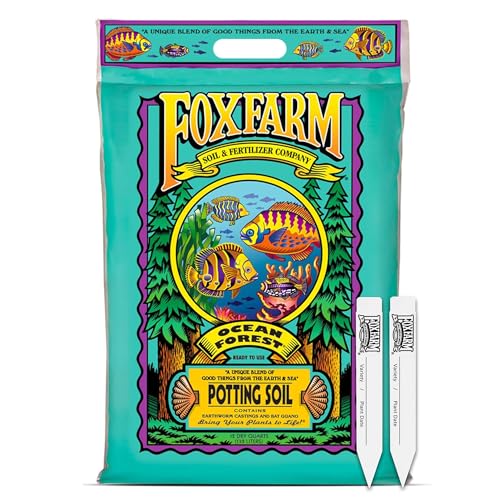
FoxFarm’s Ocean Forest blend has earned its reputation among tomato growers for a reason. The mix arrives ready-to-use straight from the bag, with a light, aerated texture that drains well yet holds enough moisture for steady fruit development. Fish meal, crab meal, and earthworm castings form a slow-release nutrient base that feeds young starts through their first critical weeks.
The 12-quart size suits a handful of mid-size containers without forcing a second purchase mid-season. For gardeners who have struggled with compacted, waterlogged mixes in the past, the aerated profile here typically resolves that problem. The included plant tags are a small touch, but useful for keeping seedling varieties straight when labels fade.
Strong Points
- Ready-to-use formula saves time on mixing and reduces transplant shock
- Aerated texture prevents the soggy conditions tomatoes dislike
- Slow-release organic nutrients support steady growth without burning roots
- Earthworm castings improve soil structure over multiple seasons
Trade Offs
- Strong organic smell at first, which dissipates after a few waterings
- Smaller bag than the 1.5 cu ft sibling, so cost-per-quart runs higher
Made For
Container gardeners starting tomatoes from seed or transplants who want a trusted, ready-to-use blend.
Look Elsewhere When
Anyone filling more than three or four large containers should choose FoxFarm Ocean Forest Potting Soil 1.5 cu ft to avoid running short mid-season.
The big sibling of the 12-quart bag, FoxFarm Ocean Forest at 1.5 cubic feet gives serious tomato growers enough soil to fill a 4×8 raised bed or a half-dozen grow bags. The formula carries the same fish meal, crab meal, and earthworm castings as the smaller version, with a light, aerated texture that drains freely while holding root-zone moisture.
For gardeners converting a corner of the yard into a tomato patch, this bag size avoids the piecemeal approach of buying multiple smaller bags. The mix is designed for all container plants, which means you can share leftover soil with peppers, eggplants, or herbs without worrying about crop-specific imbalances.
The Upside
- Large volume lowers the cost-per-quart compared to smaller bags
- Aerated texture resists compaction even in deep raised beds
- Versatile formula works across tomatoes, peppers, and herbs
Honest Caveats
- Bulky bag is awkward to carry and store in small spaces
- Heavier than coir-based options, so plan ahead for transport
Best Suited To
Home growers establishing a raised bed or multiple grow bags in a single shopping trip.
Swap It Out When
Apartment dwellers with one or two patio pots will find the 12-quart FoxFarm bag more manageable.
Char Bliss takes a different approach from the rest of this list. Rather than a complete potting mix, it’s an OMRI-listed biochar amendment meant to be blended into your existing soil. Biochar is a stable form of charcoal produced through pyrolysis (heating organic matter in a low-oxygen environment), and it improves nutrient retention, soil fertility, and water-holding capacity over multiple seasons.
The 8-quart bag works as a soil conditioner rather than a standalone medium. Tomato growers with established beds often mix biochar in at the start of the season to revitalize tired soil. Since biochar persists in the ground for years, a single application keeps paying dividends across future plantings.
Advantages To Know
- Enhances nutrient availability so existing fertilizer works harder
- Improves water retention in sandy or fast-draining soils
- Supports carbon sequestration, a bonus for eco-minded gardeners
- Long-lasting effect means less frequent reapplication
Points To Keep In Mind
- Not a standalone mix; must be blended into existing soil
- Best suited to gardeners already comfortable with soil amendment ratios
Right Fit For
Experienced growers refreshing established beds who want to improve soil structure over multiple seasons.
Reach For A Different Pick When
First-time growers need a complete mix like Miracle-Gro Potting Mix rather than an amendment to blend in.
Miracle-Gro’s two-pack of 16-quart bags is the kind of product that shows up at every big-box garden center, and for good reason. The formula feeds outdoor container plants, including flowers, vegetables, shrubs, annuals, and perennials, for up to six months, which means less mid-season fiddling with fertilizer schedules.
For first-time tomato growers, this mix offers a low-risk starting point. The 32-quart total volume handles four to six mid-size containers comfortably. It’s worth noting that this formula is built for outdoor containers, so windowsill growers starting seeds indoors will want a different option for the germination phase.
The Helpful Details
- Six-month feeding window reduces supplemental fertilizer work
- Widely available, so it’s easy to find in local stores if a bag runs short
- Two-pack format spreads the cost across more containers
- Suitable for vegetables, herbs, and flowers in the same bed
Room For Improvement
- Outdoor container formula, so not ideal for indoor seed-starting
- Synthetic nutrient profile doesn’t suit strict organic gardeners
Whose Shelf It Belongs On
First-time tomato growers wanting a straightforward, widely available mix for outdoor containers.
A Better Fit Elsewhere
Organic-focused gardeners should consider Rosy Soil Plant Food for a peat-free, all-natural alternative.
Worm Bliss is the smallest volume on this list, but a little goes a long way. The 1-quart bag of OMRI-listed earthworm castings functions as a nutrient-dense soil amendment rather than a standalone mix. Worm castings are the digested organic matter earthworms excrete, and they’re rich in nitrogen, phosphorus, potassium, and trace minerals that tomatoes need during fruit set.
Most growers blend a few handfuls into potting soil at transplant time, then side-dress (apply fertilizer to the soil around the plant base) established plants mid-season for a nutrient boost. The vegan, manure-free profile appeals to gardeners avoiding animal-derived inputs.
Features That Help
- Small bag fits easily on a shelf or in a garden tote
- Vegan and manure-free for gardeners with specific input preferences
- Trace minerals support fruit development beyond basic NPK
Points To Note
- Not a complete mix on its own; must be combined with a base soil
- One quart may run out quickly on larger beds
Perfect Match For
Gardeners with one to three tomato plants who want to enrich an existing mix with a concentrated organic boost.
Another Choice May Suit
Growers starting from scratch need a complete base soil like Vermont Compost Company Fort Vee first, then can add worm castings on top.
GARDENWISE’s olive tree mix targets a specific Mediterranean aesthetic, but the fast-draining profile translates well to tomatoes. The blend is enriched with worm castings, compost, and limestone for balanced pH, and it’s designed to balance moisture retention with the kind of drainage that prevents root rot.
Tomatoes and olives share a dislike of soggy roots, which is why this mix appeals to gardeners in humid climates where standard potting soils stay wet too long. The 5-quart bag suits a single mid-size container, though it’s a niche choice for tomato-only gardens.
Standout Benefits
- Fast-draining formula prevents the waterlogging tomatoes dislike
- Limestone balances pH for nutrient availability
- Organic ingredients suit eco-conscious growers
Some Limits To Know
- Designed for olives, so it’s a niche pick for tomato-only gardeners
- Small bag volume for the cost compared to general-purpose mixes
Built With In Mind
Growers in humid coastal or southern climates where standard mixes tend to stay wet too long.
Not Your Match When
Backyard tomato patches will get better value from FoxFarm Ocean Forest 1.5 cu ft at a lower cost per quart.
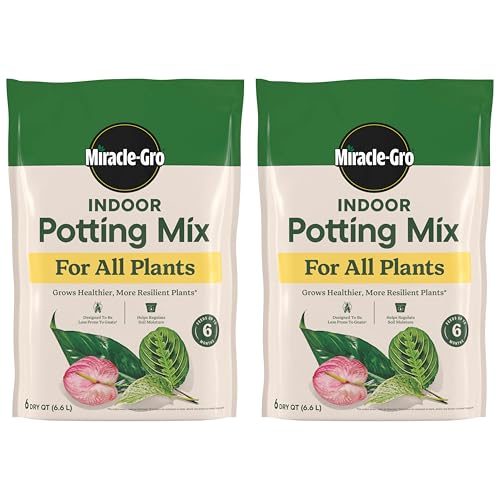
Miracle-Gro’s indoor formula takes a different angle from its outdoor sibling. The blend includes sphagnum peat moss, coir (coconut husk fibers), and perlite (a volcanic mineral that improves drainage), creating a lightweight mix that retains and releases water in a controlled way. For tomato seedlings started on a sunny windowsill, this balance helps prevent the overwatering that kills young starts.
The two-pack of 6-quart bags totals 12 quarts, enough for a tray of seedlings or a handful of small pots. It’s a sensible stepping stone before moving transplants outdoors to a richer mix.
Key Advantages
- Lightweight formula prevents compaction in small seed-starting trays
- Balanced water retention reduces overwatering risk on indoor seedlings
- Bark and compost-free blend suits indoor air-quality preferences
A Few Limitations
- Designed for indoor use, so it lacks the long-term nutrients outdoor tomatoes need
- Small volume per bag suits seedlings more than mature plants
Who Should Grab It
Gardeners starting tomato seeds indoors under lights or on a windowsill before transplanting outside.
Where A Sibling Pick Shines
Growers skipping the indoor seedling phase and planting directly outdoors should grab Miracle-Gro Potting Mix 16 qt 2-Pack instead.
Vermont Compost Company’s Fort Vee arrives as a two-pack totaling 40 quarts, making it one of the largest organic options on this list. The compost-based formula is chemical-free and designed for indoor or outdoor container seed-starting, plants, and vegetables. For organic gardeners committed to a fully natural approach, this blend removes the synthetic-nutrient question entirely.
At this volume, the mix suits a serious raised bed or multiple large containers in a single purchase. You may find the rich compost profile needs a lighter touch on supplemental feeding, since compost releases nutrients more gradually than synthetic blends.
Notable Upsides
- Chemical-free formula suits strict organic gardening standards
- Compost-based profile improves soil biology over time
- Large two-pack volume handles a full raised bed
- Versatile across seed-starting and mature plants
Worth Noting
- Compost smell can be strong at first, dissipating after watering
- Bulky two-pack requires storage space before opening
Who Will Love This
Organic vegetable gardeners establishing a sizable raised bed or multiple containers in one go.
Skip It When
Patio growers with two or three small pots will find Rosy Soil Plant Food’s smaller bag more practical.
Back to the Roots takes a space-saving approach with a compressed coconut coir brick that expands to 51 quarts when water is added. Coir is a fiber extracted from coconut husks, and it offers excellent water retention and aeration while staying lighter than traditional peat-based mixes. For tomato growers in small apartments or closets-turned-greenhouse setups, the compact brick format solves the storage problem that bulky bags create.
The expanding design also cuts down on shipping weight, which matters for anyone ordering online. Coir is pH-neutral and holds moisture well, though it’s relatively low in nutrients, so you’ll likely pair it with supplemental fertilizer for hungry fruit-bearing tomatoes.
Positive Takeaways
- Compressed brick format saves significant shelf and closet space
- Expands to a generous 51 quarts once hydrated
- Lightweight compared to traditional bagged soil
- pH-neutral profile works across many plant types
Practical Considerations
- Low inherent nutrients mean supplemental feeding is necessary
- Requires soaking and breaking apart before use, adding prep time
The Right Fit
Small-space gardeners and apartment dwellers who need to store soil in a closet or under a sink until planting day.
A Better Fit Elsewhere
Growers wanting a complete nutrient package in one bag should reach for FoxFarm Ocean Forest 12 Quarts to skip the mixing step.
Getting The Mix Right Before You Plant
Tomatoes thrive in soil that drains freely yet holds moisture at the root zone, and they need steady access to calcium and phosphorus to prevent blossom-end rot and support fruit set. Container-grown tomatoes face one specific challenge: the confined root zone dries out faster than in-ground plantings, so a mix with good water retention and aeration pays off throughout the season.
Drainage vs. Moisture Retention
A mix that holds too much water suffocates roots and invites fungal problems, while one that drains too fast forces daily watering in mid-summer. Look for ingredients like perlite, coir, or compost that balance both qualities. For tomatoes in fabric grow bags or terracotta pots, leaning toward faster drainage often works better than moisture-retentive blends.
Nutrient Profile and Feeding Windows
Tomatoes are heavy feeders, and the nutrient content of your base mix sets the tone for the season. Organic options like worm castings and compost release nutrients slowly, while synthetic blends offer a predictable feeding window. Pair the right base mix with a calcium source early in the season to prevent the dark sunken spots on fruit bottoms that signal blossom-end rot.
Container Size and Mix Volume
A single tomato plant in a five-gallon container uses roughly 0.7 cubic feet of soil, so plan volume accordingly. Smaller bags suit one or two pots, while raised beds call for the larger 1.5 cu ft or two-pack formats. Buying in bulk typically lowers the cost per quart, but only when you’ll actually use the volume before the mix loses freshness.
Key Considerations Across These Picks
Where Shoppers Go Wrong
The most common mistake is grabbing a garden soil instead of a potting mix, and these are not interchangeable. Garden soil is designed for in-ground use and compacts badly in containers, starving roots of air. Another trap is choosing a moisture-retentive mix for a plant that hates wet feet. Always match the blend’s drainage profile to your container type and climate.
The Upgrade Payoff
Paying more for a premium blend like FoxFarm Ocean Forest or Vermont Compost Fort Vee typically buys better ingredient transparency and a more balanced nutrient release. For a single patio tomato, the extra cost may not matter much, but for a full bed or a long season of feeding, the upgrade often pays back in stronger root systems and less supplemental fertilizing. Budget picks like Miracle-Gro work fine for first-time growers, while premium options reward gardeners who want to fine-tune their soil biology.
Frequently Asked Questions
Can I use garden soil instead of potting mix for tomatoes?
Garden soil compacts in containers and restricts airflow to roots, so it’s not a suitable substitute. Potting mixes are specifically blended to stay loose and drain well in confined spaces, which is what tomato roots need to thrive.
How often should I water tomato plants in containers?
Container-grown tomatoes typically need watering once or twice daily in mid-summer, depending on pot size and climate. Check the top inch of soil, and water when it feels dry to the touch.
Do tomatoes need fertilizer beyond the potting mix?
Most potting mixes feed plants for several weeks to months, but heavy-feeding tomatoes usually benefit from supplemental feeding once fruit starts to set. A balanced liquid fertilizer or a side-dressing of worm castings works well mid-season.
What causes blossom-end rot in container tomatoes?
Blossom-end rot appears as dark, sunken spots on the bottom of fruit and usually signals inconsistent watering or a calcium uptake problem. Maintaining steady moisture and choosing a mix with calcium-rich ingredients helps prevent it.
Can I reuse potting mix from last season for tomatoes?
Reusing last season’s mix is possible, but it often loses structure and may harbor pathogens. Refresh it with compost or worm castings, or blend it with new mix at roughly a fifty-fifty ratio before replanting.
Closing Remarks
The right potting mix sets the foundation for everything that follows in a tomato-growing season, from strong root development to steady fruit production. Match the blend to your container size, climate, and feeding style, and the rest of the season tends to take care of itself.