Jade plants are forgiving succulents that punish you with root rot the moment their soil stays damp too long. The right mix drains quickly, breathes around the roots, and resists compacting after months of watering. Choosing among the dozens of bagged options gets confusing once you see cactus blends, bonsai mixes, composts, and coco coir all claiming to do the same job. The list below breaks down ten well-regarded options so you can match a medium to your watering habits, your climate, and the size of your collection.
Your Options, Compared

Miracle-Gro African Violet Potting Mix, 8 qt.

FoxFarm Ocean Forest Potting Soil, 1.5 cu ft

Bonsai Jack 2 Quarts Bonsai Soil Mix #221

PlantBest Coco Mulch Compressed Block 9.1 lb

Special Lithops Soil Mix, 2 Quarts

Back to the Roots 25.7 qt Organic Compost

GARDENWISE Organic Olive Tree Potting Mix, 3 Quarts
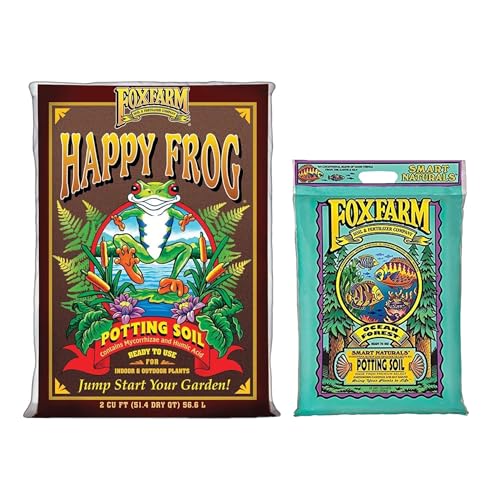
FoxFarm Happy Frog + Ocean Forest Combo

PlantBest Coco Peat Concentrated Mix

PlantBest Coco Mulch Compressed Block 9.1 lb
More Details On Our Top Picks
Miracle-Gro’s African Violet blend is a peat-and-perlite mix (peat being a moisture-retentive base derived from decomposed sphagnum moss, and perlite being those white porous volcanic pebbles you see in most potting soils) that holds water a little longer than a true cactus blend. For a jade plant, that means you need to lean toward a smaller pot, a porous terracotta container, or a generous hand with extra perlite at the table.
For anyone repotting a single jade at the local garden center, this is the kind of bag you can grab without ordering ahead. It’s blended for African violets, but the texture behaves more like a general houseplant medium than a specialty succulent one, so plan to amend.
Reasons It Performs
- Easy to find in most big-box garden sections, so no special order is needed.
- Soft, peat-based texture is forgiving for first-time repotting.
- Feeds plants for up to six months, reducing how often you reach for fertilizer.
Points To Keep In Mind
- It retains moisture longer than jades prefer, so you’ll water less often than usual.
- Without added grit, the surface can crust over after months of watering.
Right Fit For
Beginners repotting one or two jades in porous containers who don’t mind mixing in a handful of perlite.
Reach For A Different Pick When
Collectors who want a ready-to-pour gritty medium should skip this for FoxFarm Ocean Forest, which already has the drainage jades like.
FoxFarm’s Ocean Forest is the bag you’ll see on every succulent shelf at the specialty nursery. The texture is light and aerated, and the blend already includes earthworm castings, fish meal, and crab meal, so the fertility side of the equation is handled out of the bag.
For a jade plant, Ocean Forest is rich. Most growers cut the bag fifty-fifty with pumice or extra perlite to keep the drainage aggressive. Without that adjustment, the organic content holds water longer than a Crassula prefers.
What Pays Off
- Already aerated, so the medium doesn’t compact in the pot over a season.
- The 1.5 cubic foot bag covers a decent-sized collection without ordering again mid-year.
- Nutrient content is built in, which shortens your shopping list for the first repot.
Trade-Offs To Consider
- Too rich to use straight out of the bag for most jades.
- The price per cubic foot is higher than commodity mixes.
Feature Snapshot
Made For
Intermediate growers willing to dilute the mix with extra grit to keep a mature jade happy.
Swap It Out When
If you want a true ready-to-use succulent blend without amendment, the Bonsai Jack mix further down handles jades straight from the bag.
Bonsai Jack’s universal mix is screened and pre-washed, with a particle size calibrated for bonsai but works beautifully for any succulent that hates wet feet. The bag runs only two quarts, which is roughly enough for one or two small jades, but it’s a smart test medium if you’ve been struggling with rot.
The trade-off is the small bag size. Anyone with more than a handful of jades will burn through it fast and may want to size up. The pH is dialed in around 6.4, and the particles are sized for drainage rather than water retention.
Notable Upsides
- Pre-washed, so you skip the rinse step before first use.
- Optimized pH sits right in the range jades tolerate.
- Particle size keeps air moving around the roots.
Honest Caveats
- Two quarts covers maybe one medium jade, so plan to reorder or pair with another blend.
- No organic content, so you’ll be on your own for nutrition.
Whose Shelf It Belongs On
Collectors with a few prized jades who want the drainage dialed in without extra mixing.
Look Elsewhere When
You’d rather not feed separately; the Back to the Roots compost gives you organic matter to blend into your own mix.
This is a coconut coir block, the fibrous husks of coconuts pressed into a brick that fluffs up with water. The 9.1-pound compressed brick expands to around 64 quarts, so a single block covers a large repotting session for an indoor jungle.
For jades, plain coir holds too much moisture on its own. The right play is to use this block as a base and blend it with pumice, perlite, or crushed granite until the mix feels gritty in your hand. Used that way, it gives you a peat-free alternative to traditional bagged soils.
The Practical Payoff
- Storage-friendly brick replaces multiple heavy bags on the shelf.
- Expands to roughly 16 gallons of medium per block.
- Peat-free and renewable, which matters if sustainability ranks high on your list.
Small Caveats
- Plain coir is too moisture-retentive for jades without amendment.
- You need a bucket or tub to rehydrate the block before use.
Quick Facts
Best Suited To
DIY mixers who want to build a custom jade blend from a single base component.
Not Your Match When
You want a finished, ready-to-pour medium; Bonsai Jack is poured straight into the pot without blending.
Micro Landscape Design built this mix for lithops, the small stone-mimicking succulents that need the fastest drainage on the market. For a jade, that level of grit can be overkill, but it also means the medium stays open and airy for years.
The 3-pound bag covers roughly two quarts of finished mix, plus a small live lithops tucked into the order as a bonus. For jade growers with a single plant, this is more than enough for one medium-sized pot.
Why It Works Well
- Blend is calibrated for the most demanding succulent drainage.
- Anchors roots firmly without smothering them.
- Includes a bonus lithops for anyone curious about the genus.
Trade Offs
- Smaller bag than most jade growers need for a multi-plant session.
- Niche focus means it’s not always in stock.
Who Will Love This
Collectors who keep lithops alongside jades and want one drainage-first medium for both.
A Better Fit Elsewhere
Anyone repotting more than two or three jades at once will run out fast; the FoxFarm Ocean Forest bag covers a bigger haul.
Back to the Roots makes a peat-free compost with yucca extract for moisture management and dolomitic limestone for pH. On its own, it’s too rich and moisture-heavy for a jade plant. Used as a base ingredient, it’s a clean organic source of nutrition.
The honest read is that this bag is best thought of as a component rather than a finished jade medium. A 25.7-quart bag stretched across the season is plenty of organic matter to blend into a custom mix.
Positive Points
- Peat-free formula avoids the sustainability concerns of sphagnum peat.
- Compost component adds slow-release organic nutrition to your custom blend.
- Yucca extract helps the final mix wet and rewet evenly.
Where It Is Less Suited
- Used alone, it’s too dense and rich for jade roots.
- Works best as an ingredient rather than a stand-alone medium.
Feature Snapshot
Perfect Match For
DIY growers who already own perlite or pumice and want a clean organic base to round out their jade mix.
Skip It When
You’d rather not blend; the FoxFarm Ocean Forest bag is closer to a ready-to-use option.
GARDENWISE built this blend for olive trees, but the Mediterranean-climate logic carries straight over to jade plants. The mix drains quickly and leans on worm castings, compost, and limestone for organic richness without going soggy.
The 3-quart bag is small, so it works for one medium jade rather than a collection. Growers in dry climates will find the drainage matches what a Crassula wants year-round.
Useful Touches
- Fast-draining formula suits succulents and woody Mediterranean plants.
- Organic worm castings feed the plant for a full year, per the maker.
- Limestone content helps keep pH in a comfortable range.
A Few Limitations
- Bag size covers a single jade, not a collection.
- Marketed for olives, so the bag is sometimes shelved in a different section at retail.
Who Should Grab It
Jade growers in dry indoor air who want the same quick-drainage profile that Mediterranean trees need.
Consider Something Else When
You have a shelf of jades; the PlantBest coco block gives you more volume to work with for the same spend.
This bundle pairs two cubic feet of Happy Frog with a 12-quart bag of Ocean Forest, giving you two different FoxFarm blends in one shipment. Happy Frog leans slightly richer, with added soil microbes, while Ocean Forest is the lighter, peat-based formula discussed earlier.
For a jade, you can either pick one to dilute with grit or blend the two together for a balanced texture. Anyone new to FoxFarm gets to try both before committing to a larger order.
Points In Its Favor
- Two blends in one shipment lets you compare drainage profiles.
- Happy Frog’s soil microbes can support root efficiency over a season.
- Both formulas arrive ready to amend rather than fully cooked.
Factors To Consider
- Total volume is bulky to store in a small apartment.
- Both bags still need amendment before they suit a jade.
Built With In Mind
Anyone curious about the difference between two popular FoxFarm blends and willing to amend.
Another Choice May Suit
Minimalists with one jade should stick with the smaller Bonsai Jack bag for simpler storage.
PlantBest’s coco peat is a triple-washed, low-salt coir block that expands to about 79 quarts. The wash step matters because raw coir carries natural salts that can burn roots; the manufacturer says this version is cleaned to avoid that problem.
For a jade, you still want to cut it with grit, but starting from a low-salt base saves the rinse step you would face with a cheaper brick. It stores in a small closet until you’re ready to rehydrate.
Everyday Advantages
- Triple-washed to lower the salt content that raw coir carries.
- Single 11-pound block expands to roughly 2.65 cubic feet.
- Compact storage for apartment growers without garage space.
Some Limits To Know
- Plain coir holds moisture, so amendment is still required for jades.
- Rehydration needs a bucket and a few minutes of stirring.
Feature Rundown
Right Fit For
Apartment growers without bulk storage who want a low-salt, peat-free base for custom mixes.
Not Your Match When
You’d rather not bother blending; Bonsai Jack pours straight into the pot.
This second PlantBest block is sold as a mulch rather than a soil base, but it’s the same coconut coir fiber in compressed form. For jade growers, the practical use is a thin top-dressing that prevents soil from splashing onto leaves and slows evaporation at the surface.
The block covers roughly 17.5 square feet at recommended depth, so a single brick handles a patio collection of jades and other succulents. Compared to bark mulch, the coir stays put better in a shallow pot.
Real-World Strengths
- Peat-free fiber in a brick that stores easily between repots.
- Cover up to 17.5 square feet per block at typical depth.
- Top-dress layer keeps water from washing soil out of drainage holes.
Softer Spots
- Not formulated as a stand-alone growing medium, so it needs pairing with a soil.
- Block requires water and a container to expand before use.
Perfect Match For
Outdoor jade growers who want a tidy top-dressing that handles sun and watering cycles.
Where Another Pick Suits Better
You need the soil itself, not the top-dressing; the earlier PlantBest block in this list or the FoxFarm bag fills that role.
What Matters Most In a Jade-Friendly Mix
The single most important trait in a jade medium is how quickly water leaves the root zone. Jades store water in their leaves and stems, so a mix that stays wet for two or three days after a thorough soak is already too dense. A good starting ratio for most bagged soils is roughly half organic material and half inorganic grit, where grit means perlite (volcanic glass puffed into lightweight white pebbles), pumice (a similar porous volcanic stone), or crushed granite.
The second trait to weigh is the pot itself. A porous terracotta pot pulls moisture through the wall, which extends the time a richer mix can stay in play. A glazed ceramic or plastic pot holds moisture longer, so the soil has to be that much grittier to compensate.
Drainage And Aeration
Inorganic grit, meaning any mineral particle that doesn’t break down quickly, is what keeps air pockets open in the root zone. Perlite is the cheapest option and works fine, though it can float to the surface over time. Crushed granite or pumice stays put better and gives a heavier pot that resists tipping on a windy patio.
Organic Content And Nutrition
Some organic matter is fine, but jades evolved in lean soils. A blend that’s too rich in compost or peat produces soft, stretchy growth that flops over. The right balance gives you steady growth without forcing you to fertilize constantly.
Particle Size And Long-Term Structure
A medium that breaks down into a muddy paste after six months is a bad long-term match. Look for blends that hold their texture, with visible grit rather than uniform brown dust. Coarser particles also let you check moisture by feel, since the top dries faster than the bottom.
Key Considerations Across These Picks
Pitfalls Shoppers Hit
The most common slip is grabbing any bag labeled “potting soil” and assuming it suits succulents. Most general mixes retain too much water for a jade, and the rot shows up weeks later when roots have already suffocated. The other classic mistake is skipping drainage amendments because the bag says it’s ready to use; for jades, that’s rarely the case.
What The Higher Tier Buys
Premium mixes like FoxFarm’s Ocean Forest cost more because they include screened minerals and aged organic inputs that don’t need rinsing or pre-treatment. For a single jade in a small pot, the upgrade rarely matters. For a collection of ten or twenty jades, the labor saved and the consistent drainage profile become worth the difference.
Frequently Asked Questions
Can I use regular potting soil for a jade plant?
Regular potting soil holds too much moisture for a jade and will likely cause root rot over time. Mixing it fifty-fifty with perlite or pumice makes it workable, but a dedicated cactus or bonsai blend is closer to ready-to-use.
How often should I repot a jade?
Most jades benefit from a repot every two to three years, when the roots circle the bottom of the pot or the soil has visibly compacted. Repotting in spring or early summer gives the plant a full growing season to recover.
Do jade plants need fertilizer in their soil?
Jades grow fine without added fertilizer if the soil contains some organic matter, but a light feeding during the growing season encourages fuller foliage. The nutrient load in most bagged blends is enough for the first few months.
What size pot works best for a jade?
A pot roughly one to two inches wider than the root ball is enough room without leaving too much soil for roots to dry out. Porous terracotta is the easiest material for keeping the root zone dry.
Should I add rocks at the bottom of the pot?
A drainage hole at the bottom of the pot is more important than rocks inside. Adding gravel at the bottom can actually raise the water table and worsen drainage, so focus on a gritty mix throughout the pot instead.
The Takeaway
The right jade medium leans gritty and fast-draining, with enough organic matter to feed slow growth without smothering roots. Match the bag to the size of your collection and the moisture of your climate, and don’t be afraid to amend even when the bag claims to be ready to use.