A good pair of pruning shears changes the whole rhythm of garden work. Clean cuts heal faster on the plant, your hand stays happier after a long Saturday session, and the job that felt like a chore suddenly feels almost meditative. I put this list together for the gardener who knows the difference between a $12 pair that lasts a season and a tool that becomes a trusted companion for years.
A Quick View Of The Lineup
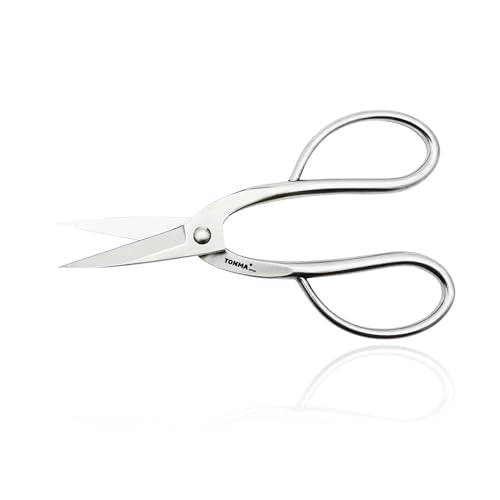
TONMA Ashinaga Bonsai Scissors 8-Inch (TGS-3)

DEWALT 20V MAX Pruning Shears (DCPR320B)
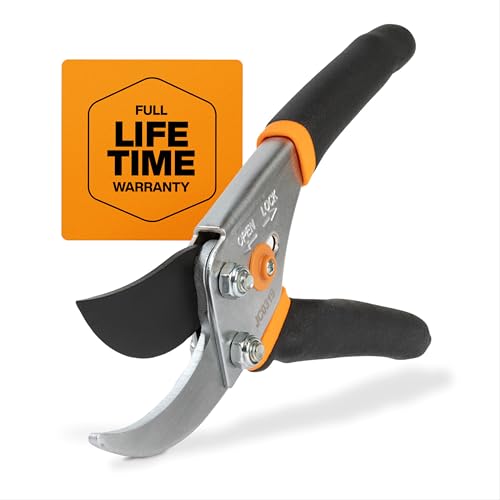
Fiskars Bypass Pruning Shears (5/8″)

Fiskars Forged Steel Bypass Pruning Shears (1″)

Fiskars SoftGrip Bypass Pruning Shears (5/8″)

Felco F2 Pruning Shears (9.25″)
Why These Options Stand Out
These long-handled Japanese scissors come from a maker that specializes in bonsai tools, and you feel that focus the moment you hold them. Unlike the all-purpose bypass models lower on this list, the TGS-3 uses straight cutting blades designed for clean snips on tender growth rather than crushing woody stems. The 8-inch length gives your hand extra leverage, which matters during long shaping sessions.
The forged construction from AUS-8 steel (a hard, corrosion-resistant alloy common in high-end Japanese cutlery) keeps an edge through seasons of regular use. For most bonsai enthusiasts, the precision here is the real draw, since standard bypass pruners tend to leave ragged cuts on fine twigs.
Real Benefits
- Long handles reach into the interior of dense bonsai canopies
- AUS-8 steel holds a sharp edge through heavy shaping work
- Made in Japan, where bonsai tooling is a serious craft tradition
- Straight blades leave cleaner cuts on delicate live growth
Worth Noting
- Not built for thick branches; specialty tool, not a generalist
- Will need occasional sharpening to keep that factory edge
Who It Suits Best
Bonsai keepers and anyone shaping ornamental topiary who values precision over raw cutting force.
Skip It When
The Felco F2 suits you better if you want one tool that handles everything from roses to woody shrubs.
DEWALT brings its power-tool DNA to the garden shed, and the result is a cordless pruner that takes the hand strain out of thicker stems. Where the Fiskars models below rely entirely on your grip, this one uses a 20V motor to drive the blades, which is a genuine game changer for anyone with arthritis or a large property to clear.
The 1.5-inch cutting capacity handles growth that would stop most hand pruners in their tracks. An onboard LED worklight helps when reaching into shaded hedges at dusk, and the non-stick blade coating resists sap buildup during long sessions.
Useful Strengths
- Motorized cutting drastically reduces hand fatigue on big jobs
- 1.5-inch capacity handles branches most hand shears cannot
- Swappable battery system fits other DEWALT 20V tools you may own
- Quick-change blades extend the working life of the tool
Trade Offs
- Bare tool only, so factor in a battery and charger if you do not already own DEWALT gear
- Heavier than manual shears and less precise for detail work
- Mechanical parts mean occasional maintenance that hand pruners skip entirely
Made For
Property owners managing overgrown shrubs, orchard keepers, and anyone whose hands tire quickly from manual cutting.
Reach For A Different Pick When
The Fiskars SoftGrip Bypass Pruning Shears suit you better if your yard is small and you prefer quiet, no-fuss hand tools.
The classic Fiskars orange handles show up in more garden sheds than almost any other tool, and for good reason. These bypass pruners use a scissor-like action where one curved blade sweeps past a flat anvil blade, which gives live plants the clean cut they need to heal quickly.
The 5/8-inch capacity covers most flower stems, rose canes, and young growth you encounter in a typical backyard. Precision-ground steel blades stay sharp through regular use, and the lightweight body makes them approachable for first-time gardeners.
Useful Highlights
- Time-tested design that beginners find intuitive right away
- Bypass action protects live stems from crushing damage
- Lightweight build reduces arm fatigue during spring cleanup
- Replacement parts are widely available from the manufacturer
Points To Note
- Not built for woody branches over 5/8 inch
- Plastic handles can feel slippery when wearing thin gardening gloves
The Right Fit
New homeowners building their first tool kit and anyone trimming flowers, herbs, and small shrubs on a regular basis.
Look Elsewhere When
The Fiskars Forged Steel Bypass Pruning Shears are a better match when your yard has mature, woody growth needing more cutting force.
Where the standard Fiskars model handles delicate work, this forged version steps up for the thicker stuff. The handles are shaped from a single piece of forged steel (heated and pressed under pressure for extra strength) rather than stamped sheet metal, which translates to noticeably sturdier construction in the hand.
A 1-inch cutting capacity opens up tasks like pruning established roses, berry canes, and small ornamental tree branches. The fully hardened blade holds its edge through the kind of repetitive cutting that wears down lesser tools.
What Earns Its Place
- Forged steel body outlasts stamped models under heavy use
- 1-inch capacity tackles branches the lighter version cannot reach
- Hardened blade resists dulling during extended pruning sessions
- Substantial grip inspires confidence on tough cuts
Minor Gripes
- Heavier than entry-level Fiskars, so longer sessions tire smaller hands
- Overkill for gardeners who mostly deadhead flowers and herbs
Best Suited To
Backyard fruit growers, rose gardeners, and homeowners managing established shrubs with woody growth.
A Better Fit Elsewhere
The Fiskars SoftGrip Bypass Pruning Shears fit better for gardeners prioritizing comfort during long, light trimming sessions.
Repetitive strain is the silent killer of gardening enthusiasm, and Fiskars built this model specifically to address it. The SoftGrip handles add cushioning exactly where pressure builds up, which makes a real difference during the kind of afternoon that turns into an evening.
Underneath the comfort upgrades, you get the same reliable bypass action as the standard model. A self-cleaning sap groove helps prevent blades from gumming up during heavy spring growth, a small detail owners commonly appreciate.
Notable Gains
- Cushioned handles reduce pressure points during long sessions
- Self-cleaning sap groove keeps blades moving smoothly
- Non-slip grip stays secure when hands are damp or gloved
- Familiar Fiskars ergonomics that many gardeners already trust
Honest Caveats
- Same 5/8-inch capacity as the standard version, so thick branches remain out of reach
- Soft grip material can wear faster than all-metal handles in heavy commercial use
Who Should Grab It
Anyone with arthritis, smaller hands, or a tendency to emerge from garden sessions with sore joints.
Where Another Pick Suits Better
The DEWALT 20V MAX Pruning Shears suit larger properties better when fatigue from manual cutting is the main complaint.
Felco has been making the F2 in Switzerland since the 1940s, and the design has barely changed because it works. The forged aluminum handles feel light in the hand despite their rugged appearance, a balance that becomes obvious after a full day of vineyard or orchard work.
The hardened steel cutting blade handles branches up to about 1 inch thick, and every wearing part is replaceable. This is the pruner you buy once and rebuild over decades rather than replace every few years.
Practical Pluses
- Replaceable blades, springs, and handles extend the tool’s working life indefinitely
- Forged aluminum keeps weight low without sacrificing strength
- Rubber shock absorbers soften each cut for the user’s hand
- Swiss manufacturing with a long reputation among professional growers
Points To Keep In Mind
- Sits at a much higher price tier than the Fiskars models above
- Periodic disassembly for cleaning takes a few minutes longer than simpler designs
Whose Shelf It Belongs On
Professional landscapers, vineyard workers, orchardists, and serious home gardeners who want a tool for life.
Consider Something Else When
The Fiskars Bypass Pruning Shears fit better for casual gardeners who would rather replace than maintain a specialty tool.
What Matters Most Before Choosing Pruning Shears
Bypass vs. Anvil
Bypass pruners use two curved blades that pass each other like scissors, giving clean cuts on live green wood. Anvil pruners have one straight blade that closes onto a flat surface, which works for dead wood but can crush live stems. For most home gardens, bypass is the safer default.
Cutting Capacity and Blade Steel
Capacity ratings tell you the maximum branch diameter the tool can handle, but honest reviews suggest treating those numbers as generous upper bounds. Hardened or high-carbon steel holds an edge longer, which matters if you prune regularly rather than once a season.
Ergonomics and Grip
Handles come in molded plastic, forged steel, and cushioned variants. The right choice depends on how long you tend to work and whether hand fatigue has been an issue in the past. Spring tension also varies between models and changes the feel of repetitive cuts more than most shoppers expect.
Maintenance Reality
Sharpening, oiling, and occasional part replacement are part of ownership. Tools with replaceable blades and springs, like the Felco F2, reward a few minutes of care with decades of service. Cheaper tools often reach end-of-life once the blade dulls past recovery.
Quick Notes Before You Buy
Traps First Timers Fall Into
Buying the cheapest pair and expecting years of service is the most common disappointment. Blades that cannot be sharpened or replaced effectively make the tool disposable, so the true cost over five years often beats the savings at the register.
Where The Extra Money Goes
Premium pruners invest in better steel, tighter manufacturing tolerances, and replaceable wearing parts. For gardeners who prune weekly, that upgrade pays back in cleaner cuts and far fewer replacements over the tool’s lifetime.
Frequently Asked Questions
How often should I sharpen pruning shears?
Once or twice a season covers most home gardeners, with a quick touch-up whenever cuts start looking ragged instead of clean.
Can bypass pruners handle dead wood?
Small dead twigs are fine, but thicker dead branches call for anvil pruners or a small saw to avoid straining the tool.
Are cordless pruning shears worth it for small yards?
For most small yards, a quality manual pruner is simpler, lighter, and cheaper to own, though cordless models help anyone with grip strength issues.
What is the best way to clean pruning shears?
Wipe blades with a damp cloth after each session, dry thoroughly, and oil the pivot point lightly to prevent rust and sticking.
How do I know when to replace rather than sharpen?
When the blade edge has nicks that sharpening cannot remove, or when parts like springs or handles break, replacement becomes the smarter move.
Closing Thoughts
The right pruning shears depend less on price tags and more on what grows in your yard and how often you tend it. Casual gardeners get years of service from a solid Fiskars model, while serious growers find a tool like the Felco F2 earns its keep over decades. Match the tool to your real workload, and the rest takes care of itself.