A struggling houseplant or a sad tomato patch rarely comes down to watering habits. More often, the medium the roots sit in is the actual bottleneck. Choosing among the many soils for growing plants means balancing drainage, nutrient content, and texture, and the wrong bag can leave roots soggy, starved, or both. This roundup focuses on five picks that handle distinct jobs well, from worm castings that boost tired beds to compressed bricks that free up closet space.
How The Shortlist Stacks Up

Earth Science Earthworm Castings – 3 lb – Soil Enhancer

FoxFarm Ocean Forest Potting Soil 1.5 cu ft
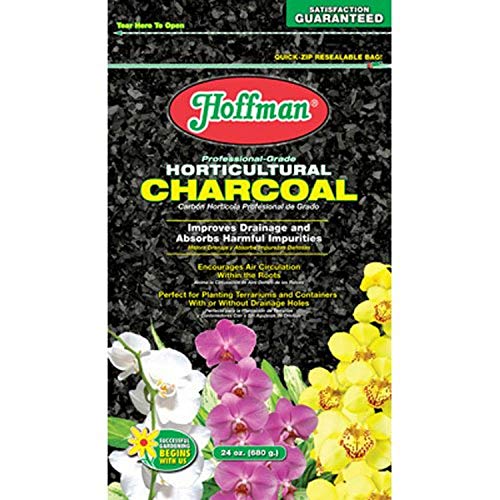
Hoffman 17502 Charcoal Soil Conditioner 24 oz

Organic Plant Magic Compressed Potting Soil

Legigo 2 Pack Coco Coir Bricks for Plants
Meet The Standout Selections
This is not a standalone potting mix. Earthworm castings, the digested organic matter worms leave behind, work best stirred into existing soil or blended at roughly ten to twenty percent of the total volume. The 3 lb bag suits small beds, raised planters, and a cluster of houseplants rather than a full landscape overhaul.
Vegetable gardeners rebuilding a tired patch get the most visible payoff here. Worm castings feed the microbial life in the soil, which in turn makes nutrients more available to plant roots. Indoor growers also lean on this as a gentle, slow-release fertilizer that won’t scorch delicate roots.
The Good Stuff
- Pure organic matter with no synthetic additives, gentle enough for edibles and seedlings alike.
- Improves water retention in sandy soils while loosening dense clay over time.
- Feeds beneficial microbes, which gradually rebuild depleted garden beds.
- Small bag fits on a shelf and is easy to scoop without a wheelbarrow.
- Works as a top-dress, a soil-blend component, or a light compost tea base.
Things To Consider
- At 3 lb, the volume runs out quickly on anything larger than a couple of raised beds.
- Not a complete growing medium on its own, so it has to be mixed into existing soil or another substrate.
Feature Snapshot
Right Fit For
Vegetable gardeners and indoor plant parents looking to revive depleted soil without synthetic fertilizer.
Consider Something Else When
You need a complete potting medium for containers, where FoxFarm Ocean Forest handles the job without extra mixing.
FoxFarm Ocean Forest arrives ready to use straight from the bag, which removes one of the most common friction points for new container gardeners. The 1.5 cu ft size handles a generous run of medium pots or a single large planter without buying multiples. Its light, aerated texture helps oxygen reach roots, while the blend includes earthworm castings, fish meal, and crab meal as nutrient sources.
Compared to a plain amendment like Earth Science’s worm castings, this is the full meal deal. Seedlings, houseplants, and patio vegetables all settle in quickly without needing supplemental feeding in the first several weeks. Container gardeners who repot frequently get the most mileage from the rich starting profile.
A Favorable Mix
- Ready to plant right out of the bag, no mixing or amending required.
- Light, airy texture encourages strong root development in containers.
- Built-in organic nutrients support the first growth phase without extra fertilizer.
- Multi-pack options make sense for gardeners repotting several large planters.
Room For Improvement
- Nutrient content tapers after the first month or so, so longer-term crops need supplemental feeding.
- Heavier bag can be awkward to carry up stairs or across a yard solo.
Made For
Container gardeners repotting houseplants, patio herbs, or seedlings who want a rich, ready-to-go mix.
Look Elsewhere When
You want to amend an existing in-ground bed, where Earth Science worm castings serve as a more efficient soil booster.
Hoffman’s charcoal conditioner plays a specialized role, and the 24 oz jar is best understood as a supplement rather than a full soil. The porous charcoal pieces open up air pockets in a dense mix, helping excess water drain away from roots. They also absorb impurities, which keeps the root zone cleaner over time.
Orchid growers, terrarium builders, and anyone fighting chronic overwatering problems get the most out of this product. Mix a small handful into a dense potting blend to break up compaction. It pairs naturally with the moisture-retention castings in pick 1, balancing each other out.
Useful Touches
- Improves drainage in dense, compacted potting mixes.
- Porous structure filters impurities and helps freshen the root zone.
- Especially useful for containers without reliable drainage holes.
- Pairs well with moisture-retentive amendments for a balanced mix.
Worth Noting
- Cannot stand alone as a growing medium, so it requires pairing with a base soil.
- Charcoal dust at the bottom of the jar means a brief rinse before use is practical.
Feature Rundown
Best Suited To
Orchid enthusiasts, terrarium hobbyists, and anyone losing plants to soggy roots in dense containers.
Swap It Out When
You want a complete starter soil for general container use, where FoxFarm Ocean Forest is a more convenient single purchase.
Storage is the headline here. The compressed granules arrive in a small resealable bag and expand up to four times in volume once water hits them, producing several gallons of usable soil. Apartment dwellers without a garage, or anyone hauling soil up several flights of stairs, immediately appreciate the difference from a 1.5 cu ft bag like FoxFarm’s.
The blend draws on coconut coir and worm castings, hitting a similar nutrient-and-aeration profile to a traditional potting mix. For most indoor setups and small balcony gardens, it’s a surprisingly capable all-in-one. In-ground gardeners needing to amend a full bed will find the volume limiting, though.
Good Reasons To Consider
- Compresses small enough to store in a closet or under a sink.
- Expands fourfold when hydrated, yielding roughly 3 gallons per brick.
- Includes trace minerals and worm castings for a nutrient-rich starting mix.
- Resealable bag keeps the remaining granules fresh between uses.
Points To Note
- Requires water and a few minutes of waiting before use, unlike ready-to-go bagged soil.
- Limited volume per bag makes it less practical for large in-ground beds.
Who Will Love This
Apartment dwellers, balcony gardeners, and anyone with limited storage who still wants a nutrient-rich medium.
Not Your Match When
You’re filling a large raised bed or multiple big planters in one session, where FoxFarm Ocean Forest’s bulk format saves effort.
Coco coir, the fibrous material from coconut husks, has earned its place as a sustainable alternative to peat moss. Each Legigo brick measures roughly 8 x 4 x 2 inches and weighs about 1.4 lb, so a two-pack is easy to mail-order and stash. Hydrate the bricks and they fluff up into a loose, peat-like medium.
This product works as a base for DIY mixes rather than a one-and-done soil. Seed starters lean on coir for its clean, low-disease profile, and gardeners blending their own potting mixes use it as the structural backbone. The low salt content and balanced pH give it an edge over some imported peat alternatives.
What Pays Off
- Biodegradable and sourced from coconut husks, a renewable byproduct.
- pH-balanced and low in soluble salts, which protects young seedlings.
- Bricks hydrate quickly and expand into a fluffy, workable medium.
- Useful as a base, a mix-in, or a peat moss substitute.
Practical Considerations
- Needs nutrient amendments for long-term plant feeding, since coir itself is mostly inert.
- Hydration requires a bucket and a few minutes of soaking before use.
Perfect Match For
Seed starters and DIY mixers building custom blends for vegetables, microgreens, or propagation trays.
Reach For A Different Pick When
You want a single ready-to-use bag with built-in nutrients, where Organic Plant Magic’s compressed blend offers a more complete starter profile.
Factors To Weigh Before Choosing Soils for Growing Plants
Match The Medium To The Container
In-ground beds, raised planters, and small pots all ask different things from a growing medium. In-ground soil benefits most from amendments like worm castings that feed microbial life. Container plants need a lighter, faster-draining mix because roots sit in a confined space. Pick 3’s charcoal conditioner helps when a standard mix stays too wet, while pick 2’s FoxFarm blend arrives pre-balanced for the container scenario.
Texture And Drainage Drive Root Health
Roots need oxygen as much as they need water, and dense or compacted soil suffocates them. Coco coir and peat-based blends offer a loose, fibrous structure that resists compaction over time. Sandy or clay-heavy native soils benefit from organic matter additions, which is where earthworm castings earn their keep. You can judge a soil’s texture by feel. A good mix crumbles in your hand rather than forming a tight ball.
Nutrient Content And Long-Term Feeding
Ready-to-use potting mixes include enough starter nutrition for the first month or two of growth. Beyond that, plants need supplemental feeding through liquid fertilizer, granular feed, or compost top-dressings. Coco coir is mostly inert and almost always needs amendment. Worm castings, on the other hand, release nutrients slowly and feed soil biology at the same time.
Storage And Handling Considerations
A 1.5 cu ft bag of traditional potting soil weighs 30 to 40 pounds and takes up meaningful shelf or garage space. Compressed bricks and granules solve that problem but require a few minutes of preparation. For small-space gardeners, the trade-off usually favors compression. For larger operations, bulk bags make more sense.
Key Considerations Across These Picks
Common Shopping Slip Ups
A frequent mistake is treating any bag labeled “potting soil” as interchangeable. Outdoor garden soil doesn’t work in containers because it compacts too tightly. Another trap is assuming a single purchase covers a plant’s full lifecycle. Most mixes deliver a strong start but taper off, and planning for supplemental feeding prevents the mid-season slump where growth stalls.
Where The Extra Money Goes
Premium mixes charge more for thoughtful ingredient sourcing, balanced nutrition, and consistent texture. Earthworm castings cost more per pound than basic peat because worms are slow producers. FoxFarm’s blend includes multiple organic components rather than cheap filler. For most home gardeners, the upgrade pays off in faster establishment and fewer repotting surprises, but you don’t need premium soil for every plant on the shelf.
Frequently Asked Questions
How often should I replace potting soil in containers?
Freshen the top few inches of container soil each season and do a full replacement every one to two years. Roots compact the medium over time and deplete the built-in nutrients.
Can I mix different soils together?
Yes, blending two or three of these products often produces a more balanced mix than any single bag. A common recipe combines coco coir, worm castings, and a drainage amendment like charcoal.
Is coco coir a sustainable choice?
Coco coir is a byproduct of the coconut industry and renews faster than peat harvests, which take centuries to recover. It is widely treated as a more environmentally friendly base than peat moss.
Do I need fertilizer if I use worm castings?
Worm castings supply slow-release nutrition but rarely cover a full growing season on their own. Most gardeners add supplemental fertilizer for heavy feeders like tomatoes or peppers.
What’s the difference between potting soil and garden soil?
Potting soil is sterile, lightweight, and designed for containers. Garden soil is heavier and meant for in-ground use, where it can compact and starve roots when placed in a pot.
Wrap Up
The right soil for growing plants depends on where you garden and what you grow. Containers ask for lightweight, pre-amended blends like FoxFarm Ocean Forest or Organic Plant Magic’s compressed mix. Beds benefit from organic boosters like Earth Science worm castings. Specialty needs, whether fighting root rot or starting seeds, have their own targeted products in charcoal and coco coir. Pick the medium that matches your setup rather than grabbing whatever bag is closest at the store, and your plants will show the difference within a season.