Most indoor plants do not die from neglect. They die because the soil in the pot holds water too long, compacts too fast, or ships stripped of the biology roots actually need. Choosing the right medium shapes everything from watering frequency to how often you repot, and the gap between a happy pothos and a root-rotting one often starts with whatever you filled the container with. This roundup covers ready-to-use organic mixes, classic nutrient-rich blends, and pure amendments you blend into your own mix.
The Picks In Brief

Rosy Soil Organic Indoor Potting Mix 8 Quarts
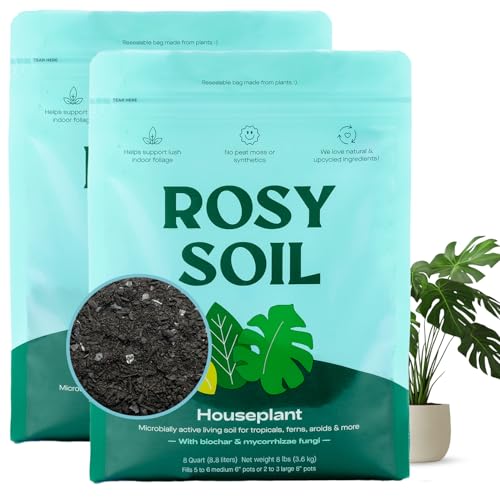
Rosy Soil Houseplant Potting Soil 8 Quarts, Pack of 2

Legigo Organic Perlite 4 Quarts

Earth Science Earthworm Castings 3 lb

FoxFarm Ocean Forest Potting Soil 1.5 cu ft
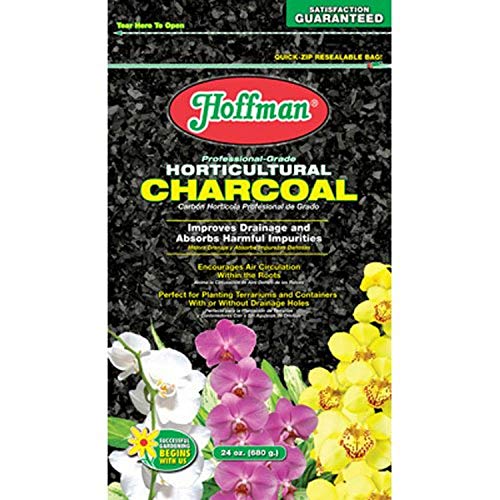
Hoffman 17502 Charcoal Soil Conditioner 24 oz

Rosy Soil Organic Indoor Potting Mix 4 Quarts

Legigo Organic Perlite 15 Quarts

Legigo Organic Perlite 20 Quarts

Legigo Organic Perlite 6 Quarts
More On The Choices That Made The List
If your houseplant shelf looks like a small jungle, you know the frustration of soil that goes bone-dry in two days or stays soggy at the bottom no matter how carefully you water. Rosy Soil’s 8-quart organic mix is built around biochar (a charcoal-like soil conditioner that holds nutrients and improves structure), worm castings, mycorrhizae (beneficial fungi that colonize roots and help them grab nutrients), compost, and bark fines instead of peat moss. The blend targets the two biggest indoor-soil failures: compaction and biological sterility.
The peat-free formulation matters for sustainability-minded plant parents, and the inclusion of living microbes means the soil keeps working after you pot up. For a small mixed collection of tropicals, monsteras, or pothos, the 8-quart bag covers roughly five to seven standard 6-inch repottings depending on root density. This pick sets a thoughtful tone for the rest of the list, prioritizing biology over brute fertilizer.
Everyday Advantages
- Biochar and worm castings deliver slow-release nutrition without synthetic fertilizer burn.
- Mycorrhizae actively colonize roots, improving nutrient uptake over the life of the plant.
- Bark fines keep the texture loose, so water reaches deeper roots instead of channeling down the sides.
- Peat-free composition appeals to growers concerned about bog-ecosystem harvesting.
- 8-quart volume handles a multi-plant repotting session without running dry mid-project.
Things To Consider
- The texture reads richer and denser than a typical aroid chunky mix, so very large monsteras may still want extra perlite blended in.
- Bag weight is noticeable at 8 quarts; storing it away from a humid closet helps prevent the biochar from absorbing ambient moisture before use.
Key Specs
Who It Suits Best
Organic-focused growers with a mixed collection of tropical houseplants will appreciate the living-soil approach and the peat-free ingredient list.
Consider Something Else When
Very large outdoor containers or heavy-feeding vegetables may need richer bulk volume; in that case the FoxFarm Ocean Forest Potting Soil 1.5 cu ft handles bigger jobs.
Same recipe as the single-bag Editor’s Choice, doubled up for plant parents who keep accumulating new leaves. The two-pack format makes sense when you’re propagating, starting over after a pest outbreak, or maintaining a window line that grows faster than you can repot. Buying in pairs typically lowers the per-quart cost compared to a single bag.
The peat-free, biology-forward blend continues to do the heavy lifting on root health. For anyone whose collection has tipped past fifteen pots, this is the format that finally keeps up with demand without resorting to bargain-bin mix. Compare it to the single 8-quart option: you’re not getting a different product, just less reordering.
Where It Excels
- Two-bag format covers a full repotting day for a medium-sized collection.
- Same mycorrhizae and biochar blend as the single bag, so quality stays consistent.
- Bulk purchase generally trims the per-quart cost noticeably.
- Keeps a backup bag sealed and stored for emergency top-offs after a pest outbreak.
Worth Noting
- Two full bags demand closet or shelf space; the unopened bag should stay cool and dry to preserve microbial life.
- Carrying both bags at once is awkward; repotting in stages works better than hauling them together.
Made For
Collectors with twenty-plus pots who routinely repot, propagate, or refresh topsoil across multiple plants each season.
Look Elsewhere When
Apartment dwellers with a five-plant shelf get more value from the Rosy Soil Organic Indoor Potting Mix 4 Quarts, which fits smaller collections.
Perlite is the white, porous volcanic stone you see in almost every bagged indoor mix, and it does one job extremely well: keeping soil from compacting around roots. The Legigo 4-quart bag is a small entry point for anyone who wants to start blending custom aroid mixes without committing to a 20-quart sack. Coarse, evenly sized particles resist breaking down into dust the way finer perlite sometimes does.
This is not a soil on its own. It’s an amendment you mix into peat-based or coco-coir blends at roughly a 1:3 ratio for tropical houseplants. For beginners experimenting with chunky aroid mixes, the small bag lets you learn what perlite does without overpaying for volume you won’t use before it gets dusty.
Strong Points
- Coarse grade creates lasting air pockets that finer perlite loses after a few waterings.
- pH-neutral volcanic stone won’t shift your soil’s acid balance.
- Small 4-quart bag is manageable to store and pour without mess.
- Doubles as a top dressing for succulent arrangements.
Trade Offs
- Fine perlite dust is common on opening; wet the perlite lightly or wear a dust mask when pouring.
- Only 4 quarts disappears quickly on multi-plant repotting days, so larger collections may need the 15-quart or 20-quart siblings.
Best Suited To
First-time mixers experimenting with custom aroid blends or succulent top dressing in a small apartment.
A Better Fit Elsewhere
Someone repotting a full shelf in one session should reach for the Legigo Organic Perlite 20 Quarts to avoid running out halfway through.
Worm castings are the polite, slow-release nutrient source your houseplants wish you knew about years ago. Earth Science’s 3-pound bag adds organic matter, beneficial microbes, and trace nutrients to whatever soil you already use, without the burn risk that synthetic fertilizers carry. A little goes a long way: most growers top-dress or blend in a thin layer rather than filling pots with castings alone.
The castings also improve water retention in sandy or chunky mixes, which matters for tropicals that hate drying out completely. For indoor herb gardens and windowsill vegetables, the gentle nutrient profile supports steady growth without the leggy stretch that high-nitrogen liquid feeds can cause in low light.
Positive Points
- Slow-release nutrients reduce the need for frequent liquid feeding.
- Boosts water retention in chunky aroid mixes.
- 3-pound bag covers dozens of small top-dressings or repotting events.
- Safe around curious pets and children when used as directed.
Points To Keep In Mind
- Castings alone are not a complete soil; pair them with a base mix like the Rosy Soil Organic Indoor Potting Mix 8 Quarts.
- Subtle earthy smell is normal but can be noticeable in enclosed rooms during the first few waterings.
Perfect Match For
Light-feeding herbs, indoor leafy greens, and tropical foliage plants that prefer steady nutrition over fertilizer spikes.
Skip It When
You want a one-bag ready-to-use medium without mixing; the FoxFarm Ocean Forest Potting Soil 1.5 cu ft delivers a complete blend straight from the bag.
The FoxFarm Ocean Forest bag is the heavyweight of the roundup, and the longtime favorite for a reason. At 1.5 cubic feet, it covers big floor planters, multiple patio containers, and serious tropical collections in one go. The blend runs richer than most peat-based mixes, with earthworm castings, fish meal, and crab meal feeding hungry roots for the first several weeks after potting.
The texture sits between standard indoor mix and outdoor potting soil: light enough for root penetration, structured enough to avoid slumping. For fiddle leaf figs, large monsteras, or anyone transitioning plants outdoors for summer, this is the bag that handles the volume and nutrient load. Compared to the peat-free Rosy Soil options, Ocean Forest leans on traditional ingredients for gardeners who prefer the classic approach.
Benefits That Matter
- 1.5 cu ft volume covers large floor planters and patio containers in one purchase.
- Built-in organic nutrition from earthworm castings, fish meal, and crab meal reduces early feeding needs.
- Aerated texture resists compaction under heavy watering schedules.
- Ready to use straight from the bag, no amendment required for most tropicals.
Honest Caveats
- Smell is stronger than soil-only mixes due to the ocean-sourced meals; air it out before bringing it indoors.
- 1.5 cu ft is a large, heavy bag; not ideal for apartment dwellers without a cart or storage shelf.
- Peat-based composition is less sustainable than the Rosy Soil peat-free alternatives.
Quick Facts
Right Fit For
Gardeners with large floor planters, patio containers, or heavy-feeding tropicals who want a ready-to-use blend with built-in nutrition.
Swap It Out When
Sustainability-focused indoor growers should pick the Rosy Soil Organic Indoor Potting Mix 8 Quarts for a peat-free formulation.
Horticultural charcoal is one of those amendments most hobbyists discover too late, after they’ve already lost a beloved plant to soggy roots. Hoffman’s 24-ounce bag brings the porous, filtered benefits of charcoal to terrariums, orchid mixes, and any closed container where stagnant water would otherwise sour. The material absorbs impurities, encourages airflow, and keeps the soil smelling neutral rather than anaerobic.
Use it sparingly, blended into the lower portion of pots or layered in terrarium bases. The bag is small enough to store on a shelf, and a little goes further than you’d expect since charcoal maintains its structure over many growing seasons.
Noteworthy Benefits
- Porous structure improves drainage and oxygen flow around roots.
- Absorbs impurities to keep terrariums and closed containers fresher longer.
- Compact 24-ounce bag stores easily on a plant shelf.
- Lasts through many growing cycles without breaking down.
Points To Note
- Charcoal alone is not a soil; it must be blended at roughly 10-20% of total volume.
- Black dust on opening is common; rinse before use to keep mixes clean.
Who Will Love This
Terrarium builders, orchid growers, and anyone working with pots that lack drainage holes will value the filtration and airflow.
Reach For A Different Pick When
You need a base growing medium rather than an amendment; the Rosy Soil Organic Indoor Potting Mix 8 Quarts is a complete starting soil.
Not everyone needs 8 quarts of anything. Apartment dwellers with five pots on a shelf and a windowsill herb garden can get the same peat-free, biology-rich Rosy Soil blend in a 4-quart bag that fits on a closet shelf. The smaller format keeps the mix fresh: by the time you finish the bag, the mycorrhizae and beneficial microbes are still active.
The 4-quart bag also suits gift plantings and propagation projects, where you only need a few cups at a time. It’s the same ingredient list as the Editor’s Choice, simply in a size that matches a smaller indoor setup.
What Earns Its Place
- Compact size fits apartment closets and small storage shelves.
- Same peat-free recipe as the larger 8-quart version.
- Smaller volume means the bag gets used before microbes lose viability.
- Good fit for propagation trays and gift plantings.
Small Caveats
- Per-quart cost runs higher than the 8-quart or two-pack options.
- Runs out quickly for anyone with more than six or seven medium pots.
Built With In Mind
Apartment growers with a modest plant shelf and limited storage space who still want a peat-free organic mix.
Where Another Pick Suits Better
Multi-plant repotting days call for the Rosy Soil Houseplant Potting Soil 8 Quarts, Pack of 2, which covers more pots per session.
Mid-size perlite bags live in an awkward middle ground, but the Legigo 15-quart option lands well for hobbyists who blend custom mixes on a regular schedule. The volcanic stone is coarse and evenly graded, so air pockets survive multiple waterings instead of migrating to the bottom of the pot. At 15 quarts, the bag covers a half-dozen repotting events without dominating your storage closet.
For growers mixing 1:1 or 1:2 perlite-to-soil ratios for monsteras and philodendrons, this volume keeps the workflow moving. It bridges the gap between small introductory bags and the 20-quart bulk option for serious propagators.
Everyday Wins
- Coarse grade resists breakdown into the fine dust that clogs drainage.
- pH-neutral stone won’t shift soil chemistry in mixed blends.
- 15-quart volume covers medium collections across several repotting sessions.
- Stores compactly in a bin or lidded tote away from humidity.
Areas To Watch
- Dust on opening requires light misting or a quick rinse before blending.
- Bulk perlite should be kept dry; humid storage sheds dust that floats during the next pour.
Whose Shelf It Belongs On
Custom-mix hobbyists who repot a dozen or so aroids each season and want a steady perlite supply without bulk-bag commitment.
Not Your Match When
Multi-plant sessions involving fifteen-plus pots run through 15 quarts fast; the Legigo Organic Perlite 20 Quarts saves a second order.
The 20-quart Legigo bag is the bulk option for serious mixers: people running propagation stations, refreshing chunky aroid blends for floor plants, or building their own cactus and succulent soil from scratch. Coarse perlite holds its shape through dozens of water cycles, so the air pockets you build today still exist months from now.
For context, 20 quarts blends into roughly 40 quarts of finished mix at a 1:1 ratio, enough for a major repotting sweep or several new 8- to 10-inch floor planters. The trade-off is storage: this bag wants a dry shelf or sealed bin, and you’ll need somewhere to decant it if you prefer not to wrestle a half-empty 20-quart sack mid-project.
A Few Strong Suits
- Largest single-bag perlite volume in the roundup, ideal for bulk blending.
- Coarse volcanic stone creates durable air pockets in long-term mixes.
- Per-quart cost runs lower than smaller Legigo sizes.
- Works for cactus, succulent, orchid, and aroid blends alike.
Possible Compromises
- Bag is heavy and awkward to pour from once opened; decanting into a lidded bin makes daily use easier.
- Dust cloud on first opening is significant; do it outdoors or wear basic protection.
Technical Highlights
Right Fit For
Propagation-heavy growers and aroid collectors managing floor-sized tropicals who blend their own chunky mixes in volume.
Another Choice May Suit
Casual indoor gardeners with under ten small pots will leave a 20-quart bag half-used; the Legigo Organic Perlite 6 Quarts is a saner first step.
The 6-quart Legigo bag lands in a sweet spot many indoor gardeners overlook: more than the 4-quart starter, less commitment than the 15- or 20-quart bulk sizes. It’s the right size for refreshing three or four mid-sized aroids in a single session, or topping off a propagation tray with airy rooting medium.
Same coarse, pH-neutral volcanic stone as the other Legigo options, just sized for routine care rather than full repotting marathons. For most plant parents who mix their own blends occasionally rather than constantly, this volume keeps the perlite fresh and the workflow tidy.
What Works In Its Favor
- Standard 6-quart size fits the routine aroid-refresh use case without waste.
- Coarse grade keeps drainage sharp across multiple watering cycles.
- pH-neutral stone won’t disrupt the chemistry of base mixes.
- Manageable bag weight is easier to lift and pour than the bulk options.
Where It Is Less Suited
- Runs short for anyone repotting more than five medium plants at once.
- Per-quart cost is higher than the 15- or 20-quart siblings.
Who Should Grab It
Plant parents who refresh two or three aroids each season and want a perlite bag that fits a small closet without going stale.
Another Choice May Suit
Collectors running multi-plant repotting days get better value from the Legigo Organic Perlite 20 Quarts at the cost of storage space.
Choosing The Right Indoor Potting Medium For Your Collection
Match The Medium To The Plant
Tropical foliage plants like monsteras, philodendrons, and anthuriums want airy, chunky blends that drain fast and hold some moisture without staying wet. Cacti and succulents need even sharper drainage, so blends heavy on perlite, pumice, or bark work best. African violets and other gesneriads prefer slightly more moisture retention with peat or coco coir as the backbone. Knowing your plant’s native environment shapes which mix saves you months of troubleshooting.
Drainage And Aeration Are Non-Negotiable
The number one killer of indoor plants is root rot from compacted, poorly draining soil. Any mix you choose needs visible air pockets that persist after watering. Amendments like perlite, orchid bark, and horticultural charcoal earn their place in custom blends because they keep soil structure loose over time, not just on day one. For most tropicals, a 20-30% perlite content by volume is a sensible starting point.
Living Soil Beats Sterile Dirt
Beneficial fungi (mycorrhizae) and bacteria in organic mixes form partnerships with roots, expanding their ability to grab water and nutrients. Peat-free blends built around biochar, worm castings, and compost keep that biology alive between waterings. Synthetic, sterile potting soils get plants through the first month, then quietly starve them of the microbe activity that long-term health depends on.
Consider Volume And Storage Before You Commit
A 1.5 cubic foot bag is overkill for a five-plant apartment shelf but perfect for a sunroom jungle. Buying in bulk saves money per quart but introduces storage problems: bags must stay cool, dry, and sealed to preserve microbial life. Match the bag size to your actual repotting cadence so you use the product while it’s still fresh rather than letting it sit half-open for a year.
Key Considerations Across These Picks
Pitfalls Shoppers Hit
Picking the cheapest bag on the shelf often means a peat-heavy mix with no perlite or bark, which compacts within weeks and suffocates roots. Another common trap is assuming any “potting soil” works for all houseplants, when succulents and tropicals genuinely need different structures. Overpotting into containers far larger than the root ball creates a moisture reservoir that even good soil can’t overcome, so size matters as much as the medium itself.
Where The Extra Money Goes
Paying more for a peat-free organic mix buys living biology, sustainable sourcing, and structure that holds up across seasons. The premium also covers ingredients like biochar and worm castings that keep feeding plants after the initial potting, reducing the need for frequent fertilizer applications. For a small collection, the upgrade pays off in slower repotting cycles and visibly sturdier growth within a few months.
Frequently Asked Questions
How Often Should Indoor Potting Soil Be Replaced?
Most tropical houseplants benefit from fresh soil every 12-18 months, since the structure breaks down and nutrients deplete over time. Fast growers in small pots may need annual refreshes, while slow growers in larger containers can stretch to two years between repottings.
Can I Mix Different Soils And Amendments Together?
Yes, blending is standard practice. Combining a peat-based or coco-coir base with perlite, orchid bark, or charcoal lets you tune drainage and moisture retention to specific plants. A common starting ratio is two parts base mix to one part perlite for tropical aroids.
Is Peat-Free Soil Actually Better For Houseplants?
Peat-free blends avoid the sustainability concerns of peat bog harvesting while delivering similar performance when properly formulated. Modern peat-free mixes built around coco coir, biochar, and compost perform comparably to peat-based options for most indoor plants.
Do I Need To Add Fertilizer If My Mix Already Has Worm Castings?
Worm castings provide slow-release nutrition that covers the first month or two after potting. Beyond that, supplemental liquid feeding during the active growing season keeps foliage vigorous, especially for heavy feeders like monsteras and fiddle leaf figs.
What’s The Difference Between Perlite And Pumice?
Both are volcanic minerals that aerate soil, but perlite is heat-expanded and very lightweight, while pumice is denser and heavier. Pumice resists floating to the surface during heavy watering, while perlite is more affordable and easier to find in standard garden supply listings.
Closing Thoughts
The right soil turns plant parenting from guesswork into a calm routine, and the wrong one keeps you troubleshooting yellow leaves and mushy stems. Start with one of the peat-free Rosy Soil options for organic houseplant care, add perlite from Legigo to fine-tune drainage, and bring in earthworm castings for steady nutrition. That combination covers the majority of indoor collections without overcomplicating your shelf or your storage closet.