Choosing the right growing medium matters more than most backyard berry growers expect. Raspberries send out shallow, wide-ranging roots that demand steady drainage and a steady drink at the same time, a balance that ordinary garden soil rarely delivers on its own. The right mix saves you from waterlogged crowns in spring and parched feeder roots by midsummer.
The lineup below covers six widely available options, from rich organic blends built for containers to fast-draining mixes intended for drier-rooted plants. Each one has trade-offs worth knowing before you commit.
A Quick View Of The Lineup
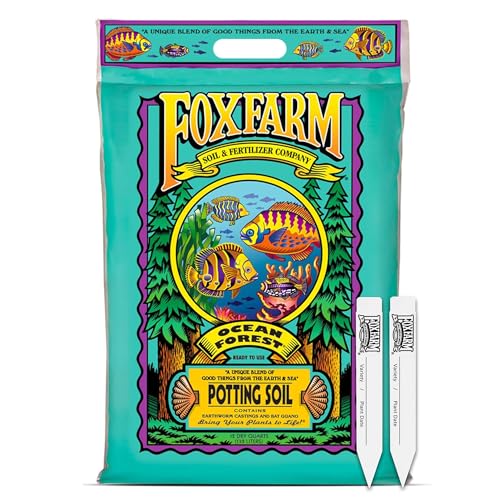
FoxFarm Ocean Forest Potting Soil 12 Quarts with Plant Tags

Miracle-Gro Potting Mix 16 qt. 2-Pack

Miracle-Gro Cactus, Palm & Citrus Potting Mix 8 qt.

Compressed Organic Potting Soil Expands 4x

Miracle-Gro Moisture Control Potting Mix 16 qt. 2-Pack

Miracle-Gro Indoor Potting Mix 6 qt. 3-Pack
What Each Pick Brings To The Table
Container raspberries reward a rich, well-aerated medium, and FoxFarm’s Ocean Forest delivers exactly that. The blend incorporates earthworm castings alongside fish meal and crab meal, giving young canes a slow buffet of organic nutrition as they establish. The texture stays light and porous, so roots push through easily instead of circling a dense, compacted mass.
The 12-quart size suits a single half-whiskey-barrel planter or two mid-size patio pots, making it a smart first purchase for someone starting one raised bed of berries. Compared with the Miracle-Gro options below, this blend leans organic and ready-to-use, with no mixing required. You plant straight from the bag.
Practical Pluses
- Light, aerated texture encourages strong early root expansion in containers
- Organic amendments feed young canes gradually rather than burning tender roots
- Ready-to-use out of the bag, no amendment required for most setups
- Compact 12-quart size suits a single patio bed without waste
- Two plant tags included help label varieties and planting dates
Trade Offs
- Higher-end pricing per quart compared with multi-pack mixes
- Smaller bag size means reordering for larger beds
- Rich organic content may hold moisture longer than sandy sites need
At A Glance
Right Fit For
Patio and container growers who want a rich, organic medium for a small raspberry planting without mixing anything themselves.
Look Elsewhere When
You need to fill several large raised beds; the Miracle-Gro Moisture Control Potting Mix 16 qt. 2-Pack offers far more volume for the same effort.
Miracle-Gro’s classic container mix earns its place through sheer availability and a forgiving feeding window. The blend is formulated to nourish outdoor potted plants for up to six months, which lines up neatly with a full raspberry growing cycle from spring leaf-out through fall cane ripening. You water, the mix feeds, and you get on with your weekend.
The two-bag configuration totals 32 quarts, enough to fill multiple half-barrel planters or amend a modest raised bed generously. For most home gardeners, that volume covers a first-season raspberry planting without scrambling for more bags mid-summer. The trade-off is a more generic nutrient profile compared with the organic complexity of FoxFarm.
Where It Helps
- Six-month feeding window reduces mid-season fertilizer work
- Two-bag pack covers a full small-scale raspberry planting
- Widely stocked at most garden centers and online retailers
- Formulated for outdoor containers specifically
Honest Caveats
- Lighter on organic amendments than richer blends like FoxFarm Ocean Forest
- Synthetic feeding approach doesn’t suit strictly organic gardeners
- Medium-textured, not the loosest option for heavy clay regions
Whose Shelf It Belongs On
Backyard growers planting a half-dozen raspberry containers or refreshing soil across a small raised bed who value convenience and steady feeding.
A Better Fit Elsewhere
If your site bakes in summer sun and you struggle with watering, the Miracle-Gro Moisture Control Potting Mix 16 qt. 2-Pack holds water more reliably between drinks.
This one sounds like a curveball. A cactus mix for raspberries? But hear it out: raspberries hate sitting in saturated soil, and this fast-draining blend of sphagnum peat moss, sand, perlite, and forest products keeps the root zone airy. If your native soil leans toward heavy clay or your bed sits in a low spot that collects runoff, leaning toward the grittier end of the spectrum can save your canes.
The 8-quart bag is small, so this works best as a soil conditioner blended into native earth rather than a standalone fill. For raised beds with drainage issues or patio containers prone to staying wet, mixing in a generous portion of this blend transforms the root environment. You’ll want to supplement with regular feeding since the formula is built for plants that prefer leaner conditions.
The Helpful Details
- Fast-draining formula prevents crown rot in wet conditions
- Mixes well into heavy native soil to improve porosity
- Built-in plant food gives a starter nutrient boost
- Useful amendment for clay-heavy regions where drainage is a struggle
Small Caveats
- Not formulated as a complete standalone raspberry medium
- Smaller bag size requires multiple purchases for larger beds
- Drought-leaning profile means more attention to watering in heat
Feature Snapshot
Best Suited To
Growers fighting heavy, slow-draining soil who want to lighten the root zone in an established raspberry bed.
Consider Something Else When
You need an all-in-one planting medium for a brand-new container; the FoxFarm Ocean Forest Potting Soil 12 Quarts arrives ready to plant without blending.
Storage is the silent killer of gardening enthusiasm. A bulky bag of soil taking up half a garage corner makes you less likely to plant anything new. Organic Plant Magic solves that by shipping compressed granules that expand up to four times their volume once hydrated, yielding roughly three gallons of finished soil from a fraction of the shelf space.
The coconut coir base combined with worm castings gives raspberries a peat-free, organic medium that resists compaction nicely. You add water, wait a few minutes, fluff it up, and plant. Apartment dwellers and balcony gardeners especially appreciate the resealable bag format for ongoing small projects. For larger beds, you’ll need multiple bricks, which starts to defeat the convenience.
The Good Stuff
- Tiny footprint before hydration makes storage and transport painless
- Coir and worm castings offer organic, peat-free nutrition
- Resealable bag keeps unused material fresh between projects
- Expands reliably with basic tap water, no special prep needed
Points To Keep In Mind
- Multiple bricks required for raised beds or multiple containers
- Hydration step adds time compared with pre-mixed bagged soil
- Smaller finished volume per purchase than full-size bag competitors
Who Should Grab It
Balcony and patio gardeners with limited storage who plant in small batches and value organic ingredients.
Reach For A Different Pick When
You’re filling a half-whiskey-barrel planter in one session; the Miracle-Gro Potting Mix 16 qt. 2-Pack delivers far more finished volume without the hydration step.
Raspberries in full sun drink heavily, and a hot afternoon can leave a container’s root bone-dry before sunset. The Moisture Control formula builds on Miracle-Gro’s standard mix by adding sphagnum peat moss, coir, and a wetting agent that holds noticeably more water than basic potting soil. That buffer matters when you can’t dash out with a hose between meetings.
The AquaCoir ingredient absorbs water and releases it gradually as the soil dries, smoothing out the boom-bust wet-dry cycle that stresses berry roots. If your planting site bakes against a south-facing wall or you garden in a region with sudden summer heat waves, this blend buys you margin. In naturally wetter climates, that same moisture retention can backfire and keep roots too damp.
Positive Takeaways
- Absorbs noticeably more water than basic potting mixes
- Slow-release feeding matches a full growing season
- Two-bag pack covers a substantial planting in one purchase
- Reduces watering frequency during heat spells
Less Ideal Details
- Excess moisture retention can suffocate roots in poorly drained beds
- Wetting agent effectiveness may diminish over multiple seasons
- Not the right pick for shady, damp garden corners
Key Attributes
Made For
Gardeners in hot, sunny regions or anyone whose schedule can’t always keep up with daily container watering.
Swap It Out When
Your bed sits in shade or heavy native soil; the Miracle-Gro Cactus, Palm & Citrus Potting Mix 8 qt. offers the opposite approach with faster drainage.
Most raspberry varieties belong outdoors, but the Indoor Potting Mix earns a spot here for the experimental gardener starting cuttings or trying a compact everbearing type on a sunny windowsill. The three-bag, six-quart-each configuration gives you multiple small pots of consistent medium, which matters when you’re running a propagation trial.
The blend feeds for up to six months and is blended for a variety of houseplants, meaning it tolerates the lower light and indoor air conditions that stress outdoor mixes. For someone nurturing raspberry starts before transplanting to a larger bed, that consistency simplifies the early stage. The smaller bag size means it’s not practical for filling an outdoor bed.
Useful Strengths
- Multi-bag pack supports several small propagation projects at once
- Six-month feeding suits the slow establishment of new cuttings
- Blended for indoor conditions and lower light
- Consistent texture across multiple containers
Factors To Consider
- Smaller bags make it impractical for outdoor raised bed fills
- Indoor formulation may dry out faster than outdoor-specific blends
- Limited use case if you don’t start plants indoors
Perfect Match For
Backyard experimenters starting raspberry cuttings indoors before moving them to outdoor beds, or anyone testing compact varieties on a sunny sill.
Where A Sibling Pick Shines
For direct outdoor planting, the Miracle-Gro Moisture Control Potting Mix 16 qt. 2-Pack handles the volume and outdoor moisture swings better.
Picking The Right Medium For Your Raspberry Patch
Raspberries thrive in slightly acidic soil, ideally between pH 5.5 and 6.5. Drainage matters as much as fertility because their crowns rot quickly in waterlogged conditions. A loamy, well-draining medium rich in organic matter gives the best results across most climates and planting methods.
Container growers should prioritize blends with built-in moisture management or organic amendments that feed slowly over the season. Raised bed gardeners with native clay benefit from incorporating fast-draining mixes to break up compaction. If you garden in sandy soil that drains too quickly, look for water-retentive ingredients like coir and peat moss to keep roots from drying out between waterings.
Sphagnum peat moss is a common base ingredient that holds moisture while staying light. Coconut coir performs a similar role with a more sustainable footprint. Worm castings contribute slow-release nitrogen and beneficial microbes. Perlite and sand open up the texture to prevent compaction.
Match the bag size to your planting area, because running short mid-project leads to inconsistent soil profiles. Smaller bags suit single containers or propagation trays, while two-packs cover full raised beds without leaving you scrambling for more.
Key Considerations Across These Picks
Pitfalls Shoppers Hit
Choosing a mix designed for water-loving plants in a region with heavy rainfall is a common misstep. Raspberries suffer crown rot faster than most berry plants, so erring on the side of drainage usually beats erring toward moisture retention. The other trap is ignoring native soil entirely. Even the best bagged mix struggles if you set a container on a patio that floods during storms or place a raised bed directly over compacted clay with no break between them.
Where The Extra Money Goes
Premium organic blends like FoxFarm Ocean Forest cost more per quart because of their richer amendment profiles. Fish meal, crab meal, and earthworm castings add manufacturing cost but deliver slow, balanced feeding that basic mixes lack. For a single patio container, that upgrade pays off in stronger first-year growth. For a half-acre berry patch, the cost scaling makes a standard mix the more practical starting point, with targeted organic amendments layered in as budget allows.
Frequently Asked Questions
Can raspberries grow in regular potting soil?
Yes, though blends specifically designed for containers outperform generic options. Potting mixes include components that maintain aeration and drainage over time, while garden soil compacts in pots and suffocates roots. For the best results, choose a blend with organic amendments that feed through the growing season.
How often should I water raspberries in containers?
During active growth, container raspberries typically need water every two to three days in moderate weather and daily during heat waves. The top inch of soil should dry slightly between waterings without becoming bone-dry. Moisture-control mixes reduce but don’t eliminate this routine.
Do raspberries need acidic soil?
Raspberries prefer slightly acidic conditions between pH 5.5 and 6.5. Most quality potting mixes fall within or near this range naturally. A simple soil test kit helps confirm your starting point and guides any pH adjustments over time.
Is organic potting soil worth the extra cost?
For raspberry containers, organic blends often justify the premium through richer nutrient profiles and beneficial microbial activity. The benefit compounds in small containers where nutrients deplete quickly. For large raised beds, standard mixes supplemented with compost offer similar results at lower cost.
Can I reuse potting soil from a previous raspberry planting?
Refreshing old soil works, but discard the top layer and loosen the remaining medium before replanting. Mix in fresh compost or a new bag at roughly a one-to-three ratio to restore nutrients and structure. Avoid reusing soil from plants that showed disease symptoms during the previous season.
Closing Remarks
The right soil sets the foundation for everything else in your raspberry patch, from cane vigor to fruit quality. Match the blend to your climate, container size, and native soil conditions, and the rest of the season becomes a lot more forgiving. Trust your specific site over generic advice, and start with a mix that handles your worst weather scenario rather than your best one.