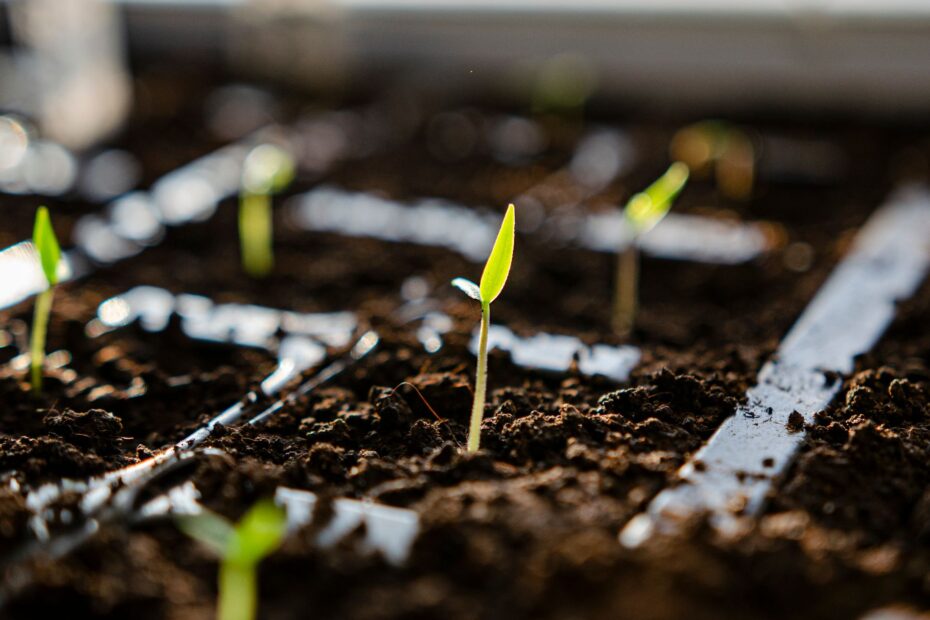
Chlorophyll, leafy tissue, amino acids, and proteins all depend on a steady nitrogen supply. Your plants need this macronutrient for green leaves and active growth, yet an excess can produce soft foliage while reducing flowers, fruit, and root balance.
Here, you’ll see how roots take up nitrogen, how leaf symptoms differ from root stress, and how your lawn, vegetables, containers, and ornamentals respond to careful feeding.
Nitrogen Drives Green Leaf and Stem Growth
The three numbers on an NPK fertilizer label identify nitrogen, phosphorus, and potassium. Nitrogen is the N, phosphorus is the P, and potassium is the K. Your plant needs each nutrient, but nitrogen has the clearest effect on leaf color, stem growth, and canopy size.
Enough Nitrogen (N) gives leaves more area for light capture, deepens green color, and speeds shoot growth. Lettuce directs that growth into harvestable leaves, while young corn forms broad blades that catch more sunlight. Your results still depend on water, light, root health, soil texture, and the full nutrient supply.
| Nutrient | Main work inside your plant | Visible clue of shortage |
|---|---|---|
| Nitrogen | Leaf and stem growth, chlorophyll, proteins | Older leaves fade toward pale green or yellow |
| Phosphorus | Roots, energy transfer, flowering, seed formation | Slow growth, weak roots, sometimes purple foliage |
| Potassium | Water control, cell strength, stress response | Leaf-edge scorch and weaker drought tolerance |
Fast green growth is only the visible result. Chlorophyll captures light, yet plant cells also need nitrogen-containing compounds to turn that energy into new leaves, roots, stems, flowers, and fruit. Your fertilizer rate matters because leaf growth can outrun reproductive growth in a rich bed.
Chlorophyll and Proteins Turn Nitrogen Into Plant Tissue
Chlorophyll captures light for sugar production
Green leaves work as living light collectors. Chlorophyll contains nitrogen and captures energy for Photosynthesis, the process that turns carbon dioxide and water into sugars. Your plant gains more sugar-making capacity as healthy leaves expand and stay green.
Low nitrogen limits chlorophyll production, so lower leaves lose color before younger leaves do. The plant moves mobile nitrogen from aging leaves toward fresh growth, leaving the lower canopy pale. That pattern separates a nutrient shortage from damage limited to a single branch or leaf.
Proteins and DNA power cell division
Amino acids contain nitrogen, and Amino acids join into Proteins. Proteins form plant tissue and enzymes that speed reactions tied to root activity, respiration, and nutrient movement. DNA and RNA also contain nitrogen, so a short supply slows cell division.
Growing shoots react quickly because they contain dense clusters of dividing cells. Fruit, flowers, and seeds need sugars and minerals as well, so excess nitrogen can pull resources toward foliage rather than reproduction. Your pepper plant can look lush and dark green while carrying very few blossoms.
| Nitrogen-containing part | What it does | What you see outdoors |
|---|---|---|
| Chlorophyll | Captures light energy | Green leaves and active photosynthesis |
| Amino acids and proteins | Form tissue and enzymes | New leaves, stems, and steady growth |
| DNA and RNA | Direct cell division and protein synthesis | Fresh root tips and expanding shoots |
The role of nitrogen in plants reaches beyond green color because every expanding shoot needs proteins and genetic material. Those compounds cannot form from nitrogen gas floating above a garden bed. Your roots need dissolved mineral nitrogen before the plant can put it to work.
Roots Absorb Nitrate and Ammonium From Soil Water
In moist soil, nitrate (NO3-) and ammonium (NH4+) dissolve into water for root uptake. Nitrogen gas fills much of the atmosphere, yet plant roots cannot draw that gas straight from soil air spaces. Your watering pattern affects uptake because dry soil slows nutrient movement toward roots.
How plants absorb nitrogen depends on root contact with moist soil and on microbial activity around the roots. Cold, saturated ground slows soil biology and can injure roots, so pale leaves in April do not automatically call for fertilizer. Check moisture at root depth before adding nutrients.
- Residue breaks down. Soil microbes release ammonium as compost, manure, plant residues, and other organic matter decompose.
- Microbes change forms. Other soil microbes turn ammonium into nitrate in warm, moist, oxygen-rich ground.
- Roots take nutrients. Roots move nitrate or ammonium into tissue for chlorophyll and protein formation.
- Rain moves nitrate. Heavy rain can carry nitrate below shallow roots, especially in sandy soil.
- Surface loss occurs. Exposed ammonium sources can release ammonia gas before roots reach the nutrient.
These steps form part of the Nitrogen cycle. Soil temperature, drainage, pH, moisture, and microbial activity shape how much nitrogen remains near your roots. A compacted bed with standing water can show yellow leaves even after a heavy feeding.
Legumes create a useful exception. Beans, peas, clover, and vetch form root nodules with bacteria that carry out Nitrogen fixation. Your bean crop still needs healthy soil, but heavy nitrogen feeding can reduce the plant’s need to form nodules.
That biological shortcut changes how much supplemental nitrogen different crops need at different points in their growth.
Plant Type and Growth Stage Set Nitrogen Demand
A lawn producing spring blades has a different need from a tomato setting fruit. Leafy greens, corn, cabbage, spinach, and actively growing turf draw heavily on nitrogen during rapid leaf and stem growth. Your feeding pattern should follow that active growth period rather than a fixed calendar date.
Fruiting crops need a broader nutrient balance as buds, blossoms, and young fruit appear. Continuous high-nitrogen feeding can keep tomatoes, peppers, cucumbers, and squash in a leafy state. Your goal shifts from maximum foliage to enough leaf area for photosynthesis plus steady flower and fruit growth.
| Plant group | Need for nitrogen | Practical direction for your garden |
|---|---|---|
| Lettuce, kale, lawn grass | Higher during active leaf growth | Feed modestly during active growth and watch leaf color |
| Corn | High during rapid stalk and leaf growth | Use soil results and split doses rather than one heavy dose |
| Tomatoes, peppers, squash | Moderate after flowering starts | Avoid pushing dark foliage at the expense of blossoms |
| Native perennials, succulents | Low in fertile ground | Leave them unfed unless a clear shortage appears |
- Leafy crops. Feed for steady green leaf production during a short harvest window.
- Young transplants. Wait for fresh root growth before feeding a plant stressed by transplanting.
- Flowering beds. Keep nitrogen restrained so blooms do not give way to leafy stems.
- Established natives. Leave fertile soil alone because extra nitrogen can cause floppy, short-lived growth.
- Drought-adapted plants. Avoid rich feeding that produces tissue too soft for dry conditions.
Plants with low nitrogen needs include established native perennials, succulents, and drought-adapted species in fertile ground. Your plants do not need the same nutrient rate simply because they share a bed. Leaf color and growth pattern reveal whether the current plan fits the crop.
Leaf Color and Growth Pattern Show Nitrogen Imbalance
Older yellow leaves suggest a shortage
Nitrogen deficiency symptoms in plants start on older leaves because nitrogen can move toward younger tissue. Lower leaves turn pale green, then yellow, while growth slows and leaf size shrinks. Your lettuce can remain small despite regular watering.
Not every yellow leaf points to low nitrogen. Poor drainage, compacted soil, root injury, cold ground, sap-feeding insects, and iron deficiency can also remove green color. Check moisture near the roots and inspect damaged roots before feeding.
A shortage that begins low on the plant has a distinct pattern. New growth stays greener because the plant shifts available nitrogen upward. Your garden bed needs a closer look before fertilizer enters the picture, especially after heavy rain or a cold spell.
Dark, soft growth suggests excess
Leaves that turn dark green while shoots grow fast and soft often signal an oversupply. Nitrogen toxicity in plants can delay flowering and fruit set while pushing tender stems and large leaves. Your tomato may reach chest height while forming far fewer fruit clusters than expected.
| Clue | Nitrogen shortage | Nitrogen excess |
|---|---|---|
| Leaf color | Pale or yellow, starting low on the plant | Unusually dark green foliage |
| Growth rate | Slow, small, and sparse | Fast, soft, and overly leafy |
| Flowers and fruit | Reduced by weak growth | Delayed or sparse despite large foliage |
| Next move | Check soil conditions or use a soil test | Stop feeding and allow soil reserves to decline |
Do not fertilize a yellow plant sitting in wet soil. Extra nitrogen cannot repair roots that lack oxygen, and unused nutrients can wash away from your planting area.
Diagnosis stops a common gardening mistake: feeding every weak-looking plant. Excess nitrogen creates its own setbacks, even though the leaves can appear strikingly green. Your next step is to separate a true shortage from water stress, root damage, or an overfed crop.
Once other causes are ruled out, unusually lush growth can signal the opposite problem: nitrogen beyond the crop’s needs.
Excess Nitrogen Favors Foliage Over Flowers and Fruit
Dense, dark leaves can hide a stalled harvest. How nitrogen affects plant growth becomes clear in fruiting crops because surplus nitrogen pushes vegetative growth ahead of flowers, fruit set, and crop maturity. Your tomato plant can grow tall while producing fewer clusters.
Soft tissue has thin cell walls and high water content. Aphids and some leaf diseases gain an easier foothold, while wheat can lodge, or bend over, after rain and wind. High rates also raise salt levels near roots, which can scorch leaf margins and slow water uptake.
Nitrogen, phosphorus, and potassium have separate jobs
Nitrogen versus phosphorus for plants is not a contest. Nitrogen favors leaves and stems, phosphorus aids roots and reproductive development, and potassium governs water movement and stress response. Your fertilizer choice should fit the growth stage rather than chase the darkest possible foliage.
| Plant need | Nutrient with the strongest role | Result in your planting |
|---|---|---|
| Leafy canopy | Nitrogen | More leaf and stem growth |
| Roots and flowers | Phosphorus | Stronger root development and reproductive activity |
| Water control | Potassium | Greater drought and stress response |
That tradeoff leads directly to feeding practice. A measured amount during the right growth phase works better than a rich routine repeated from habit. Your plants need enough nitrogen to stay productive, not so much that flowers and fruit fall behind.
Measured Fertilizer Applications Limit Waste
A soil test gives your fertilizer decision a factual starting point. County Cooperative Extension offices offer soil testing that reports pH, phosphorus, potassium, and other values. Nitrogen shifts quickly in soil, so your plant’s condition and recent feeding history still matter.
Your fertilizer label lists NPK as three numbers, such as 10-10-10. Compost and aged manure release nitrogen gradually as soil microbes break down organic material. Manufactured fertilizers deliver a labeled nutrient analysis quickly, which calls for careful rate control.
- Check the root zone. Look at soil moisture and root health before adding a nitrogen source.
- Read the label. Match the stated rate to your crop, bed size, and growth stage.
- Feed active growth. Place nutrients during leaf expansion, not dormancy or drought stress.
- Split the amount. Divide a seasonal amount into smaller portions for heavy-feeding corn.
- Water with care. Water granular material into soil where label directions call for it, without flooding the bed.
Keep fertilizer off sidewalks, driveways, and bare pavement. Rain can carry loose granules into a storm drain before roots ever reach them.
Skip fertilizer on waterlogged soil, severely wilted plants, or roots disturbed by transplanting. A stressed plant cannot use nutrients well, and your added nitrogen has a greater chance of leaving the root zone. Careful timing keeps nutrients where your plants can reach them.
Balanced Nitrogen Practices Keep Nutrients Near Roots
Nitrate moves freely with water, so excess nitrogen can travel below the root zone after heavy rain or heavy irrigation. Surface runoff carries fertilizer into ditches and streams, while ammonia volatilization sends nitrogen from exposed material into the air. Your rate and timing shape all three loss routes.
Split applications place smaller amounts near active roots instead of putting a season’s supply in the soil at once. Mulch slows water movement and steadies soil moisture, while cover crops capture leftover nitrate between vegetable seasons. Your irrigation should moisten the root zone without pushing nutrients beyond it.
A five-step field check limits guesswork
- Name the crop. Match nitrogen demand to plant type, age, and current growth stage.
- Inspect the pattern. Check leaf age, leaf color, roots, soil moisture, and recent weather before feeding.
- Gather soil data. Send a soil sample where practical, especially after repeated fertilizer use.
- Add a modest rate. Follow the label rate for your area and avoid heavy-rain forecasts.
- Watch new growth. Give roots time to react before adding another dose or changing fertilizer sources.
That sequence turns how nitrogen affects plant growth into a controlled garden decision. Your plants receive nutrients during active demand, while soil and nearby water avoid the cost of an excess application. A measured approach also gives you clearer evidence from the next flush of growth.
What to Remember
Nitrogen feeds the green engine of your plants, but more is not better. Use leaf color, growth stage, soil moisture, root condition, and soil data together before feeding. Your tomatoes, flowers, lawn, and native plants perform better with enough nitrogen for growth without soft tissue or wasted nutrients.
A pale lower leaf deserves a diagnosis, not an automatic fertilizer dose. Dark foliage and delayed flowers deserve the same caution from the opposite direction. Your observations around the root zone give the clearest path toward a balanced nutrient plan.
FAQ
How does nitrogen influence plant growth?
Chlorophyll, amino acids, proteins, enzymes, and DNA all require nitrogen for formation. Those compounds let your plant capture light, make sugars, divide cells, and form leaves and stems. Adequate nitrogen produces greener foliage and faster vegetative growth, while too much shifts growth away from flowers and fruit.
How do you know if your plants need nitrogen?
Your plants may need nitrogen when older leaves turn pale green or yellow, new growth stays small, and the whole plant grows slowly. Check soil moisture and root health before feeding because cold soil, poor drainage, pests, and damaged roots can produce similar yellowing without a nitrogen shortage.
Can you put too much nitrogen on plants?
An overloaded fertilizer application can produce dark green, soft, overly leafy growth and delay flowers or fruit. Excess fertilizer can raise root-zone salts, increase susceptibility to some pests and diseases, and send nitrate into groundwater or runoff after rain.
Which plants do not like nitrogen?
Plants with low nitrogen needs include established native perennials, succulents, drought-adapted species, and plants growing in fertile soil. Your feeding plan should stay restrained for these plants because rich nitrogen can cause floppy stems, weak growth, and fewer flowers.
How do plants obtain nitrogen?
Dissolved nitrate and ammonium in soil water provide the forms roots take up. Soil microbes release and convert nitrogen from organic matter and fertilizer, while legumes such as peas and beans receive part of their supply from bacteria living in root nodules.