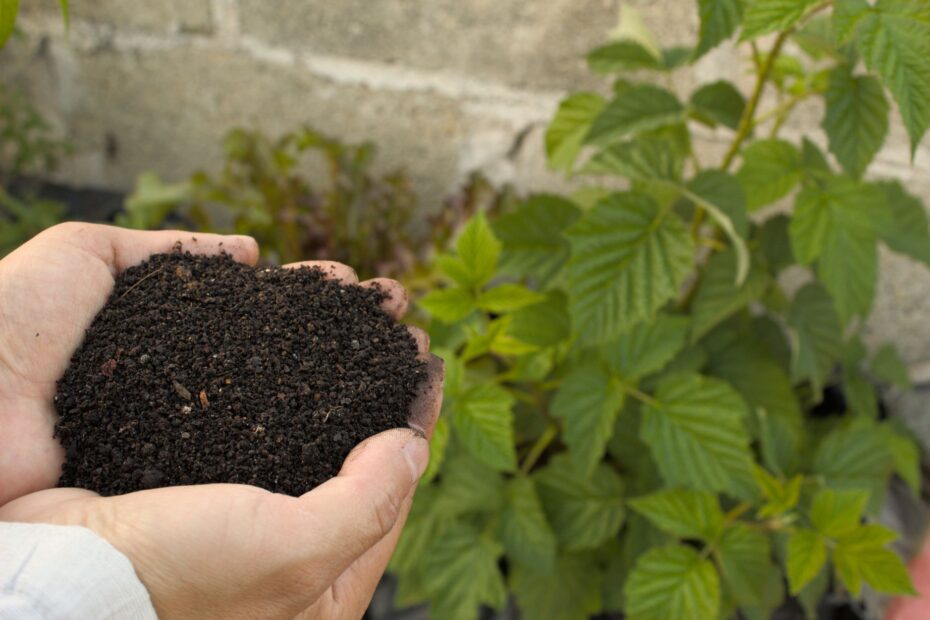
Within the root zone, nutrient chemistry, root health, and microbial activity determine how plants respond to acidity shifts. Your plants can sit in fertile, well-watered soil yet remain pale or stunted because roots cannot take up nutrients already present. A pH reading helps explain that gap.
For your garden, lawn, or food bed, the sections below cover nutrient lockout, crop targets, soil sampling, amendments, and retesting after correction.
Soil pH Controls Root-Zone Conditions
A reading of 5.5 indicates acidic soil, 7.0 indicates neutral soil, and readings above 7.0 indicate alkaline soil. The soil pH scale runs from 0 to 14 and is logarithmic. Each whole-number change represents a tenfold shift in acidity, so pH 5 is ten times more acidic than pH 6.
Your roots do not absorb pH as food. Instead, pH changes the thin film of water around soil particles, where dissolved minerals, air, roots, fungi, and bacteria meet. That zone is the rhizosphere, and its chemistry affects which nutrients remain dissolved long enough for root uptake.
Root-Zone Chemistry Changes Nutrient Access
Calcium, phosphorus, iron, zinc, and magnesium behave differently across the pH scale. Some form compounds that roots cannot absorb in acidic or alkaline soil. Others become too soluble and can damage fine root tissue.
Soil pH and nutrient availability are linked through those chemical reactions. Think of pH as a pantry door latch: fertilizer can fill the shelves, yet your plants still struggle when the root zone keeps nutrients out of reach. Yellow leaves after fertilizing can point to locked-up nutrients rather than a lack of fertilizer.
Physical Soil Health Still Matters
Texture, drainage, compaction, organic matter, and fertility shape plant performance alongside pH. A loamy bed at pH 6.5 can still grow poorly after water stands around roots for two days. Sandy ground can drain quickly yet lose nutrients through leaching.
Your soil needs workable structure as well as suitable chemistry. Organic matter improves moisture storage, aggregation, and habitat for soil organisms, but it does not correct a major pH imbalance. That distinction becomes clear through nutrient behavior.
Nutrient Availability Shifts in Acidic and Alkaline Soil
Minerals can be present in soil yet unavailable to your plants. Acidic conditions alter phosphorus compounds and raise the solubility of aluminum and manganese. Alkaline conditions can tie up several micronutrients, leaving foliage pale despite a nutrient-rich soil report.
Low pH Restricts Nutrients and Can Injure Roots
Below about pH 5.5, phosphorus, calcium, magnesium, and molybdenum become less available for numerous crops. Aluminum toxicity becomes a greater concern in strongly acidic soil because dissolved aluminum damages root tips. Stubby, shallow roots then take up less water and fewer nutrients.
Manganese also becomes more soluble in low-pH ground. Small amounts serve plant functions, but excess manganese can leave brown flecks on leaves and slow growth. Your fertilizer plan cannot fully overcome roots already damaged by acidity.
High pH Causes Nutrient Lockout
Above about pH 7.5, iron, manganese, zinc, copper, and phosphorus can become poorly available. Iron chlorosis is a familiar result: young leaves turn yellow while veins remain greener. New foliage shows the problem before older leaves because iron moves poorly within numerous plants.
High-pH soil does not always lack iron. Iron can remain present in insoluble mineral forms that roots cannot absorb. Adding iron repeatedly can leave you with the same yellowing pattern while alkaline conditions remain unchanged.
| pH condition | Nutrients affected | Root-zone effect | What you may see |
|---|---|---|---|
| Below 5.5 | Less phosphorus, calcium, magnesium, molybdenum | Aluminum and manganese become more soluble | Slow growth, weak roots, purple leaf tones |
| 6.0 to 7.0 | Broad access to major and trace nutrients | Active nutrient cycling for numerous garden plants | Steadier color and stronger growth |
| Above 7.5 | Less iron, manganese, zinc, copper, phosphorus | Micronutrients form unavailable compounds | Yellow young leaves and poor vigor |
Roots are only part of the process. Bacteria and fungi break down plant residues, release nutrients, and take part in nitrogen cycling. Soil acidity can slow several biological processes, while a balanced root zone gives rhizosphere microbes steadier conditions.
Do not assume a fertilizer shortage from leaf color alone. A nutrient can be present in your soil and still remain unavailable because the pH range does not fit that nutrient.
That chemistry explains why numerous plants grow best in a middle range, although plant-specific pH requirements differ.
Most Garden Plants Grow Best Within a Middle Range
Many vegetables, turfgrasses, and landscape plants grow well between pH 6.0 and 7.0. This band keeps a broad set of macronutrients and micronutrients available without exposing roots to excess aluminum. For numerous home gardens, it is the practical ideal soil pH for plant growth.
Crop Categories Need Different pH Targets
| Plant category | Useful pH range | Why that range fits |
|---|---|---|
| Vegetable gardens | 6.0 to 7.0 | Broad nutrient access for tomatoes, beans, squash, and greens |
| Cool-season lawns | 6.0 to 7.0 | Helps turf roots take up nutrients and form dense growth |
| Common ornamentals | 6.0 to 7.0 | Fits numerous perennials, shrubs, and annual flowers |
| Blueberries | 4.5 to 5.5 | Acidic soil fits their nutrient needs and root biology |
| Azaleas, camellias, rhododendrons | 5.0 to 6.0 | These acid-loving plants struggle in lime-rich ground |
| Asparagus | 6.5 to 7.5 | Handles a slightly higher range than numerous vegetables |
Your planting plan should set the target rather than a universal number printed on a bag. Blueberries can fail at pH 6.8 even though that reading suits peppers and lawn grass. An acid-loving shrub bed deserves a separate pH plan from a raised vegetable bed.
Preference Is Different From Tolerance
A plant can survive outside its preferred range without poor production. A tomato at pH 5.8 can yield well with no correction, especially in soil rich in organic matter. Pushing that bed toward 6.5 just because a chart lists it can add too much lime.
Productive plants offer useful evidence. Check plant tags, local Cooperative Extension recommendations, and your soil report before setting a crop target. University of New Hampshire Extension guidance places soil analysis ahead of broad amendment habits because regional soils differ sharply.
- Match the crop. Set a target around the plants already growing in that bed.
- Separate beds. Keep blueberries away from lime-treated vegetable ground.
- Respect tolerance. Leave a productive planting alone near the edge of its preferred range.
- Check local data. Extension guidance reflects regional parent material, rainfall, and water quality.
- Read plant tags. A cultivar label can narrow a broad category range.
A suitable range cannot diagnose damaged leaves by itself. Soil pH symptoms in plants can point toward a root-zone issue, yet symptoms alone cannot name a cause with confidence.
Leaf Color and Root Symptoms Point to Possible pH Problems
Purple leaf undersides, short roots, and weak growth can occur in acidic soil where phosphorus access is restricted. Aluminum toxicity can leave roots thickened and sparse, reducing water uptake during hot weather. Your plants can look drought-stressed even after a thorough soak.
Acidic and Alkaline Patterns Differ
High-pH nutrient lockout commonly appears as yellowing between veins on young leaves. Leaf tissue fades while the vein network stays greener for a time. Iron shortage is a frequent cause, though compacted soil, cold spring weather, and root disease can create the same look.
Low-pH stress is less tidy. Stunting, dark green foliage with purpling, poor branching, and root injury can appear together. Your diagnosis becomes stronger where several signs match the same root-zone condition.
| Visible sign | pH-related possibility | Other cause to rule out | Useful next move |
|---|---|---|---|
| Young leaves yellow between veins | Iron lockout in alkaline soil | Cold roots, compacted soil, root disease | Check pH and drainage before adding iron |
| Purple leaves and slow growth | Low phosphorus access in acidic soil | Cold soil, low phosphorus supply | Check a soil report and soil temperature |
| Short, damaged root tips | Aluminum or manganese stress in low pH | Salt buildup, compaction, root pests | Sample the affected area separately |
| Yellow older leaves | Possible magnesium limitation | Nitrogen shortage, drought stress | Review nutrients and moisture pattern |
| Patchy lawn decline | Uneven pH across the site | Grubs, dog urine, poor drainage | Take several cores across the patch |
Water and Structure Can Mimic pH Stress
Compacted clay excludes air from the root zone. Saturated roots cannot take up nutrients well, even at pH 6.5. A pH correction will not fix a hardpan 6 inches below the surface, so inspect drainage and rooting depth alongside sample results.
Hold off on lime, elemental sulfur, or extra fertilizer until you have data. A home reading can flag a concern, but a laboratory report turns a vague leaf symptom into a practical amendment plan for your soil.
A Soil Test Turns a Suspected Problem Into an Amendment Plan
A lab report offers more than one number. It can show active pH, nutrient levels, organic matter, and, in numerous cases, buffer pH. Your amendment rate should come from that wider picture rather than a guess based on leaf color.
Home Tools and Laboratory Reports Have Different Roles
| Method | Useful role | Limits |
|---|---|---|
| Color kit | Quick rough check for a container or small bed | Lighting and sample handling can skew color matching |
| Electronic meter | Repeated spot checks in moist soil | Probe contact and calibration affect readings |
| Extension laboratory | Major lawn, food-garden, or landscape corrections | Requires careful sampling and a short wait |
| Private soil laboratory | Detailed nutrient and amendment report | Recommendation systems differ among laboratories |
Your home meter can help map a suspected patch, but it should not set a large lime or sulfur rate. Laboratories rely on controlled extraction methods and report values suited to amendment decisions. A Cooperative Extension laboratory also links recommendations to local soils and crops.
Representative Sampling Matters More Than One Scoop
Take several cores from the active root zone rather than one handful from a convenient corner. For a vegetable bed, sample to about 6 inches deep. For established turf, collect the upper 3 to 4 inches after brushing aside thatch.
- Separate distinct areas. Keep a blueberry patch, lawn, vegetable bed, and troubled corner in separate sample bags.
- Collect multiple cores. Gather 8 to 12 small cores across each uniform area.
- Mix the soil. Blend cores in a clean plastic bucket, then send the requested amount.
- Avoid fresh inputs. Skip spots with recent fertilizer, compost piles, lime, or manure.
- Label every sample. Mark crop, location, and intended planting so the report fits your purpose.
Buffer pH Shows How Strongly Soil Resists Change
Active pH describes acidity in soil water at the sampling moment. Buffer pH estimates reserve acidity held on clay and organic matter particles. A low buffer pH in acidic soil points to a larger lime requirement than the active reading alone suggests.
Two beds can both read pH 5.5 and need very different rates. Sandy soil changes faster because fewer charged particles hold acidity. Clay and high-organic-matter soil resist change, so your correction needs more material and more patience.
That resistance protects roots from sudden swings, but it also sets the pace for soil amendments.
Lime and Elemental Sulfur Change pH Gradually
Over several weeks, lime neutralizes acidity to raise pH, while elemental sulfur lowers it after microbes convert it into sulfuric acid. Neither material works like a switch. Your soil texture, moisture, temperature, and incorporation depth shape the speed and size of the response.
Lime Raises Acidic Soil Through Neutralization
Agricultural lime contains calcium carbonate, magnesium carbonate, or both. Ground limestone reacts more fully than coarse particles because greater surface area contacts soil moisture. Dolomitic lime also adds magnesium, which matters where a report shows low magnesium.
Follow the laboratory rate rather than spreading the same amount across every bed. Work lime into the top 6 inches before planting where practical. Surface applications can help established lawns, but the change moves downward slowly through the root zone.
Elemental Sulfur Lowers Alkaline Soil Through Microbial Activity
Elemental sulfur does not acidify soil until bacteria oxidize it. The process needs warmth, moisture, oxygen, and active biology. Cold, dry ground can leave sulfur sitting for months with little measurable pH movement.
Your sulfur rate deserves the same restraint as lime. Large amounts can form acidic pockets near roots, especially in sandy soil. In naturally calcareous ground containing free lime, lowering pH across an entire landscape bed can be difficult and short-lived.
| Material or influence | Direction of change | What controls the response | Realistic timing |
|---|---|---|---|
| Agricultural lime | Raises pH | Particle size, rate, mixing depth, buffer pH | Months for modest changes |
| Elemental sulfur | Lowers pH | Microbial activity, moisture, warmth, soil texture | Months to a growing season |
| Alkaline irrigation water | Raises pH over time | Bicarbonate concentration and irrigation volume | Gradual repeated effect |
| Ammonium-form fertilizer | Lowers pH over time | Rate, soil buffering, crop uptake | Gradual repeated effect |
| Acid rainfall and leaching | Lowers pH over time | Rainfall amount and base-nutrient loss | Slow seasonal change |
Correction Takes Months Rather Than Days
A modest adjustment in a loose raised bed can show a measurable response within several months. Clay soil with substantial buffer capacity can need a full growing season or longer. Your follow-up sample should wait until the amendment has reacted rather than arriving a few weeks after spreading it.
Irrigation water can quietly undo a sulfur program. Water high in bicarbonates leaves alkaline residues after evaporation, especially in containers and arid-region gardens. Repeated crop harvest also removes calcium, magnesium, and potassium, shifting soil chemistry across years.
Do not chase a rapid pH shift before planting. A temporary container mix or a crop suited to your current ground can be safer than forcing a large correction into one season.
Slow chemistry protects the root zone, provided your amendment plan stays measured and verified.
Retesting Limits Overcorrection
Vinegar, coffee grounds, and excessive sulfur can create uneven chemistry near roots without changing an entire bed predictably. A splash of kitchen acid disappears quickly in buffered soil, while a concentrated dose can burn fine roots. Your goal is an even root-zone change rather than a dramatic reading from one wet spot.
Small Follow-Up Adjustments Protect Productive Soil
Retest after lime or sulfur has had time to react. Then add a smaller follow-up rate only where the new report still calls for one. Repeating a full application before prior material responds is how a correction overshoots its target.
Fresh compost improves soil structure and feeds microbes, but it is not a precision pH tool. Its effect differs with feedstocks, maturity, and application rate. Add compost for organic matter and soil life, then rely on a laboratory recommendation for major chemical shifts.
A Practical Sequence Keeps Decisions Grounded
- Confirm the pattern. Map leaf symptoms, drainage issues, and affected zones before adding anything.
- Collect a sample. Send separate, representative soil from each bed or lawn area.
- Set the target. Choose a crop-specific range rather than forcing every planting toward 6.5.
- Follow the report. Spread only the material and rate listed for your soil type.
- Wait and retest. Check progress after months, not days, then adjust in smaller increments.
- Watch the crop. Track new leaf color, root growth, yield, and moisture response through the next cycle.
Your clearest next step is a laboratory soil test before any major pH correction, especially with persistent yellowing, poor growth, lawns, or food gardens. That report can show whether lime, sulfur, nutrients, drainage work, or no amendment belongs in your plan.
What to Remember About Soil pH
pH does not feed plants, yet it controls whether roots can reach nutrients already in the soil. Aim for the range suited to your crop, respect your soil’s buffering power, and change chemistry in measured steps. How soil pH affects plant growth becomes clear where roots, nutrients, water, and soil life work together.
FAQ
How does pH affect soil and plant growth?
Soil pH changes nutrient solubility, root health, and microbial activity. Your plants can struggle in fertile soil because phosphorus, iron, calcium, or other nutrients become unavailable, while strongly acidic conditions can release aluminum and manganese at levels that injure roots.
What is the ideal pH of soil for plant growth?
Most vegetables, lawns, and common ornamentals grow well around pH 6.0 to 7.0. Your exact target depends on the crop, since blueberries prefer about 4.5 to 5.5, while asparagus tolerates soil closer to neutral or slightly alkaline.
How long does it take to correct pH in soil?
A modest change can take several months, while clay-rich or highly buffered soil can need a growing season or longer. Your lime or elemental sulfur response also depends on moisture, temperature, particle size, mixing depth, and soil biological activity.
How do you improve pH in soil?
Raise acidic soil with laboratory-recommended agricultural lime and lower excessively alkaline soil with measured elemental sulfur. Your report should guide the material and rate, since texture, organic matter, buffer pH, irrigation water, and crop target all affect the correction.
What are the symptoms of soil that is too acidic or too alkaline?
Acidic soil can produce stunting, poor roots, phosphorus-related purpling, and damage linked to aluminum or manganese. Alkaline soil can cause interveinal yellowing on young leaves from iron lockout, though watering stress, compaction, disease, and nutrient shortages can look similar.