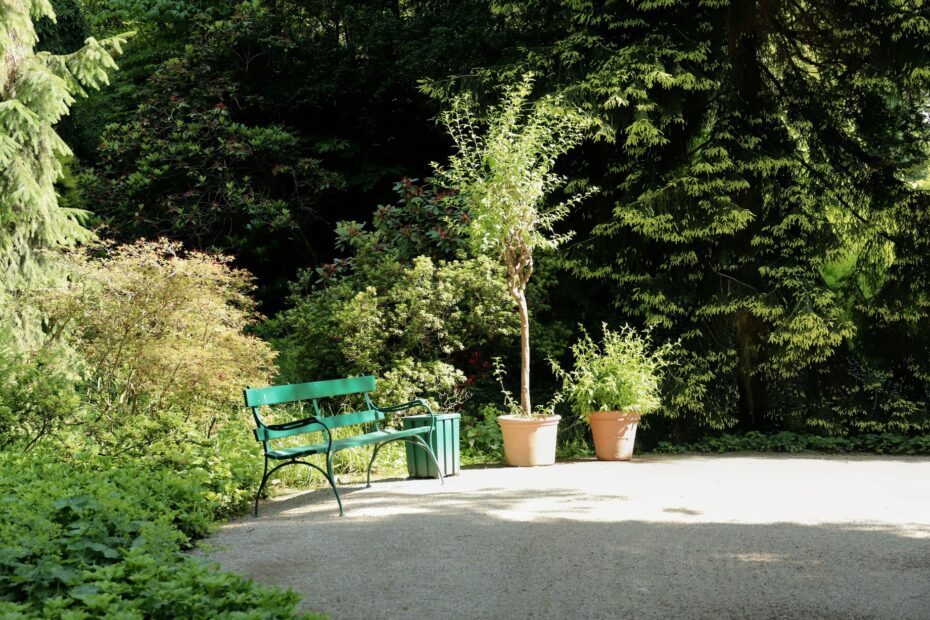
A plant’s light label indicates how much direct light and heat it can handle without stress. Full sun needs 6 or more direct hours, partial shade favors 4 to 6 gentler or broken hours, and full shade relies on bright ambient daylight.
You can use these labels to match flowers, vegetables, shrubs, and foliage to the real conditions in your yard, patio, containers, or planting beds.
Plant Light Labels Track Direct Exposure Rather Than Brightness
A bright-looking porch can still give a fern zero direct rays, while a west-facing patio can overheat a hosta in one hot afternoon. Plant tags and nursery labels describe the light that reaches leaves, not how bright the space looks from across the yard. Your placement affects bloom count, leaf color, water demand, and leaf scorch.
Direct sun reaches foliage without a roof, wall, or tree canopy blocking it. Bright indirect light fills an open but sheltered spot. Filtered light passes through spaced leaves or slats, while shade has little direct beam exposure but enough ambient daylight for growth.
| Light term | What reaches the foliage | Example in your yard |
|---|---|---|
| Direct sun | Unblocked rays strike leaves | An open vegetable bed at noon |
| Bright indirect light | Strong ambient daylight with no sunbeam | A covered east porch |
| Filtered light | Broken, moving patches of sun | Ground beneath an open honey locust |
| Shade | Low direct exposure with ambient daylight | The north side of a solid fence |
The USDA Plant Hardiness Zone addresses winter cold, not daily light. A plant suited to your hardiness zone can still struggle in the wrong exposure. Treat cold tolerance and daily sunlight as separate details on the tag.
Four Common Labels Set Useful Light Ranges
Six direct hours marks the common threshold for open, sun-loving plantings. Full sun plants need at least that amount on most days, while partial sun and partial shade sit in the middle range. Your count includes only rays that touch the leaves.
| Label | Direct-sun hours | Light quality and site |
|---|---|---|
| Full sun | 6 or more | Open sky with strong midday exposure |
| Partial sun | About 4 to 6 | Open morning light or shorter daily exposure |
| Partial shade | About 4 to 6 | Morning sun, dappled shade, or afternoon shelter |
| Full shade | Little or none | Bright ambient daylight beneath cover or beside buildings |
Full shade meaning for plants is not darkness. Few plants grow in a windowless corner because leaves still need daylight for photosynthesis. A hosta beneath a porch roof can grow well, but a hosta in a dark garage cannot.
How many hours of direct sunlight count depends on the label and the heat attached to those hours. A five-hour morning site can suit a partial-shade plant, while five hours beside pale concrete can act far more like open sun. You need both the total and the timing.
Because midday intensity can outweigh an extra hour of gentle sun, timing determines how those labels perform.
Partial Sun and Partial Shade Respond to Different Heat Levels
Four to six hours can fit either middle label, yet the character of those hours changes the result. Partial sun plants accept more direct exposure and stronger light. Partial-shade plants handle the same total better with cooler morning rays or interrupted canopy light.
| Label | Stronger fit | Stress risk |
|---|---|---|
| Partial sun | Flowering plants with several open-sky hours | Low bloom count in heavy shade |
| Partial shade | Foliage and blooms sheltered after midday | Bleached foliage in hot west sun |
The difference between full sun and partial shade comes from duration and intensity. A full-sun coneflower can stand exposed for 6 or more hours, while astilbe in the same bed can wilt, fade, and crisp despite moist soil. Your plant responds to heat load as well as light.
Four hours of direct west sun can feel harsher than six hours of calm morning sun, especially beside pale paving or brick.
Partial sun vs partial shade is not a debate over one fixed number. Both labels can cover 4 to 6 direct hours, yet partial shade calls for relief from the day’s hottest rays. Your local summer heat decides which label fits a borderline bed.
Morning Sun and Dappled Shade Change Daily Exposure
Morning sun arrives with lower air temperatures and damp soil, so shade-adapted foliage handles it more easily. Afternoon sun arrives with hotter air and faster moisture loss. You can place a partial-shade hydrangea where it receives sunrise light and shelter after noon.
Dappled shade forms a flickering pattern beneath a high, open canopy. That broken exposure can suit a partial-shade plant because bright periods reach leaves across the day. Dense shade under an evergreen or low maple canopy gives far less usable light and adds root competition.
Bright shade sits near a light-colored wall, under a high porch, or along an open tree edge. Deep shade stays dim through most daylight hours. Your full shade plants belong in bright or dappled shade, not where daylight barely reaches the soil.
Leaf temperature explains why morning and afternoon exposure differ. A broad hosta leaf can lose water quickly in hot west sun, while the same leaf stays hydrated longer in cool morning light. Your watering routine cannot fully offset repeated heat stress.
Microclimates Change the Meaning of Every Plant Tag
House orientation turns the same label into different planting choices. An east-facing bed receives gentler morning exposure. South-facing ground stays sunny for long stretches, west-facing sites hold the day’s harshest heat, and north-facing areas remain cooler with limited direct rays.
Walls, fences, paving, balconies, and nearby buildings reshape that pattern. A white stucco wall throws reflected heat onto leaves, while a fence can cast a crisp shadow by midafternoon. Your garden microclimates can run far hotter or darker than a weather report suggests.
Seasonal changes add another layer. Bare deciduous branches admit spring light, then leaf-out can turn that bed shady by June. Lower winter sun, latitude, a new shed, or a maturing oak can alter exposure, so your April observations deserve a midsummer check.
A south-facing wall can warm soil earlier in spring, yet it can also intensify summer stress for shallow-rooted containers. Your plant tag gives a range, but the wall, pavement, and canopy around it shape the real growing conditions.
Measuring those site-specific effects over a day turns a general tag into a usable planting decision.
Sun Mapping Gives Each Bed a Measured Category
A notebook and one clear day reveal more than a glance from the kitchen window. Mark each bed, border, pot, or raised planter, then record direct rays at hourly intervals from morning through late afternoon. Your notes need the time of day, not only the total.
- Mark each area. Give every planting space a clear name, such as east border, patio pot, or maple bed.
- Check each hour. Record whether sunlight lands directly on foliage from sunrise through sunset.
- Mark the timing. Write morning, midday, or afternoon beside each sun period because heat changes its effect.
- Count direct rays. Leave out bright sky, window glare, and reflected light from your hours of direct sunlight.
- Repeat by season. Map again after tree leaf-out or after a major structure changes the sun path.
Sun mapping turns plant tags into a real site decision. A bed receiving five cool hours before noon fits a wider range than a bed receiving five blistering hours beside concrete. Your written record can also explain a sudden change in bloom count or leaf color.
How to measure sunlight in a garden starts with the leaf surface, not the ground nearby. Check the foliage itself because a fence shadow can cover a plant while sun still reaches the surrounding soil. Your map becomes more useful each time you update it.
Plant Tags Describe Tolerance Ranges Rather Than Equal Results
A label stating full sun to partial shade describes tolerance, not identical growth at both ends. A black-eyed Susan can flower heavily in open light and produce fewer blooms with afternoon shelter. Your soil moisture, summer heat, and reflected heat shape its performance inside that range.
Match broad plant groups to the exposure you mapped. Sun-loving bloomers and vegetables suit open beds. Adaptable perennials such as coral bells and columbine fit transitional light, while ferns, hostas, and woodland natives suit low-direct-light spaces with steady moisture.
- Open beds. Place tomatoes, peppers, zinnias, and coneflowers where your map shows 6 or more direct hours.
- Cool morning sites. Use impatiens, astilbe, and hydrangeas where early rays fade before intense afternoon heat.
- Tree-edge spaces. Try heuchera or columbine in shifting dappled shade while watching summer dryness from tree roots.
- Shaded containers. Move pots through the season to give foliage plants brighter ambient daylight without direct afternoon exposure.
Some plants can tolerate both full sun and partial shade, including salvia, daylilies, yarrow, sedum, and many native perennials. Water needs rise at the sunny end of that range. Your flowers can shrink or fade as exposure drops, even while foliage stays healthy.
Leaf Symptoms Reveal a Light Mismatch
Bleached patches, crisp brown margins, and wilted leaves in moist soil point toward excess exposure. Rapid water stress after lunch is another strong clue. Move the plant, add afternoon cover, or shift a container before repeated heat damages new leaves.
Weak stems, sparse foliage, slow growth, and leaves leaning toward a brighter opening point toward too little light. Blooming plants also produce fewer flowers in shade because their energy supply drops. You can move a container into stronger light or choose a shade-tolerant plant for that bed.
Very few plants tolerate true full sun and full shade. Full sun, partial shade, and full shade plants each have a narrower comfort zone than broad tag language can suggest. Your clearest next step is to trust the sun map and match the plant to recorded exposure.
A plant labeled for full sun can survive in shade but may stretch, flower less, or hold weaker stems. A shade plant in hot sun can scorch even with regular watering. Your plant’s leaves show the mismatch before severe decline appears.
Final Takeaways for Reading Garden Light
Light labels describe the rays and heat reaching leaves, not how bright a corner feels. Count direct sunlight, identify its time of day, and watch how walls, trees, and seasons alter the result. Your garden becomes easier to plant after every bed has an exposure category based on observation.
Start with the site rather than the plant. A 6-hour vegetable bed, a 4-hour east border, and a bright north-side porch each call for different choices. Your records turn vague label language into a practical planting plan.
FAQ
What is the difference between full sun and partial shade for plants?
Full sun plants need at least six hours of direct sunlight and tolerate sustained exposure. Partial-shade plants can receive about four to six direct hours, but they grow better with protection from prolonged, hot afternoon sun. Your location’s heat changes how those hours feel to foliage.
How many hours a day is considered partial shade?
Four to six hours of direct sun usually defines partial shade, especially when intense afternoon rays are blocked. Morning exposure or broken light beneath an open canopy fits the label well. Your count should exclude bright indirect light that never touches the leaves.
What does full sun to partial shade mean on a plant tag?
That label signals a workable range rather than equal performance in every location. The plant can grow with six or more direct hours or with several cooler, protected hours. Your results can differ across that range, especially in flower count, leaf color, and water demand.
Are partial sun and partial shade the same thing?
Both labels can cover four to six hours of direct exposure, yet they point toward different tolerances. Partial sun plants accept more open light, while partial-shade plants need relief from intense afternoon rays. Your timing and heat level settle the choice between the two terms.
Can plants grow in full shade without direct sunlight?
Ambient daylight alone can sustain many full-shade plants, even when direct sunlight never reaches their leaves. Ferns, hostas, and some woodland groundcovers suit bright shade better than dark enclosed spaces. Your shaded site still needs reflected or open-sky light for leaves to make energy.