Shopping for the right growing medium feels easier than it actually is. Walk into the gardening aisle and you’re hit with everything from compressed coconut bricks to pre-mixed blends with earthworm castings, and the difference between a thriving patio container and a waterlogged root mass often comes down to which bag you grabbed. This roundup covers eight picks worth your attention for outdoor containers, raised beds, and in-ground plantings, with options for beginners, specialty growers, and anyone reviving tired garden soil.
The Shortlist At A Glance

MODELLOR Coco Coir Bricks 4-Pack 5 lb

FoxFarm Ocean Forest Potting Soil 1.5 cu ft

Char Bliss Organic Biochar 8 Qts

Worm Bliss Organic Worm Castings 1 Qt

GARDENWISE Organic Olive Tree Potting Mix 3 Quarts
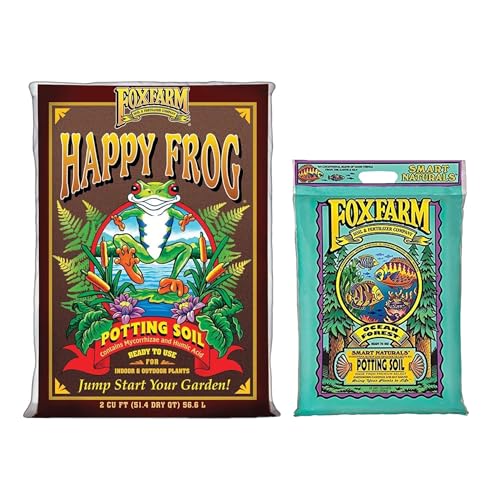
FoxFarm Happy Frog 2 cu ft + Ocean Forest 12 qt Bundle

Back to The Roots Organic Coir 51 Quart Expanding Soil

Anothera Coco Coir Brick 6-Pack
The Details Behind The Selections
Starting seeds and filling a few small pots doesn’t require a 40-pound bag of soil cluttering your garage. These compressed coco coir bricks (coconut husk fiber processed into dense blocks) ship as four compact slabs that hydrate into a fluffy medium on demand, which is why they’re a smart fit for apartment balconies and starter trays.
The pH-balanced, low-electrical-conductivity (a measure of soluble salt content; lower is gentler on young roots) blend expands to roughly nine gallons across all four bricks, enough for several seed-starting flats or a season’s worth of small container refreshes. Unlike the richer FoxFarm blend reviewed later, this one stays neutral and peat-free, making it easier to amend later as your plants grow.
A Favorable Mix
- Compact brick form saves significant shelf space compared to bagged soil
- Expands to nine gallons total, plenty for seed-starting trays
- Low salt content and balanced pH suit tender seedlings
- Pure coconut coir means no surprise additives or synthetic fertilizers
- Reusable across multiple seasons when stored dry in a sealed bin
Things To Consider
- Coir on its own carries minimal nutrients, so supplemental feeding is required after the first few weeks
- Hydration takes planning: each brick needs soaking time before use
Who It Suits Best
Beginners starting tomatoes, herbs, or flowers from seed on a windowsill or small patio.
Look Elsewhere When
You’d rather skip the soaking step and want a ready-to-use blend; FoxFarm Ocean Forest Potting Soil 1.5 cu ft is the more convenient pick.
Container plants can’t send roots searching for nutrition the way in-ground beds can, so the medium you choose has to do that work upfront. FoxFarm’s Ocean Forest blend arrives ready to use straight from the bag, with a light, airy texture that promotes drainage while still holding enough moisture for steady growth.
Where the MODELLOR bricks earlier offer a blank slate, this mix brings a richer starting profile from natural ingredients like earthworm castings, fish meal, and crab meal. For most container vegetables, annual flowers, and houseplants moved outdoors for the season, that head start saves you from feeding as aggressively in the first month.
Why It Works Well
- Pre-blended and ready to plant into without mixing or amending
- Light texture resists compaction in pots, supporting healthy root spread
- Built-in organic nutrition from earthworm castings and ocean-sourced meals
- Works across vegetables, flowers, and herbs in the same bag
Trade Offs
- One and a half cubic feet weighs roughly 40 pounds, so hauling it up stairs is a workout
- The rich blend is overkill for seed-starting, where a leaner medium like MODELLOR Coco Coir Bricks performs better
- Strong organic smell right out of the bag fades within a day but may bother sensitive neighbors on shared patios
Feature Snapshot
Made For
Container gardeners growing tomatoes, peppers, or flowering annuals on a patio or balcony.
Consider Something Else When
You’re planting an olive tree or other Mediterranean species that demands sharp drainage; GARDENWISE Organic Olive Tree Potting Mix is formulated for that need.
Biochar is essentially charcoal made for soil: a stable, porous form of carbon that sticks around in your garden for years, slowly improving structure and water retention. Char Bliss comes in an eight-quart bag of organic, OMRI-listed material (OMRI stands for the Organic Materials Review Institute, the nonprofit that verifies inputs allowed in certified organic growing), sourced from ethically harvested wood trimmings.
Unlike the coir and bagged blends earlier, this is an amendment rather than a standalone medium. You mix it into existing garden beds or containers at roughly five to ten percent by volume to boost nutrient-holding capacity. For anyone working with clay-heavy or sandy soil, that long-term payoff is hard to beat.
Notable Upsides
- Improves water retention in fast-draining sandy beds
- Adds stable carbon that resists breaking down for years
- OMRI-listed for organic gardening compliance
- Lightweight and easy to blend into existing soil
Points To Note
- Biochar on its own supplies no nutrients, so pairing with Worm Bliss Organic Worm Castings or another fertilizer is essential
- Fine dust during mixing means wearing a mask is a sensible precaution
- Effects build over seasons rather than showing overnight, so patience matters
Right Fit For
Long-term gardeners rebuilding tired raised beds or in-ground plots with depleted organic matter.
Skip It When
You need a complete planting medium for a new container; the Back to The Roots Organic Coir 51 Quart Expanding Soil fills that role.
Worm castings are the digested organic matter earthworms leave behind, and they’re one of the gentlest fertilizers available for outdoor plants. Worm Bliss arrives in a compact one-quart container, vegan and manure-free, which matters if you’re gardening close to vegetable beds where strong odors or runoff could be an issue.
Like the Char Bliss biochar earlier, this works as a supplement rather than a full medium. You mix a small amount into your existing soil or top-dress containers to release nitrogen, phosphorus, potassium, and trace minerals slowly over weeks. For organic-focused growers, the OMRI listing confirms the product meets strict organic-input standards.
What Works In Its Favor
- Slow-release nutrients reduce the risk of burning tender roots
- Small container fits easily on a potting bench or shelf
- OMRI-listed for certified organic use
- Vegan formulation appeals to gardeners avoiding animal-derived inputs
Worth Noting
- One quart won’t cover a large raised bed, so expect to repurchase for bigger projects
- Castings alone can’t replace a full growing medium in containers
Best Suited To
Vegetable gardeners enriching beds with steady, organic nutrition without synthetic fertilizers.
A Better Fit Elsewhere
You want a single bag that handles planting from start to finish; FoxFarm Ocean Forest Potting Soil 1.5 cu ft is a complete medium on its own.
Olive trees punish soil that holds onto moisture, so a generic blend like FoxFarm Ocean Forest can leave their roots sitting in something too dense. GARDENWISE tailors the texture for Mediterranean species, balancing drainage with enough organic content to keep the tree fed through a long growing season.
The three-quart bag is sized for one small to medium tree in a container, with worm castings, compost, and limestone built in to manage pH. The fast-draining formula suits both indoor olive specimens near a sunny window and patio trees that move outdoors in summer.
Points In Its Favor
- Formulated specifically for the dry-soil preferences of olive trees
- Limestone helps buffer pH in regions with acidic tap water
- Organic ingredients support steady, low-burn feeding
- Works for indoor and outdoor containers without modification
Honest Caveats
- Three quarts is enough for one tree, so planting several means multiple bags
- Specialty blend priced higher per quart than general-purpose mixes
- Not interchangeable with general vegetable or flower potting soil
Quick Facts
Who Should Grab It
Anyone growing an olive tree in a container, whether indoors as a houseplant or outdoors on a sunny patio.
Another Choice May Suit
Your collection is broader than just olives; FoxFarm Ocean Forest Potting Soil 1.5 cu ft handles a wider mix of species in one bag.
Managing a mixed collection of containers often means juggling two different soil needs: a richer, ready-to-use blend for hungry vegetables and a microbial-inoculated mix for more delicate ornamentals. This bundle pairs two cubic feet of Happy Frog with a 12-quart bag of Ocean Forest, covering both ends of that spectrum in a single order.
Happy Frog brings soil microbes and mycorrhizal-friendly amendments (beneficial fungi that form symbiotic relationships with plant roots, helping them absorb water and nutrients more efficiently) along with earthworm castings, while the smaller Ocean Forest bag handles quick top-offs. Compared to the standalone FoxFarm Ocean Forest reviewed earlier, this combo offers more versatility if your patio holds both edible and ornamental plantings.
Standout Benefits
- Two complementary blends cover vegetables and ornamentals at once
- Happy Frog includes microbial amendments that support root efficiency
- Ships from a garden center supplier rather than a generic warehouse
- Useful when repotting several large containers in the same season
Small Caveats
- Combined weight approaches 50 pounds, so plan transportation
- Sold through a third-party garden center rather than directly, which may affect return options
- Overlap with the standalone Ocean Forest bag means some duplication if you already own one
Whose Shelf It Belongs On
Multi-container gardeners maintaining both a vegetable garden and flower pots at the same time.
Reach For A Different Pick When
You only need a single, all-purpose blend; FoxFarm Ocean Forest Potting Soil 1.5 cu ft handles most situations without the second bag.
Apartment dwellers and weekend gardeners don’t always have room for stacked bags of potting mix. Back to The Roots solves that storage problem by compressing 51 quarts of coconut coir into a single block that you hydrate as needed, similar in concept to the MODELLOR bricks covered earlier but with a higher total yield.
The organic, peat-free composition suits both seed-starting trays and established container plants, with good water retention and aeration once expanded. For indoor-outdoor gardeners who want one product that bridges both worlds without taking over a closet, this block delivers serious convenience.
A Few Highlights
- Single-block format fits on a shelf until you need it
- Expands to 51 quarts, enough for several medium containers
- Organic, peat-free blend suits eco-minded shoppers
- Versatile across seed-starting and mature container use
Where It May Fall Short
- Requires soaking and breaking apart before use, so plan time
- No built-in nutrients, similar to other coir-only products
At A Glance
The Right Fit
Small-space gardeners who want one versatile, organic medium for both seedlings and established pots.
Swap It Out When
You want richer nutrition built in from the start; FoxFarm Ocean Forest Potting Soil 1.5 cu ft arrives pre-amended.
For gardeners planning a full season across multiple containers, the Anothera six-pack delivers the most raw medium per dollar in this roundup. Each 1.4-pound brick expands to roughly two gallons, totaling around 12.6 gallons across the set once hydrated, comparable in total volume to the MODELLOR four-pack reviewed earlier but spread across more individual units.
The bricks are sized for staged use: hydrate one at a time as you refill containers or start new trays, rather than committing to a giant brick all at once. Urban and family gardeners juggling several small projects throughout the year tend to appreciate that flexibility.
Well-Handled Touches
- Six-brick format spreads hydration work across multiple sessions
- 12.6-gallon total yield covers a season of small to medium containers
- Compressed shape stores in a tight space between uses
- Organic coconut fiber suits vegetable, herb, and flower applications
Practical Considerations
- Six bricks means six separate soaking sessions, which can feel tedious for one-time large projects
- Like other pure coir products, no built-in fertilizer means supplemental feeding is required
- Looser compression than some competitors, so expect slightly less volume per brick than advertised
Feature Rundown
Perfect Match For
Family or urban gardeners managing multiple container projects throughout the growing year.
Where A Sibling Pick Shines
You want a richer, pre-amended blend instead of plain coir; FoxFarm Ocean Forest Potting Soil 1.5 cu ft is ready to plant into without added fertilizer.
What Matters Most Before Choosing Potting Soil
Matching the medium to your specific setup matters more than brand loyalty. Container plants have limited root space, so drainage and aeration take priority over anything that compacts easily. A blend that holds structure while letting excess water escape protects roots during heavy summer storms.
In-ground beds and large planters benefit more from organic content that supports microbial life over time. Amendments like biochar and worm castings build long-term fertility rather than feeding plants for a single season. For raised beds with depleted native soil, mixing these into the top six inches pays off across multiple growing years.
Plant type also guides the choice. Mediterranean species such as olives and lavender demand fast-draining mixes that mimic their native rocky soils. Tropical foliage and heavy-feeding annuals prefer richer blends with steady nutrient release. Matching drainage and nutrition to the species avoids the most common cause of container failure.
Finally, weigh storage and handling. Compressed coir bricks save garage space but require advance soaking. Pre-mixed bags save time but weigh significantly more per cubic foot. Picking the format that fits your physical space and planting schedule removes a real friction point.
Picking The Right Growing Medium
Where Shoppers Go Wrong
Grabbing the cheapest bag on the shelf often backfires because generic topsoil or low-grade mixes compact quickly in containers, choking roots. Always check the texture: a quality potting medium should feel loose and crumbly, not dense or sticky.
Another common slip is using garden soil in pots. Outdoor ground soil lacks the structure needed for container drainage and frequently introduces weed seeds and pathogens. Bagged mixes are specifically formulated for confined root zones.
Where The Extra Money Goes
Higher-tier blends include organic amendments like earthworm castings, compost, and bat guano that feed plants gradually rather than forcing a flush of growth followed by deficiency. Mycorrhizal inoculants and biological additives also appear in premium mixes, supporting root development over time.
For a small herb collection on a windowsill, a budget blend is perfectly adequate. For long-lived container trees or a serious vegetable garden, the upgrade to a richer or specialty mix tends to pay back through stronger, more resilient plants across seasons.
Frequently Asked Questions
Can I use potting soil directly in outdoor garden beds? Yes, though mixing it with native soil rather than using it straight tends to work better. Pure potting mix drains too quickly in-ground and breaks down faster than your plants can use the nutrients.
How often should I replace potting soil in containers? Refresh the top few inches each season and do a full replace every one to two years for heavy feeders like tomatoes. Perennials and trees can stay in the same medium longer if you top-dress annually with compost or worm castings.
Is coco coir a good substitute for peat moss? Coir holds water similarly to peat but rewets more easily once dry, making it more forgiving during hot stretches. It’s also a renewable byproduct of the coconut industry, which appeals to eco-minded shoppers.
Do I need to add fertilizer if my potting soil already includes castings? Built-in amendments feed plants for the first several weeks, but you’ll still need supplemental feeding during peak growth for vegetables and heavy bloomers. Watch for pale leaves or slowed growth as the signal to begin fertilizing.
What’s the difference between potting soil and potting mix? The terms get used interchangeably in commerce, but mixes are typically soilless blends of peat, coir, perlite, and vermiculite, while soils contain actual mineral soil plus organic matter. Both work in containers; mixes usually drain more aggressively.
The Takeaway
Your growing setup, plant selection, and storage constraints all shape which option fits best. Coir bricks shine for seed starters and small-space gardeners, rich pre-mixed blends handle most containers without extra work, and specialty mixes like the olive tree formula solve specific plant needs. Pick the one that matches what you’re actually planting this season rather than chasing the most feature-rich bag on the shelf.