Setting up a thriving indoor jungle or outdoor container garden usually comes down to one quiet decision: what actually goes in the pot. Soil amendments and organic mixes vary wildly, and the wrong choice shows up weeks later as soggy roots, yellow leaves, or stunted herbs.
You don’t need a horticulture degree to fix that. You just need to match the medium to your plants and your routine. The ten picks below cover succulents, houseplants, vegetables, and propagation setups, so you can stop guessing and start growing.
The Choices Worth Comparing

Miracle-Gro Perlite 8 qt. (3-Pack)

Miracle-Gro Water Soluble All Purpose Plant Food 5.5 lb
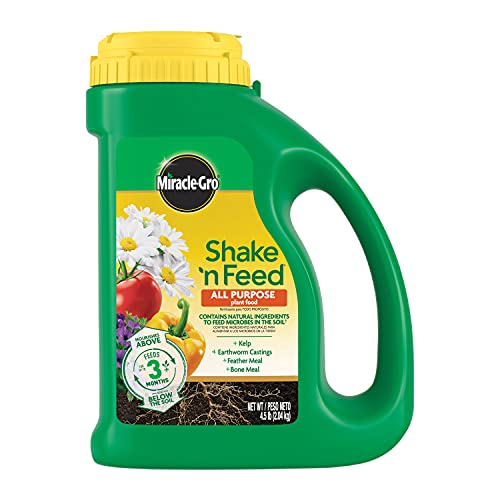
Miracle-Gro Shake ‘N Feed All Purpose Plant Food 4.5 lb

Miracle-Gro Potting Mix 16 qt. (2-Pack)

Miracle-Gro Succulent Potting Mix 4 qt. (2-Pack)

Organic Plant Magic Compressed Organic Potting Soil

Miracle-Gro Potting Mix 16 qt.
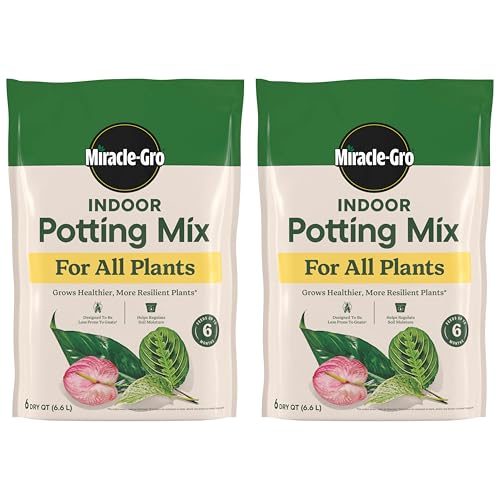
Miracle-Gro Indoor Potting Mix 6 qt. (2-Pack)

Miracle-Gro Indoor Potting Mix 6 qt. Houseplants
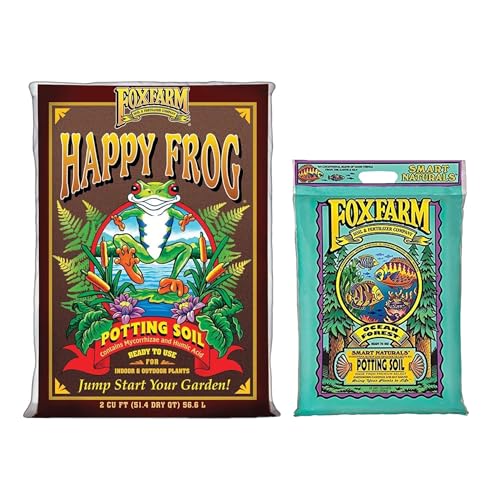
FoxFarm Happy Frog 2 cu.ft + Ocean Forest 12 qt. Bundle
More Details On Our Top Picks
Perlite is one of those quiet helpers that fixes problems you can usually see forming in a pot: water sitting on top, soil turning concrete-hard after a few weeks, or roots that refuse to push through. This three-pack from Miracle-Gro ships as a lightweight, volcanic-glass-based additive you mix directly into your existing potting soil rather than use alone.
If you’re blending your own mix for houseplants or starting cuttings, this gives you a generous supply without taking up much shelf space. It’s also enriched with plant food, so it contributes a small nutritional bump along with the structural fix. For gardeners who like to tweak ratios by plant type, perlite is a foundational ingredient worth keeping around.
What Works In Its Favor
- Three-bag total keeps a steady supply on hand for multiple repotting sessions
- Lightweight texture lightens dense bagged soils that compact quickly in containers
- Pre-charged with plant food, so newly mixed blends start feeding right away
- Versatile use as a propagation medium for cuttings or as a storage medium for dormant bulbs
Practical Considerations
- It’s an amendment, not a standalone growing medium; you’ll still need potting soil to fill containers
- Dust can rise when pouring, so doing it outdoors or wearing a mask makes cleanup easier
Feature Snapshot
Right Fit For
DIY gardeners who mix their own blends and want to stretch drainage across many pots without buying a new bag every month.
Reach For A Different Pick When
Vegetable gardeners looking for a ready-to-use organic medium will get more from Organic Plant Magic Compressed Organic Potting Soil, which arrives ready to expand into finished soil.
Liquid feeding has a particular rhythm: dissolve, water, repeat. This water-soluble powder from Miracle-Gro dissolves quickly in a watering can and feeds everything from tomatoes on the patio to philodendrons on the windowsill. The 5.5-pound tub runs through a long stretch of regular use, which matters for anyone with more than a few pots to feed.
The NPK ratio (nitrogen, phosphorus, potassium, the three numbers on every fertilizer label that signal its nutrient balance) sits at 24-8-16, leaning nitrogen-heavy for leafy growth. Container gardeners growing flowering annuals or fruiting vegetables usually appreciate that profile during the active growing season. Unlike the perlite above, this is the consumable you’ll reorder, not the foundational material you build around.
The Good Stuff
- Universal formula works for indoor houseplants, outdoor beds, and container vegetables alike
- Large tub size suits gardeners with multiple feeding zones to maintain
- Fast-acting blend delivers nutrients during the same watering session
Where It May Fall Short
- Powder requires measuring and mixing; pre-mixed liquid feeds are more convenient for one-off use
- Regular reapplication every 1-2 weeks adds routine compared to slow-release options
Who It Suits Best
Active gardeners with a mixed collection of indoor and outdoor plants who don’t mind a weekly feeding ritual and want one product across the board.
Swap It Out When
Gardeners who’d rather skip the mixing step should consider Miracle-Gro Shake ‘N Feed All Purpose Plant Food, which releases nutrients over a longer stretch with no measuring required.
The “shake and forget” approach suits gardeners who don’t want another recurring chore on their calendar. This granular plant food from Miracle-Gro scatters over the soil surface and slowly releases nutrients over an extended window, breaking down with regular watering rather than demanding a strict schedule.
The natural-ingredient formulation feeds soil microbes alongside plant roots, which matters for long-term soil health in containers. Unlike the water-soluble option above, you won’t measure or mix anything. You just sprinkle, water in, and let time handle the rest. For outdoor containers that get watered on a hose schedule, this delivery method fits the rhythm.
Where It Helps
- Granular format removes the measuring and mixing step entirely
- Extended-release design feeds consistently through the growing season
- Microbe-friendly formula supports healthier container soil over time
Some Limits To Know
- Slower to show visible results than liquid feeds during a nutrient emergency
- Granules can scatter during heavy rain or aggressive watering if not worked into the topsoil
Built With In Mind
Busy gardeners who want steady feeding without tracking a calendar, especially those managing multiple outdoor containers through summer.
Where Another Pick Suits Better
Houseplant growers working with a few pots on a shelf may prefer the water-soluble formula, since smaller volumes make measuring less of a hassle.
Most outdoor container failures trace back to using ground garden soil in a pot, which compacts fast and drains poorly. This Miracle-Gro potting mix sidesteps that entirely with a blended medium designed for containers, delivered as a two-pack of 16-quart bags totaling a generous working supply.
The built-in feeding lasts up to six months, which lines up with one full outdoor growing season for most annuals and vegetables. Unlike the perlite in pick 1, this is a finished medium you pour straight into pots without any mixing required. For new gardeners setting up a patio arrangement or veterans refreshing tired containers, that’s a real convenience.
Reasons It Performs
- Two-bag format covers several large containers or many smaller ones in one go
- Six-month feeding window removes early-season fertilizing from your to-do list
- Container-specific blend avoids the compaction issues that plague garden soil in pots
Trade-Offs To Consider
- Two-bag format takes up storage space and can be awkward to haul in one trip
- Not formulated for succulents or cacti, which need faster drainage than this blend provides
Feature Snapshot
Who Should Grab It
Patio and deck gardeners refreshing multiple outdoor containers in a single weekend who want one bag to handle the whole job.
Not Your Match When
Succulent collectors need the faster-draining profile of Miracle-Gro Succulent Potting Mix instead, since moisture-loving blends can rot fleshy roots.
Succulents and cacti punish the wrong soil fast. A medium that holds too much water turns healthy jades and echeverias into mush within weeks. This succulent-specific blend from Miracle-Gro addresses that with a lighter, faster-draining composition tailored to plants that evolved in arid conditions.
The two-pack of 4-quart bags suits a modest collection of small to medium succulents in individual pots. Where the general-purpose mix in pick 4 would smother these plants, this one lets moisture pass through quickly. It’s a niche product, but for the right gardener, it’s the only sensible choice.
A Few Highlights
- Drainage-tuned formula addresses the leading cause of succulent failure: overwatering
- Two-bag supply handles a small to mid-size collection of potted succulents
- Includes starter plant food so newly potted specimens get a nutritional nudge
Worth Bearing In Mind
- Small bag size means larger specimens in big pots may need more than the two-pack provides
- Not a substitute for general houseplant mixes, which need more moisture retention
Best Suited To
Succulent and cactus owners maintaining a dedicated collection on a bright windowsill or patio who need a medium that won’t rot fleshy roots.
Look Elsewhere When
Mixed houseplant gardeners will get more versatility from Miracle-Gro Indoor Potting Mix, which handles a broader range of tropical foliage plants.
Bagged potting soil eats storage space fast, especially in apartments without a garage or shed. This compressed option from Organic Plant Magic solves it by shipping as a compact brick that expands up to four times its size when you add water. You get the volume of a much larger bag without the bulk before you’re ready to use it.
The organic base combines coconut coir and worm castings, two amendments prized for water retention and slow nutrient release. For balcony gardeners or anyone without a car, the light, resealable format is genuinely easier to handle than a 40-pound bag. It’s the one item in this roundup that changes shape between purchase and use.
Noteworthy Benefits
- Compressed format saves significant storage space before activation
- Organic composition suits edible gardens, herbs, and vegetable containers
- Lightweight dry weight makes transport easier without a vehicle
Points To Note
- Requires water activation and a waiting period before use, unlike ready-to-pour mixes
- Once expanded, the resealable bag is bulkier than the compressed brick it started as
Made For
Apartment dwellers and balcony gardeners who lack storage space and want organic ingredients for herbs or small vegetables.
A Better Fit Elsewhere
Gardeners with outdoor shed space who prefer pouring soil straight from the bag will find Miracle-Gro Potting Mix 16 qt. less involved.
Not every repotting session needs a two-pack delivery. This single 16-quart bag of Miracle-Gro Potting Mix covers a few houseplants or a couple of mid-size containers, without committing you to more soil than you’ll use before it dries out in storage.
The blend combines composted bark, sphagnum peat moss, and perlite, a classic container mix that balances moisture retention with airflow around the roots. Continuous feeding supports steady growth without forcing a strict fertilizing schedule. Where the 2-pack in pick 4 suits a full patio refresh, this smaller format fits the casual indoor gardener with a handful of pots.
Why It Works Well
- Single-bag size avoids excess inventory for gardeners repotting just a few plants
- Continuous feeding supports plant growth without requiring separate fertilizer applications
- Familiar container blend handles most common houseplants and outdoor pots
Honest Caveats
- Smaller volume means frequent gardeners will reorder more often than with the 2-pack
- General-purpose profile isn’t optimized for specialty plants like succulents or orchids
Whose Shelf It Belongs On
Casual indoor gardeners repotting a handful of houseplants each season who want one bag without committing to a larger supply.
Consider Something Else When
Serious container gardeners managing many pots across a patio will find the 2-pack format more economical per quart than buying singles repeatedly.
Indoor plants live in a closed environment, which means soggy soil lingers longer and gnats have nowhere to escape. This Miracle-Gro Indoor Potting Mix is built around that reality with a lightweight blend of sphagnum peat moss, coir, and perlite that releases water gradually rather than trapping it.
The two-pack of 6-quart bags is sized for a moderate indoor collection, enough to repot several plants or fill a few mid-size pots. Where the outdoor-focused mix in pick 7 leans on bark and compost, this one is specifically designed for the lower light and higher humidity conditions inside most homes.
Useful Touches
- Lightweight composition suits the lower evaporation rates of indoor environments
- Two-bag format handles a small to moderate houseplant refresh in one purchase
- Balanced nutrient content supports foliage growth without aggressive fertilizing
Trade-Offs To Consider
- Not suited for outdoor use, where heavier mixes hold up better under sun and wind exposure
- Lower nutrient density than some specialty blends, so heavy feeders may want supplemental feeding
Perfect Match For
Houseplant owners building or refreshing an indoor collection of mixed tropicals who need a blend tuned for interior conditions.
Skip It When
Gardeners worried about fungus gnats should consider Miracle-Gro Indoor Potting Mix for Houseplants, which omits compost and bark that tend to shelter them.
Fungus gnats are the most common indoor gardening complaint, and they thrive in mixes containing compost or bark. This Miracle-Gro houseplant blend deliberately leaves those ingredients out, making it noticeably less hospitable to the small flies that hover around overwatered pots.
Coconut coir in the formula helps the soil re-wet evenly, which matters since peat-based mixes can dry out, shrink, and resist absorbing water until you soak the whole pot. The six-month feeding window matches a typical indoor growing cycle. For beginners still learning how often to water, the forgiving re-wet behavior removes one common frustration.
Notable Gains
- Compost-free and bark-free formula reduces the conditions fungus gnats need to breed
- Coir content keeps the mix from repelling water after it dries out
- Long feeding window suits low-maintenance indoor routines
Factors To Consider
- Single 6-quart bag means a larger repotting project will need multiple purchases
- Light texture can dry faster in particularly warm rooms with low humidity
Feature Snapshot
Who Will Love This
Beginner indoor gardeners who want fewer pest surprises and a forgiving medium that rehydrates easily between waterings.
Where A Sibling Pick Shines
Gardeners with larger indoor collections get more value from the 2-pack of Indoor Potting Mix, which handles multiple plants at once.
FoxFarm sits in a different tier of the soil market, and this bundle brings two of their flagship blends together. Happy Frog is amended with soil microbes (beneficial bacteria and fungi that colonize the root zone and help plants absorb nutrients more efficiently) and worm castings for a gentler, balanced feed, while Ocean Forest runs richer with bat guano and aged forest products. Container gardeners often use one for vegetables and the other for ornamentals, or blend the two.
Unlike the Miracle-Gro options earlier in this list, FoxFarm mixes skip the synthetic starter fertilizer and lean on organic amendments instead. For edible gardens and houseplants you plan to keep long-term, that approach supports soil life in ways synthetic feeds don’t. It’s the priciest option in this roundup, but the volume and ingredient quality justify it for serious growers.
Strong Points
- Two distinct blends in one bundle cover a range of plant types and feeding needs
- Microbe-rich organic composition supports long-term soil health in containers
- Large combined volume suits extensive patio or indoor collections
Worth Weighing Up
- Higher price point than standard Miracle-Gro options, which may be hard to justify for casual use
- Combined bag weight is substantial and harder to handle without a vehicle
Perfect Match For
Serious container gardeners managing edible crops, long-lived houseplants, or mixed collections where organic ingredients and soil biology matter.
Another Choice May Suit
New gardeners still learning their plants’ needs will find the Miracle-Gro Potting Mix 16 qt. easier to start with, both in cost and in forgiving feeding behavior.
Choosing the Right Soil and Amendments for Your Garden
Start With the Plant, Not the Bag
The biggest mistake gardeners make with soil is buying whatever’s on the shelf and hoping it works. Succulents, tropical houseplants, vegetables, and seed-starting setups each want different moisture levels and nutrient profiles. Match the medium to what you’re actually growing before you worry about brand or volume.
For most houseplants, a peat-and-perlite blend holds moisture without staying soggy. Succulents and cacti want faster drainage, often with sand or pumice mixed in. Vegetables and herbs in outdoor containers need enough fertility to sustain a full season of production.
Consider Your Routine Honestly
Liquid fertilizers demand a regular schedule you have to actually follow. Slow-release granules remove that chore but cost more upfront. If you travel often or forget feedings, choose the option that survives your real habits, not the one that sounds best in theory.
Indoor gardeners should also weigh watering behavior against the mix’s drying tendency. Peat-heavy blends can become hydrophobic (they repel water once fully dry), meaning moisture runs down the sides of the pot instead of soaking in. Coir-based mixes avoid this problem and re-wet more reliably.
Match Volume to Your Project
Buying too much soil means storing heavy bags indefinitely; buying too little means multiple trips. Two-pack formats suit full patio refreshes, while single bags work better for spot repotting a few plants. Compressed bricks save the most space before activation, which matters in apartments without a garage.
Think About Long-Term Soil Health
Synthetic fertilizers feed plants directly but skip the soil biology that makes nutrients available over time. Organic amendments like worm castings, bat guano, and aged compost feed the microbes that, in turn, feed your plants. For permanent plantings and long-lived houseplants, that distinction adds up.
Key Considerations Across These Picks
Where Shoppers Go Wrong
The most common error is grabbing a general-purpose mix for plants that need specialized drainage, which is how a lot of succulents end up rotting within weeks. Another slip is trusting the word “organic” on the front of the bag without checking the ingredient list. Some “organic” labels cover only a fraction of the actual contents.
A subtler trap is overbuying volume. A massive bag seems economical until half of it sits in a shed for a year, losing nutritional value and inviting gnats. Match the bag size to how many pots you’re actually repotting this season.
The Case For Spending Up
Premium blends like FoxFarm earn their higher cost through organic amendments and active microbial content that support long-term soil structure. For edible gardens and permanent plantings, that foundation pays back over multiple seasons. Cheap bagged soil works fine for a single growing season of annuals, but it tends to compact and lose fertility faster.
The upgrade also shows up in handling. Lighter, better-screened mixes pour cleanly without chunks of bark or debris. For indoor use especially, that texture difference matters when you’re working over carpet or hardwood.
Frequently Asked Questions
How often should I replace potting soil in containers?
Most container plants benefit from fresh soil every one to two years, since nutrients deplete and the structure breaks down over time. Refresh the top few inches between full repottings if a complete soil change isn’t practical.
Can I use garden soil in pots instead of potting mix?
Garden soil compacts badly in containers and often carries pests and pathogens. Potting mixes are specifically blended to stay loose and drain well in the limited root zone of a pot, which is why they’re worth the extra cost.
What’s the difference between potting mix and potting soil?
The terms are used interchangeably by most brands. Technically, “potting soil” may contain actual mineral soil, while “potting mix” is soilless, built from peat, coir, perlite, and similar ingredients. For container use, either works.
Do I need to fertilize if my potting mix already contains plant food?
Most enriched mixes feed for three to six months, after which supplemental feeding keeps growth steady. Heavy feeders like tomatoes and flowering annuals may want fertilizer sooner than the bag suggests.
Is perlite safe for indoor use?
Perlite is non-toxic but produces fine dust when poured, which can irritate lungs. Dampen it slightly before mixing or do it in a well-ventilated space, and you avoid the dust issue entirely.
The Takeaway
Soil is the quiet foundation of everything that happens above it. Pick the medium that fits your plants and your routine, and most of the usual frustrations with yellowing leaves and stalled growth quietly disappear. Start with one bag, see how your collection responds, and upgrade only when you know what you actually need.