Healthy soil is the quiet engine behind every productive backyard, balcony, or raised bed. Picking the right natural organic fertilizers matters because nutrient release is slow, soil biology responds to specific inputs, and a single 40-pound bag can shape an entire growing season. This roundup walks through eight options that fit different goals, from phosphorus-hungry bulbs to acid-soil blueberries, so you can match the bag to your patch.
The Essentials At A Glance

BuildASoil Worm Castings for Gardening 2 Gallons

Espoma Organic Bio-Tone Starter Plus 4-3-3 18 lb. Bag
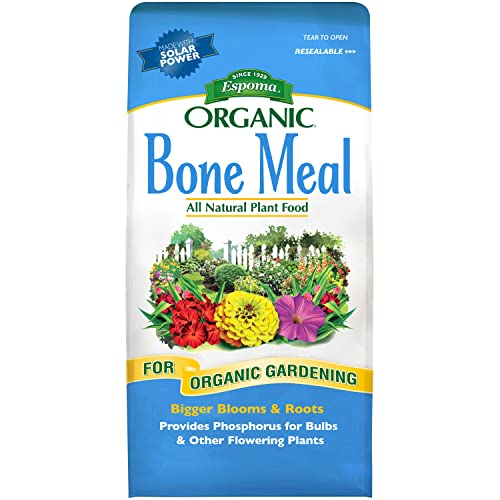
Espoma Organic Bone Meal Fertilizer 4-12-0 8 lb. Bag

Smart Grower Sea-Kelp Fertilizer 2 oz

Whitney Farms Organic Bone Meal 6-8-0 3 lb.

Supply Solutions Urea 46-0-0 Nitrogen Fertilizer 40 lb
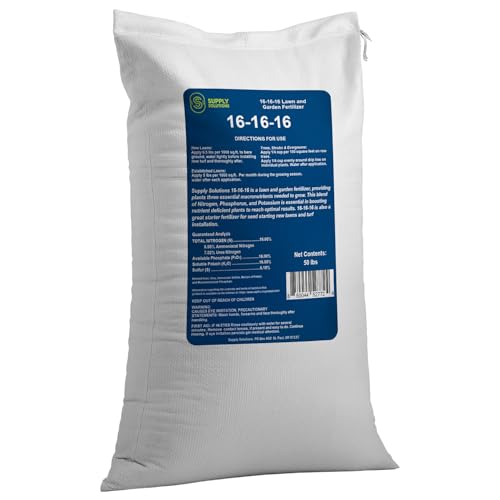
Supply Solutions 16-16-16 Complete Lawn and Garden Fertilizer 50 lb

Supply Solutions 21-0-0-24S Ammonium Sulfate 50 lb
A Closer Look At Each Pick
Vermicompost, the finished product worms leave behind, behaves differently than a standard NPK bag. It feeds soil microbes first, then the plants, which is why organic growers reach for it as a season-long tonic rather than a quick fix. BuildASoil Worm Castings for Gardening arrives in a 2-gallon (7.57 liter) pail sized for raised beds, container gardens, and indoor houseplants alike.
The screened texture mixes cleanly into potting soil without clumping, and the moisture level feels ready to use straight from the bag. For most home gardeners working a small plot or a windowsill herb collection, a light top-dress at planting sets up a quieter, more steady release than synthetic options.
What Stands Out
- Adds living biology to tired potting mix, supporting long-term soil structure.
- Low-odor profile makes it practical for indoor use on houseplants.
- Two-gallon size handles a 4×8 raised bed with enough left for containers.
- Won’t burn tender seedlings when used as directed at the root zone.
Points To Note
- Nutrient analysis is mild, so heavy feeders may still need a targeted amendment.
- Higher cost per square foot than bulk compost, depending on local sources.
Key Product Details
Who Will Love This
Organic vegetable gardeners building living soil in raised beds will appreciate the gentle, biology-first feeding approach.
A Better Fit Elsewhere
For a single starter application on a brand-new lawn, Supply Solutions 16-16-16 Complete Lawn and Garden Fertilizer delivers a faster, more concentrated nutrient hit.
Transplant shock is the moment new shrubs, trees, and seedlings are most fragile, and Bio-Tone Starter Plus is built exactly for that window. The 4-3-3 ratio gives a measured dose of nitrogen, phosphorus, and potassium, with 5% calcium included for cell wall strength, so young roots get a balanced plate to work from.
The included endo and ecto mycorrhizae, which are beneficial fungi that colonize roots and extend their reach into the soil, attach to roots at the moment they’re actively seeking partners. Compared with BuildASoil Worm Castings, this bag trades biology for a stronger nutrient profile, so it suits gardeners who want quick transplant establishment alongside organic sourcing.
Practical Pluses
- Mycorrhizal inoculant supports root establishment during the first critical weeks.
- 18 lb bag covers a long planting weekend of trees, shrubs, and perennials.
- Granular texture mixes into backfill without clumping on roots.
- Approved for organic gardening programs, so it fits certified-plot rules.
Trade-Offs To Consider
- Best results come at planting, so routine mid-season feeding still calls for a follow-up amendment.
- Granular form requires light watering-in for activation in dry weather.
Made For
First-time gardeners setting out a new hedge, fruit tree, or perennial bed will find the format forgiving and the results measurable.
Look Elsewhere When
If your focus is acid-loving blueberries rather than a mixed border, Supply Solutions 21-0-0-24S Ammonium Sulfate serves those plants more precisely.
Bulbs need phosphorus to push roots deep and stage the show-stopping bloom the following spring. Espoma’s Bone Meal 4-12-0 delivers a high-phosphorus, low-nitrogen punch designed to be worked into the soil at planting, which is exactly how bulb growers prefer to feed. The 8 lb. bag handles dozens of tulip, daffodil, and allium clusters without breaking a sweat.
Without fillers or synthetic additives, this is one of the cleaner bone meals on the shelf. For gardeners layering Bio-Tone Starter Plus with a phosphorus boost, this bag fills the second role nicely, while Whitney Farms Organic Bone Meal 6-8-0 covers scenarios where a touch more nitrogen helps.
Reasons It Performs
- High phosphorus ratio supports root development and flower bud set.
- Slow release that won’t leach away before spring bulbs break dormancy.
- Pure domestic bone meal with no synthetic fillers mixed in.
- Fine grind blends smoothly into bulb-planting holes with a trowel.
A Few Limitations
- Low nitrogen means leafy growth lags without a separate feed.
- Storage in a dry container keeps the powder from clumping over time.
Feature Snapshot
Whose Shelf It Belongs On
Flower gardeners planting tulips, daffodils, and irises each fall will find this bag perfectly matched to the season.
Not Your Match When
If you’re chasing vigorous leafy growth on lawn or vegetable starts, Supply Solutions Urea 46-0-0 Nitrogen Fertilizer delivers a stronger nitrogen signal.
Kelp-based feeds earn a loyal following because they offer trace minerals and natural plant hormones without piling on macronutrients. Smart Grower’s 2 oz pouch dissolves into 50 gallons of finished spray, which is the kind of ratio that suits a windowsill herb garden or a small propagation shelf. The NPK reads 0-0-18, meaning the potash comes through without nitrogen or phosphorus added.
Ascophyllum nodosum, the kelp species used here, is harvested in Maine and carries naturally derived polymers like fucoidan and alginate that gardeners credit with helping roots tolerate stress. For most apartment growers, this single pouch replaces a shelf of bottles, though the light NPK profile means pairing it with BuildASoil Worm Castings for Vegetables and Flowers makes sense during peak season.
What It Does Well
- Highly soluble powder mixes cleanly into a watering can or sprayer.
- Trace minerals and natural hormones support stress recovery in seedlings.
- Light footprint makes shipping and storage trivial.
- Compatible with organic gardening routines on indoor and outdoor plants.
Less Ideal Details
- No nitrogen or phosphorus, so it can’t anchor a feeding program alone.
- Needs accurate dilution, since the concentrate is potent and easy to over-apply.
Right Fit For
Houseplant collectors and seed starters looking for gentle stress support will appreciate the small footprint and easy mixing.
Skip It When
Large lawn and vegetable plots that need macronutrient volume call for Whitney Farms Organic Bone Meal or Espoma Bio-Tone Starter Plus instead.
Whitney Farms’ take on bone meal shifts the ratio toward nitrogen at 6-8-0, which suits gardeners feeding flowering shrubs that need both leafy growth and bloom support. Roses, established perennials, and fruiting shrubs all benefit from this balance, particularly in early spring. The 3 lb. pouch fits on a small potting bench without dominating storage.
Phosphorus and calcium are the headline minerals here, with enough nitrogen to push spring growth without forcing you to layer a separate nitrogen source. Compare that with the Espoma 4-12-0 bag, which leans further into phosphorus and is better for true bulbs; Whitney Farms handles the broader flowering shrub category more gracefully.
Well-Handled Touches
- Higher nitrogen supports spring leaf-out on roses and berries.
- Phosphorus drives bloom and root development through summer.
- Small pouch keeps storage tight on apartment balconies and patios.
- Suitable for correcting mild phosphorus deficiencies in native garden soil.
Small Caveats
- Lower phosphorus than dedicated bulb foods, so mass bulb plantings may want more.
- Works best when scratched into the root zone rather than top-dressed alone.
Quick Facts
Best Suited To
Patio gardeners tending roses, blueberries in containers, and small flowering shrubs will find this format and ratio a clean match.
Consider Something Else When
Large vegetable plots needing both macronutrients and broad coverage deserve Supply Solutions 16-16-16 Complete Lawn and Garden Fertilizer in a bigger volume.
Greenhued lawns and deep-green foliage are what nitrogen delivers, and urea 46-0-0 packs the most concentrated nitrogen source in common use. A 40 lb. bag covers generous square footage, so it suits growers with acreage, large vegetable plots, or a sizable turf area to feed. The single-nutrient profile means it pairs well with organic compost top-dressings, since it doesn’t push phosphorus or potassium.
Worth considering though: with such a high nitrogen percentage, miscalibration burns turf and leafy greens fast. Most gardeners mix this into a spreader at lower rates or split-feed rather than apply heavy in one pass, and you may find that a soil test is helpful before committing to a season-long program.
Practical Advantages
- Concentrated nitrogen drives vigorous leaf growth on lawns and greens.
- Large bag offers strong coverage for property-scale feeding.
- Compatible with a broader organic compost or top-dressing routine.
- Useful for restoring pale, nitrogen-starved turf during the growing season.
Things To Weigh
- No phosphorus or potassium means it cannot stand alone for fruiting crops.
- Easy to over-apply, which can scorch tender turf and seedlings.
Technical Sheet
Built With In Mind
Lawn owners managing large turf areas and vegetable growers running nitrogen-hungry leafy crops will find the volume and concentration useful.
Swap It Out When
For mixed plantings that need phosphorus and potassium alongside nitrogen, Espoma Organic Bio-Tone Starter Plus 4-3-3 offers a more balanced approach.
Equal-parts fertilizers earn their keep on plots where the gardener hasn’t run a soil test or wants a single bag for everything. Supply Solutions 16-16-16 splits nitrogen, phosphorus, and potassium evenly at 16 percent each, so the same scoop feeds tomatoes, berries, ornamentals, and turf without complicated rotation. A 50 lb. bag handles a season of mixed plantings.
The triple-sixteen profile mirrors the convenience of a one-size-fits-most feed. Compared with the urea 46-0-0 entry, this bag trades intensity for balance, so it carries fruiting crops through to harvest without leaving phosphorus and potassium short.
The Helpful Details
- Equal NPK supports both vegetative growth and flower or fruit set.
- Granular format spreads easily with a standard broadcast spreader.
- Single bag covers lawns, vegetables, and berries in one season.
- Pairs well with organic compost for gardeners layering biological and synthetic sources.
A Few Limits To Know
- Heavy 50 lb. bag is awkward to haul without a wheelbarrow.
- Generic ratio means specialty crops may still want a targeted boost.
Perfect Match For
Mixed-plot gardeners running a vegetable patch, berry row, and lawn on the same property will appreciate the simplicity of one bag for everything.
Reach For A Different Pick When
For an acid-loving blueberry patch, Supply Solutions 21-0-0-24S Ammonium Sulfate drops the soil pH while feeding nitrogen, which suits those plants much better.
Acid-loving plants struggle in alkaline soil because their roots can’t pull iron and manganese efficiently. Ammonium sulfate tackles two jobs at once: feeding nitrogen at 21 percent and delivering 24 percent sulfur that helps gradually lower pH around the root zone. Blueberries, azaleas, camellias, rhododendrons, and magnolias all benefit from this dual-action approach.
The 50 lb. bag suits established hedges or backyard blueberry rows, and the granular form handles broadcast spreading without specialized equipment. For gardeners who only need to tweak pH in one bed, a smaller Whitney Farms Organic Bone Meal or a kelp supplement handles lighter needs.
Real-World Strengths
- Targets acid-loving species with both nitrogen and sulfur in one pass.
- Helps release soil-bound nutrients in alkaline conditions over time.
- Granular texture works with conventional spreaders and watering routines.
- Bulk size supports multi-row blueberry or azalea plantings.
Worth Bearing In Mind
- Over-application can drop pH too far, so a soil test is helpful first.
- Not suitable for neutral or already acidic beds where pH is already in range.
Who Should Grab It
Gardeners tending blueberry rows, azalea borders, or rhododendron hedges will find the nitrogen-plus-sulfur combo genuinely useful.
Another Choice May Suit
If your goal is vegetable garden productivity on balanced soil, Supply Solutions 16-16-16 Complete Lawn and Garden Fertilizer delivers an easier all-purpose path.
What To Weigh Before Choosing Your Fertilizer
Reading The NPK Numbers
NPK stands for nitrogen, phosphorus, and potassium, the three macronutrients most gardens run short on. Nitrogen drives leafy growth and deep-green color, phosphorus powers roots and blooms, and potassium hardens plants against stress and disease. A 4-12-0 bag like Espoma Organic Bone Meal points clearly at root and flower development, while a 46-0-0 urea product targets green growth alone.
Match the numbers to the moment in your growing season. Spring leaf-out wants nitrogen-heavy feeds, mid-season flowering shifts the demand toward phosphorus, and fruiting crops lean on potassium as harvest approaches.
Granular, Powder, Or Liquid Solubility
Granular fertilizers break down slowly with watering and suit spreaders across larger plots. Powdered concentrates like Smart Grower Sea-Kelp dissolve into spray solutions for fast uptake through leaves or roots. Each form has a different rhythm, and the right pick depends on whether you want a slow background feed or a quick rescue.
For most home gardens, granular works well as a foundation and liquid kelp or compost tea handles the in-between moments when plants need a nudge.
Organic Versus Mineral Sourcing
Organic inputs feed soil life first, then plants, which produces a slower but steadier nutrient release. Mineral-based options like urea and ammonium sulfate move faster and pack more concentration per pound, though they bypass the biology step. Many gardeners run a layered program, with mineral feeds doing the heavy lifting and organic amendments like worm castings or kelp adding biological depth.
Soil tests every couple of years remove the guesswork. They reveal whether your patch actually needs phosphorus or whether nitrogen is the real bottleneck, which keeps you from overloading one nutrient while another sits unused.
Key Considerations Across These Picks
Mistakes Worth Dodging
Many shoppers buy the cheapest bag without checking what their soil actually needs, and end up overloading nitrogen while starving phosphorus. A $15 soil test from a local extension service prevents years of guesswork. Other shoppers reach for acidifiers like Supply Solutions 21-0-0-24S Ammonium Sulfate on plants that prefer neutral soil, accidentally locking out iron and manganese uptake.
Reading the bag’s intended plants matters more than brand familiarity. Bone meal solves different problems than urea, and a balanced 16-16-16 isn’t always the answer when a specialty crop wants a targeted ratio.
What The Higher Tier Buys
Stepping up to a larger bag or higher concentration isn’t always about quality. For heavy-feeding turf and acreage, Supply Solutions Urea 46-0-0 at 40 lb. lowers your cost per application but raises the stakes on calibration. Specialty blends like Bio-Tone Starter Plus carry mycorrhizal inoculants, which justifies a higher tag for gardeners starting fresh plantings.
The real value sits in matching concentration to plot size and skill level. A careful beginner benefits more from Bio-Tone’s forgiveness than from raw urea, while a confident grower with a calibrated spreader pulls strong value from concentrated mineral sources.
Frequently Asked Questions
How often should I apply organic fertilizer?
Most organic granular feeds work on a 4 to 6 week cycle during the growing season. Liquid options like kelp can be applied every 2 to 3 weeks for steady support.
Can I mix bone meal with my other fertilizers?
Yes, bone meal layers well with balanced fertilizers and compost. Avoid mixing it directly with high-nitrogen urea in the same scoop to prevent nutrient lockup.
What’s the difference between worm castings and compost?
Worm castings are digested organic matter with finer texture and higher microbial activity. Compost is broken-down plant material with more variable nutrient content.
Do organic fertilizers work in cold soil?
Slow-release organics depend on soil biology, which slows in cold weather. Early-season transplants benefit more from soluble options until soil warms.
Is ammonium sulfate safe around pets and kids?
Once watered into the soil, ammonium sulfate behaves like other mineral fertilizers. Keep bags stored away from curious hands and paws until application is complete.
Closing Remarks
The right natural organic fertilizers depend less on brand and more on what your soil is asking for. Match the NPK to your crop, lean on organic feeds for soil biology, and reach for concentrated minerals when acreage or speed demands it. A small investment in understanding your patch pays back across many seasons of healthier growth.