A bad potting mix can quietly sabotage a whole season. Yellowing leaves, water that sits in the saucer for days, roots that never quite fill the pot: these frustrations almost always trace back to what fills the container, not the plant itself. This guide walks through nine soils and soil components worth considering, organized by the kind of gardener each one actually fits.
The Lineup, Simplified

MODELLOR Coco Coir Bricks, 4-Pack (5 lb)

FarmTek Horticultural Vermiculite Planting Soil Additive, 4-Cubic Feet

FoxFarm Ocean Forest Potting Soil, 1.5 cu ft
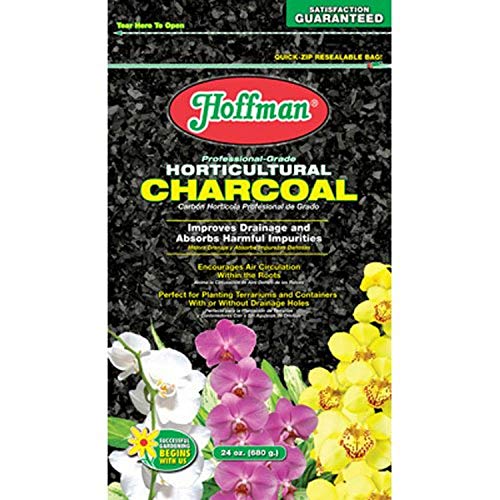
Hoffman 17502 Charcoal Soil Conditioner, 24-Ounce

PlantBest Coco Mulch Compressed Block 9.1 lb

MICRO LANDSCAPE DESIGN Lithops Soil Mix, 3 lb
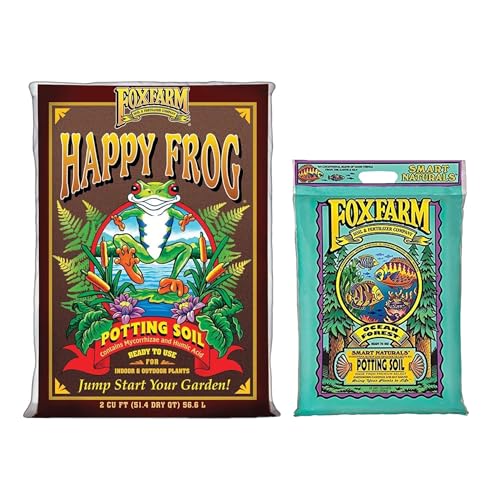
FoxFarm Happy Frog 2 cu ft + Ocean Forest 12 qt

PlantBest Coco Peat Garden Soil, Concentrated Mix

PlantBest Coco Mulch Compressed Block 9.1 lb
More On The Choices That Made The List
Compressed coir (coconut fiber) bricks have quietly replaced bags of peat for a lot of indoor growers, and the MODELLOR four-pack is the kind of format that fits a closet shelf without a fight. Each brick weighs about five pounds total and hydrates into roughly nine gallons of loose, fluffy medium, which is enough to start a tray of seedlings or amend a few mid-size containers.
Coir holds moisture without going soggy, which matters when you’re juggling houseplants that prefer even hydration. The bricks rinse down to a low-salt, near-neutral pH, so you can drop seeds straight in without much fuss. For gardeners working with limited storage, the compressed form is the main reason to consider this one.
The Case For It
- Compact bricks expand into about 9 gallons of usable medium, enough for a season of seed trays and small pots.
- Pre-washed and low in salts, so seedlings tend to germinate without the salt stress that sometimes hits cheaper coir.
- Storage-friendly: four small bricks take far less shelf space than four bulky bags of traditional mix.
- Reusable across seasons when refreshed, which helps stretch a small growing budget.
Trade Offs Worth Knowing
- Hydration takes planning: each brick needs a bucket of water and several minutes to break apart fully.
- Coir alone has almost no nutrition, so seedlings will need a diluted feed within a couple of weeks.
Feature Snapshot
Made For
Apartment growers and seed starters who want a tidy, low-mess way to keep a few trays going on a shelf.
Swap It Out When
You need large-volume soil fast: the FarmTek Horticultural Vermiculite is a better fit for filling oversized planters and raised beds.
Vermiculite is the lightweight, mica-based mineral gardeners mix into potting soil to keep roots aerated and hydrated. The FarmTek four-cubic-foot bag is sized for someone doing serious volume: refreshing a whole patio of containers, blending custom mixes, or amending a small raised bed.
It holds water like a sponge without collapsing the pore space around roots, which is the real reason it shows up in propagation mixes. The trade-off is that vermiculite is a complement, not a stand-alone growing medium. Most people blend it with peat, coir, or compost to get the texture they want.
Notable Upsides
- Sterile and pH-neutral, so it won’t shift the chemistry of whatever mix you’re blending.
- Four cubic feet covers a lot of containers or a generous helping of seed-starting mix.
- Holds moisture and slowly releases it, helping bridge dry spells between waterings.
Honest Caveats
- The bag is bulky and dusty to work with, so a drop cloth and a mask help during pouring.
- Used alone, vermiculite has no real nutrient content and will need a complete fertilizer plan.
- Heavier than coir for the same volume, so moving the bag to a second-floor patio takes planning.
Who Should Grab It
Experienced gardeners blending their own mixes who want a reliable, sterile conditioner in bulk.
Look Elsewhere When
You want a ready-to-use soil right out of the bag: the FoxFarm Ocean Forest Potting Soil is a better match for that workflow.
FoxFarm’s Ocean Forest is the kind of bag that tends to follow gardeners around for years. It comes pre-blended with earthworm castings, fish meal, crab meal, and other organic amendments, so a freshly potted tomato or a transplanted houseplant can usually settle in without an immediate feeding schedule.
The texture is light and airy rather than dense, which matters for containers where compaction becomes a problem after a few watering cycles. For most everyday container work, this is a low-fuss starting point. The honest read is that it’s a richer mix than some beginners expect, so seedlings started in pure Ocean Forest can sometimes stretch a bit from the nutrient load.
Useful Strengths
- Ready to use straight from the bag, no amendment required for most container plants.
- Light, aerated texture that resists compaction through a full growing season.
- Includes organic amendments that give transplants a strong start without extra feedings.
Practical Considerations
- Strong organic smell right out of the bag, which can be off-putting indoors until it airs out.
- Higher nutrient levels mean sensitive seedlings may grow leggy if started in pure Ocean Forest.
Quick Facts
Whose Shelf It Belongs On
General container gardeners who want one dependable bag for vegetables, herbs, and houseplants without blending.
A Better Fit Elsewhere
You grow mostly succulents: the MICRO LANDSCAPE DESIGN Lithops Soil Mix is dialed in for plants that demand sharp drainage.
Horticultural charcoal isn’t a soil on its own; it’s an amendment, but a useful one. Hoffman’s 24-ounce jar of porous charcoal is meant to be mixed into a blend to improve drainage and to absorb some of the odors and impurities that build up in long-lived container plantings, especially terrariums and cachepots without drainage holes.
A small amount goes a long way: a tablespoon or two per pot is a common starting point. For gardeners frustrated by sour smells or slow drainage in closed containers, this is a quiet fix that more experienced growers swear by.
Points In Its Favor
- Improves drainage by keeping pore space open in compacted mixes.
- Absorbs odors and impurities that can build up over time in long-lived containers.
- Long shelf life in a sealed jar, so a single container can last across multiple seasons.
Less Ideal Details
- It’s an amendment, not a standalone medium, so it has to be combined with a base soil.
- Overuse can dry out a pot faster than expected, particularly in shallow cachepots.
Right Fit For
Orchid, terrarium, and closed-container gardeners who want a charcoal additive to keep the root zone fresh.
Reach For A Different Pick When
You’re filling a large outdoor planter: a compressed coir block like PlantBest Coco Peat Garden Soil gives you volume faster.
Coconut mulch works as both a soil component and a top-dressing for outdoor containers. PlantBest’s nine-pound compressed block hydrates into roughly 16 gallons of material, enough to top-dress a row of patio pots or refresh a couple of mid-size planters.
Unlike bark mulch, coco mulch resists matting and tends to stay loose on the surface, which helps with water penetration and weed suppression in larger containers. It’s lighter to carry home than a bagged bark product and easier to store between seasons.
Features That Help
- Compressed 9.1 lb block expands to roughly 16 gallons, easy to transport from the door to the garden.
- Stays loose on the surface, so water moves through to the soil beneath instead of running off.
- Covers up to about 17.5 square feet, enough for a generous patio container setup.
- Rehydrates in minutes with a bucket of water and breaks apart without much dust.
Things To Weigh
- Top-dressing alone won’t fix compacted soil underneath, so refresh the base mix periodically.
- Wind can catch the loose fibers on a breezy balcony until the top layer settles.
At A Glance
Best Suited To
Outdoor container gardeners who want a light, easy-to-store mulch for topping off patio pots through the season.
Not Your Match When
You grow mostly indoors: the MODELLOR Coco Coir Bricks are tidier and better suited to seed-starting on a shelf.
Lithops are famously unforgiving. They rot fast in anything that holds moisture around the taproot, which is why a purpose-built mix exists at all. This MICRO LANDSCAPE DESIGN blend is a coarse, free-draining medium designed specifically for these “living stone” succulents and other mesembs with similar needs.
Three pounds of mix translates to roughly two quarts of finished material, enough for a small collection in three- or four-inch pots. The blend includes a live mini lithops in the order, which can be a fun way to confirm the mix actually works under your conditions.
What Pays Off
- Open, gritty texture that mimics the mineral soils lithops evolved in.
- Encourages strong root anchoring without the rot risk of denser mixes.
- Bonus live lithops included to test the medium in your specific environment.
Points To Keep In Mind
- Niche formulation: useful mainly for lithops and similar succulents, not general-purpose containers.
- Small bag size means it runs out quickly for anyone with a larger collection.
Feature Card
Perfect Match For
Lithops collectors and succulent hobbyists who want a mix dialed in for one specific genus.
Skip It When
You grow a range of container plants: the FoxFarm Ocean Forest Potting Soil covers vegetables, herbs, and ornamentals in one bag.
The FoxFarm bundle pairs Happy Frog, a gentler mix amended with soil microbes, with a smaller 12-quart bag of the richer Ocean Forest. It’s a clever pairing: Happy Frog handles the more sensitive container plantings and edibles, while Ocean Forest steps in for established ornamentals and fruiting plants that prefer a stronger nutrient base.
For someone running a varied container setup, having both blends on hand removes the guesswork. The microbes in Happy Frog help with nutrient uptake at the root level, which can be meaningful for tomatoes and peppers in particular.
Positive Takeaways
- Two complementary blends in one bundle, suited to different container needs.
- Happy Frog’s microbial content supports root efficiency for edibles.
- Removes the decision of which single bag to buy for a mixed container collection.
Factors To Consider
- Bundled volume may be more than a single-container gardener realistically needs.
- Both blends carry the same organic smell noted on the standalone Ocean Forest bag.
Who Will Love This
Container gardeners juggling vegetables, herbs, and ornamentals who want both gentle and rich blends on the shelf.
Another Choice May Suit
You’re working with a tight budget or small space: a single bag of FoxFarm Ocean Forest Potting Soil covers the basics without the extra commitment.
This 11-pound compressed block from PlantBest expands into about 79 quarts of finished mix, which puts it among the higher-yield options on this list. The triple-washed, low-salt processing gives a cleaner medium than cheaper coir products, and the peat-free angle matters for gardeners trying to reduce their environmental footprint.
Coco peat behaves a lot like sphagnum peat in containers: it holds moisture, supports fine roots, and blends well with perlite or vermiculite. For someone filling several mid-size containers or topping off a raised bed, the yield-per-pound ratio is the selling point.
Benefits That Matter
- Eleven-pound block expands to around 79 quarts, covering a lot of containers per purchase.
- Triple-washed and low in salts, which reduces the rinsing step before planting.
- Peat-free format suits gardeners moving away from harvested peat moss.
Smaller Caveats
- A large container or wheelbarrow helps with hydration, since the expanded volume is significant.
- Nutrients are minimal, so a feeding plan is necessary for heavy feeders like tomatoes.
The Right Fit
Vegetable gardeners and raised-bed growers who want a high-yield, peat-free base to mix into.
Where A Sibling Pick Shines
You’re doing mostly indoor seed-starting: the MODELLOR Coco Coir Bricks come in a smaller format that’s easier to hydrate a little at a time.
The newer PlantBest coco mulch block delivers the same compressed format as the earlier entry, but with a slightly different branding for gardeners comparing options. The 9.1-pound block expands to roughly 64 quarts of mulch and covers up to 17.5 square feet once spread.
For apartment and balcony gardeners, the storage angle is what stands out: a single brick fits on a closet shelf, expands on demand, and avoids the dust and mess of a torn-open bag. It hydrates quickly and breaks apart evenly without much elbow grease.
A Strong Showing
- Compact compressed block stores neatly in small apartments or gardening closets.
- Expands into roughly 64 quarts of mulch, enough for several patio containers.
- Lightweight before hydration, so carrying it upstairs or to a rooftop is manageable.
- Breaks apart evenly with water, without producing the dust common to bagged mulches.
Possible Compromises
- Requires a soaking container large enough to catch the expanded volume.
- Mostly a top-dressing mulch; it doesn’t replace a base mix for filling pots.
Built With In Mind
Small-space and apartment gardeners who want a shelf-friendly mulch that hydrates on demand.
Consider Something Else When
You want both soil and mulch in one product: the FoxFarm Happy Frog + Ocean Forest bundle covers both ends of the container routine.
Picking The Right Mix For Your Containers
Container soil lives a tougher life than garden soil. Roots can’t spread outward in search of moisture, so the mix has to hold water without going soggy, deliver air to the root zone, and feed the plant in a small volume that breaks down quickly. Getting that balance right is what separates a thriving patio tomato from a struggling one.
Drainage vs. Moisture Retention
The tension at the heart of every container mix is the trade-off between holding water and letting it drain. Cactus and succulent mixes lean toward fast drainage with coarse sand, pumice, or grit. Vegetable and flower mixes hold more moisture through peat, coco coir, or compost. For most houseplants and herbs, somewhere in the middle tends to work best.
Pre-Blended vs. DIY
Pre-mixed bags like FoxFarm Ocean Forest Potting Soil save time and remove the guesswork, which is genuinely valuable for beginners. Custom blends built around compressed coir, vermiculite, and charcoal give more control and tend to be more cost-effective at scale. The right choice depends on how many containers you’re running and how much tweaking you enjoy.
Plant-Specific Needs
A few plant categories reward a tailored mix. Lithops and other mesembs want extremely fast drainage, which is why blends like the MICRO LANDSCAPE DESIGN Lithops Soil Mix exist. Heavy feeders like tomatoes and peppers appreciate richer organic blends with bat guano, worm castings, or fish meal. Orchids and terrariums benefit from charcoal amendments like the Hoffman conditioner for odor control.
Storage and Handling
Compressed blocks (coir, mulch) collapse into a fraction of the space of bagged mixes, which matters for anyone gardening from a small apartment or balcony. They also tend to be lighter to haul before hydration, though they need a bucket and a few minutes of patience once you start.
Key Considerations Across These Picks
Where Shoppers Go Wrong
The most common mistake is grabbing any bag labeled “potting soil” and expecting it to do everything. A mix designed for outdoor vegetables often holds too much moisture for indoor succulents, and a cactus blend usually starves nutrient-hungry edibles. Match the mix to the plant, not the other way around.
Another trap is underestimating how much a container actually needs. A 12-inch pot can drink a surprising amount of mix, and running short halfway through a repotting session is annoying. Buying a touch more than you think you need tends to save a return trip.
Where The Extra Money Goes
Premium mixes earn their higher cost through richer organic amendments, better texture consistency, and often microbial additions that improve nutrient uptake at the root level. For heavy feeders and long-lived container plantings, that upgrade tends to show up in faster growth and sturdier plants. For short-season annuals or budget setups, a simpler mix still does the job. The honest read is that premium soil is one of the more reliable upgrades in a container garden, but it’s not required to grow healthy plants.
Frequently Asked Questions
What is the difference between potting soil and garden soil? Potting soil is blended for containers, with lighter texture and ingredients like peat, coir, perlite, or vermiculite that resist compaction. Garden soil is denser and meant to be mixed into native ground, where it has more room to spread out and drain naturally.
Can I reuse potting soil from last season? Yes, with some caution. Refresh the mix by loosening it, removing old roots, and adding a small amount of compost or a balanced fertilizer before replanting. Old mix loses structure and nutrients over time, so heavy feeders especially benefit from amendment.
How often should I replace container soil? For most annuals, replacing the mix each season is the safest move. For perennials and houseplants, top-dressing with fresh mix and occasional full refreshes every couple of years keeps the root zone productive.
Is coco coir a good substitute for peat moss? Yes. Coco coir holds similar moisture and offers a peat-free alternative with comparable performance. It also rehydrates easily from compressed bricks, which makes storage simpler.
Do I need fertilizer if I use a pre-blended potting mix? Most pre-blended mixes feed plants for several weeks, but heavy feeders like tomatoes and peppers benefit from supplemental feeding during peak growth. Watch the plant, not the calendar: slowed growth or pale leaves are the usual signals.
The Takeaway
The right mix depends less on a brand and more on the plant, the container, and the conditions. For most general container work, a balanced pre-blended mix like FoxFarm Ocean Forest Potting Soil covers the basics well. Specialty plants and tight spaces reward a more targeted pick from this list. Start with what the plant actually needs, then build from there.