Healthy container plants start at the root zone, and the wrong medium quietly sabotages growth long before leaves show the trouble. Whether you’re filling patio planters, refreshing raised beds, or starting seeds on a windowsill, the right organic blend saves you from yellowing leaves, soggy roots, and compacted soil. We’ve narrowed ten widely available options across the organic choice potting mixes category, spanning everything from nutrient-dense compost blends to compressed coconut coir blocks that weigh a fraction of traditional bags.
The Choices Worth Comparing

FoxFarm Ocean Forest Potting Soil 1.5 cu ft

PlantBest Coco Mulch Compressed Block 9.1 lb

Organic Plant Magic Compressed Potting Soil

Plantonix Worm Bliss Worm Castings 1 Qt

Coast of Maine Cobscook Blend In-Ground Soil 1 cu ft
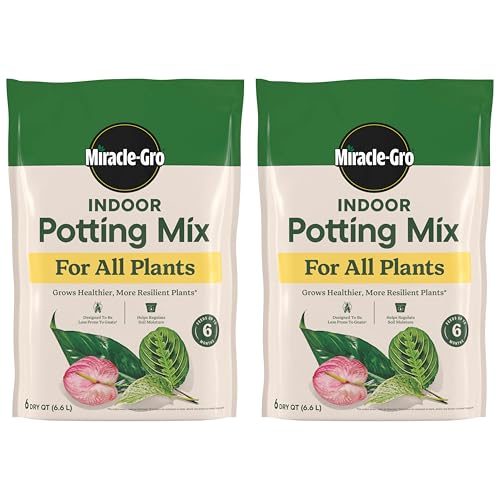
Miracle-Gro Indoor Potting Mix 6 qt 2-Pack

Vermont Compost Fort Vee Organic Mix 40 Qt 2-Pack

Horticultural Pumice 14 Dry Quarts

PlantBest Coco Peat Concentrated Mix 11 lb

PlantBest Coco Mulch Block 9.1 lb Coconut
The Details Behind The Selections
Container gardeners who want a ready-to-use blend right out of the bag reach for FoxFarm Ocean Forest more than almost anything else on the shelf. The 1.5 cubic foot bag fits a typical patio haul, several large houseplant repottings, or a couple of half-whiskey barrel planters without forcing a second trip to the garden center.
The texture is light and aerated, which matters more than most shoppers realize: dense, heavy soils suffocate roots and hold too much water around the crown. Ocean Forest is formulated for container use specifically, so it drains freely while still holding enough moisture between waterings.
Standout Benefits
- Pre-mixed and ready to use straight from the bag, no amendments needed for most container plants
- Light, fluffy texture promotes healthy root development and prevents compaction over time
- Works across vegetables, herbs, flowers, and indoor houseplants without separate bags
- 1.5 cubic foot size covers roughly four to six medium containers depending on pot diameter
Things To Consider
- Heavier bag than compressed alternatives, which may matter for apartment dwellers hauling it upstairs
- Nutrients deplete after roughly four to six weeks, so feeding with a liquid fertilizer is standard for hungry crops
Key Specs
Right Fit For
Beginner and intermediate container gardeners who want a reliable, ready-to-use blend for mixed pots of vegetables, herbs, and houseplants.
Swap It Out When
Vermont Compost Company Fort Vee suits raised-bed growers and seed starters who prefer a compost-heavy base over a peat-forward mix.
If you’ve ever wrestled a soggy 50-pound mulch bag into a shopping cart, the compressed block format feels almost unfair. PlantBest’s 9.1-pound coco mulch brick arrives shelf-stable and feather-light compared to traditional bark or wood mulch, and one block expands to roughly 64 quarts once hydrated.
The expansion also covers up to 17.5 square feet at a standard mulch depth, which handles a couple of small tree rings or a modest perennial border. Coconut coir (the fibrous material between a coconut’s hard shell and its outer husk) holds moisture without matting down, and it suppresses weeds while still letting rainfall through to the soil below.
The Helpful Details
- Compact block format saves serious storage space in sheds, closets, and car trunks
- One block hydrates to about 64 quarts, covering roughly 17.5 square feet of bed area
- Coir fibers resist compaction better than many wood mulches, keeping the surface breathable
Worth Noting
- Requires a bucket or tub and a few minutes of soaking before application, unlike pre-hydrated bagged mulch
- Lighter color than bark mulch, which some landscapers feel looks less finished in formal beds
Made For
Backyard gardeners refreshing tree rings, perennial borders, and small vegetable beds without hauling oversized mulch bags.
Consider Something Else When
Miracle-Gro Indoor Potting Mix suits houseplant owners who need a finished blend for pots rather than a top-dressing mulch layer.
Storage is the silent killer of any indoor gardening setup. Bags pile up in closets, hallways, and under-sink cabinets, and before long you’re buying smaller quantities at higher cost just to keep things contained. Organic Plant Magic’s compressed granules solve that problem in a way traditional bags can’t.
The granules expand roughly four times their original volume once mixed with water, so a small resealable bag yields up to three gallons of finished soil. The formula blends coconut coir with worm castings, so you’re not trading convenience for nutrition.
Practical Pluses
- Compressed granules expand about four times once hydrated, turning a small bag into real volume
- Resealable pouch keeps unused product from drying out between sessions
- Worm castings in the blend deliver slow-release nutrition alongside the coir base
- Yields up to three gallons of finished soil, enough for several medium houseplants
Trade Offs
- Mixing is hands-on: you add water and break up clumps, which takes a few extra minutes over pre-bagged mixes
- Higher cost per cubic foot than buying in larger compressed blocks, given the small finished yield
Best Suited To
Apartment dwellers and small-space gardeners who only need a few gallons at a time and lack room to store bulky bags.
Look Elsewhere When
PlantBest Coco Peat Concentrated Mix offers a similar compressed format at a larger finished yield for gardeners with bigger projects.
Worm castings are one of the few soil amendments that virtually every gardening tradition agrees on. Plantonix Worm Bliss arrives in a one-quart container, sized for mixing into existing beds or refreshing tired container soil rather than filling pots from scratch.
The product is OMRI-listed, meaning it appears on the Organic Materials Review Institute’s roster of products approved for certified organic production, so strict organic growers can use it without concern. The castings carry nitrogen, phosphorus, potassium, and a wide spread of trace minerals that feed soil biology as well as plants.
Why It Works Well
- OMRI-listed for use in certified organic gardens and food crops
- Vegan and manure-free, suitable for gardeners avoiding animal-derived inputs
- One-quart size is enough to amend several containers or top-dress a small bed
Honest Caveats
- Not a standalone growing medium, so it works best mixed into existing soil rather than used alone
- Small container size means heavy gardeners with large beds will burn through it quickly
Who It Suits Best
Organic-focused vegetable gardeners and houseplant owners who want to enrich existing soil without switching out their base mix entirely.
Not Your Match When
Vermont Compost Company Fort Vee suits shoppers who want the worm-castings-and-compost blend already built into a complete potting mix.
In-ground beds have very different needs than containers. They need organic matter that holds moisture during dry stretches while still opening up compacted native soil. Coast of Maine’s Cobscook Blend targets exactly that problem with a recipe built around sphagnum peat moss, compost, and aged bark.
One cubic foot covers a workable area for refreshing a small flower bed or working into a vegetable plot. Gardeners with sandy or clay-heavy native soil often use this kind of blend as an amendment rather than a standalone planting medium, mixing it into the top several inches before sowing or transplanting.
Practical Advantages
- Sphagnum peat moss retains moisture between waterings and rain events
- Compost content feeds soil biology and improves long-term structure
- Aged bark adds lasting organic matter that resists rapid breakdown
- One cubic foot bag suits small bed refreshes or amendment applications
Points To Note
- Best tilled or forked into existing soil rather than used as a standalone planting medium in deep holes
- Single bag won’t cover large garden plots, so bigger projects need multiple bags or supplemental amendments
Built With In Mind
Backyard gardeners with established in-ground beds looking to improve drainage, water retention, or organic content in native soil.
Reach For A Different Pick When
FoxFarm Ocean Forest Potting Soil serves container gardeners better, since it’s formulated for pots rather than in-ground amendment work.
Houseplants have a reputation for being fussy, but most of that frustration traces back to the wrong soil. Standard outdoor mixes often stay too wet indoors where air circulation is lower and evaporation slows. Miracle-Gro’s Indoor Potting Mix is blended specifically for that environment.
The formula combines sphagnum peat moss, coconut coir, and perlite (a light, volcanic mineral that improves drainage and aeration) to balance water retention with airflow. The two-pack format gives you 12 quarts total, enough for several repotting sessions through the year.
The Case For It
- Specifically blended for indoor conditions where evaporation and airflow differ from outdoor beds
- Sphagnum peat moss and coir balance moisture retention against drainage
- Perlite content keeps the mix from compacting inside pots over time
- Two-pack format suits a multi-plant household through the repotting season
Things To Weigh
- Contains synthetic fertilizer, so shoppers seeking strictly organic inputs may want to look elsewhere
- Nutrient charge typically lasts only a few weeks for hungry tropicals like monsteras and pothos
Who Should Grab It
Houseplant owners repotting a small jungle of indoor plants who want a dedicated indoor blend rather than improvising with outdoor mixes.
Where Another Pick Suits Better
Plantonix Worm Bliss Worm Castings adds organic nutrition to existing indoor mixes for gardeners who prefer organic-only feeding routines.
Vermont Compost Company has built a reputation with serious growers, and Fort Vee is their workhorse blend for both indoor seed starting and outdoor container work. The two-pack delivers 40 quarts of compost-heavy, nutrient-rich mix that’s ready to support hungry crops from germination through harvest.
The base is compost rather than peat, which appeals to gardeners building long-term soil biology. Heavy feeders like tomatoes, peppers, and squash often respond well to compost-forward mixes that release nutrients steadily rather than in a single early flush.
Positive Takeaways
- Compost-based blend feeds soil biology alongside the plants themselves
- Two-pack yields 40 quarts, enough for several large containers or a small raised bed
- Suitable for seed starting, container planting, and raised bed work
Points To Keep In Mind
- Heavier per quart than peat-based mixes, so hauling it upstairs takes some effort
- Premium pricing reflects the compost content and small-batch sourcing
Quick Facts
Whose Shelf It Belongs On
Vegetable gardeners and seed starters who want a nutrient-dense, compost-based mix for heavy-feeding crops across the growing season.
Skip It When
Miracle-Gro Indoor Potting Mix suits casual houseplant owners who want a lighter, lower-cost option for indoor pots only.
Cacti, succulents, and bonsai live by different rules than leafy tropicals. Their roots rot quickly in dense, moisture-retentive soil, so they need a gritty amendment that lets water drain through almost as fast as you can pour it. Pumice, a lightweight volcanic rock, does that job reliably.
This 14-quart bag covers a sizable collection of small pots or several large specimen planters. The particle size, 3/8 by 1/4 inch, falls in the range most commonly recommended for succulent and cactus mixes, and it can be blended with coir or peat to build a custom fast-draining medium.
Well-Handled Touches
- Volcanic pumice improves drainage and aeration in heavy or compacted soil mixes
- Particle size of 3/8 by 1/4 inch suits most succulent and cactus recipes
- Lightweight and porous, so it does not crush roots or compact over time
Worth Bearing In Mind
- An amendment rather than a standalone medium, so you’ll mix it with coir, peat, or other components
- Light dusty particles during pouring, so working outdoors or with a mask makes cleanup easier
Perfect Match For
Collectors of cacti, succulents, and bonsai who blend custom fast-draining mixes rather than buying pre-mixed cactus soil.
A Better Fit Elsewhere
Organic Plant Magic Compressed Potting Soil serves general-purpose indoor gardeners who need a finished growing medium rather than a mineral amendment.
Peat harvesting raises sustainability concerns for many gardeners, and coconut coir offers a renewable alternative with similar physical properties. PlantBest’s compressed coco peat block arrives at 11 pounds and expands to roughly 79 quarts, or about 2.65 cubic feet, of finished growing medium.
The coir is triple-washed, which reduces the natural salt content that can otherwise bother sensitive seedlings. The finished texture suits seed starting trays, container fills, and bed amendments equally well, depending on how you hydrate and handle it.
Everyday Advantages
- Compressed block expands to about 79 quarts, replacing several heavy bagged products
- Triple-washed coir keeps salt content low enough for seedlings and young plants
- Peat-free formula appeals to gardeners avoiding peat bog harvests
- Suitable across seed starting, container work, and bed amendments
Where It May Fall Short
- Low native nutrient content, so feeding with worm castings or fertilizer is standard for active growth
- Requires a large bucket or wheelbarrow for hydration since the expansion volume is substantial
Feature Snapshot
Who Will Love This
Seed starters and sustainability-minded gardeners who want a renewable coir base to mix or amend across multiple projects.
Another Choice May Suit
Coast of Maine Cobscook Blend serves in-ground gardeners who prefer a peat-and-compost amendment to a coir base.
PlantBest’s coconut mulch block shares the same compressed format as their other coir products, but it’s positioned specifically as a landscaping mulch rather than a soil amendment. One 9.1-pound block expands to around 16 gallons, covering up to 17.5 square feet at a standard mulch depth.
Coir mulch holds moisture in the soil beneath it and suppresses weed germination without forming the impenetrable crust that some bark mulches develop over time. For gardeners maintaining tree rings, foundation plantings, and perennial borders, the block format sidesteps the backbreaking bag haul entirely.
What Stands Out
- Compressed block replaces several heavy bags of traditional mulch
- Coir fibers resist crusting and matting better than many wood mulches
- Covers up to 17.5 square feet at standard mulch depth
- Suitable around trees, shrubs, and perennial borders
Possible Compromises
- Needs soaking in a wheelbarrow or tub before spreading, which adds setup time versus bagged mulch
- Decomposes faster than hardwood mulch, so refresh intervals may be more frequent
Right Fit For
Landscapers and homeowners refreshing tree rings and foundation plantings without hauling oversized mulch bags around the property.
Not Your Match When
FoxFarm Ocean Forest Potting Soil suits gardeners who need a planting medium for containers rather than a surface mulch layer.
Picking The Right Blend For Your Garden
Choosing organic choice potting mixes comes down to matching the medium to where and how you grow. Containers need light, aerated texture because roots are confined and drainage depends entirely on the soil structure. In-ground beds benefit more from compost-heavy amendments that improve native soil biology over time, since the native soil already provides some structure on its own.
Consider your watering habits before settling on a blend. Heavier compost-based mixes like Fort Vee hold moisture longer between waterings, which helps forgetful waterers and busy gardeners. Lighter coir-and-perlite blends dry faster, giving more control to attentive waterers but punishing anyone who skips a week. Succulent and cactus growers should weight drainage above all else, which is why a pumice amendment enters the conversation for that audience specifically.
Finally, think about storage and weight. Compressed blocks and granules save serious space in apartments and small sheds, but they require a soaking step before use. Pre-mixed bags are heavier to haul but skip the prep work entirely. There’s no universally correct answer; your shed, your back, and your time all vote.
What To Watch For When Shopping
Common Slip Ups In Soil Shopping
The most frequent mistake is choosing a blend based on the colorful bag rather than the actual use case. Outdoor garden soil packed into an indoor pot almost always leads to root rot, since it’s formulated to retain moisture in open ground rather than drain freely in containers. Indoor mixes used outdoors tend to dry out too fast in summer sun.
Another common trap is assuming all “organic” labels mean the same thing. OMRI-listed products like Worm Bliss have been reviewed against certified organic standards, while “organic” on other packaging may simply describe the source material without the certification. If certification matters for your growing goals, the label matters more than the marketing language.
When Spending Up Actually Pays Off
Premium compost-based mixes like Fort Vee cost more per quart than entry-level blends, but they shift work off your plate later in the season. A richer mix feeds plants steadily through the first several weeks, which means less supplemental fertilizing, less monitoring, and fewer slowdowns during critical growth stages.
For seed starters and heavy feeders like tomatoes or squash, that early nutrition often shows up as stronger root systems and earlier flowering. For casual houseplant owners repotting once a year, the premium tier matters less and a budget-friendly indoor blend handles the job just fine. The honest read is that premium pricing rewards gardeners with hungry crops and active growing schedules, while lighter blends serve maintenance repotting without compromise.
Frequently Asked Questions
What’s the difference between potting mix and garden soil?
Potting mix is blended for containers, with light, aerated texture that drains freely. Garden soil is denser and designed to be worked into native ground, where it improves existing structure rather than replacing it entirely.
Can I use outdoor potting mix for indoor houseplants?
You can, but indoor plants often struggle with outdoor mixes because they retain more moisture than indoor air can evaporate. A dedicated indoor blend like Miracle-Gro Indoor Potting Mix drains more predictably in lower-airflow rooms.
How long do organic potting mixes last in the bag?
Unopened bags keep for one to two years in dry storage, though nutrient content slowly declines after the first season. Once opened, plan to use the remainder within a few months for best results.
Do I need to add fertilizer to organic potting mixes?
Most organic blends include some starter nutrition, but heavy feeders like tomatoes and peppers typically need supplemental feeding after four to six weeks. Worm castings or a liquid organic fertilizer handle the gap without disrupting the organic approach.
Is coconut coir better than peat moss?
Coir is more sustainable since it’s a coconut byproduct rather than a harvested peat bog material. Physically, the two behave similarly, though coir often washes lower in salts and rehydrates more reliably after drying out.
Closing Remarks
The right organic blend turns container gardening from a guessing game into a reliable routine, and the ten options above cover the most common setups you’ll encounter. Match the medium to the container, the crop, and your watering style, and most of the rest takes care of itself. Happy growing.