Pruning season sneaks up on most gardens. One weekend the roses look fine, the next you are elbow-deep in dead wood and crossing your fingers that the cheap snips in the garage still hold an edge. A reliable pair of limb shears turns that scramble into a quick tidy, and the right match depends on whether you are tackling herbaceous stems, woody shrubs, or full overhead branches.
The Shortlist At A Glance
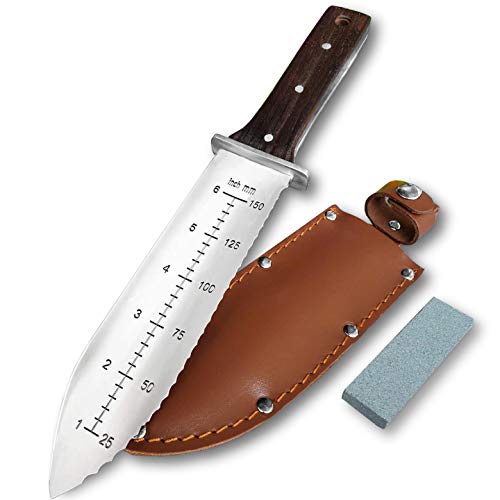
gonicc Professional Hori Hori Garden Knife with Leather Sheath
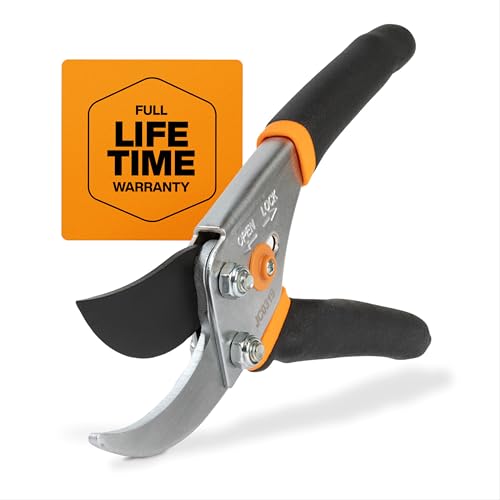
Fiskars Bypass Pruning Shears, 5/8″ Cut Capacity

Fiskars 28″ Garden Bypass Loppers, 1.5″ Capacity

Fiskars 7″ Loop Micro-Tip Pruning Shears
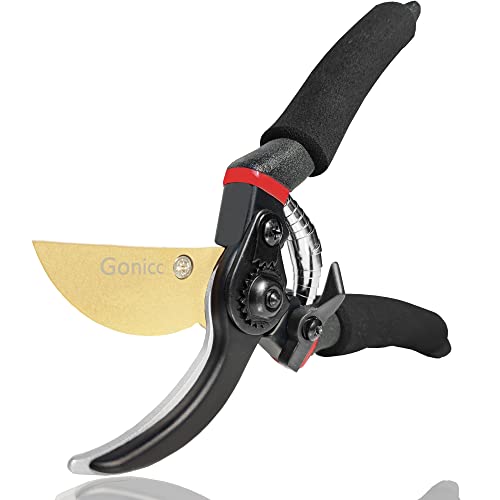
gonicc 8″ Premium Bypass Titanium Pruning Shears (GPPS-1003)
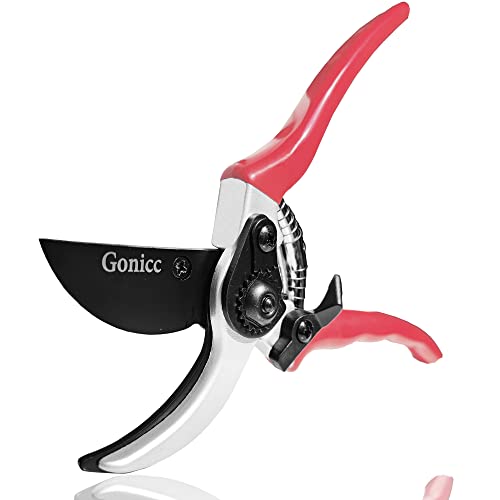
gonicc 8″ Professional Sharp Bypass Pruning Shears (GPPS-1002)

Fiskars Forged Steel Bypass Pruning Shears, 1″ Capacity

Fiskars SoftGrip Bypass Pruning Shears, 5/8″ Capacity

TABOR TOOLS GG12A Anvil Lopper, Compound Action, 30″
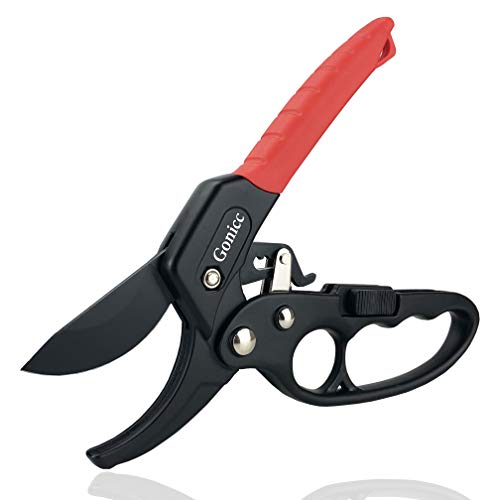
gonicc 8″ Professional Ratchet Anvil Pruning Shears (GPPS-1011)
More On The Choices That Made The List
Not every cutting job calls for a bypass blade, and the gonicc Hori Hori earns its spot on this list because it covers the digging, slicing, and sawing work that traditional limb shears skip past. The 440 stainless steel blade (a high-grade cutlery steel prized for edge retention and corrosion resistance) is polished to a mirror finish, and it pairs a straight edge with a serrated edge so you can carve through tough root mats as cleanly as you score seed-starting rows.
The included leather sheath and handguard make this friendlier than most hori-hori knives, and the depth scale etched into the blade is a quietly useful feature for anyone transplanting bedding plants or building trenches for bulbs. For gardeners who already own a dedicated pruner like the Fiskars bypass model reviewed next, the Hori Hori fills the gap between pruning and bed prep without adding clutter to the tool bag.
Notable Upsides
- Dual-edge blade handles slicing and root sawing without a tool change.
- 440 stainless steel resists rust in damp soil and washes clean quickly.
- Etched depth scale removes guesswork when planting bulbs or transplants.
- Leather sheath and handguard arrive in the box, so no extra accessory runs.
- Useful as a weeder, soil knife, and light pruner in one compact tool.
Points To Keep In Mind
- The pointed tip can puncture garden gloves or knees during close weeding.
- Less efficient than true bypass shears for repeated stem cuts on roses.
- Requires hand sharpening over time; the included stone helps but takes practice.
Best Suited To
Bed-prep gardeners and veggie growers who want one blade for digging, dividing, and light pruning in a single trip outside.
Look Elsewhere When
You mostly cut live rose canes or soft growth, where the Fiskars Bypass Pruning Shears reviewed next deliver cleaner results with less wrist fatigue.
The classic yellow-handled Fiskars bypass pruner is the kind of tool that quietly ends up in every neighbor’s garage, and there’s a reason. A bypass blade works like a pair of scissors, with a curved upper blade passing a lower hook, so green wood stays clean rather than crushed. The fully hardened precision-ground steel holds a usable edge through long weekends of rose deadheading and hydrangea shaping, and the 5/8-inch cut capacity covers the majority of stems in a suburban yard.
Compared with the hori-hori reviewed above, this pruner is purely a cutting tool, and that narrow focus pays off in comfort. The handles open wide enough for gloved hands and close tightly on thinner twigs, which means fewer re-cuts during a Saturday cleanup. For anyone building a first pruning kit, this is the workhorse piece that gets used most often.
What Helps Most
- Clean scissor-style cuts protect live stems from bruising.
- 5/8-inch capacity handles most backyard shrubs and ornamentals.
- Hardened steel blade keeps its edge across many seasons of use.
Honest Caveats
- Struggles on woody branches beyond its capacity, forcing awkward bends.
- Plastic handles can feel slick when working in damp morning dew.
- Spring tension wears with heavy daily use and may need replacement.
Made For
Suburban gardeners maintaining roses, perennials, and small fruit trees who want one reliable pruner for routine cuts throughout the growing season.
Reach For A Different Pick When
You regularly trim overhead limbs over an inch thick, where the Fiskars 28″ Garden Bypass Loppers offer the reach and leverage to do it safely from the ground.
When the job climbs above shoulder height or the branches start feeling like broom handles, hand pruners stop making sense. The Fiskars 28-inch bypass lopper picks up where the standard shears leave off, with long steel handles that extend your reach and multiply the leverage you can put into each cut. The 1.5-inch cut capacity chews through year-old growth on apple trees, dogwoods, and overgrown privet without forcing you onto a ladder.
A low-friction blade coating helps the blade glide through sap-covered wood, which matters on a long day of pruning. The tradeoff is weight; 28 inches of steel handles add bulk that smaller-framed gardeners may want to test in hand first. For anyone whose yard includes a small orchard or a stand of mature shrubs, this lopper becomes the primary cutting tool.
Bright Spots
- 28-inch reach trims branches up high without climbing.
- Bypass action preserves healthy bark on live growth.
- Coated steel resists sap buildup and corrosion between uses.
- 1.5-inch capacity covers most limbs a homeowner will encounter.
Small Caveats
- Heavier than hand shears, so fatigue sets in faster during long sessions.
- Long handles feel unwieldy in tight spaces between crowded branches.
- Best stored hanging to keep the blade edge from contacting other tools.
Feature Snapshot
Who It Suits Best
Homeowners managing young trees, tall hedges, and overgrown shrubs who need reach and leverage more than fingertip precision.
Swap It Out When
You mostly work with dead, dry wood where the TABOR TOOLS GG12A Anvil Lopper’s compound action delivers more cutting force per squeeze.
Big loppers solve big problems, but a lot of pruning is delicate. The Fiskars 7-inch micro-tip snip is built for the close, fiddly work that larger shears ruin: deadheading marigolds, trimming topiary edges, snipping herbs for the kitchen. The narrow tip reaches into the center of a plant without scraping surrounding stems, and the spring action feels light enough for extended sessions at the kitchen window or the back porch.
The non-stick blade coating is a thoughtful touch on a tool this small, since sticky sap can gum up a tight blade and force wider cuts than intended. These shears will not replace the heavier bypass pruner reviewed above for woody stems, and that is the point. They handle the jobs the bigger tool cannot, and they tuck into an apron pocket when you walk the beds.
What It Does Well
- Micro-tip blade reaches deep into dense foliage without collateral damage.
- Compact 7-inch frame fits into apron pockets and tool belts.
- Light spring action reduces hand strain during long shaping sessions.
A Few Limitations
- Small blade cannot handle woody stems beyond pencil thickness.
- Lightweight handles feel insubstantial for users with larger hands.
- Easy to misplace in leaf litter given the compact size.
Right Fit For
Detail-oriented gardeners handling topiary, herbs, and flower beds where reach into tight clusters matters more than raw cutting power.
Where Another Pick Suits Better
You face thick perennial stalks or rose canes, where the gonicc 8″ Professional Sharp Bypass Pruning Shears handle the diameter with less effort.
The gonicc GPPS-1003 is the upgrade pick for gardeners who push their tools hard. The blade uses SK-5 steel (a tough Japanese-grade carbon steel commonly found in professional cutting tools) coated in titanium, which improves corrosion resistance and helps the blade glide through sappy stems without sticking. The drop-forged body means the handles and frame were shaped under high pressure rather than cast, giving them a denser, more durable structure.
Compared with the standard gonicc GPPS-1002 reviewed next, this model trades a small amount of weight for noticeably smoother cuts and a longer service life between sharpenings. The PVC-wrapped aluminum handles stay grippy in damp conditions, and a built-in sap groove channels residue away from the cutting face. For a backyard with fruit trees, roses, and ornamentals that see weekly use, the titanium coating pays back over time.
Key Advantages
- Titanium coating reduces friction and resists corrosion across seasons.
- Drop-forged body holds up to daily heavy use without flexing.
- SK-5 steel core maintains a sharp working edge through extended projects.
- Sap groove keeps sticky residue from jamming the cut.
- Aluminum handles stay light enough for full-day pruning sessions.
Things To Weigh
- Priced higher than entry-level pruners with similar cut capacity.
- Heavier than the GPPS-1002, which matters during long overhead work.
- Titanium coating can show wear if routinely stored against other metal tools.
Quick Facts
Whose Shelf It Belongs On
Active gardeners pruning multiple days a week who want fewer sharpenings and a tool that handles sap-heavy species without gumming up.
Skip It When
You trim lightly a few times a month, where the gonicc 8″ Professional Sharp Bypass Pruning Shears (GPPS-1002) deliver similar cut quality for less money.
The GPPS-1002 strips the titanium coating from its sibling and lands in a friendlier price bracket for gardeners who prune seriously but not constantly. The high-carbon steel blade is polished to a fine working edge, and the same drop-forged body carries over from the premium model, so the handle geometry feels familiar if you have held the 1003 before. A sap groove channels residue away from the cutting surface, which keeps the cut cleaner on roses and fruit trees.
This is the pruner that fits between the Fiskars bypass classic and the gonicc titanium upgrade. You give up some corrosion resistance, but you gain a capable tool for deadheading, shaping, and routine cuts on a wide range of plants. For new gardeners who have outgrown a basic pruner, the 1002 is a sensible step up without overspending.
Notable Gains
- Drop-forged body delivers pro-grade strength at a friendlier price.
- High-carbon steel cuts cleanly through stems up to most backyard limits.
- Sap groove prevents jamming on sappy species.
- Non-slip handle wrap stays comfortable through long shaping sessions.
Trade Offs
- High-carbon steel needs a light oiling now and then to prevent surface rust.
- No titanium coating, so the blade can stick on heavy sap without wiping.
- Spring tension is firmer than on the Fiskars SoftGrip model reviewed later.
Built With In Mind
Graduating gardeners ready to move past an entry-level pruner and put a sturdier tool through weekly shaping, deadheading, and light fruit-tree work.
Not Your Match When
You want the lowest-maintenance blade possible, where the titanium-coated GPPS-1003 sheds sap and resists corrosion with less effort.
The forged Fiskars pruner is the heavier sibling to the classic yellow-handled model reviewed earlier. Forged steel handles offer noticeably more rigidity than stamped or cast frames, which matters when you are pushing the tool against woody growth at the upper end of its 1-inch capacity. The fully hardened precision-ground blade stays sharp through repeated use, so you spend less time touching up and more time cutting.
Where the standard Fiskars bypass handles a comfortable 5/8-inch stem all day long, this forged version tackles branches that would otherwise demand a lopper. The trade is weight, and for gardeners with smaller hands or wrist sensitivity, that extra heft can feel noticeable over a long session. For thick-stemmed shrubs and ornamental trees, the upgrade is genuinely useful.
Features That Help
- Forged steel handles resist flexing under heavy load.
- 1-inch cut capacity handles thicker branches than standard pruners.
- Hardened blade steel holds its edge across frequent use.
- Low-friction coating helps the blade glide through green wood.
Things To Consider
- Heavier than the standard bypass model, which adds wrist fatigue.
- Bulkier handles may not suit gardeners with smaller hands.
- Overkill for yards where stems stay well under the 1-inch ceiling.
Who Will Love This
Gardeners maintaining mature landscape shrubs, small fruit trees, and thick ornamental growth who need a hand pruner that pushes past the typical 5/8-inch limit.
A Better Fit Elsewhere
You trim mostly soft, green growth and want a lighter tool, where the Fiskars SoftGrip Bypass Pruning Shears reviewed next keep hands fresher.
Repetitive pruning punishes hands faster than most gardeners expect, and the SoftGrip model is built to delay that fatigue. The handle geometry uses contoured grips that spread pressure across the palm rather than concentrating it at the base of the fingers, and the non-slip surface stays planted when gloves get sweaty. The same self-cleaning sap groove found on the classic yellow-handled Fiskars pruner keeps the blade working through long shaping sessions.
This is essentially the everyday Fiskars bypass pruner reviewed earlier with a comfort-focused handle upgrade, and the cut capacity and blade steel stay the same. For gardeners with arthritis, smaller grip spans, or simply long to-do lists, the SoftGrip version makes a real difference by the end of the afternoon. It does not replace the classic for raw simplicity, but it earns its place when comfort matters.
The Value In It
- Soft-grip handle reduces pressure points during extended cutting.
- Self-cleaning sap groove keeps the blade moving through sticky wood.
- Precision-ground steel matches the classic Fiskars bypass in sharpness.
Worth Noting
- Same 5/8-inch capacity as the standard bypass model, no extra reach.
- Cushioned grips can feel bulky for gardeners used to slim handles.
- Coating on the grips can wear where it contacts the palm most often.
Perfect Match For
Gardeners managing hand fatigue, arthritis, or extended weekend pruning sessions who want the same clean Fiskars cut with less wrist strain.
Consider Something Else When
You regularly push into thicker wood beyond the 5/8-inch limit, where the Fiskars Forged Steel Bypass Pruning Shears handle bigger branches without a lopper.
When branches are dead, dry, and stubborn, an anvil-style cut beats a bypass cut. The TABOR TOOLS GG12A closes a single sharpened blade down onto a flat anvil surface, concentrating force where you need it, and the compound action mechanism multiplies your hand pressure so a 2-inch branch cuts like a 1-inch one. The 30-inch handles give enough reach for most shoulder-height cuts without dragging out a pole saw.
The trade is cut quality: anvil blades crush live wood rather than slicing it, so this tool belongs in the shed alongside a bypass lopper rather than replacing one. For storm cleanup, winter pruning of dormant wood, and clearing overgrown brush, the GG12A pulls its weight. The hardened carbon steel blade holds up to repeated dry cuts, and the low-friction finish helps the blade pull through rather than snagging.
Practical Advantages
- Compound action multiplies leverage for thick, dry branches.
- 2-inch capacity handles limbs beyond most residential bypass loppers.
- Hardened carbon steel blade stays sharp through heavy seasonal use.
- 30-inch reach trims high growth without climbing a ladder.
A Few Limitations
- Anvil action crushes live green stems rather than slicing cleanly.
- Heavier and longer than the Fiskars bypass lopper, so arm fatigue arrives sooner.
- Replacement parts can be harder to source than major-brand components.
Who Should Grab It
Homeowners facing winter cleanup, storm damage, or neglected woody growth who need raw cutting power over the finesse of a bypass blade.
Wrong Turns To Avoid
You mostly prune live trees and ornamentals, where the Fiskars 28″ Bypass Loppers protect bark and healing on green wood.
Ratcheting pruners change the physics of cutting. Instead of asking your hand to power through a thick branch in one squeeze, the ratchet mechanism clicks through the cut in stages, multiplying force with each click. The gonicc GPPS-1011 uses SK-5 steel blades (the same tough carbon steel found in the bypass models reviewed above) paired with chrome vanadium handles, and the anvil design suits dry, woody growth rather than fresh green stems.
For gardeners with arthritis, reduced grip strength, or simply tired hands at the end of a long day, the ratchet action makes a measurable difference. The anvil cutting style means you would not reach for this on live roses, but for overgrown hedges, deadwood, and twiggy brush, the staged cut removes a lot of strain. Compared with the TABOR TOOLS anvil lopper reviewed earlier, this hand-sized tool fits between the pruners and the long-handled cutters.
Good Reasons To Consider
- Ratchet mechanism stages the cut for users with limited grip strength.
- SK-5 steel blade handles twigs and small woody branches cleanly.
- Chrome vanadium handles stay strong without adding weight.
- Compact 8-inch size fits gardeners who find longer tools unwieldy.
Possible Compromises
- Anvil style crushes live green stems rather than slicing them.
- Ratchet mechanism adds moving parts that can collect sap and debris.
- Slower cut than a bypass pruner when speed matters more than leverage.
Right Fit For
Older gardeners, anyone with reduced hand strength, and tidy-up crews clearing dry brush and twiggy debris who want staged leverage in a hand-sized tool.
Where A Sibling Pick Shines
You mostly prune live green growth, where the gonicc 8″ Professional Sharp Bypass Pruning Shears (GPPS-1002) leave cleaner cuts on healthy stems.
What Matters Most Before Choosing limb shears
Blade Style Sets The Foundation
Bypass blades work like scissors, with two curved edges passing each other to make clean cuts on live wood, and they suit roses, fruit trees, and fresh green growth. Anvil blades close a single edge onto a flat plate, crushing rather than slicing, which suits dead, dry, or woody material where cut quality matters less than raw force. Matching the blade style to the dominant job in your yard prevents ragged cuts and crushed cambium on the wrong species.
Cut Capacity Sets The Ceiling
A 5/8-inch pruner covers most ornamentals and perennials, while a 1-inch forged pruner handles small tree work. Loppers extend that range to 1.5 or 2 inches for overhead limbs and brush. Picking a tool whose capacity sits a notch above your typical cut gives you headroom and keeps you from forcing the blade beyond its design.
Handle Comfort Sets The Stamina
Contoured grips, soft wraps, and ratcheting mechanisms all address hand fatigue, and the right choice depends on session length and grip strength. Gardeners with arthritis or weekend-long to-do lists benefit from staged leverage, while quick tidy-up sessions suit slim, rigid handles. Holding a tool in hand before committing matters more than spec-sheet comfort claims.
Reach And Leverage Trade Off
Long-handled loppers extend your reach and multiply leverage, but they add weight and become unwieldy in tight spaces. Hand pruners stay precise and light, yet they top out at arm’s length. Most yards need at least one of each, and the proportion depends on how much overhead or out-of-reach growth you face.
Key Considerations Across These Picks
Pitfalls Shoppers Hit
Choosing the cheapest pruner on the shelf often means stamped steel that flexes on thick stems, so cuts end up ragged and the tool wears out faster. Another common slip is picking an anvil pruner for live roses, which crushes the cambium (the thin green layer just under the bark that carries nutrients) and invites disease into the wound. Skipping a quick test grip in hand leaves you with a tool that blisters after an hour, so any pruner worth buying should feel balanced in the store before it goes home.
Where The Extra Money Goes
Higher-tier pruners earn their cost through harder steel grades, drop-forged frames, and coatings that resist sap and rust. Titanium coatings, ratchet mechanisms, and ergonomic handle engineering all add manufacturing complexity, and each one addresses a specific frustration: edge retention, hand strain, or cleanup. Paying up pays off when the pruner sees weekly use; for occasional trimming, a mid-tier bypass covers the work without overspending.
Frequently Asked Questions
How often should pruning shear blades be sharpened?
A light honing after every few heavy sessions keeps the edge keen, and a full sharpening once or twice a year suits most backyard schedules.
What is the difference between bypass and anvil pruners?
Bypass pruners use two curved blades that pass each other for clean cuts on live wood, while anvil pruners drive a single blade into a flat plate for power on dry, woody growth.
Can the same pruner handle roses and thicker shrubs?
A 5/8-inch bypass pruner handles most rose canes cleanly, but thicker shrub growth usually demands a 1-inch capacity pruner or a long-handled lopper to avoid strain.
How do I keep pruning shears from rusting?
Wipe the blades dry after each use, oil the pivot lightly, and store the tool indoors rather than leaning it against the shed wall where moisture collects.
Are ratcheting pruners worth the extra cost?
Ratcheting pruners pay off for anyone with reduced grip strength or large branches to clear, because the staged cut multiplies leverage and reduces strain per squeeze.
The Takeaway
The right limb shears depend less on brand prestige and more on the branches in front of you. Match the blade style to the wood, pick a capacity that sits just above your typical cut, and choose a handle shape your hands actually want to hold for an hour. With those three decisions made, any of the ten tools here will earn its place in your kit.