Growing tomatoes above ground level changes the whole game for backyard growers. You control the soil, the drainage, and the depth, and your back thanks you when harvest day comes. The trick is matching bed height, footprint, and material to how many plants you actually want to grow. These eight setups cover everything from a single tomato plant on a balcony to long rows built for a full sauce garden.
The Main Contenders

Vego garden Raised Garden Bed Kit, 17″ Tall 10 in 1

Vego Garden 8.0ft Tomato Metal Frame Trellis
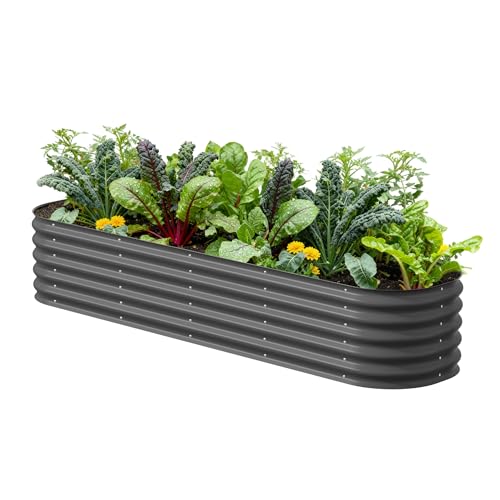
Vego garden Raised Garden Bed Kit, 17″ Tall 9 in 1 (Modern Gray)
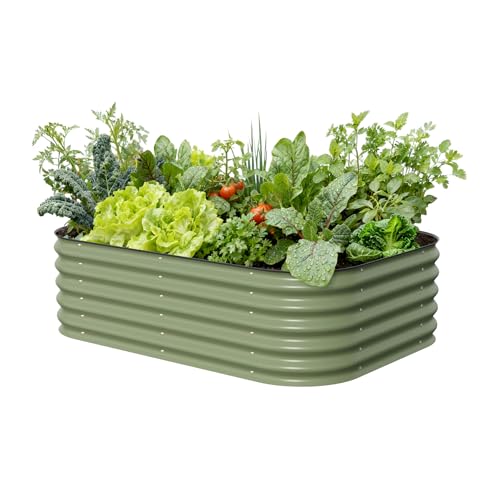
Vego garden Raised Garden Bed Kit, 17″ Tall 6 in 1

Vego 32″ Extra Tall Raised Garden Bed Kit, 9 in 1 (Olive Green)
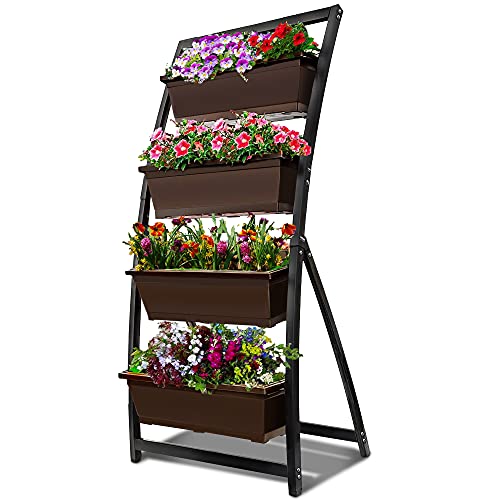
Outland Living 6-Ft Vertical Raised Garden Bed

WTFGO Elevated Raised Garden Bed with Wheels (Gray)

WTFGO Elevated Raised Garden Bed with Wheels (Ashen)
Meet The Standout Selections
The Vego 10-in-1 modular kit is the most configurable bed in this lineup, designed so you can rework panels into ten possible layouts before you tighten a single bolt. Compared to the simpler 6-in-1 option reviewed later, this one lets you stretch a single planting row out to a length that suits a real backyard tomato patch.
You get the same 17-inch depth that shows up across the Vego range, which gives tomato roots plenty of vertical room in a raised bed. The olive green finish blends into a garden bed of mature foliage, and the metal construction is a meaningful step up from thin plastic totes that bow under wet soil weight.
Practical Pluses
- Ten layout options let you widen, lengthen, or stack tiers as your tomato collection grows
- 17-inch depth gives indeterminate varieties room to anchor without crowding surface roots
- Metal panels resist the rot that softens wooden beds after a few wet seasons
- Modular parts are easier to move through a gate than a single welded frame
Things To Consider
- Assembly takes longer than a single-shape bed, so plan for a full afternoon
- Owners commonly note that the metal edges benefit from gloves during setup
Who It Suits Best
Backyard growers who want one bed system they can reshape as their tomato patch expands over several seasons.
A Better Fit Elsewhere
Balcony gardeners should look at the Outland Living vertical bed instead, since this kit wants yard space.
This trellis is an add-on rather than a standalone bed, but for tomato growers with tall indeterminate varieties it solves the single biggest raised bed problem: keeping heavy, fruit-laden vines upright. Pair it with a compatible Vego 9-in-1 or 10-in-1 bed and you have a complete climbing system ready in one afternoon.
It bolts directly onto the long side of compatible beds, so you do not need separate stakes driven through root zones. For most growers this is cleaner than tomato cages that bend under August weight.
What Works In Its Favor
- Three stringing methods, vertical, horizontal, and netting, give you flexibility as vines grow
- Metal frame and thick twine handle the weight of mature, fruit-laden plants
- Horizontal strings open up airflow, which reduces the mildew pressure that closed cages trap
- Mounting keeps strings off the soil, so fruit ripens cleaner and harvesting is easier
Worth Noting
- Garden bed is not included, so this is an upgrade spend on top of a bed purchase
- Only fits specific Vego bed sizes, so check dimensions before committing
- String tension will need checking mid-season as plants gain weight
Made For
Growers with long raised beds who want to climb vigorous tomato varieties without crowding them with traditional cages.
Look Elsewhere When
Container-only growers on a patio should skip this and pick the WTFGO wheeled bed, since this trellis needs a long rectangular bed to mount onto.
The 8-foot by 2-foot configuration is the sweet spot for tomato growers who want a single row of plants spaced properly apart. You can grow four to six indeterminate tomatoes down the length, trellis them up, and still reach the middle from either side without stepping on soil.
The Modern Gray finish is the understated choice for gardeners who want the bed to recede behind foliage rather than compete with it. Compared to the smaller 6-in-1 reviewed below, this one offers more usable row length without taking over a backyard.
Good Reasons To Consider
- 8-foot row length fits proper tomato spacing of roughly 18 to 24 inches between plants
- 17-inch depth means deep-rooted varieties get the soil volume they need
- Metal construction handles repeated wet-dry cycles without warping
- Neutral gray finish pairs well with stone, gravel, or wood surroundings
Room For Improvement
- Long footprint needs a flat, level patch of yard to avoid bowing panels
- Single-row layout limits variety mixing in tight spaces
Best Suited To
Tomato growers who prefer a dedicated single row with even sun exposure and easy reach from both sides.
Consider Something Else When
If your yard is short on length but wide on width, the Vego 10-in-1 kit gives you more layout options to work around the space you have.
The 6-in-1 is the entry point into Vego’s modular lineup, with six layout options that still cover most backyard needs. It uses the VZ 2.0 coating described by the brand as a zinc, magnesium, and aluminum blend paired with an AkzoNobel paint finish rated for long outdoor life.
For tomato growers, the 17-inch depth carries the same root benefits as the larger kits, and the oval corner design reduces the sharp-edge risk that comes with rectangular metal beds. The kit arrives with rubber edge capping, which matters when you are kneeling next to the bed during summer weeding sessions.
Everyday Advantages
- Six configurations cover the shapes most backyard plots actually need
- Rubber edge capping protects knees and hands during close-up tending
- Coated metal finish is built to handle repeated watering without surface rust
- Oval corner profile eliminates the sharp corners common in metal beds
Points To Note
- Fewer layout options than the 9-in-1 or 10-in-1 kits if your yard shape is tricky
- Soil fill volume adds up quickly, so budget for compost and mix on top of the bed cost
The Right Fit
First-time raised bed growers who want a quality metal frame without committing to the largest configuration.
Skip It When
Growers planning a long single row of tomatoes will get better use out of the 8-foot Vego 9-in-1 bed reviewed above.
The 32-inch height on this kit is the standout spec for tomato growers who want true deep-root performance. At that depth you are looking at roughly 2.7 feet of usable soil, which lets tomato roots drive past the topsoil zone into the rich mix below.
Back strain is the other payoff. Compared to the standard 17-inch Vego beds, this one keeps you closer to standing height while you prune, sucker, and harvest. You may find the extra height unnecessary for short determinate varieties, but for sprawling heirlooms it makes the difference between daily enjoyment and daily dread.
Notable Gains
- 32-inch height gives tomato roots the depth needed for full-season indeterminate varieties
- Standing-height access reduces the bending and kneeling that wears on backs during peak season
- Nine configurations cover most rectangular backyard footprints
- Olive green finish fades nicely behind tall foliage by mid-summer
Trade Offs
- Soil volume is significantly higher than 17-inch kits, raising the upfront fill cost
- Taller walls catch more wind, so anchoring matters in exposed yards
- Heavier fully assembled weight makes relocation harder than shorter beds
Who Should Grab It
Growers with back issues or anyone planting deep-rooted heirloom tomatoes that punish shallow beds.
Another Choice May Suit
Container gardeners who want height without the soil volume should consider the WTFGO wheeled bed reviewed later, since it offers waist height with a much smaller footprint.
The Outland Living vertical bed is the right shape for growers who do not have a yard at all. Four stacked container boxes on a 6-foot frame give you roughly 10 linear feet of planting depth in about 6 square feet of patio or balcony space.
Tomatoes in vertical planters require some variety selection, so for most growers a compact determinate or dwarf cherry type is the better match than a sprawling heirloom. Treat the vertical orientation as the design feature it is, and you can grow a salad of tomatoes, herbs, and greens in one footprint.
Well-Handled Touches
- Vertical footprint frees up patio and balcony square footage
- Freestanding frame works on hard surfaces without ground anchoring
- Four separate boxes let you rotate crops and mix varieties in one unit
- At roughly 6 feet tall, harvesting does not require bending to the ground
Less Ideal Details
- Each box holds limited soil volume, which restricts root depth for large varieties
- Taller plants in upper boxes catch wind and may need staking in exposed spots
- Single-box watering means moisture can vary between top and bottom tiers
Perfect Match For
Patio and balcony growers with limited square footage who want to grow compact tomato varieties alongside herbs.
Swap It Out When
If you have backyard space and want bigger harvests, the Vego 9-in-1 long-row bed will outproduce this vertical unit considerably.
The WTFGO wheeled planter solves a real problem for growers who chase the sun. Tomatoes want six to eight hours of direct light, and 360-degree locking wheels let you shift the bed as seasons and shadows change, instead of fighting a fixed location.
At roughly 33.7 inches tall, this sits at waist height for most adults, so pruning and harvesting happen standing up. Compared to the static Outland Living vertical reviewed above, this one trades stacking for mobility, which matters when your only sunny patch moves through the day.
The Upside
- Locking wheels roll smoothly and lock securely when you find the right spot
- 33.7-inch height keeps tomato tending at waist level
- Compact footprint fits apartment patios and small porches
- Gray finish hides soil splashes during watering sessions
Things To Weigh
- Single planter box limits variety mixing in one bed
- Fully loaded, the unit gets heavy, so wheels matter but pushing through soft ground takes effort
- Smaller soil volume suits compact tomato varieties more than large heirlooms
Whose Shelf It Belongs On
Container growers with limited sun who need a mobile bed to follow the light around a patio or balcony.
Reach For A Different Pick When
Growers wanting a long row for multiple tomato plants will find the Vego 8-foot kit reviewed earlier much more productive for the same footprint.
The Ashen variant of the WTFGO bed shares every functional spec with the Gray version, including the 33.7-inch standing height and 360-degree locking wheels. The only real difference is the finish, so this one comes down to which color suits your outdoor setup.
For growers with back or knee concerns, the ergonomic height is the real selling point. You can plant, prune, sucker, and harvest a tomato plant without kneeling pads, and the wheels keep the whole thing movable as your space evolves through the season.
Benefits That Matter
- Lockable wheels handle repositioning across flat patio surfaces
- Standing-height design reduces back and knee fatigue during long tending sessions
- Light Ashen tone blends with stone, wood, and neutral patio palettes
- Compact size fits narrow balcony spaces where wider beds would not work
Minor Gripes
- Same single-box limitations as the Gray variant, so variety mixing is limited
- Tomato size is restricted by soil volume, favoring dwarf or determinate types
Built With In Mind
Growers prioritizing back-friendly daily tending over maximum per-plant yield.
Where A Sibling Pick Shines
For gardeners who want a matching mobile bed but prefer darker tones, the WTFGO Gray version reviewed just above offers the same build in a different finish.
Picking The Right Bed For Tomato Growing
Bed height is the first call that matters, and tomato roots reach deeper than most beginners expect. Standard 17-inch metal beds handle determinate and short-season varieties, while 32-inch models give indeterminate heirlooms the soil volume they actually use. Match the height to how deep you plan to let roots drive.
Footprint shapes your layout. Long single-row beds at 8 by 2 feet let you space plants properly and trellis them up one side. Square modular kits give you more layout flexibility but can waste square footage if you only need one row of tomatoes.
Material drives longevity. Coated metal panels outlast untreated wood, especially in wet climates, though they cost more up front. Wood looks natural but typically needs replacement every five to ten seasons depending on exposure and wood type.
Drainage and access round out the practical list. Raised beds drain faster than in-ground plots, which tomatoes love, but the bed height also determines how much bending you will do during summer. Wheeled and elevated planters solve the bending problem at the cost of total soil volume, so pick based on whether your back or your harvest matters more.
Key Considerations Across These Picks
Wrong Turns To Avoid
Many first-time tomato growers pick a bed that is too shallow for the varieties they actually want to grow. Determinate tomatoes get by in 12 inches, but anything taller quickly runs out of root room. Measure twice on your available footprint before buying, and remember that long rectangular beds usually outperform square ones for tomato trellising.
A second common slip is underestimating soil cost. A deep raised bed holds cubic feet of soil mix, and quality compost adds up fast. Factor the fill cost into your bed budget rather than treating soil as an afterthought.
Where The Extra Money Goes
Higher-tier kits earn their keep through panel coating systems, modular hardware, and corner profiles that hold up over a decade of wet-dry cycles. The VZ 2.0 coating on Vego beds is one example, designed for long outdoor service life rather than a few seasons before rust spots appear.
Taller beds cost more partly because of extra material and partly because of the soil volume they swallow. That added expense pays off when you want a no-bend experience or need deep soil for heavy feeders like heirlooms. For short-season or container-friendly varieties, the premium rarely earns its place.
Frequently Asked Questions
How deep does a raised bed need to be for tomatoes?
Aim for at least 17 inches for most tomato varieties, with 24 to 32 inches giving indeterminate heirlooms the root depth they need for full-season production. Shorter beds work for compact or determinate types, but deep-rooted varieties will struggle in less than 12 inches of soil.
Can I grow tomatoes in a small raised bed?
Yes, but match the variety to the bed size. Compact determinate tomatoes and dwarf cherries thrive in 4 by 2 foot beds, while indeterminate varieties need at least 8 feet of row length to space plants properly and let you trellis them up one side.
Do metal raised beds get too hot for tomatoes?
Coated steel beds in light colors do not heat up more than wood in most climates. In hot southern summers, dark metal can warm soil faster than some wood beds, which actually helps early-season root growth. The bigger risk is poor drainage, so make sure your bed has adequate holes or open-bottom construction.
How often do I need to water tomatoes in raised beds?
Raised beds drain faster than in-ground plots, so daily watering in mid-summer is common for most climates. Mulching the surface cuts watering frequency by roughly half and keeps soil temperature steady during heat waves.
Do I need to replace soil in raised beds every year?
No, but you should refresh the top few inches each season with compost and aged manure. A light top-dress annually keeps nutrient levels steady, while a full soil replacement every three to four seasons prevents compaction and salt buildup from fertilizers.