Cacti and succulents survive on neglect only when the soil beneath them actually drains. Most houseplant deaths trace back to a peat-heavy bag that holds water like a sponge, suffocating the very roots these plants evolved to keep dry. Choosing organic cactus soils comes down to particle size, mineral content, and a pH that won’t lock out nutrients.
The lineup below covers ready-to-use mixes, soil amendments you blend yourself, and a few targeted liquid feeds. Each pick solves a different problem, from tiny lithops pots to raised outdoor beds.
A Quick View Of The Lineup

Micro Landscape Design Lithops Soil Mix 3 lb
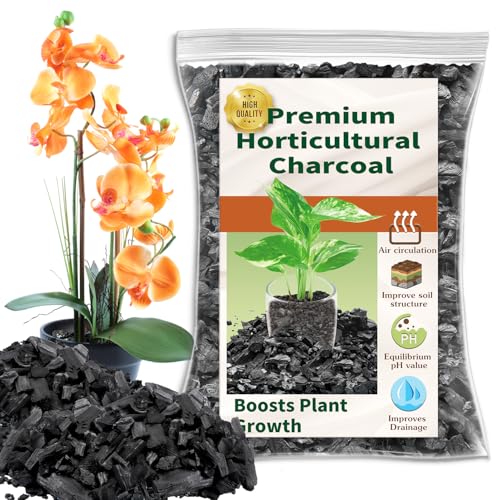
Dangkelili Horticultural Activated Charcoal 1QT

Spike & Bloom Bonsai Soil Mix 7 lb

Spike & Bloom Succulent Soil Mix 4 Quarts
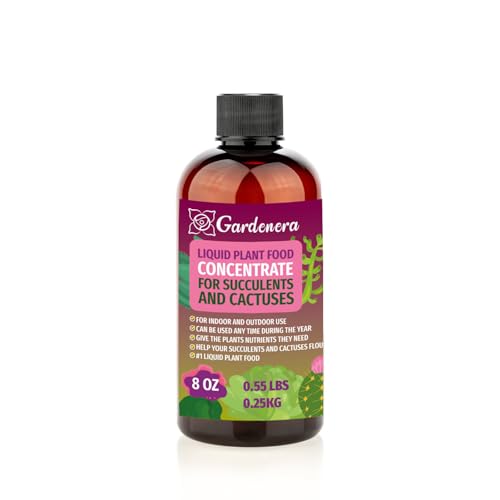
Gardenera Succulent & Cactus Superfood 8oz

Spike & Bloom Cactus Soil Mix 8 lb

NOHOBE Hard Akadama Bonsai Soil 2.5 lb

Generic Horticultural Pumice 14 Dry Quarts

Gardenera Liquid Succulent Fertilizer 3-1-2 8oz

Gardenera Succulent Spray Fertilizer Mist 8oz
Taking A Closer Look At The Options
Most generic cactus blends are too organic for lithops, the pebble-like “living stones” that sit in dormant cycles and need a lean, gritty medium. The Micro Landscape Design Lithops Soil Mix 3 lb is formulated for that exact plant, with a coarse particle size that lets the taproot breathe between waterings. The bag also ships with a bonus live mini lithops, which lowers the trial-and-entry cost for anyone curious about the genus but hesitant to commit to a full setup.
At roughly 2 quarts, the volume suits a small windowsill collection rather than a multi-pot repotting day. For someone building out a starter lithops tray, the included plant and tailored texture in one box removes the two biggest friction points at once.
The Value In It
- Tailored particle size keeps taproots dry during dormancy
- Includes a bonus live lithops to start your collection immediately
- Airier blend than most generic cactus mixes, reducing rot risk
- Small bag size fits a starter tray without waste
Worth Noting
- 2-quart volume runs out fast across more than a few pots
- Specialized toward lithops, not ideal for general succulents
Quick Facts
Whose Shelf It Belongs On
Collectors growing lithops or curious beginners starting a single windowsill tray.
Skip It When
You want one bag for a mixed succulent collection, in which case Spike & Bloom’s larger Cactus Soil Mix fits more pots for less per quart.
Horticultural charcoal isn’t a standalone soil, but it earns a spot in any cactus mix that sits in a decorative pot without drainage. The Dangkelili Horticultural Activated Charcoal 1QT comes in 6 to 12 millimeter granules that layer into the bottom of containers or blend through the substrate, pulling in impurities and helping excess water find its way out. Activated charcoal’s porosity also keeps the root zone from souring between waterings.
One quart is enough to amend several small pots or a few medium planters. This works best for hands-on plant owners who already mix their own soils and want a single bag to keep on the shelf for layering, not for someone looking for a ready-to-pour medium.
What Works In Its Favor
- 6 to 12mm granules drain well in undrained containers
- Porous structure helps reduce odor and souring in the root zone
- Bamboo-based source with strong adsorption activity
- One quart stretches across multiple small pots
Points To Keep In Mind
- Not a complete soil on its own, must be mixed with other components
- Charcoal dust can stain clothing and surfaces during handling
Feature Snapshot
Right Fit For
DIY mix builders who want a drainage and freshness layer for pots without holes.
A Better Fit Elsewhere
If you want a complete ready-to-pour medium, NOHOBE Hard Akadama Bonsai Soil handles that role as a one-bag substrate for cacti and bonsai.
Bonsai soil is a useful crossover for any cactus or succulent that resits dense, peat-based blends. The Spike & Bloom Bonsai Soil Mix 7 lb leans into a gritty, slightly acidic profile that resists compaction, a quiet killer of fine bonsai roots. The added mycorrhizal fungi, beneficial root-colonizing microbes that extend the plant’s reach for water and nutrients, give the tree a longer runway to establish after repotting.
At 7 pounds, this bag covers a mid-sized bonsai collection or several small cacti that share its drainage preferences. For someone whose shelf mixes juniper, ficus, and a few desert cacti, the same bag pulls double duty.
Where It Excels
- Mycorrhizal fungi help roots recover after repotting stress
- Gritty texture stays loose over years of watering cycles
- Slightly acidic pH suits ficus, juniper, and most cacti
- 7-pound bag covers a multi-tree collection
Some Limits To Know
- Coarser texture may dry out very small succulents faster than expected
- Higher cost per quart than peat-heavy alternatives
At A Glance
Best Suited To
Bonsai hobbyists who also keep drought-tolerant plants and want one gritty medium across both.
Not Your Match When
Your collection leans heavily into lithops or mesembs, in which case Micro Landscape Design’s Lithops Mix serves that specific taproot better.
Coffee compost in a cactus mix sounds unusual, yet used at the right percentage it nudges the pH down and adds gentle organic matter. The Spike & Bloom Succulent Soil Mix 4 Quarts uses that approach alongside mycorrhizal fungi, landing near pH 6.7, which sits in the slightly acidic range succulents tolerate best. The result is a gritty blend with enough structure to anchor taller echeveria and a touch of feed to support new growth after repotting.
For a small indoor shelf, 4 dry quarts is a comfortable starting volume that won’t sit in the bag long enough to go stale. It works especially well for plants that have struggled in dense, generic cactus soils from big-box stores.
The Good Stuff
- Coffee compost adds gentle organic content and a slight acid kick
- Mycorrhizal fungi support new root establishment
- 4-quart size suits a typical indoor succulent shelf
- pH around 6.7 fits most succulents’ preferred range
Honest Caveats
- Coffee compost can attract fungus gnats in very humid rooms
- Smaller bag means repurchasing sooner for large collections
Made For
Indoor succulent owners with a small to mid-size shelf who want a balanced, slightly acidic medium.
Consider Something Else When
You keep a humid greenhouse or terrarium setup, in which case the Generic Horticultural Pumice as a base amendment gives you tighter control over moisture.
A soil swap solves drainage but won’t fix a plant that’s been sitting in depleted media for two seasons. The Gardenera Succulent and Cactus Superfood 8oz steps in as a liquid vitamin blend, layering 18 vitamins and minerals plus micro-fungi and bio-organisms into your regular watering routine. Because it works across soil, semi-hydro, and even vivarium setups, it’s a single bottle for an entire mixed collection rather than one more product per plant.
The 8-ounce bottle dilutes down, so a small collection stretches it across months of routine feeding. Think of it as a complement to the Spike & Bloom Cactus Mix, not a replacement, since the soil still does the heavy lifting on drainage.
Standout Benefits
- 18 vitamins and minerals fill common gaps in lean cactus soils
- Works across soil, leca, and semi-hydro setups
- Bio-organisms support microbial activity in the root zone
- 8oz bottle dilutes for months of routine feedings
Worth Bearing In Mind
- Liquid feed adds cost on top of the soil itself
- Overfeeding cacti is easier than it sounds, follow dilution closely
Key Specs
Who Should Grab It
Plant owners with established collections whose soil has been in place long enough to lose nutritional charge.
Look Elsewhere When
You’d rather feed through a foliar mist, in which case Gardenera’s Succulent Spray Fertilizer Mist delivers similar nutrients through the leaves.
The 8-pound Spike & Bloom Cactus Soil Mix lands at a slightly acidic pH of 6.5, the sweet spot for most desert cacti that sulk in neutral or alkaline media. The grit profile drains fast, and the mycorrhizal fungi help new transplants push roots into fresh substrate without the slow establishment that often follows repotting.
At 4 dry quarts of soil in a single bag, this is the pick for a weekend of multi-pot repotting rather than a single transplant. Compared to the smaller 4-quart succulent mix above, the lower per-quart cost makes sense once your collection passes about a dozen pots.
Noteworthy Benefits
- pH around 6.5 matches what most desert cacti prefer
- Mycorrhizal fungi shorten the post-repot adjustment period
- 8-pound bag covers multi-pot repotting sessions
- Lower cost per quart than the smaller 4-quart sibling
Trade Offs
- Heavier bag is awkward to carry up apartment stairs
- Gritty texture settles and may need top-up after a few waterings
Built With In Mind
Cactus collectors with a dozen or more pots planning a full repotting day.
Reach For A Different Pick When
You’re working with very small lithops pots, where the larger particle size in Micro Landscape Design’s mix fits the taproot better.
Akadama is a Japanese clay-like mineral that bonsai growers have leaned on for decades, valued for its hard grain structure and steady water release. The NOHOBE Hard Akadama Bonsai Soil 2.5 lb comes in a small 1/8 to 1/4 inch grain, fine enough for shallow cactus pots but still gritty enough to keep the root zone from collapsing. A handy side effect: akadama darkens when wet, giving you a built-in watering cue.
This is a soil amendment more than a complete mix. Pair it with pumice or a pre-made cactus blend when you want to control drainage and water retention more precisely than off-the-shelf bags allow.
Good Reasons To Consider
- Hard akadama grain resists breaking down over years of watering
- Color shift when wet acts as a built-in moisture indicator
- Small grain size suits shallow cactus and succulent pots
- Mineral-only base, no organic matter to attract pests
Where It Is Less Suited
- Higher cost per pound than pumice or generic blends
- Not a complete medium, requires pairing with other components
Feature Card
Who It Suits Best
Custom blend crafters who want a mineral base with steady water release for bonsai or cacti.
Another Choice May Suit
If you want a one-bag ready-to-pour cactus medium, the Spike & Bloom Cactus Soil Mix handles that without extra blending work.
Pumice is the workhorse of cactus and succulent soil building, and the Generic Horticultural Pumice 14 Dry Quarts gives you a serious bag of it. At 3/8 by 1/4 inch, the particle size is large enough to keep air pockets open in deep pots yet still small enough to blend through a finer mix without floating to the top. The volcanic origin means it’s lightweight, porous, and never compacts the way organic matter does.
Fourteen dry quarts is a serious volume, more than most indoor gardeners will use in a season. It pays off for anyone mixing their own medium, running a small nursery, or repotting a yard of outdoor cacti in raised beds.
What It Does Well
- 14 dry quarts covers a full repotting season or small nursery batch
- Lightweight volcanic rock stays porous over years of use
- 3/8 to 1/4 inch size balances drainage and root grip
- Improves soil structure without breaking down into fines
Possible Compromises
- Bulk bag demands storage space and stays open to humidity
- Doesn’t supply nutrients, must pair with a feeding routine
Made For
High-volume mixers, small-scale growers, or anyone repotting outdoor cacti in raised beds.
Swap It Out When
You only have a handful of indoor pots, where the smaller Dangkelili charcoal bag fits a shelf better.
The 3-1-2 ratio on the Gardenera Liquid Succulent Fertilizer 8oz is worth pausing on. That blend tilts toward nitrogen relative to phosphorus and potassium, a deliberate match for the leaf-and-stem growth phase of indoor succulents that often sit in lean, fast-draining media. The bottle mixes into your regular watering can, so it slots into an existing routine without extra tools.
This is a routine-feed product rather than a rescue treatment. Used during the active growing months, it keeps cacti and succulents from yellowing or stretching toward the light between repottings.
Where It Helps
- 3-1-2 ratio tuned for vegetative succulent growth
- Liquid format mixes directly into a watering can
- 8oz bottle lasts across a typical indoor collection
- Organic source works with most cactus soil blends
Factors To Consider
- Needs to be applied on a schedule to see meaningful results
- Not balanced for bloom-heavy feeders like holiday cacti
Who It Suits Best
Plant owners who already follow a regular watering schedule and want a matched feed for vegetative growth.
Where A Sibling Pick Shines
For leaf-level feeding on small collections, Gardenera’s Spray Fertilizer Mist reaches the foliage without measuring into a can.
Foliar feeding, applying nutrients directly to the leaves where the plant can absorb them, skips the soil entirely, useful for compact succulent rosettes that you don’t want to drench. The Gardenera Succulent Spray Fertilizer Mist 8oz delivers the same 3-1-2 ratio as the liquid concentrate but in a gentle pump format. For someone with a row of small echeveria on a windowsill, a quick daily mist replaces the measuring cup and watering can.
This is also a low-commitment entry to fertilizing if you’ve been hesitant to mix concentrates. The bottle handles the math, and the gentle blend suits succulents that scorch under heavier feed.
Features That Help
- Foliar mist format reaches leaves without wetting the soil
- Same 3-1-2 ratio as the liquid concentrate option
- Gentle blend reduces risk of leaf burn on compact rosettes
- Spray bottle skips measuring cups and mixing
What To Weigh
- Misting adds humidity, can mark fuzzy-leaved succulents like some kalanchoe
- Smaller per-bottle coverage than the liquid concentrate
Perfect Match For
Owners of small succulent rosettes who want a quick, no-measure feed during the growing season.
A Better Fit Elsewhere
For larger cacti that don’t take well to leaf moisture, the Gardenera Liquid Succulent Fertilizer feeds through the soil instead.
What Matters Most When Choosing Cactus Soils
Cacti and succulents evolved in lean, rocky soils that shed water fast, so the right medium mirrors those conditions rather than a generic houseplant bag. Particle size matters more than brand name: chunks between roughly 1/8 and 3/8 inch keep air pockets open and stop the mix from collapsing into a dense mass that suffocates roots. Anything finer than coarse sand tends to migrate downward and clog drainage holes over time.
A slightly acidic pH in the 6.0 to 7.0 range suits most cacti, since they absorb iron and other micronutrients more easily below neutral. Mineral content is the third leg of the stool, and that’s where amendments like pumice, akadama, and horticultural charcoal earn their place. They don’t decompose the way peat does, so the soil structure stays open across multiple watering cycles rather than slowly compacting.
Beginners usually do best with a pre-blended cactus or bonsai mix, while experienced growers often prefer to start with a base amendment like pumice and dial in their own ratios. For any plant in a pot without a drainage hole, layering activated charcoal underneath the substrate helps absorb odors and slow the souring that moisture encourages.
Key Considerations Across These Picks
Pitfalls Shoppers Hit
The most common mistake is reaching for a “cactus and succulent” mix from a general garden brand and assuming the label tells the whole story. Many of those bags are mostly peat with a handful of perlite, fine for a jade plant but dense enough to rot a true desert cactus. The second trap is skipping the drainage hole because a decorative pot looks better, then wondering why the plant yellows three months later.
A third pitfall is treating amendments like pumice and akadama as interchangeable. They both improve drainage, but pumice holds less water and breaks down slower, while akadama offers a built-in moisture indicator and steadier release. Picking one because the bag is cheaper without matching it to your watering habits is how collections slowly decline.
Where The Extra Money Goes
Premium cactus soils earn their higher price through particle sizing and mineral sourcing. A coarser, more uniform grit profile costs more to produce than a fine, peat-heavy blend, and the result is a medium that stays open for years instead of collapsing within a season. Mycorrhizal fungi and organic composts add another layer, with the biological component raising the cost of production.
The upgrade pays off most for serious collections where plant replacement costs add up, and least for a single windowsill succulent that’s easy to repot. Spend up when the plant is rare, the pot is deep, or the climate stays humid. Save when the plant is a common haworthia and the pot has plenty of drainage.