Healthy root systems rarely announce themselves, yet they quietly shape everything above ground. Bone meals for plants sit in that hidden layer, feeding roots with phosphorus and calcium so blooms set deeper and bulbs push harder in spring. Picking the right amendment matters when your soil leans tired or your tomatoes stall midseason.
You want something your plants can actually use, not just a dusty bag that sits on the shed shelf. The picks below span organic bone meal classics, microbial inoculants, and a calcium-focused soil conditioner for clay-heavy beds.
The Leading Options At A Glance

Great White Mycorrhizal Fungi 3-in-1 Formula (32 oz)
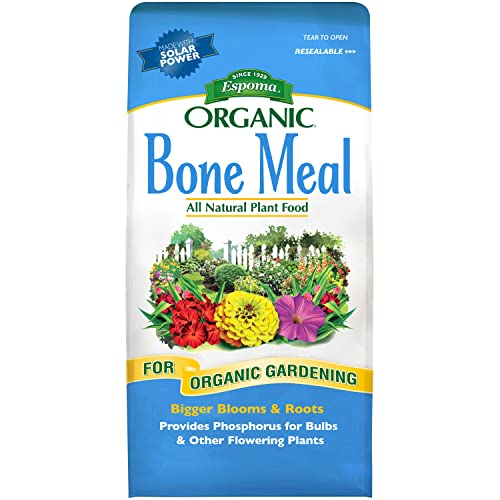
Espoma Organic Bone Meal 4-12-0 (8 lb. Bag)

Espoma Bio-Tone Starter Plus 4-3-3 (4 lb., Pack of 2)

Whitney Farms Organic Bone Meal 6-8-0 (3 lb.)

Earth Science Fast Acting Gypsum Granules (5 lb.)
What Each Pick Brings To The Table
Most amendments feed the soil, but this one recruits living allies to do the feeding for you. Great White concentrates mycorrhizal fungi (beneficial fungi that colonize root surfaces) and helpful bacteria into a powder that you dust onto roots or seeds. Where a traditional bone meal simply adds phosphorus, this formula builds the underground network that helps plants actually reach it.
For gardeners wrestling with transplant shock, the powder format shines. You can dip bare-root seedlings, sprinkle it into planting holes, or mix it into seed-start trays. It plays a different role than the Espoma bone meals below, so think of it as a complement to a phosphorus source rather than a replacement.
Key Advantages
- Concentrated blend of mycorrhizal fungi and bacteria that colonize the root zone quickly after planting.
- Powder format allows precise application on bare roots, seeds, and transplant holes.
- Works alongside traditional fertilizers to help roots absorb nutrients already in the soil.
- One 32 oz container covers many small projects, from seed trays to a handful of shrubs.
- Useful in poor soils where roots struggle to find phosphorus on their own.
Things To Consider
- It’s not a standalone fertilizer, so pairing it with a bone meal or starter mix gives the best results.
- Powder can clump if stored in humid sheds, so a sealed container helps preserve viability.
- Effects are gradual, not instant color or growth jumps visible within a week.
Feature Snapshot
Who It Suits Best
You tend a mix of transplants, seedlings, and young shrubs, and you want to give roots a biological head start without switching to a fully synthetic feeding routine.
Consider Something Else When
You mainly need phosphorus for fall bulb planting, where the Espoma Organic Bone Meal 4-12-0 delivers the targeted nutrient more directly.
Espoma’s 4-12-0 bone meal is the textbook organic phosphorus source, with the numbers reflecting nitrogen-phosphorus-potassium ratios (the percentages of each major nutrient). The “12” in the middle is the point: phosphorus drives root growth and bloom formation, exactly what fall bulbs need to store energy for next spring’s show.
The 8 lb bag covers a respectable stretch of garden bed, and Espoma formulates it without fillers or synthetic additives, which matters for organic gardeners keeping their soil clean. You work it into the soil at planting time, so it sits in the root zone where bulbs can slowly draw it down.
The Good Stuff
- Strong 4-12-0 nutrient profile centered on phosphorus for bloom and root development.
- Approved for organic gardening with no synthetic fillers or sludge-based ingredients.
- Slow-release feeding supports bulbs through fall establishment and into next year’s bloom cycle.
- Works for both spring and fall-planted bulbs as well as flowering perennials.
Worth Noting
- Slow-release nature means you won’t see lush top-growth right away, patience through the season matters.
- Bone meal breaks down slowly in cold or very dry soils, so thorough watering at planting helps.
- Attracts some curious pets and wildlife, so working it well into the soil reduces surface interest.
Made For
You plant tulips, daffodils, and other bulbs in fall, or you run an organic flower bed that needs a steady phosphorus anchor each season.
A Better Fit Elsewhere
You want one product for both feeding and root-zone microbial support, where Espoma Bio-Tone Starter Plus covers more ground for new plantings.
Bio-Tone Starter Plus bridges two jobs in one bag. The 4-3-3 analysis gives a balanced starter feed while both endo and ecto mycorrhizae (two types of root-colonizing fungi suited to different plant families) settle into the root zone. Unlike the pure bone meal above, this blend tackles transplant day with nutrients and biology working together.
The pack-of-two format stretches value for gardeners starting multiple beds or a row of new shrubs. You mix it directly into the backfill soil so it sits where new roots can find it, and you don’t need any extra mixing or brewing steps.
The Case For It
- Balanced 4-3-3 NPK plus 5% calcium supports both root growth and early leaf development.
- Includes both endo and ecto mycorrhizae, covering more plant types than single-strain inoculants.
- Ready to use straight from the bag, no brewing or pre-mixing required.
- Free of sludges and toxic ingredients, fitting organic garden standards.
- Pack of two bags covers larger planting projects without mid-project restocking.
Points To Note
- Lower phosphorus than the Espoma 4-12-0 bone meal, so heavy bulb feeders may need a phosphorus boost.
- Best used at planting only, not as a season-long maintenance feed for established beds.
Feature Snapshot
Right Fit For
You’re establishing a new bed, hedging, or planting a run of young shrubs and want one product to feed and biologically prime the soil at once.
Look Elsewhere When
You mainly need high-phosphorus feeding for fall bulbs, where the Espoma Organic Bone Meal 4-12-0 leads with stronger P numbers.
Whitney Farms leans gentler than the 4-12-0 Espoma. The 6-8-0 split means more nitrogen alongside phosphorus, so this works for flowering plants that want a touch of green growth along with bud set. Roses, shrubs, and vegetable starts tend to like that balance.
The 3 lb bag is a manageable size for small gardens or a few rose bushes, and the organic formulation keeps things clean for edible beds and pollinator borders.
What Helps Most
- Balanced 6-8-0 ratio supports both foliage and flower development in one application.
- Organic formulation fits vegetable plots, herb beds, and pollinator-friendly plantings.
- Compact 3 lb bag suits smaller gardens where an 8 lb sack would go stale before you finish it.
Small Caveats
- Smaller bag means more frequent repurchasing for gardeners with larger properties.
- Lower phosphorus than the 4-12-0 Espoma, so dedicated bulb beds may need a stronger source.
Best Suited To
You grow roses, flowering shrubs, or a modest vegetable garden and want an organic amendment that handles both foliage and bloom.
Swap It Out When
You’re feeding a large bulb display or a wide perennial border, where Whitney Farms Organic Bone Meal’s bigger Espoma sibling covers more ground per bag.
Gypsum isn’t a bone meal, but it belongs in this conversation because it delivers calcium, loosens compacted clay, and helps repair salt-damaged soil. Earth Science’s fast-acting granules start working quickly, which is a real edge when you’re trying to rescue a struggling lawn or break up heavy native soil.
The Nutri-Bond runoff reduction technology aims to keep the calcium where you spread it rather than washing away. For gardeners dealing with clay patches or salty irrigation water, that staying power matters more than a quick NPK boost.
Positive Points
- Loosens compacted clay and improves water penetration in heavy native soils.
- Supplies calcium without raising soil pH, unlike lime-based amendments.
- Helps rehabilitate salt-affected beds where other amendments struggle to stay in place.
- Granule form spreads evenly with a standard lawn spreader or by hand.
Honest Caveats
- It’s a soil conditioner, not a fertilizer, so it won’t replace the phosphorus your bulbs and blooms need.
- Works best applied across a season or two rather than as a one-time rescue treatment.
- Less useful in already loose, sandy soils where structure isn’t the issue.
Feature Snapshot
Who Should Grab It
You wrestle with clay-heavy soil, salt-damaged beds, or compacted lawns and want to improve structure alongside feeding.
Reach For A Different Pick When
Your soil is already loose and your main goal is feeding bulbs or transplants, where the Espoma Organic Bone Meal 4-12-0 or Bio-Tone Starter Plus delivers nutrients directly.
Picking The Right Amendment For Your Beds
Start with the soil itself, not the bag. A quick texture check tells you whether you battle clay that sheds water or sandy loam that drains too fast. Heavier soils often pair well with gypsum to open structure before any phosphorus source goes in. Looser ground lets bone meal work without help.
Match the nutrient ratio to the plant. Bulbs and root crops lean heavily on phosphorus, so a 4-12-0 formula delivers where it counts. Flowering shrubs and roses prefer a gentler split like 6-8-0, where foliage and bloom both get fed. Vegetable starts and new transplants usually want the balanced 4-3-3 starter plus biological support.
Think about when you apply. Fall planting rewards slow-release bone meal that sits in cool soil all winter. Spring transplants benefit from a starter blend with mycorrhizae to ease establishment. Summer rescue work in salty or compacted beds calls for gypsum before you add any feed.
Size the bag to your project. A small rose garden doesn’t need an 8 lb sack that sits in the shed absorbing moisture. Larger perennial borders, on the other hand, finish an 8 lb bag in a season or two, and buying smaller repeatedly costs more in the long run.
Things Worth Knowing Before You Buy
Common Shopping Slip Ups
Phosphorus only works when soil pH sits in a friendly range, so adding bone meal to highly alkaline ground wastes the investment. A simple pH test before you spread saves money and effort. Many gardeners also over-apply, thinking more means faster results, when bone meal actually feeds slowly by design.
Surface sprinkling is another trap. Bone meal needs contact with soil microbes to break down, so a light dusting on top of mulch barely feeds anything. Working it into the root zone at planting time gets the nutrients where roots can find them.
Where The Extra Money Goes
Premium organic blends cost more because they skip fillers and add biological inoculants. For gardeners building new beds from depleted soil, that extra biology shortens the establishment window and pays back over multiple seasons. For a single bulb bed in already healthy ground, a basic bone meal does the same job at a lower cost.
Frequently Asked Questions
How often should bone meal be applied? Most bone meals feed slowly, so one application at planting or early spring covers a full growing season for bulbs and flowering perennials.
Can bone meal burn plant roots? Bone meal releases nutrients gradually and rarely burns roots, though piling it directly against stems or crowns can cause localized issues.
Is bone meal safe for dogs and cats? The meal itself is organic, but its strong scent attracts curious pets that may dig in treated beds, so working it well into the soil helps.
Do mycorrhizae replace fertilizer? Mycorrhizae improve nutrient uptake but don’t replace phosphorus or nitrogen sources, so pairing them with a feed gives the best results.
When does gypsum actually help? Gypsum loosens clay and repairs salt damage, but sandy or already-loose soils see little benefit from it.