Heirloom tomatoes feel less like groceries and more like a small hobby, and starting from seed gives you the kind of flavor and color you simply can’t get from a supermarket carton. If you’ve been hunting for heirloom tomato plants, the four picks below cover most of the realistic paths: a complete indoor starter kit, a specialty artisan cherry blend, a compact variety for tight spaces, and a wide vegetable mix that includes a beefsteak heirloom. Each option below trades something for something, and the right one depends on how much space, sunlight, and patience you actually have.
The Picks In Brief
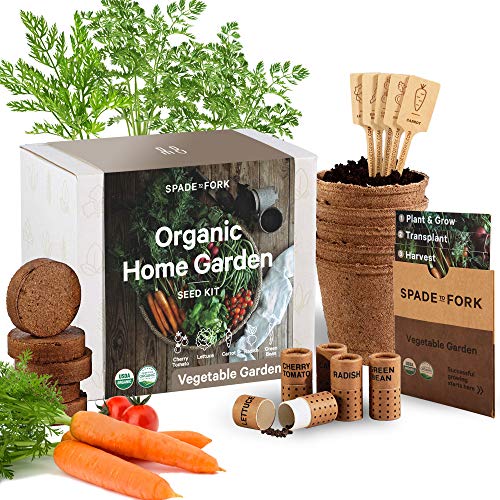
Spade To Fork Organic Indoor Vegetable Garden Starter Kit

Park Seed Cherry Tomato Seeds Bumble Bee Mix
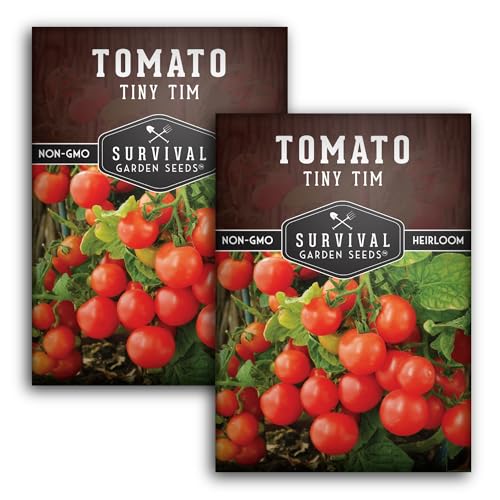
Tiny Tim Tomato Seeds by Survival Garden Seeds

Sow Right Seeds Classic Vegetable Garden Seed Collection
A Closer Look At Each Pick
Starting an indoor garden often stalls at the supply list, and the Spade To Fork kit quietly solves that problem by bundling the basics into one box. You get five seed types, including a cherry tomato along with lettuce, carrot, radish, and bush bean, plus compostable pots and compressed soil discs that expand with water.
Because everything is labeled organic and the kit arrives ready to plant, this is the friendliest entry point for someone who has never started a seed before. Apartment dwellers with a sunny window or renters who want a small countertop project will appreciate that nothing extra needs to be bought. For households that already have seed trays and grow lights, the kit format may feel redundant.
Strengths Worth Knowing
- Compostable pots and soil discs arrive pre-measured, removing the usual hunt for separate seed-starting supplies.
- Five seed varieties let beginners compare how different vegetables germinate and grow under the same conditions.
- The compact footprint fits on a kitchen counter, a bookshelf, or a small windowsill without dominating the room.
- Including a cherry tomato alongside quicker crops like radish means you see harvestable results within a reasonable window.
Things To Consider
- The compressed soil discs produce limited root volume, so seedlings usually need to be transplanted into larger pots once they outgrow the starter pots.
- Cherry tomato seedlings stretch quickly without strong light, so a windowsill in a dim apartment may produce leggy plants.
Who It Suits Best
Beginners in apartments or short-season climates who want heirloom-style cherry tomatoes without assembling a full seed-starting setup from scratch.
Look Elsewhere When
If your main goal is a striped, showy cherry tomato harvest, the Park Seed Bumble Bee Mix offers more variety per packet than this starter kit’s single cherry tomato line.
The Bumble Bee Mix trades the single-variety approach for visual drama. Packets include Pink, Purple, and Sunrise Bumble Bee selections, and each one carries the marbled striping that has made this style a favorite at farmers markets.
Where the Spade To Fork kit focuses on convenience, this Park Seed option focuses on what actually ends up on the plate. The fruit stays in the cherry size range, and the flavor leans sweet-tangy, which makes the harvest versatile enough for snacking, salads, or a colorful garnish tray. Gardeners with established beds, decent sun, and a willingness to stake indeterminate (climbing, rather than bush-shaped) cherry varieties will get the most out of these seeds. In cooler coastal zones, germination can lag, so starting indoors may be worth it.
What Pays Off
- Three distinct colorways in one pack create a visually striking harvest that holds its own next to standard reds.
- Cherry-sized fruit ripens steadily through the season, giving you a steady trickle rather than a single overwhelming flush.
- Flavor profile leans toward a balanced sweet-tangy mix that works in both fresh salads and cooked applications.
Points To Note
- Bumble Bee types are typically indeterminate, meaning they need taller stakes or a sturdy cage to stay manageable.
- Striped coloration can be subtle in low-light conditions, so shaded gardens may see duller fruit.
Made For
Flavor-driven gardeners with a sunny in-ground bed or large container who want standout heirloom cherry tomatoes for the table.
Skip It When
For a true dwarf cherry on a small balcony, the Tiny Tim seeds from Survival Garden Seeds are a more natural fit than a tall, staking-required variety like this one.
Tiny Tim earns its place by staying compact where other heirloom tomato plants sprawl. The plant habit is dwarf, which means it produces cherry-sized fruit on a small bush rather than a long vine, and that single trait changes how and where you can grow it.
A windowsill, a narrow balcony, or a single patio container is plenty of room, and the seed pack of two gives you backup for succession planting. The trade-off is yield per plant, which is modest compared with an indeterminate variety, but for someone with no yard at all, that constraint is fine. In our view, this is also a useful option for gardeners in short-season climates who want fruit without a long wait.
The Upside
- Dwarf growth habit removes the need for tall stakes and makes the plant realistic for a six-inch pot.
- Two seed packets in one purchase support succession planting or a backup round in case of germination issues.
- Cherry-sized fruit arrives relatively quickly, helpful for short or cool growing seasons.
Where It May Fall Short
- Per-plant yield is lower than a tall, vining cherry variety, so you need more plants for the same harvest weight.
- Container-grown plants dry out faster, so midsummer watering may need to be daily in hot zones.
The Right Fit
Apartment and balcony gardeners without garden bed access who still want homegrown cherry tomatoes from heirloom-style seed.
Where A Sibling Pick Shines
If you have a real bed and want a striped, multi-color harvest instead of one dwarf plant, the Park Seed Bumble Bee Mix offers a more rewarding, larger-scale option.
The Sow Right collection takes a different angle: instead of cherry tomatoes alone, you get ten large seed packets spanning classics like Beefsteak Tomato, Waltham Broccoli, and California Wonder Pepper. The Beefsteak is the heirloom-style anchor of the bundle, and for many gardeners it functions as the summer centerpiece.
Compared with the Park Seed mix, this collection trades specialty drama for breadth. You give up the striped Bumble Bee look, and you gain a starting lineup for a full kitchen garden in one purchase. Households planning multiple beds, square-foot layouts, or a community garden plot will appreciate the scale and the simple, classic varieties. If you specifically wanted only cherry tomatoes, the breadth here may feel like overkill.
Benefits That Matter
- Ten varieties in one purchase let you fill a small plot without separate shopping trips.
- Beefsteak Tomato gives you the slicing heirloom that anchors sandwiches and burgers.
- Classic variety names tend to be forgiving for first-time gardeners and well-documented in most growing guides.
Worth Bearing In Mind
- Without a striped or specialty cherry tomato, the collection skips the visual variety that mixes like Park Seed’s offer.
- Ten packets are only useful if you actually have the bed space for all ten crops.
Best Suited To
Family households or new gardeners starting a full summer vegetable bed who want a reliable, classic lineup including a beefsteak heirloom tomato.
Reach For A Different Pick When
If your space is limited to one or two containers, the Tiny Tim seeds from Survival Garden Seeds will serve you better than a broad ten-variety collection.
Choosing Seeds That Match Your Garden
Reading What A Seed Packet Actually Tells You
A seed packet is short on space but dense in useful detail. The days-to-maturity number estimates how long from sowing until you should expect ripe fruit, and for heirloom tomatoes that figure commonly sits between 55 and 90 days. Longer numbers push the harvest later in the season, which matters in northern climates where the first frost cuts things short. Smaller numbers help you gamble on late plantings or squeeze in a second round.
The other big clue is the growth habit, and you’ll see two main types. Determinate tomatoes (also called bush types) grow to a set size and ripen their crop in a short, concentrated window. Indeterminate tomatoes keep stretching and producing until cold or disease stops them. For a patio pot, determinate is usually the calmer choice. For a long, steady harvest from a staked bed, indeterminate rewards the extra effort. Tiny Tim, for example, is a determinate dwarf, while many of the showy striped cherries are indeterminate climbers.
Matching Seed Choice To Your Real Conditions
Sunlight is the first honest filter. Most tomato seeds, including all four picks above, want at least six to eight hours of direct sun, and a south-facing window or unshaded patio is the realistic minimum. Containers dry out faster than in-ground beds, so a balcony gardener using Tiny Tim in a six-inch pot may water daily in July, while someone with a deep raised bed waters less often.
Space is the second filter. A ten-variety collection only pays off if you can plant most of it, and a striped indeterminate cherry only pays off if you’re willing to stake it eight feet tall. Beginners often do best by starting with a determinate dwarf or a small specialty mix, then expanding once they’ve seen one full season play out. If your climate is short or cool, prioritize shorter days-to-maturity numbers; if your season is long and hot, longer-maturing heirlooms have time to develop their full flavor.
Caring For Seedlings Once They Sprout
Tomato seedlings stretch toward light, and stretched seedlings are weaker plants. A sunny windowsill is fine for the first week or two, but a basic LED shop light (a standard affordable grow lamp, often a tube-style fluorescent or LED strip) on a timer for fourteen to sixteen hours a day keeps seedlings stocky. Transplant seedlings into a larger pot once you see roots poking out of the bottom of the starter container, which usually happens before the plant is ready for the garden.
Hardening off, the slow process of moving seedlings outdoors for increasing hours over a week, prevents transplant shock. Skip that step and a sunny afternoon can scorch tender indoor leaves in a single hour. After transplant, mulch around the base keeps moisture steady, and consistent watering reduces the risk of split fruit on ripening tomatoes.
Things Worth Knowing Before You Buy
Wrong Turns To Avoid
Tomato seeds can be treated like a one-size-fits-all buy, but the gap between a dwarf patio type and a vining heirloom is huge. Picking a Bumble Bee mix when you only have a six-inch container means you either stunt the plant or fight a tangle of vine all summer. Picking a single Tiny Tim packet when you wanted to feed a family of four means a meager harvest from overworked plants. Match the seed to the space, not the other way around.
Starting too early is another common slip. Tomatoes sown twelve weeks before your last frost date usually look tired and leggy by transplant time, not advanced. Six to eight weeks before frost is plenty for almost every home garden variety.
What The Higher Tier Buys
In the seed world, paying more usually buys three things: fresher seed lots with stronger germination, more specialized varieties with stronger flavor or color, and packaging that actually keeps seeds viable across multiple seasons. The four picks above split those benefits differently. A small artisan packet like the Bumble Bee mix costs more per seed but delivers a flavor and color profile that a generic beefsteak won’t match. A ten-variety collection costs more up front but spreads that cost across a full kitchen garden.
For someone growing in a single container, the premium tier rarely pays back. For someone planning a real bed and storing seeds for next year, fresher lots and resealable packets earn their keep quickly.
Frequently Asked Questions
How long do heirloom tomato seeds stay viable?
Stored in a cool, dry spot in their original packet, most tomato seeds hold viability for roughly three to five seasons, though germination rates drop with each year.
Can I grow heirloom tomatoes in containers?
Yes, and dwarf or determinate types like Tiny Tim are the easiest fit. A five-gallon pot with drainage and a sunny spot gives most varieties enough room to produce a real harvest.
Are heirloom tomatoes harder to grow than hybrids?
They are not harder in the basic sense, but heirlooms can be less uniform and more sensitive to weather extremes than modern hybrids, so consistent watering and staking matter more.
Do I need to start tomato seeds indoors?
In short-season climates, starting seeds indoors six to eight weeks before the last frost gives plants a head start. In long, warm seasons, direct sowing after frost works for many varieties.
What does “days to maturity” actually mean?
It is the typical number of days from transplanting outdoors until the first ripe fruit, and it gives you a reasonable estimate for planning your sowing schedule.