Healthy soil is the difference between a garden that limps along and one that genuinely thrives. If you’ve been hunting for a smarter way to feed tomatoes, bulbs, and ornamentals without leaning on synthetic mixes, a targeted soil amendment makes a noticeable difference. The picks below cover bone meals, mycorrhizal inoculants, worm castings, and gypsum, each tackling a different pain point in the organic garden.
The Shortlist At A Glance

Plant Success Great White Mycorrhizal Fungi 3-in-1 Formula (32 oz)
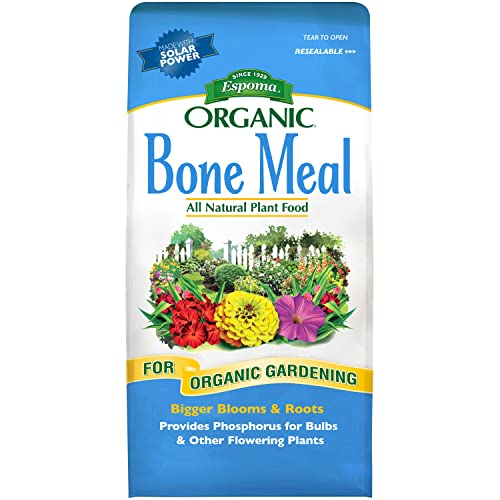
Espoma Organic Bone Meal Fertilizer 4-12-0, 8 lb. Bag

Brut Worm Farms Organic Worm Castings, 30 lb

Whitney Farms Organic Bone Meal 6-8-0, 3 lb.

Earth Science Fast Acting Gypsum Granules, 5 lb
Why These Options Stand Out
Most fertilizers feed the plant directly. Plant Success Great White takes the long way around, building a living network below the soil that does the work for you. The formula blends mycorrhizal fungi (beneficial fungi that colonize plant roots and dramatically expand their reach) with helpful bacteria, so seedlings establish faster and transplants settle in with less sulking.
For a fresh vegetable bed, a row of fruit trees, or a flat of seedlings under lights, this 32 oz container covers a lot of ground. The powder dusts onto roots at planting time, so the application feels less like measuring fertilizer and more like seasoning the soil.
Why It Works Well
- The mycorrhizal blend expands root reach, helping plants pull water and nutrients from a wider zone of soil.
- Useful for everything from vegetable starts to mature ornamentals, so one container handles mixed beds.
- A small dusting at transplanting time is usually enough, making the 32 oz size last across multiple seasons.
- Beneficial bacteria support the soil food web, which matters for long-term bed health rather than a quick green-up.
Things To Consider
- Results show up gradually over a season rather than as an instant leaf-flush, so patience is part of the deal.
- The powder is fine and dusty, so mixing outdoors avoids inhaling the particles during heavy application days.
Feature Snapshot
Best Suited To
Garden rebuilders starting new beds, planting fruit trees, or moving seedlings into the ground who want a living-soil foundation.
Skip It When
You need a quick phosphorus push for blooming bulbs, in which case Espoma Organic Bone Meal Fertilizer 4-12-0 is a more direct fit.
If you’ve ever planted a hopeful row of tulips only to watch the foliage limp through spring without a single bloom, the soil was probably short on phosphorus. Espoma Organic Bone Meal Fertilizer 4-12-0 is built for exactly that moment. The N-P-K ratio (a shorthand for nitrogen, phosphorus, and potassium content) tilts heavily toward phosphorus, which is the nutrient bulbs and flowering plants crave most during root and bud development.
Mix it into the soil at planting time and the 8 lb. bag covers a meaningful stretch of bed. Because bone meal releases slowly, a single fall application feeds bulbs through their long winter dormancy and into the spring push.
Everyday Wins
- The 4-12-0 ratio delivers phosphorus without a nitrogen spike that would push leafy growth over blooms.
- Slow nutrient release means one application at planting carries bulbs through a full growing cycle.
- Works for spring-planted and fall-planted bulbs, plus most annuals and perennials in the same bed.
- Approved for organic gardening, so it fits mixed food-and-flower plots without certification concerns.
Honest Caveats
- Bone meal works best when soil pH is already in a slightly acidic to neutral range; very alkaline soil can lock phosphorus away from roots.
- The fine, dusty texture means storing the open bag in a dry bin keeps it from clumping between uses.
- Pets and wildlife sometimes dig where bone meal is freshly applied, so watering it in cuts down on curious visitors.
Made For
Bulb planters, perennial bed restorers, and organic gardeners who want a slow, reliable phosphorus source rather than a synthetic boost.
Consider Something Else When
Your soil is heavy clay and compacted, where Earth Science Fast Acting Gypsum Granules does the underlying loosening work first.
Worm castings are the polite name for worm-processed organic matter, and they punch well above their weight in a vegetable garden. Brut Worm Farms Organic Worm Castings arrive in a generous 30 lb. box, which matters for anyone with raised beds, a small food plot, or a long row of heavy feeders like tomatoes and squash.
Work a few handfuls into the top few inches of soil at planting, top-dress around established plants midseason, or blend into potting mix for container gardens. The castings improve soil texture while feeding beneficial microbes, so the soil structure itself gets better over time.
Standout Benefits
- The 30 lb. size handles multiple beds, large containers, or a full season of top-dressing without reordering.
- Won’t burn tender roots the way stronger synthetic feeds can, making it forgiving for beginner soil-builders.
- Improves water retention in sandy soil and lightens dense soil, so it pulls double duty in mixed plots.
- Feeds soil life, not just plants, which builds resilience across seasons rather than offering a one-shot boost.
Points To Keep In Mind
- The 30 lb. box is bulky for apartment gardeners with only a few containers, so storage space matters.
- Castings release nutrients slowly, so hungry crops may still want a complementary feed during peak fruiting.
- The earthy smell fades once worked into soil but is noticeable during the initial mixing step.
Feature Rundown
Whose Shelf It Belongs On
Vegetable gardeners running raised beds, container growers feeding heavy feeders, and anyone rebuilding tired soil organically.
Look Elsewhere When
You need a precise phosphorus correction for flowering shrubs, where Whitney Farms Organic Bone Meal 6-8-0 delivers a more targeted nutrient dose.
Whitney Farms Organic Bone Meal 6-8-0 lands in the sweet spot for a small flower bed, a couple of rose bushes, or a tidy vegetable plot. The 6-8-0 ratio carries more nitrogen than Espoma’s 4-12-0 blend, which suits mixed plantings where leafy growth matters as much as flowering. The 3 lb. size is also easy to handle and store, no awkward 25-pound sack in the garage.
The product doubles as a soil amendment and a targeted phosphorus source, useful when native soil tests low and you want to correct a deficiency without overhauling the entire bed. Roses, flowering shrubs, and bulbs respond well to the slower nutrient release.
Positive Takeaways
- The 3 lb. bag is manageable for small gardens and easy to pour without a scoop-and-spill mess.
- The 6-8-0 ratio supports both foliage and flower production, suiting mixed ornamental beds.
- Organic formulation fits gardens where synthetic fertilizers are off the table.
- The fine texture mixes smoothly into potting soil for container plantings on porches and patios.
Less Ideal Details
- The 3 lb. size won’t cover a large vegetable garden without reordering midseason.
- Smaller bags sometimes carry a higher unit cost than bulk bone meal options, so large-plot gardeners pay more per pound.
Who It Suits Best
Small-plot gardeners tending roses, flowering shrubs, or a handful of bulbs who want a manageable bag and an organic label.
Another Choice May Suit
You manage a larger bed or a long row of bulbs, where Espoma Organic Bone Meal Fertilizer 4-12-0 in the 8 lb. bag runs longer.
Sometimes the soil itself is the problem, not the fertilizer program. Earth Science Fast Acting Gypsum Granules target the compacted, water-resistant clay that resists every amendment you throw at it. The granules work by displacing sodium in the soil structure (replacing sodium particles that bind clay tightly) and helping clay particles clump into a more workable texture.
The Nutri-Bond technology reduces runoff, so more of what you apply stays in the root zone rather than washing off after the first rain. For coastal gardens or spots where de-icing salt has built up over winters, the gypsum also helps repair salt-damaged patches over time.
Useful Touches
- The granular form spreads cleanly with a standard lawn spreader or by hand, no dust cloud during application.
- Calcium input supports root development and cell wall strength, especially in fruiting vegetables.
- Reduces runoff, which matters on slopes or in heavy-rain regions where amendments wash away easily.
- Repairs salt-affected soil, useful near driveways, sidewalks, or coastal properties.
Trade-Offs
- Gypsum improves structure but isn’t a fertilizer on its own, so pairing it with bone meal or castings makes sense.
- The 5 lb. bag covers a modest area, so larger yards or acreage need multiple bags or a bulk source.
- Clay soils need repeat applications over seasons, not a single treatment, before the texture change becomes obvious.
Quick Facts
Right Fit For
Gardeners wrestling with heavy clay soil, salt-damaged lawn edges, or compacted beds where water pools instead of soaking in.
Where A Sibling Pick Shines
Your main need is a nutrient feed rather than a soil texture fix, where Brut Worm Farms Organic Worm Castings feeds plants and soil together.
Picking The Right Soil Amendment For Your Garden
Choosing among soil amendments feels less overwhelming once the goal is clear. A bone meal is a nutrient delivery system, while gypsum is a soil repair tool, and worm castings sit somewhere between the two. The honest read is that most healthy gardens benefit from a layered approach rather than a single product.
Match The Amendment To The Problem
Phosphorus-hungry bulbs, flowering shrubs, and root vegetables respond fastest to bone meal. Earth Science gypsum earns its place when soil structure is the bottleneck, especially in clay-heavy yards where water sits on the surface. Worm castings shine in active food gardens where soil life matters as much as nutrient content.
Read The N-P-K Ratio Before You Buy
The three numbers on a fertilizer bag tell you the percentage of nitrogen, phosphorus, and potassium by weight. A 4-12-0 ratio like Espoma’s leans heavily into phosphorus for blooms, while a 6-8-0 like Whitney Farms’ splits the difference between foliage and flowers. Match the ratio to what your plants actually need.
Consider How The Product Is Applied
Powders like Plant Success Great White dust onto roots at planting, while gypsum granules spread across the surface and water in. Worm castings mix into soil or top-dress midseason. Pick a format that fits how you actually garden, not the one with the slickest marketing.
Think Long-Term Soil Health
Quick fixes have their place, but building organic matter and microbial life pays off across seasons. Amendments that feed soil life, like castings and mycorrhizal inoculants, often outperform synthetic feeds once the second or third growing season rolls around.
Common Slip Ups And Smart Upgrades
Pitfalls Shoppers Hit
Treating all soil amendments as interchangeable is the most common mistake. Bone meal, gypsum, worm castings, and mycorrhizal inoculants solve different problems, and stacking them without a plan wastes product. A simple soil test clarifies what the bed actually lacks, which makes every amendment that follows more purposeful.
Over-application is the second trap, especially with bone meal. Excess phosphorus can lock out other nutrients and disrupt the soil balance, so more is not better. Following the package rate and reapplying only when growth slows keeps the garden on track.
Where The Extra Money Goes
Premium organic bone meal and worm castings cost more than synthetic alternatives, and the price reflects sourcing and processing standards. Organic certifications and indoor-raised worm production both add cost, but the result is a cleaner product that fits organic garden plans. Mycorrhizal inoculants sit at the higher end because cultivating viable fungal spores is a specialized process.
The upgrade is worth it for gardeners committed to organic methods, those growing food crops, and anyone building long-term soil health. For casual flower beds, a standard bone meal at a lower tier often performs just as well.
Frequently Asked Questions
What Is Blood Meal And How Does It Differ From Bone Meal?
Blood meal is a high-nitrogen amendment made from dried animal blood, used to push leafy green growth. Bone meal delivers phosphorus and calcium instead, supporting roots, blooms, and fruit. They serve different purposes in the garden, so choosing between them depends on whether the bed needs green growth or flowering power.
Can I Use Bone Meal On Vegetables Or Only Flowers?
Bone meal works well on flowering vegetables like tomatoes, peppers, and squash, where phosphorus supports fruit set. It’s also useful for root crops and bulbs. Leafy greens benefit less because they prioritize nitrogen over phosphorus.
How Often Should I Reapply Soil Amendments?
Most bone meal applications last a full growing season, while worm castings can be reapplied every few months during active growth. Gypsum often needs repeat treatments across two or three seasons before clay soils show real improvement. A soil test every year or two tells you when reapplication actually matters.
Do Worm Castings Have A Strong Smell?
Fresh worm castings have a mild earthy scent similar to rich forest soil, not an unpleasant odor. The smell fades quickly once the castings are mixed into soil or top-dressed around plants. Storage in a sealed container keeps the aroma contained between uses.
Is Gypsum Safe For Pets And Children Walking On The Lawn?
Granular gypsum is generally safe once watered into the soil, and the calcium content isn’t toxic to pets or people. Keeping pets off the lawn briefly during application and watering the granules in cuts down on the chance of curious paws tracking powder indoors.