Tomatoes splitting at the bottom, peppers with blossom-end rot, and lettuce that just refuses to form a head all share a common culprit: calcium that never makes it to the fruit. Organic calcium fertilizers fix that differently than synthetic soil drenches, releasing calcium slowly while feeding the biology that helps roots actually take it up. Gardeners dealing with acidic soil, container beds, or heavy feeding schedules all need a slightly different approach, which is why the lineup below covers granular meals, liquid boosters, foliar kelp powders, and two-part hydroponic blends. Each pick is chosen for a specific growing situation rather than a one-size-fits-all claim.
A Closer Look At The Lineup

Neptune’s Harvest Organic Crab & Lobster Shell Plant Food 5-3-0 12 LB

Smart Grower Sea-Kelp Fertilizer Organic 2oz Makes 50 Gallons
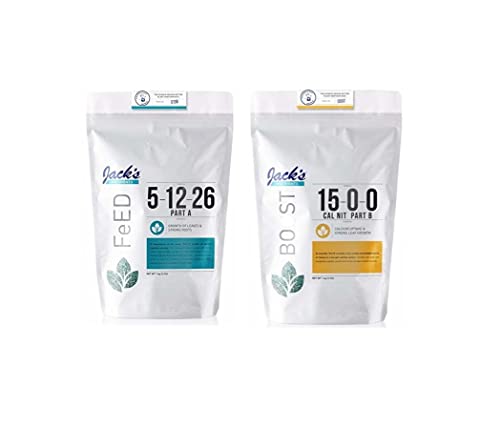
Jack’s Nutrients Part A 2.2lb & Cal Nit Part B 2.2lb Bundle
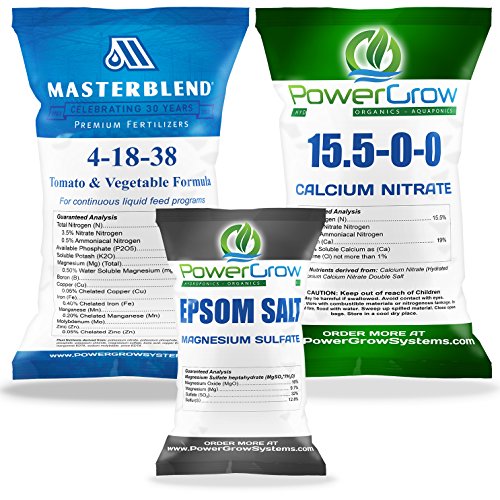
MasterBlend 4-18-38 Complete Combo Kit Fertilizer 2.5 lb

Down To Earth Organic Bone Meal Fertilizer 3-15-0 5 lb

Great Big Tomatoes Fertilizer Booster for Vegetable Gardens 1 Gallon
The Picks, Examined More Closely
Crab and lobster shell meal is one of the oldest calcium sources in the organic gardener’s toolkit, and Neptune’s Harvest uses it in a coarse, slow-release form that breaks down alongside soil biology. The 5-3-0 NPK ratio (a fertilizer label that lists the percentage of nitrogen, phosphorus, and potassium by weight) tells you this is mostly a nitrogen-and-calcium play with a touch of phosphorus for roots. Spread over a vegetable bed in early spring or scratched into a lawn, the shells feed microbes while steadily supplying calcium, magnesium, and trace nitrogen over weeks.
The 12-pound resealable bag covers serious ground, which suits anyone tending more than a few tomato plants. Gardeners with established lawns and large kitchen gardens get the most mileage, since the slow breakdown rewards patience over instant punch.
Strengths Worth Knowing
- Slow calcium release feeds soil life rather than forcing uptake, which matters in heavy clay or sandy beds where soluble calcium leaches fast.
- The 12-pound size is enough to top-dress (scatter on the soil surface) a full vegetable plot or several rose beds without constant reordering.
- Multi-purpose profile works on lawns, bulbs, indoor containers, and fruiting crops from the same bag, simplifying the shed shelf.
- Shell-based calcium also supplies chitin, a compound that supports beneficial microbial populations in the root zone.
Things To Consider
- Granules are slow, so a plant already showing blossom-end rot won’t bounce back the way it would with a foliar (leaf-sprayed) feed.
- The light, dusty texture means it scatters easily in windy spreader applications.
Made For
Backyard gardeners managing raised beds, lawns, and mixed vegetables who want one bag to handle spring soil prep across the whole property.
Skip It When
You run a hydroponic setup, where the MasterBlend combo kit’s soluble nutrients are a better fit for recirculating systems.
Smart Grower’s 2-ounce pouch is a different approach to calcium. The Ascophyllum nodosum seaweed is harvested from cold Maine waters, then dried into a fine powder that rehydrates into 50 Gallons of finished feed. The 0-0-18 NPK tells you there is zero nitrogen or phosphorus, only soluble potash (a form of potassium that dissolves readily in water) along with the natural polymers fucoidan, alginate, and tannins that help plants move calcium and other minerals through their tissues.
For a small garden or a windowsill herb collection, the compact pouch is far easier to store than a 12-pound bag. Apartment growers and balcony tomato planters get the most from the dilution ratio, since a single pouch stretches across months of weekly feedings.
Practical Pluses
- One pouch makes 50 Gallons, so a single order covers a long season of foliar sprays and root drenches.
- The seaweed polymer complex helps plants actually translocate (move from roots up through the plant) the calcium they take up, which matters when blossom-end rot shows up from interrupted flow rather than absent calcium.
- Soluble potash supports fruiting and stress tolerance during summer heat waves.
- The fine powder dissolves quickly in a watering can without gritty residue.
Honest Caveats
- Soluble potash isn’t a calcium source on its own, so you’ll still want a calcium-bearing companion for severely deficient soil.
- The 2-ounce pouch is small enough to misplace in a crowded garden shed, so a labeled jar helps.
Right Fit For
Small-space gardeners and indoor plant parents who want a multi-purpose tonic that complements any calcium source they’re already using.
Where Another Pick Suits Better
If you want calcium and phosphorus together in one granular bag, the Down To Earth Organic Bone Meal delivers both without foliar spraying.
Jack’s Classic splits nutrients into two complementary bags that should never be mixed in concentrated form, only in the reservoir at the right dilution. Part A delivers the 5-12-26 macronutrient and micronutrient base, while the 15-0-0 Part B (calcium nitrate, a salt that supplies nitrogen and calcium separately to prevent them from binding) handles calcium and nitrogen uptake. The whole idea is to keep calcium away from sulfates and phosphates in concentrate, then let the reservoir blend them.
For indoor growers running Dutch bucket, NFT (nutrient film technique, a hydroponic method where a thin stream of solution flows over bare roots), or DWC (deep water culture, where roots sit directly in an aerated reservoir) setups, this two-bag split prevents the precipitation problems that ruin single-bag hydroponic feeds. Hobbyists moving from soil into their first hydroponic rack benefit most from this kind of formulation.
Everyday Perks
- The split-formula design keeps calcium bioavailable in solution, which prevents the lockout that ruins tomato and pepper crops in recirculating systems.
- The 5-12-26 Part A includes the micronutrients hydroponic reservoirs typically lack, so a separate Cal-Mag supplement isn’t always needed.
- Both bags are water-soluble, dissolving cleanly without the gritty residue that clogs emitters.
- The 2.2-pound size is enough for a small indoor garden for an entire run.
Points To Note
- Two-bag systems demand careful measuring, and skipping the separate-mix rule causes calcium to crash out of solution.
- Less useful in soil gardens, where Neptune’s Harvest shell meal feeds biology more naturally than a sterile salt blend.
Feature Snapshot
Best Suited To
Indoor hydroponic hobbyists running small reservoir setups who want a proven two-part system without a separate Cal-Mag bottle.
Look Elsewhere When
You grow in soil or containers, where the Great Big Tomatoes liquid booster applies calcium more gently without changing the salt balance.
The MasterBlend kit goes one step further than a simple two-part system by splitting calcium across three dry components. The 2.5-pound kit ships with 1 lb of MasterBlend (4-18-38), 1 lb of calcium nitrate, and 0.5 lb of Epsom salt, packaged separately so each stays stable in dry form. Mixed at the standard 12-12-6 grams per 5 Gallons ratio, the trio produces a complete nutrient solution without any added micronutrient bottle.
Growers scaling up a tomato room or building out a leafy-greens rack find the bulk format saves money per gallon mixed. Larger operations and dedicated hobbyists who mix in 50-gallon batches benefit most from the bigger packaging.
Where It Delivers
- The three-component recipe is the same one used in many university extension guides for tomato hydroponics, so transitioning growers don’t have to relearn a private formula.
- Bigger kits are available in 5-pound and 12.5-pound sizes for serious scaling.
- Each component is packed separately, which extends storage life compared to pre-blended mixes.
- Clear bags let you see how much of each component is left, so you don’t run out mid-run.
Trade Offs
- Three-bag measuring takes patience, and getting the ratio wrong swings nutrient balance fast.
- The recipe calls for added micronutrients to reach a truly complete feed, which adds a separate purchase.
Feature Snapshot
Perfect Match For
Dedicated hydroponic growers scaling past the hobbyist stage who want a proven three-part recipe they can order by the case.
Reach For A Different Pick When
You only need a small starter setup, where the Jack’s Nutrients two-bag bundle keeps measuring simpler for a single rack.
Bone meal is the classic organic calcium-and-phosphorus source, and Down To Earth’s version is listed by the Organic Materials Review Institute (OMRI) for use in certified organic production. The 3-15-0 ratio tells you it’s phosphorus-dominant for roots and blooms, while the bone-derived calcium feeds cell wall strength over the season. A 5-pound box is enough to dig into planting holes for several dozen tulip or daffodil bulbs.
For gardeners prepping bulb beds in fall or planting tomatoes and peppers in spring, bone meal mixed into the planting hole gives a slow start that matches the plant’s needs. Cutting gardeners and vegetable gardeners working in phosphorus-deficient soil benefit most from this profile.
Features That Help
- OMRI listing makes the product usable in certified organic vegetable production, which matters if you sell at farmers markets.
- The phosphorus-forward 3-15-0 ratio drives bulb development and root mass in newly planted transplants.
- Bone-derived calcium becomes plant-available as soil biology breaks the granules down, supporting steady uptake.
- Fine powder mixes cleanly into potting soil for container plantings.
Worth Noting
- Bone meal needs soil biology to release calcium, so cold spring soils in early plantings may stall availability.
- Rodents and dogs find bone meal attractive, so storage in a sealed container away from pets is wise.
Whose Shelf It Belongs On
Flower gardeners and organic vegetable growers planting bulbs, roses, or fruiting transplants who want an OMRI-listed phosphorus-and-calcium source.
A Better Fit Elsewhere
For lawn top-dressing or general garden bed prep, Neptune’s Harvest shell meal covers more ground per pound and feeds a wider range of crops.
Great Big Tomatoes is a ready-to-mix liquid that goes straight into the root zone of vegetable plants, designed to support larger fruit through the growing season. The 1-gallon jug is sized for a backyard tomato patch of ten or more plants across a full summer, with enough left over to feed peppers, squash, and cucumbers along the way.
Home gardeners chasing bigger slicers and peppers without running a hydroponic reservoir benefit from a liquid they can pour at the base without measuring dry salts. Gardeners with established raised beds who want a one-step feeding get the most out of this jug.
Useful Highlights
- Ready-to-pour liquid skips the measuring step, which helps anyone who finds dry salt fertilizers intimidating.
- Targets the root zone directly, so calcium reaches developing fruit faster than a top-dressed granular.
- The 1-gallon jug covers a typical backyard tomato patch across an entire season.
- Compatible with other vegetable crops, so the same jug handles peppers, squash, and eggplant.
Practical Considerations
- One-gallon liquid is heavy to ship and store, so a shaded shed spot helps.
- Liquid feeds wash through containers faster than granular options, meaning more frequent applications.
Who Will Love This
Backyard tomato growers with raised beds who want a simple liquid feed they can pour without measuring or dissolving powders.
Swap It Out When
You prefer a single dry bag that covers bulbs, lawns, and vegetables, where the Neptune’s Harvest shell meal handles more ground with less fuss.
Picking the Right Calcium Source for Your Soil
Soil type drives the choice between granular meals, liquid boosters, and hydroponic salts more than any other factor. Sandy soils leach calcium quickly, so slow-release shell meal or bone meal stays in the root zone longer than a liquid that washes past the roots. Heavy clay soils, on the other hand, lock up calcium chemically, so a foliar spray or soluble hydroponic salt bypasses the binding that limits uptake.
Reading NPK and Calcium Sources
The three-digit NPK on a fertilizer bag tells you the percentage of nitrogen, phosphorus, and potassium by weight, but calcium is not always included in those digits. Bone meal and crab shell list calcium separately, while hydroponic salts like calcium nitrate blend it with nitrogen. Match the NPK to the growth stage: phosphorus-forward ratios (like 3-15-0) drive root and bloom development, while nitrogen-forward ratios (like 5-12-26) push leafy vegetative growth before fruit set.
When Foliar Sprays Beat Soil Drenches
Foliar sprays (liquid nutrients misted directly onto leaves) work best as a rescue treatment for plants already showing blossom-end rot, where the calcium needs to reach fruit tissue before the next flush grows. Soil-applied calcium is preventive, building up the supply before problems show, while foliar kelp like Smart Grower’s blend helps plants move existing calcium through their vascular system. Pair both approaches for gardens with a history of rot on peppers and tomatoes.
Matching Format to Garden Scale
Backyard vegetable beds and small lawns benefit from granular meals that cover wide areas with one application. Container gardens and houseplants do better with diluted liquids or soluble powders that mix into a watering can. Hydroponic systems need soluble salts specifically, since organic matter clogs pumps and emitters quickly in recirculating setups.
Key Considerations Across These Picks
Where Shoppers Go Wrong
The most common slip is grabbing a calcium-boosted fertilizer and expecting instant results on plants already showing blossom-end rot. Granular organic calcium takes weeks of soil activity before roots can access it, so rescue situations need foliar sprays or soluble hydroponic salts instead. The second mistake is over-applying bone meal to acidic soil without testing pH first, since calcium below a 6.0 pH stays locked to soil particles and never reaches the plant. A soil test before buying saves money and prevents the phosphorus buildup that throws off tomato fruit set.
Why Top Tier Costs More
Higher-tier hydroponic kits like the MasterBlend combo cost more per pound because each component ships separately in moisture-controlled packaging, and the bulk sizing rewards growers who mix in five-gallon batches regularly. Premium organic meals like Neptune’s Harvest shell fertilizer run higher than commodity bone meal because the crab fishery byproduct is a smaller, more specialized supply chain. The upgrade makes sense for growers who mix in volume or who need the OMRI organic certification for market sales, while casual gardeners in small beds save money sticking with the basic five-pound bone meal box.
Frequently Asked Questions
What is the fastest organic way to fix calcium deficiency in tomatoes?
A foliar kelp application combined with a side-dress (a fertilizer applied along the side of the plant row) of fast-acting calcium source reaches fruit within days, though granular organic options still need weeks to break down.
Can I use the same organic calcium fertilizer on lawns?
Yes, broad-spectrum options like crab shell meal and bone meal work on lawns, vegetable beds, and flower gardens, while hydroponic salts are formulated only for soil-less systems.
Do organic calcium fertilizers raise soil pH?
Most organic calcium sources have a mild liming effect over time, but bone meal and shell meal raise pH more slowly than agricultural lime, making them safer for slightly acidic beds that already host acid-loving plants.
How often should I reapply organic calcium during the growing season?
Granular applications at planting usually carry a crop for the full season, while liquid boosters need reapplication every two to four weeks depending on rainfall and watering frequency.
Is OMRI listing important for home gardeners?
OMRI listing matters most for gardeners selling produce as certified organic, but home gardeners also benefit since it confirms the product contains only approved organic inputs without synthetic fillers.
Wrap Up
Soil type, garden size, and growing method each pull toward a different pick from this list. Backyard beds and lawns benefit most from a slow-release shell meal or bone meal worked into the top inch of soil at planting, and hydroponic growers need the soluble salts that stay available in a recirculating reservoir. A small soil test for pH before buying saves money on whichever product you choose, since calcium below 6.0 pH stays locked to soil particles regardless of how much you apply.