Switching from synthetic lawn food to natural options changes the rhythm of your yard work in ways most people don’t expect. You stop watching for “safe to walk on” windows and start thinking about soil biology, timing around rain, and how the color of the turf shifts a little more slowly but holds longer. Homeowners who care about kids, pets, and groundwater are the core audience for this list, and each pick below earns its place by leaning into the slow, steady, soil-first approach that defines natural feeding.
An Overview Of The Picks

Wiggle Worm Pure Organic Worm Casting Fertilizer (4.5 lb)

Down To Earth Organic Azomite Minerals Powder (1 lb)

Down To Earth Kelp Meal 1-0.1-2 (5 lb)
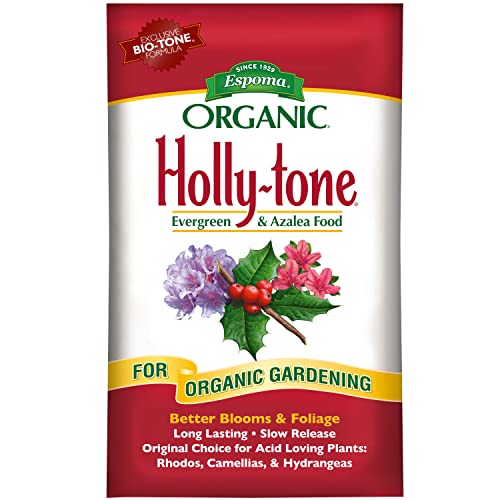
Espoma Organic Holly-Tone 4-3-4 Plant Food (36 lb)
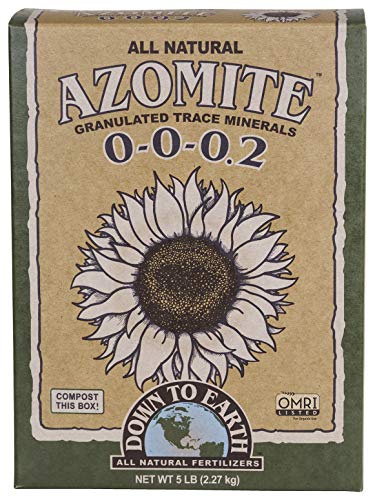
Down To Earth Organic Azomite Minerals (5 lb)

Down To Earth Organic Prilled Garden Gypsum (5 lb)

The Andersons Pet Safe 28-0-6 Fertilizer (15 lb)
More On The Choices That Made The List
Worm castings sit at the foundation of organic lawn care, and this Wiggle Worm bag is one of the most approachable ways to bring them home. The castings arrive as tiny, football-shaped particles that slip into soil without fuss, and you only need a small amount per application to feel a difference over a season or two.
For homeowners wrestling with patchy turf or ground that crusts over after a dry week, this is a gentle first step. Unlike the mineral-heavy picks further down the list, the value here is biological: you’re feeding the soil’s living layer so grass roots can stretch deeper. You may find results subtle in the first month, which is normal for any organic program.
The Case For It
- Recognized as a fertilizer, not just a soil amendment, which simplifies how you work it into a feeding schedule.
- Improves aeration and drainage in both loose and dense soils, helping rain soak in instead of running off.
- Tiny particle size spreads easily by hand for small patches or with a broadcast spreader on larger lawns.
- A handful per planting hole means a single bag lasts through multiple applications across a typical yard.
Things To Consider
- The 4.5 lb size covers a modest footprint, so larger yards may need multiple bags per season.
- Castings benefit from being worked into the root zone rather than left sitting on top of thatch.
- Results build gradually, and impatient gardeners may want a faster-acting nitrogen source alongside it.
Who It Suits Best
Homeowners with small to mid-size lawns who want to rebuild tired soil biology without committing to a full mineral program.
Consider Something Else When
If your lawn sprawls across a quarter acre or more and you need broad coverage fast, The Andersons Pet Safe 28-0-6 Fertilizer covers more ground per pass.
Azomite (short for “A to Z Of Minerals Including Trace Elements”) is a volcanic mineral deposit that brings a long list of micronutrients back into worn-out soil. This 1 lb pouch is the entry point for homeowners curious about remineralization without buying a full pallet.
The powder is milled fine so it blends easily into compost top-dressings or dissolves in watering cans. Where the Wiggle Worm castings earlier work through biology, Azomite works through geology, restoring trace minerals that synthetic N-P-K fertilizers tend to skip. If your lawn looks hungry even after feeding, micronutrient depletion is a common culprit.
What Makes Sense
- Mineral-dense volcanic source delivers broad trace elements in one application.
- Ultra-fine formulation reduces dust and helps the powder spread evenly across the lawn surface.
- Approved for organic production, which matters if you’re tending a lawn that doubles as a play space.
- Works as a complement to a primary fertilizer rather than a replacement, giving flexibility in a feeding plan.
Points To Note
- The 1 lb size is a sampler; large lawns may need the bigger 5 lb bag for full coverage.
- Powder format can drift on windy days during application, so calm mornings are your friend.
Made For
Curious homeowners experimenting with remineralization on a small lawn or a few garden beds alongside the turf.
Look Elsewhere When
If you want to remineralize across a large property in fewer trips, the Down To Earth Organic Azomite Minerals (5 lb) holds more in a single container.
Kelp meal earns its reputation by helping turf handle stress: summer heat, dry stretches, and the wear of heavy foot traffic. Hand-harvested from the North Atlantic, this 5 lb bag arrives finely milled and ready to work into soil or container mixes.
The N-P-K ratio is modest (1-0.1-2), so this isn’t your main nitrogen source; think of it as a tonic alongside a primary feed. Compared with the Azomite powder just above, kelp meal leans on potassium and natural growth hormones rather than trace minerals. If your lawn fades during July and August, potassium supports the deep green hold that homeowners chase all season.
The Value In It
- Natural potassium source strengthens grass before and after stressful weather windows.
- Fine milling blends easily into top-dressing mixes without clumping.
- Plant-based formula fits organic programs and adds slow-release nutrition.
- Works beyond grass, supporting vegetables and ornamentals in the same yard.
Worth Noting
- Low nitrogen means you’ll still want a complementary feed for visible green-up.
- Strong ocean scent at application fades quickly but catches some homeowners off guard.
Best Suited To
Homeowners in regions with hot summers who want a natural way to support turf through heat and drought cycles.
Not Your Match When
If your lawn needs broad mineral restoration rather than stress support, Down To Earth Organic Azomite Minerals Powder (1 lb) addresses trace-element gaps more directly.
Holly-Tone carries a 4-3-4 N-P-K ratio built around acid-loving plants, but the formula’s organic backbone and Bio-tone microbes (Espoma’s proprietary blend of beneficial bacteria) work on any lawn that appreciates slow-release nitrogen. The 36 lb bag is sized for serious coverage, the kind of container you keep on a garage shelf rather than under a sink.
Where the smaller picks earlier in the list focus on one job at a time, this one wants to be your primary feed for the season. Spread it with a broadcast spreader and water it in; the microbes go to work breaking the formula down into forms grass roots actually absorb. If your soil tends acidic, your lawn will drink it up happily.
Positive Takeaways
- Generous 36 lb bag covers substantial lawn area without constant reordering.
- Bio-tone microbe blend supports long-term soil health beyond a single feeding.
- Slow-release nitrogen feeds grass steadily rather than spiking growth.
- Granular format works with standard broadcast spreaders for even coverage.
Trade Offs
- Formulated with acid-loving plants in mind, so lawns in alkaline regions may need a pH check first.
- The bag is heavy and awkward to handle, so plan a storage spot before delivery.
Who Should Grab It
Homeowners with larger lawns who want a single bulk organic feed that doubles as a soil conditioner all year.
A Better Fit Elsewhere
If your lawn is small and you prefer to feed it lighter applications more often, Wiggle Worm Pure Organic Worm Casting Fertilizer (4.5 lb) stays manageable in a smaller bag.
This is the same volcanic Azomite source as the 1 lb pouch above, just scaled up for homeowners ready to commit to a multi-season remineralization plan. Five pounds covers a meaningful portion of a typical yard when worked into a top-dressing routine.
The appeal is straightforward: buy once, apply across several seasons, and watch the soil profile rebuild. Compared with the granular Holly-Tone reviewed just above, Azomite skips the nitrogen delivery entirely and focuses on micronutrients. If your lawn already gets nitrogen from another source and looks tired anyway, that’s a hint to look at minerals.
What Earns Its Place
- Larger 5 lb size suits homeowners who already know Azomite fits their soil program.
- Same broad trace element profile as the smaller pouch, scaled for repeated use.
- Approved for organic production, fitting naturally into chemical-free lawn routines.
- Store-bought stability means the powder keeps from season to season in a dry bin.
Honest Caveats
- No nitrogen content, so this must pair with another feed for visible green-up.
- Powder format still drifts in wind, and the larger volume means more dust to manage per application.
Perfect Match For
Homeowners building a long-term remineralization plan across multiple garden beds and lawn zones at once.
Swap It Out When
If you’d rather address compacted clay soil than trace mineral gaps, Down To Earth Organic Prilled Garden Gypsum (5 lb) tackles structure first.
Gypsum (calcium sulfate) does a job most fertilizers ignore: it loosens heavy clay soils without changing pH. The prilled (small pellet) form here spreads cleanly through a standard spreader, avoiding the dusty mess of older powdered gypsum products.
Where the Azomite picks above work on mineral content and the kelp meal works on stress tolerance, gypsum works on structure. Lawns that stay soggy after rain or harden into cracked sheets in summer usually benefit most. The calcium and sulfur feed grass roots indirectly by giving them somewhere to actually grow.
Benefits That Matter
- Loosens compacted clay for better root penetration and water movement.
- Supplies calcium and sulfur as secondary nutrients grass quietly needs.
- Acid-neutral formula won’t shift soil pH, protecting pH-sensitive plantings nearby.
- Reduces surface crusting so seedlings and overseeding efforts get a cleaner start.
- Prilled form spreads smoothly with less dust than traditional powdered gypsum.
Points To Keep In Mind
- Not a nitrogen source, so it pairs with another feed for visible turf color.
- Works best when watered in thoroughly, so plan application around irrigation or rainfall.
Whose Shelf It Belongs On
Homeowners with clay-heavy soil who notice standing water or hard surfaces before they’ve fed the lawn at all.
Reach For A Different Pick When
If your soil structure is fine and your goal is biological health instead, Wiggle Worm Pure Organic Worm Casting Fertilizer (4.5 lb) feeds the soil life more directly.
The Andersons designed this formula with dogs in mind. The granular particles use DG Technology (a patented dispersible granule process) that breaks apart on contact with water, sending the feed straight into the root zone instead of leaving grit on the surface where paws can track it inside.
The 28-0-6 N-P-K ratio delivers a strong nitrogen push for deep-green color, balanced by sulfur for overall turf health. The 15 lb bag covers up to 5,000 sq ft, so a typical suburban lawn gets a full feeding from a single container. Compared with the slower organic picks earlier in this list, this one works on a faster timeline while staying pet-friendly once watered in.
Positive Points
- Pet-safe formulation keeps dogs on the lawn sooner after application.
- Dispersible granule technology reduces tracked-in residue on paws and feet.
- Higher nitrogen content drives visible green-up faster than slow-release organic feeds.
- 15 lb bag covers up to 5,000 sq ft, fitting typical mid-size lawns in one purchase.
- Added sulfur supports overall turf resilience and color depth.
Small Caveats
- Stronger nitrogen push means more frequent watering to prevent leaf burn in summer.
- Fast-acting feed still benefits from a follow-up organic program for long-term soil health.
Who Will Love This
Households with active dogs that use the lawn daily and need a pet-conscious feed with fast visible results.
Where Another Pick Suits Better
If your lawn is small and you want a fully organic feeding rhythm, Espoma Organic Holly-Tone 4-3-4 Plant Food (36 lb) leans slower and more biological.
What Matters Most When Choosing Natural Fertilizers for Grass
Natural fertilizers fall into three broad roles: soil builders, mineral restorers, and stress supporters. A balanced program usually pulls from more than one category, since grass health depends on biology, geology, and seasonal resilience working together.
Start with a soil test before buying anything. The test tells you whether your lawn actually needs trace minerals (Azomite territory), structural loosening (gypsum territory), or simply a steady nitrogen source. Skipping this step is how homeowners end up with five bags of fertilizer and the same tired turf.
Consider your yard’s square footage and traffic level. A small front lawn and a play yard with two dogs have very different needs. Match the bag size and feed intensity to your real conditions, not to a generic lawn care checklist. Larger containers save trips but can be awkward to store and use fully before the next season.
Finally, think about timing. Natural fertilizers work with biology, which means they need warmth, moisture, and time. Plan applications around active growing windows (spring and fall for cool-season grasses, late spring through early fall for warm-season varieties). A feed applied in the wrong season sits in the soil waiting for the right conditions, which is fine but slow.
Key Considerations Across These Picks
Pitfalls Shoppers Hit
The most common mistake is buying a fertilizer for the symptom rather than the soil. Yellowing grass doesn’t always mean nitrogen shortage; it can signal iron deficiency, compaction, or pH imbalance. Treat the soil first, and the grass color often follows.
Another trap is overapplying organic products “because they’re natural.” Overapplication still burns turf, wastes product, and can throw soil biology out of balance. Measure your lawn area, read the label rate, and stick close to it.
Where The Extra Money Goes
Premium organic fertilizers cost more per pound because of how they’re sourced, processed, and certified. Bio-tone microbe blends, hand-harvested kelp, and volcanic mineral milling all add production steps. The upgrade pays off when you value long-term soil health over quick color, and when a single bag covers enough area to justify the spend. For small lawns, a budget-friendly mineral powder often delivers more value than a premium blend.
Frequently Asked Questions
How often should natural fertilizers be applied to a lawn? Most organic feeds work on a two-to-three-month cycle, aligning with active grass growth. Soil-building products like worm castings can go down three times a year, while mineral restorers like Azomite need only one or two applications per season.
Can natural fertilizers burn grass like synthetic ones? They can, especially high-nitrogen organic options applied during hot, dry weather. Watering in granular products shortly after application prevents leaf burn and helps the feed reach the root zone where it belongs.
Do natural fertilizers work in cold weather? Soil biology slows in cold conditions, so natural feeds work best when soil temperatures stay above 50°F. Applying during a hard freeze means the product sits largely inactive until spring thaw, which is rarely a problem but limits visible benefit.
Are these safe for kids and pets? Most natural fertilizers listed here are safe once watered in and dried. The Andersons Pet Safe formula is designed specifically for faster re-entry, while granular organics like Holly-Tone need a brief watering window before active play resumes.
Can I mix multiple natural fertilizers together? Yes, and pairing categories often gives better results than any single product. A common combination is worm castings for biology plus Azomite for minerals plus kelp meal for stress tolerance, applied on rotating schedules through the growing season.
Closing Remarks
Choosing natural fertilizers for grass is really about choosing what kind of soil you want underneath your feet five years from now. The picks above give you a range of tools for biology, minerals, structure, and pet-friendly feeding, so you can build a program that matches your lawn’s actual needs. Start with a soil test, pick the role your lawn needs most, and add from there as your turf (and your confidence) grows.