A small garden doesn’t need a full-size machine. If you’re prepping a raised bed, weeding between rows, or loosening soil for the first time, a mini tiller gives you real digging power in a package you can carry with one hand and store in a corner of the shed.
The lineup below mixes corded, battery, and gas options, so you can match the tool to your garden, your outlets, and how much you actually want to wrestle with a starter cord.
The Lineup, Simplified
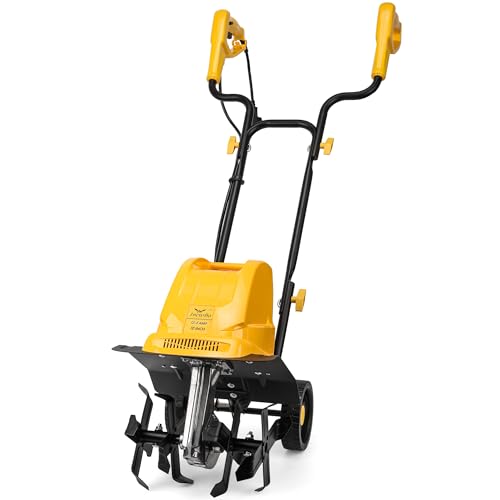
IncwBo 12” 13.5-AMP Electric Roto Tiller

TaskStar Cordless Tiller Cultivator

Etoolab 20V Cordless Electric Tiller

IncwBo 12” 8.5 AMP Corded Tiller

IncwBo 12” 10.5-AMP Electric Roto Tiller

IncwBo 12” 15-AMP Electric Roto Tiller

Poxsmuly Cordless Tiller for Milwaukee M18

Honda FG110 Mini Tiller (FG110KiAT)

Saker 22V Cordless Garden Tiller
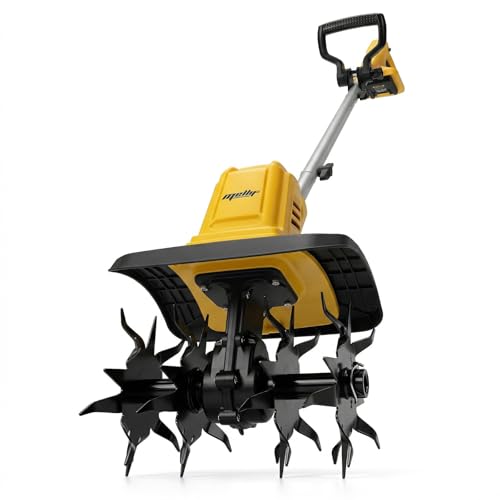
Mayoki DeWalt 20V Compatible Tiller
The Details Behind The Selections
Corded tillers still hold a real edge when you need steady torque and zero recharging pauses. The IncwBo 12-inch model pulls 13.5 amps from a standard outlet, which translates into enough bite for established vegetable beds and freshly turned lawns without bogging down on first contact.
You simply press a button and go, so it’s friendlier for first-time tillers than pulling a recoil cord. The 12-inch tilling width covers a full row in a single pass, and the steel tines (the curved blades that do the actual cutting into the soil) reach up to 8 inches deep, giving roots room to spread. For most suburban gardens, that depth and width is the sweet spot between hand-digging and renting a walk-behind.
Practical Advantages
- 13.5-amp motor delivers steady power without the slowdowns common in lower-amperage models.
- Push-button start eliminates the recoil pull, which is friendlier for beginners and older gardeners.
- 12-inch width covers a standard garden row in roughly one pass, cutting overall prep time.
- 8-inch tilling depth suits most vegetable root zones, so you won’t need a second pass for deeper prep.
Points To Note
- You’ll need a long outdoor-rated extension cord and a reachable outlet, which can limit how far you roam from the house.
- Like most corded units in this category, owners commonly report that rocks or thick roots can stall the tines.
Key Specs
Made For
Mid-size garden owners with an outdoor outlet nearby who want steady corded power without the gas-engine hassle.
Reach For A Different Pick When
If your beds are far from any outlet, the TaskStar Cordless Tiller Cultivator trades a little power for full mobility.
The appeal here is freedom from cords and outlets. This TaskStar unit is built for gardeners whose beds sit far from the house, on a back fence line, or down a slope where running extension cable is awkward.
It handles the trio of jobs that matter most in a home garden: breaking up compacted soil, mixing compost into existing beds, and aerating around shallow-rooted plants. The compact frame is also easier to store between uses, which matters if your shed space is already spoken for by mowers and trimmers.
Advantages To Know
- Battery-powered design means no cord to drag across the lawn or untangle mid-pass.
- Lightweight frame is easier to carry to remote beds than heavier corded or gas alternatives.
- Quieter operation is friendlier for early-morning sessions in close-quarter neighborhoods.
Worth Bearing In Mind
- You’ll want a spare battery on hand if you plan a multi-hour session, since runtime on one pack is limited.
- Cordless tillers in this class tend to slow on very hard, untilled ground, so breaking sod may take patience.
- Battery health gradually declines over years; budget for eventual pack replacement.
Best Suited To
Backyard growers with small raised beds who value portability over maximum torque.
Swap It Out When
You have harder, never-tilled soil to break; the IncwBo 13.5-AMP Electric Roto Tiller has more aggressive corded power for that work.
Two batteries in the box change the math on cordless gardening. The Etoolab 20V tiller ships with a pair of 4.0Ah packs (amp-hours, a measure of how long a battery can deliver power before needing a recharge), so you can rotate mid-job without sitting around waiting for a recharge cycle.
It’s a quieter, cleaner alternative to gas for small plots. The 9-inch tilling width is narrower than the 12-inch IncwBo corded models above, but that smaller footprint actually helps when you’re threading between established plants or working inside a raised-bed frame where every inch counts.
Strong Points
- Dual-battery setup doubles your working window before you need to plug anything in.
- 9-inch width is narrow enough to maneuver between vegetable rows without trampling seedlings.
- 6.6-inch depth suits most annual flower and herb plantings, which rarely need deeper prep.
- Brushless-style efficiency (where applicable) gives longer runtime per charge than older brushed motors.
Some Limits To Know
- The narrower 9-inch swath means more passes to cover the same area as a 12-inch tiller.
- Compact 20V systems can bog down in heavy clay, so pre-soaking dry ground helps a lot.
Right Fit For
Raised-bed gardeners who want full mobility and don’t mind trading width for a lighter, cleaner tool.
Consider Something Else When
You have a wide open plot to clear; the IncwBo 15-AMP Electric Roto Tiller covers more ground per pass with corded reliability.
Entry-level gardeners often want a tiller that doesn’t fight back. This 8.5-AMP IncwBo keeps things lighter and less aggressive than its higher-amperage siblings, which is helpful when you’re still learning how much downward pressure to apply.
You still get the same 12-inch width and 8-inch depth as the beefier corded models, so plot coverage stays the same. The difference is in the cut: in soft, well-maintained soil, it works beautifully, but on hard-packed ground you’ll feel the motor working harder than on the 13.5-AMP version reviewed above.
The Helpful Details
- Lighter 8.5-AMP motor is easier to push through existing beds without fatigue.
- Push-button start removes the recoil learning curve for first-time tillers.
- Standard 12-inch width matches the rest of the corded IncwBo lineup, so no compromise on coverage.
Trade Offs
- Less torque than the 13.5-AMP and 15-AMP siblings, so breaking virgin soil takes more effort.
- Corded design still requires an outdoor extension cord and reachable outlet.
Who It Suits Best
Beginners and casual gardeners working in soil that’s already been turned at least once.
Look Elsewhere When
You face compacted or rocky ground; the IncwBo 15-AMP Electric Roto Tiller brings the corded muscle for that.
Sitting between the 8.5-AMP and 13.5-AMP IncwBo models, this 10.5-AMP unit is the middle-ground option. It gives you more bite than the entry-level pick without committing to the heaviest corded motor in the lineup.
For loamy, well-drained soil (soil that drains easily and feels soft in the hand), the extra amperage translates into smoother passes and fewer stalls when you hit a tough patch. Compare that to the 8.5-AMP version above: same width, same depth, just more comfortable when conditions turn firm.
Everyday Perks
- 10.5-AMP output handles typical suburban soil without straining the motor.
- Same 12-inch width as the rest of the corded IncwBo family for consistent coverage.
- Steel tines are built for repeated seasons in normal garden conditions.
Factors To Consider
- Still corded, so you’ll manage an extension cable during operation.
- Mid-tier power means clay-heavy or rock-strewn plots will still challenge the motor.
Perfect Match For
Suburban gardeners with average loam or sandy soil who want a step up from the lightest corded option.
A Better Fit Elsewhere
For tougher jobs, the IncwBo 15-AMP Electric Roto Tiller delivers the strongest corded performance on this list.
The 15-AMP IncwBo is the muscle pick of the corded family. It pulls more current than its 8.5-, 10.5-, and 13.5-AMP siblings, which shows up where it counts: compacted soil, neglected beds, and ground that hasn’t been turned in years.
It still runs on a standard 15-amp household circuit (the typical outlet you’d find in a garage or patio), so you don’t need a special electrical setup. The 12-inch by 8-inch working envelope matches the rest of the lineup, meaning the only real variable is how aggressively the tines bite.
The Case For It
- Highest-amperage corded motor in this lineup, so it handles compacted soil with less bogging.
- Replaceable steel tines extend the working life of the unit across many seasons.
- Same dimensions as smaller IncwBo models, so handling stays familiar.
Honest Caveats
- Still tethered to an outlet, so reach depends on your extension cord length.
- Heavier motor adds overall weight, which can tire out smaller gardeners during long sessions.
Built With In Mind
Gardeners tackling compacted, clay-heavy, or previously untilled plots who want corded reliability over maximum output.
Where A Sibling Pick Shines
For lightweight, easy-carry work between rows, the IncwBo 8.5 AMP Corded Tiller is friendlier on the arms.
Already own Milwaukee M18 batteries? This tool-only tiller slots right into that ecosystem without forcing you to buy a new battery platform. It’s a “tool only” listing, so plan on supplying your own M18 packs.
The 11.8-inch tilling width is wider than most cordless tillers in this roundup, edging close to corded territory. The 8.6-inch tilling depth is also the deepest you’ll find in the battery section, making it a serious option for breaking ground rather than just fluffing existing beds.
Key Advantages
- 11.8-inch width is wider than most cordless rivals, cutting down on passes per bed.
- 8.6-inch depth reaches deeper than many 20V-class cordless tillers.
- Uses batteries you may already own, eliminating the cost of a new platform.
Where It May Fall Short
- Battery is not included, so this only makes sense if you already own M18 packs.
- Higher torque demands drain batteries faster than light cultivator use.
- Compatibility is specific to M18; users on other 18V platforms would need an adapter or a different tool.
Who Should Grab It
M18 tool owners with spare packs who want a tiller that fits their existing battery lineup.
Skip It When
You don’t already own M18 batteries; the Etoolab 20V Cordless Tiller includes batteries in the box.
For gardeners who live off-grid, deal with large plots, or simply want a gas engine they trust, the Honda FG110 is the legacy option. Honda’s small 4-stroke engines (engines that run on regular gasoline without needing oil mixed in) are famous for pulling on the first or second pull and running for seasons without fuss.
The hybrid tine design mixes digging and cultivating angles, so it transitions between breaking new ground and working established beds without needing a tine swap. Compared to every electric option on this list, it trades noise, weight, and fuel mixing for full mobility and consistent torque.
Positive Points
- Honda’s small gas engine has a long-standing reputation for easy starting and durability.
- No cord or battery to manage, so reach extends to the far corners of larger properties.
- Hybrid tine configuration handles both new ground and maintenance cultivation.
Practical Considerations
- Gas engines require fuel, oil checks, and periodic spark plug or air filter maintenance.
- Notably louder than any electric option on this list, so not ideal for noise-restricted neighborhoods.
- Heavier than cordless tillers, which can be a factor for older gardeners or long carry distances.
Right Fit For
Off-grid gardeners, larger-plot owners, and anyone who specifically prefers gas power for outdoor equipment.
Not Your Match When
You want quiet, low-maintenance operation; the IncwBo 13.5-AMP Electric Roto Tiller is much simpler day-to-day.
Most mini tillers run at one speed. The Saker 22V adds three, letting you dial down for soft cultivation around seedlings and crank up for breaking compacted soil. That flexibility pays off in mixed gardens where bed conditions vary row to row.
The 22V platform sits between typical 18V and 40V garden tools, giving a bit more torque than entry-level cordless tillers without jumping to heavy professional gear. For gardeners who already know that “one speed” never quite fits, this is the upgrade that solves it.
What Makes Sense
- Three speed settings (roughly 200, 270, and 360 RPM) match tool output to soil conditions.
- 22V class delivers more torque than typical 18V/20V cordless tillers without excessive weight.
- 9-inch working width is well-suited to raised beds and between-row work.
Possible Compromises
- Speed selection is most useful across multiple bed types; in a single-condition garden, the extra control adds less value.
- Battery runtime shortens noticeably when running at the top speed setting for extended periods.
Made For
Mixed-condition gardeners with both soft and compacted beds who want speed control in one tool.
Look Elsewhere When
You only have one soil type to manage; the Etoolab 20V Cordless Tiller’s dual-battery setup may suit you better.
Brushless motors (motors that use electronic controls rather than physical brushes to transfer power, which means less friction, less wear, and longer runtime) are the quiet upgrade story in cordless tools right now, and this Mayoki tiller brings that technology to garden prep. It’s designed for DeWalt 20V MAX batteries, so existing DeWalt households can skip buying packs.
The 48-tine setup is finer than most tillers on this list, which translates into a smoother soil finish. The 10-inch width and 7-inch depth land between compact cultivators and full-size tillers, making it a versatile middle option for mixed garden work.
Where It Delivers
- Brushless motor runs cooler, quieter, and more efficiently than brushed equivalents.
- 48-tine design produces a finer soil texture than coarser 4-tine tillers.
- 10-inch width strikes a balance between full-size coverage and raised-bed maneuverability.
Details To Watch
- Battery is not included, which only makes sense for existing DeWalt 20V owners.
- Brushless tools often cost more up front than brushed alternatives, so weigh that against longer motor life.
Perfect Match For
DeWalt 20V tool owners who want a brushless tiller that fits their existing battery investment.
Another Choice May Suit
If you don’t own DeWalt packs, the Etoolab 20V Cordless Tiller includes batteries and offers a similar compact experience.
Picking The Right Mini Tiller For Your Garden
Start with your power source. Corded tillers like the IncwBo lineup deliver steady torque without recharging, but they tie you to an extension cord. Cordless options trade some peak power for total mobility, and gas models like the Honda FG110 handle the largest plots without either limit.
Width and depth shape how fast you finish. A 12-inch tiller covers a row in one pass, while a 9-inch model threads between established plants. Anything in the 8-inch depth range handles most vegetable root zones, and 6 to 7 inches works fine for annual flowers and herbs.
Tine count affects soil finish. Four-tine tillers dig aggressively, which suits breaking new ground. Higher tine counts, like the 48-tine setup on the Mayoki model, produce a finer, more garden-ready texture but with less bite on hard ground.
Consider your battery ecosystem before buying a cordless tool. If you already own M18 or DeWalt 20V packs, the Poxsmuly or Mayoki “tool only” listings save real money. Otherwise, a kit that includes batteries, like the Etoolab, is the smarter starting point.
Common Slip-Ups And Where The Extra Money Goes
Pitfalls Shoppers Hit
Overlooking extension cord length is the most common corded-tiller mistake. A standard household cord isn’t rated for outdoor tiller loads, so plan on a proper outdoor-rated cord and verify you can reach every bed from the nearest outlet.
Confusing cultivators with tillers is another frequent error. Light cultivators are meant for fluffing already-worked soil, not breaking ground. If your plot has never been turned, you need a real tiller with the tine bite to handle that work.
Ignoring soil type leads to frustration. Clay-heavy ground demands higher amperage or gas power, while loose, sandy soil is well-served by lighter electric options.
Where The Extra Money Goes
Higher-amperage motors add cost because they handle heavier workloads without burning out. The jump from 8.5 to 15 amps in the IncwBo corded family reflects that build quality, and pays off in tougher soil.
Brushless motors command a premium over brushed designs because they last longer and run more efficiently. For gardeners who till often, that longer motor life justifies the higher price.
Multi-battery kits and dual-battery systems raise the entry cost, but eliminate mid-job charging pauses. That convenience is worth real money to anyone with a multi-bed garden to maintain.