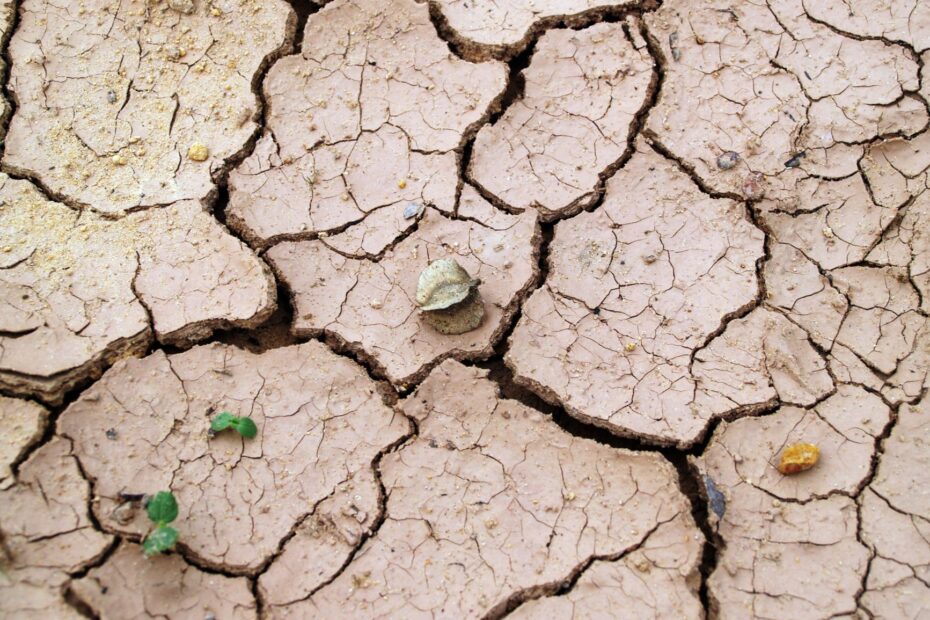
Particle size drives these contrasts: clay holds water tightly, sand drains rapidly, and loam blends sand, silt, and clay for steadier root conditions. Your garden shows those differences after rain, during dry weather, and each time you dig.
This comparison covers soil texture, drainage, water-holding capacity, soil aeration, hand checks, the soil jar test, compost, and practical planting choices for your yard.
Soil Texture Begins With Sand, Silt, and Clay Particles
Mineral particle size shapes the gaps between soil grains. Soil texture refers to the relative share of sand, silt, and clay particles in your ground. It does not describe pH, compost content, nutrient levels, or soil color.
Sand particles are the largest mineral fraction. Their size leaves broad spaces that move water and air through your soil quickly. Silt particles sit between sand and clay in size and feel floury or silky when dry.
Clay particles are the smallest fraction. They fit tightly together, leaving tiny pore spaces that hold water longer. Your soil can contain all three particle sizes, yet one fraction usually has the strongest effect on drainage and workability.
Loam Is a Blend of Mineral Particles
Loam is a texture made from a useful balance of sand, silt, and clay rather than a separate particle type. Your loam has enough sand for drainage, enough clay for nutrient retention, and enough silt to hold moisture between those extremes.
Texture labels also include sandy loam, silty clay loam, and clay loam. The Soil Science Society of America uses these terms because garden beds rarely fit one pure category. A sandy loam contains more sand than a balanced loam, while clay loam contains a larger share of clay.
Texture changes slowly because mineral particles come from the soil beneath your property. Compost changes soil structure, meaning the way particles clump into crumbs and aggregates. Your texture remains similar even after years of steady compost use.
Water Movement Shows the Main Texture Differences
Rainwater makes texture easy to see. Clay soil holds the most moisture and nutrients but releases water slowly. Sandy soil drains rapidly, while loamy soil sits between those two patterns and gives roots a steadier mix of air and moisture.
| Soil trait | Clay soil | Sandy soil | Loamy soil |
|---|---|---|---|
| Particle size | Very small | Large | Mixed sizes |
| Feel in your hand | Smooth and sticky while moist | Gritty and loose | Crumbly with slight grit |
| Soil drainage | Slow | Fast | Moderate |
| Water-holding capacity | High | Low | Moderate to high |
| Nutrient retention | High | Low | Moderate to high |
| Soil aeration | Limited in dense ground | High | Balanced |
| Compaction risk | High | Low | Moderate |
| Ease of cultivation | Hard while wet or dry | Easy to dig | Easy to work |
The clay soil vs sandy soil contrast explains two common garden problems. A tomato bed in clay can stay soggy for several days after a storm, while a sandy patch can dry by late afternoon during summer heat. Your watering schedule, fertilizer timing, and crop choices should follow that behavior.
Loam is useful, but it is not magic. It still benefits from organic matter, mulch, and limited foot traffic. Your loamy bed can compact under repeated wheelbarrow routes and lose nutrients after heavy rain.
Particle Size Controls Drainage, Fertility, and Root Access
Large pore spaces act as open channels for water. Sand particles touch at fewer points, leaving room for water to drain after rain or irrigation. Those same channels carry oxygen into the root zone during cool spring weather.
Fast drainage brings a tradeoff. Dissolved nutrients can move below plant roots before vegetables absorb them, especially nitrate from fertilizer. Your sandy garden benefits from smaller feedings spread across the growing season rather than one heavy dose.
Clay Holds Water in Small Pores
Clay creates countless tiny pores that act like narrow capillaries. Water clings inside those spaces, while charged clay surfaces hold nutrient ions such as potassium, calcium, and magnesium. That storage capacity gives clay soil a real strength.
Wet clay can also leave too little air around roots. Oxygen moves through water far more slowly than through open pore spaces, so saturated ground can slow root activity. Your carrots can fork, and young herbs can struggle before their roots reach deeper layers.
Mixed Particles Leave More Useful Pore Space
Loam contains both large and small pore spaces. Larger pores drain surplus water and admit air, while smaller pores retain moisture after the surface appears dry. This mix explains why roots enter loam more easily than dense clay and why loam holds water longer than pure sand.
Texture affects fertility, yet it does not settle every growing problem. A sandy bed with regular compost can grow productive beans, while neglected clay can stay dense and poorly drained. Your soil structure and daily care shape how much of the texture’s potential reaches plants.
Clay and Sandy Ground Bring Different Gardening Limits
Wet clay sticks to boots, shovels, and tire treads because water lets tiny particles slide against each other. After drying, the same bed can set hard and crack into broad plates. You should avoid digging or walking on clay while it is wet because pressure squeezes out the air spaces roots need.
Clay Rewards Patient Bed Preparation
- Holds nutrients well: Clay keeps more potassium and calcium near your roots than sandy ground does.
- Stores rainfall: Deep-rooted plants can draw on moisture held below the surface during dry spells.
- Warms slowly: Dense, wet ground stays cool longer in spring and can delay planting.
- Compacts under traffic: Repeated footsteps and machinery press particles together and slow water movement.
- Cracks in drought: Wide cracks can expose shallow roots and make direct seeding harder.
Clay soil is not automatically worse than loam soil. You can grow peonies, daylilies, asters, native shrubs, and some fruit trees in managed clay with adequate drainage. Loam gives your planting a wider margin for error, but crop water needs and site drainage decide the better fit.
Sandy Ground Offers Speed and Air
Sandy soil is easier to dig, and it warms faster in spring because excess water drains away. Root vegetables such as carrots and radishes suit loose ground, provided your soil stays evenly moist during germination. A dry sandy bed can turn germination into a daily watering task.
- Warms quickly: Spring planting can begin sooner after your soil is no longer cold and saturated.
- Drains freely: Mediterranean herbs and lavender suit open sandy sites because wet roots cause stress.
- Needs steady water: Summer heat draws moisture through wide pores with little reserve.
- Loses nutrients fast: Heavy fertilizer doses can wash past roots after irrigation or rain.
- Accepts roots easily: Loose mineral grains offer little physical resistance to expanding root tips.
Those strengths and limits point to the next practical step: identify what sits beneath your mulch before changing your watering routine. Color alone can mislead you. Dark sand mixed with compost can look rich, while pale clay can appear sandy after drying into crumbs.
Because dried soil and added compost can disguise particle proportions, a simple field test is more reliable than appearance.
A Hands-On Check Reveals Soil Texture
Grit gives sand away. Rub a moist pinch between your thumb and forefinger, then press it gently. Sandy soil feels coarse and falls apart, clay feels smooth and forms a sticky ribbon, and loam feels crumbly with some grit and enough cohesion to hold a loose ball.
Your hand check works best with soil taken 4 to 6 inches below the surface, away from fresh mulch. Remove stones, roots, and bark before judging texture. The layer below the surface gives you a clearer view of the material plant roots encounter.
The Soil Jar Test Separates Mineral Layers
A soil jar test gives you a rough visual estimate of particle size. Fill a clear jar about one-third full with mixed soil, add water until the jar is nearly full, then add a small amount of unscented dish soap or sodium hexametaphosphate dispersant. The dispersing agent separates particles that cling together.
- Collect a sample: Take several small scoops from one bed and mix them in a clean bucket.
- Fill the jar: Add soil to one-third of the jar and leave room for vigorous shaking.
- Add water and soap: Use clean water and a small squirt of dish soap to loosen clumps.
- Shake hard: Cap the jar and shake for about two minutes until visible clods disappear.
- Let layers settle: Leave the jar undisturbed for 24 hours before judging the fine upper layer.
Sand settles within about a minute because its particles are heaviest. Silt follows over several hours, while clay forms the fine upper layer and can leave water cloudy for a day or longer. Your jar becomes a small cross-section of the ground beneath your garden.
Do not use the jar result as a fertility report. It estimates mineral texture, but it cannot reveal pH, nutrient levels, soil-borne disease, or a compacted layer below the sample depth.
A laboratory analysis gives a more precise classification through the soil texture triangle used in university extension work. For most home beds, hand feel and jar layers give you enough direction to stop treating clay like sand or sand like clay.
Once you know the mineral mix, amendments can improve its behavior without promising to remake it.
Organic Matter Improves Performance Without Changing Texture
A yearly layer of finished compost changes how water moves through a bed. In clay, organic matter helps mineral particles form stable aggregates, or small crumbs with air spaces between them. Your soil becomes less prone to surface sealing and easier to work during the right moisture window.
Spread 1 to 2 inches of finished compost across established beds each year. Work it lightly into the upper few inches or leave it as a surface mulch. Repeated layers matter more than one deep addition because soil life moves organic material downward over time.
Clay Needs Aggregates Rather Than Small Amounts of Sand
Adding a little sand to clay rarely solves drainage trouble. Small amounts can fill spaces between clay particles and form a dense, mortar-like mass. Your bed would need a large volume of coarse material plus organic matter to shift its physical behavior, which is rarely practical in a planted yard.
Compost, shredded leaves, aged pine bark, and cover-crop roots leave routes for air and water without forcing a false texture change. Raised beds also help where dense subsoil holds water near the surface. Keep the native ground beneath a raised bed open rather than lining it with plastic.
Sandy Ground Needs Moisture Storage
In sand, compost acts like a sponge threaded through broad pores. It raises water-holding capacity and feeds soil organisms, which keeps nutrients available for longer. Your irrigation still needs attention, but the bed will shift less sharply from soaked to dry.
Use leaf mold, composted manure, or finished compost in modest repeated layers rather than burying large amounts of raw material. Fresh wood chips mixed into soil can tie up nitrogen while they break down. Keep coarse chips on top as mulch, where they slow evaporation and moderate surface temperature.
Compost improves clay, sand, and loam, but it does not make texture irrelevant. Watch how your bed drains after rain before choosing another amendment.
Watering and Feeding Should Follow Soil Behavior
Moisture at root depth matters more than a dry-looking surface. Push a finger or trowel 3 to 4 inches into the bed before watering. Your plants need water where active roots grow, not a daily splash that wets only the top inch.
Clay Calls for Timing and Restraint
Clay beds benefit from less frequent, thorough watering based on actual dryness. Water after the upper root zone has started to dry, then allow time for air to return to pore spaces. Your soil should feel moist and cool rather than glossy or sticky.
- Keep feet off beds: Use stepping stones or permanent paths so wet ground does not compact under your weight.
- Plant at proper moisture: Dig clay while it crumbles in your hand rather than smearing into a ribbon.
- Raise low beds: Use raised growing areas where puddles remain for more than a day after normal rain.
- Choose tolerant plants: Daylilies, bee balm, asters, and some willows handle heavier ground better than lavender.
Sand Needs Shorter Nutrient Cycles
Sandy ground benefits from deeper watering given more frequently during hot, dry weather. A 2 to 3 inch mulch layer slows evaporation, shields shallow roots, and reduces crusting. Your drip line should wet a broad root zone rather than create one narrow, deep channel.
Feed sandy beds in smaller portions because soluble fertilizer travels downward quickly. Slow-release products, compost, and split feedings reduce nutrient leaching. Beans and peas need less added nitrogen than corn or squash, so match your feeding plan to the crop as well as texture.
Loam Still Requires Observation
Loamy soil gives you flexibility, yet its water supply changes with heat, plant size, and rainfall. Check moisture before irrigation rather than following a rigid calendar. Your mature zucchini can use water far faster in July than a newly planted lettuce row in April.
Plant roots can also expose local variation. A shrub can grow through loamy topsoil and strike dense clay 10 inches down, causing water to perch above that boundary. Digging a planting hole wider than the root ball lets you see those layers before roots reach them.
Site Conditions Shape the Next Gardening Choice
A texture label describes mineral proportions, not every problem in a bed. Sandy loam dries faster and holds fewer nutrients than balanced loam because it contains more sand. Clay loam stores more moisture and can drain more slowly after prolonged rain.
The sandy loam vs clay loam comparison helps you predict behavior without forcing every garden into a neat category. Your sandy loam can suit onions, garlic, and carrots, yet it benefits from mulch and steady feeding. Clay loam can grow lush perennials where roots have a path through compacted zones.
Site Clues Can Override Texture Labels
A hardpan layer, construction fill, poor grading, and downspout runoff can leave wet ground even where surface soil feels sandy. Watch where puddles form after a steady rain and how long they remain. Your observations reveal drainage patterns that a jar test cannot show.
A sunny slope also loses moisture faster than a sheltered low spot with the same texture. Wind, shade, plant density, and mulch depth change the water available to roots. The difference between clay, sandy, and loamy soil becomes useful after you pair texture with these site conditions.
A Practical Soil Decision Sequence
- Sample several spots: Gather soil from separate beds because fill dirt and native ground can differ across one yard.
- Check hand feel: Rub moist soil between your fingers to spot grit, smooth clay, or crumbly mixed material.
- Run a jar test: Use settled sand, silt, and clay layers to estimate mineral proportions.
- Watch rainfall response: Mark puddles and dry patches after a storm to reveal compaction or slope effects.
- Use compost yearly: Feed soil life and improve aggregation or moisture storage through repeated surface layers.
- Adjust water and feed: Match irrigation depth and fertilizer timing to the behavior you have observed.
Start with evidence from your own beds rather than chasing a bagged label. Soil texture sets physical limits, while organic matter, drainage, and daily care shape how those limits affect your plants.
Final Thoughts
Your goal is not to force every bed into textbook loam. Clay can store valuable water and nutrients, sand can offer rapid drainage and easy root access, and loam can give a broad middle ground. Once you know how your soil handles water, air, and fertilizer, you can choose compost, mulch, planting methods, and crops that suit the ground under your feet.
FAQ
What is the main difference between clay, sandy, and loamy soil?
Clay has very small particles and high water-holding capacity, sandy soil has large particles and rapid drainage, and loamy soil contains a balanced mix of sand, silt, and clay. Your root zone receives more air in sand, more stored moisture in clay, and a steadier balance in loam.
How do particle size and soil composition affect drainage and water retention?
Large sand particles leave broad pores that drain water quickly and hold little moisture. Small clay particles form tiny pores that retain water and nutrients but can restrict soil aeration. Your loam contains mixed pore sizes, which allows drainage while holding moisture for roots.
How do I tell whether my soil is clay, sand, or loam?
Moisten a small handful and rub it between your fingers. Sandy soil feels gritty and falls apart, clay feels smooth and forms a ribbon, and loam feels crumbly with slight grit. Your soil jar test can confirm the hand-feel result by separating mineral layers.
Is loam always the best type of soil for gardening?
Loam suits a wide range of plants because it balances drainage, moisture retention, and soil aeration. It is not automatically the right choice for every plant or site. Your lavender may prefer sandy ground, while moisture-loving shrubs can grow well in managed clay.
Is clay soil better than sandy soil for growing plants?
After heavy watering, clay soil retains more nutrients and moisture than sandy soil, whereas sandy ground gives roots more air and drains faster. Your better option depends on the crop, rainfall, slope, and drainage beneath the root zone. Both textures grow healthy plants with suitable watering and organic matter.
What amendments help clay soil and sandy soil perform better?
Finished compost, shredded leaves, aged pine bark, and mulch improve both textures in different ways. Clay benefits from organic matter that forms aggregates and air spaces. Sandy ground benefits from organic matter that raises water-holding capacity and slows nutrient loss.