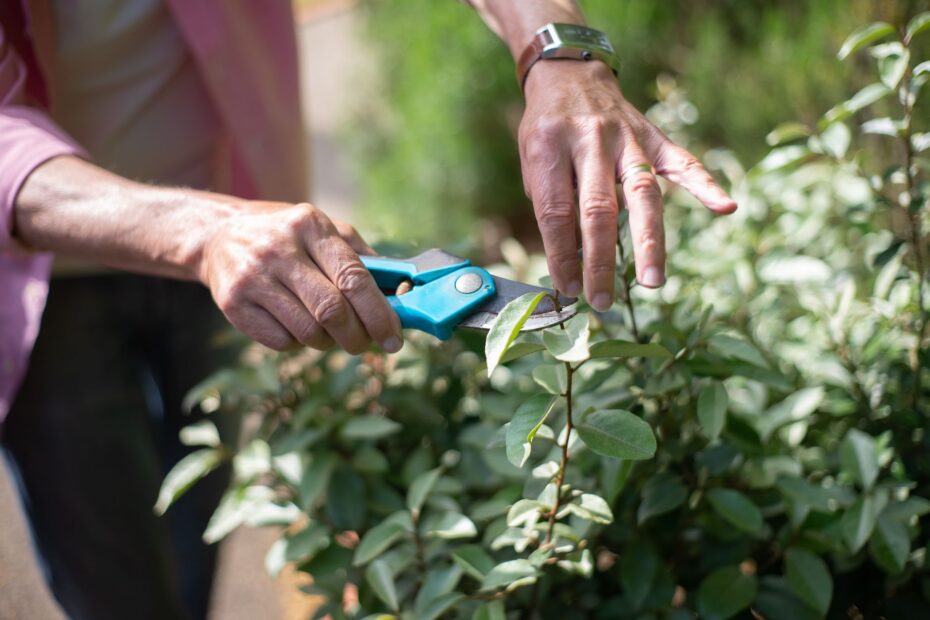
A well-placed cut redirects plant energy, removes damaged tissue, and guides healthier future growth. Your plant does not gain strength from random cutting, yet a well-placed cut can turn a lanky basil stem into a fuller plant or help a young tree form sturdier limbs.
This piece covers growth signals, cut placement, plant health, flowering, fruit quality, seasonal timing, and the limits that protect your garden plants from excess stress.
Pruning Redirects Growth Rather Than Making Every Plant Grow Faster
Removing green tissue is not a magic growth switch. Pruning is the deliberate removal of selected stems, branches, buds, leaves, or fruit for a clear health, structure, or production goal. Your cut needs to solve a visible problem rather than merely make the plant smaller.
Selective Cuts Change Where Growth Goes
Leaves make sugars through photosynthesis. Removing leaves or shoots reduces that sugar-making surface in the short term, so severe cutting can slow recovery. Yet the leaves, roots, buds, flowers, and fruit left behind no longer compete with every removed part for water, minerals, and stored carbohydrates.
That trade-off explains how pruning encourages plant growth. A cut can direct growth toward a chosen branch, wake dormant buds, open a crowded canopy to sunlight, or reduce an oversized crop. Your plant can become bushier, sturdier, or more productive without adding more total biomass than an untouched plant.
Growth speed still depends on plant condition. A vigorous pothos or basil plant can send out visible shoots soon after tip removal, while a drought-stressed shrub can pause for weeks because the cut removed energy-producing tissue during a hard stretch.
Each Cut Needs a Clear Job
- Remove damaged tissue: Cut broken stems so your plant stops sending water and sugars toward parts that no longer function well.
- Direct branching: Shorten a shoot above a live bud to shift future growth into side shoots.
- Open crowded growth: Remove selected interior branches so leaves and fruiting wood receive more light.
- Reduce crop load: Thin small fruit so your plant directs resources into fewer, larger fruits.
- Build structure: Guide young trees and shrubs toward well-spaced limbs that resist splitting under snow, wind, or fruit weight.
Cutting healthy growth without a clear purpose can leave your plant with fewer leaves, fewer stored resources, and little structural gain. Pause before each cut and name the result you want.
The benefits of pruning plants become easier to see once pruning becomes a form of resource routing. That routing begins at the shoot tip, where a chemical signal influences which buds stay quiet and which buds begin growing.
Auxin and Buds Control the Response After a Cut
The tip of a stem acts like a traffic signal for buds below it. Growing shoot tips produce auxin, a plant hormone that travels downward and suppresses lateral buds. Your plant keeps pushing upward because the leading shoot holds back much of the side growth.
Apical Dominance Favors One Leading Shoot
Apical dominance describes this tip-led pattern. A tomato seedling, coleus plant, or basil stem sends resources toward its highest active point, helping it reach light. Your plant is following a built-in pattern shaped by auxin and light exposure.
Remove the terminal tip, and auxin pressure on buds below the cut drops. Lateral buds can begin extending into side shoots, which is why pinching basil above a pair of leaves gives your plant two new stems rather than one taller stem.
Species respond differently. Mint, coleus, and many young shrubs have visible nodes and active buds that respond readily. A bare older branch with no viable buds below the cut cannot produce the same branching pattern, regardless of cut quality.
Roots and Light Limit New Growth
Buds need more than a hormone shift. They need stored energy reserves, water from functional roots, and enough light to make replacement leaves worthwhile. Your houseplant can form side buds after a cut, yet weak window light can leave those shoots thin and stretched.
| Plant condition | Response after tip removal | Practical move |
|---|---|---|
| Firm stems and bright light | Lateral buds can become active within days or weeks during growth. | Pinch above a healthy node and leave several leaves below. |
| Pale leaves and dry soil | Buds can stay dormant while roots recover. | Restore steady care before removing more live tissue. |
| Old, leafless branch | No shoots may appear below the cut. | Check for living buds or choose a thinning cut. |
| Dense outer shrub growth | Interior buds receive little light and stay weak. | Remove selected whole branches to bring light inward. |
Auxin explains fuller stems, but it does not explain every reason to prune. A dead rose cane or rubbing tree limb needs removal for sanitation and structure, even though that cut is not meant to trigger branching.
Light, Air Circulation, and Plant Health Shape Productive Growth
Dead leaves trapped inside a dense shrub can hold moisture long after rain ends. Diseased and dead wood can shelter insects and disease-causing organisms. Your prompt removal of that material reduces places where trouble can persist and spread through crowded growth.
Sanitation Cuts Protect Living Tissue
Blackened rose canes, snapped tomato stems, and branches with sunken lesions do not add useful photosynthesis. Cut back to sound tissue or remove the affected branch at its point of origin. Your tools need cleaning between plants and between diseased cuts on the same plant, so sap does not carry problems onward.
Health cuts differ from growth-shaping cuts. Removing diseased wood protects living tissue from further loss, while shortening a healthy shoot changes where future buds grow. Your pruning plan works better once those purposes stay separate.
Thinning Brings Light Into the Center
Light reaches only so far through a thick canopy. Interior leaves and fruiting spurs lose productivity under heavy shade, while damp, still air lingers around them. Your selective removal of a few crowded branches gives remaining foliage room for light and air circulation.
- Crossing branches: Remove the branch that rubs, because repeated friction opens bark and weakens the limb.
- Inward shoots: Remove shoots growing toward the center, since they crowd the structure you want to keep.
- Dead wood: Remove dry, brittle branches back to living tissue or a sound branch union.
- Diseased stems: Remove affected material with cleaned tools and keep it out of compost piles.
- Water sprouts: Remove weak vertical shoots that shade stronger scaffold limbs and waste stored energy.
Fruit trees show this response clearly. An apple tree with an opened center exposes fruiting wood to more sun, which aids fruit color and bud formation. Your goal is not an empty canopy; it is a canopy with enough space for leaves to work.
Do not cut into a tree or shrub merely because the center looks full. Remove branches that cross, shade key fruiting wood, grow inward, or form weak attachments.
Light and spacing solve only part of the problem. The cut type now becomes the next choice, because shortening a stem produces a different response from removing that stem at its base.
Heading and Thinning Cuts Produce Different Growth Patterns
A stem shortened halfway responds differently from a stem removed at its origin. Heading cuts shorten a shoot and leave buds below the cut. Thinning cuts remove an entire shoot or branch back to its parent stem, branch collar, or main trunk.
Heading Cuts Trigger Growth Near the Cut
Heading cuts suit herbs, bushy houseplants, and shrubs where you want more shoots close to the cut point. Your trimmed basil stem can branch from the two buds below its removed tip. On woody shrubs, heading can produce several vigorous shoots, so scattered cuts work better than clipping every branch into one flat line.
Cut about one-quarter inch above a healthy outward-facing node on a soft or woody stem. A long stub dries back and can become an entry point for decay. Your angled cut needs to shed water without slicing into the bud.
Thinning Cuts Keep a Natural Outline
Thinning removes a crowded branch without forcing a dense cluster of new shoots at the cut site. Your lilac, crabapple, or young shade tree keeps a more open form because the remaining branches continue their existing direction.
| Cut type | Cut location | Visible result | Suitable use |
|---|---|---|---|
| Heading cut | Just above a live node or bud | Buds below the cut can form new side shoots. | Basil, coleus, boxwood, or a young shrub becomes fuller. |
| Thinning cut | At a branch origin or branch collar | Remaining structure gains more light and spacing. | A crowded woody plant keeps a less congested shape. |
| Deadheading cut | At a spent flower and short stem | The plant stops feeding a fading bloom or seed head. | Petunias, coneflowers, and annuals stay tidier. |
Branch Collar Placement Helps Wounds Close
The branch collar is the slightly swollen tissue at the base of a branch. It contains cells that seal over a sound wound. Your branch cut belongs just outside that collar, never flush against the trunk and never several inches away as a stub.
Sharp bypass pruners make a cleaner cut than crushing blades, while a pruning saw handles branches too thick for hand pruners. Clean blades with soap and water after ordinary work; use a labeled household sanitizing product according to its directions after diseased material. Your hands also need to avoid tearing bark during removal.
Heading and thinning cuts set the shape, but season controls how safely that shape changes. A cut during the wrong growth stage can remove flowers, invite winter injury, or push tender shoots during a bad period.
Season and Plant Type Set the Safest Pruning Window
Bare branches reveal a tree’s structure more clearly during dormancy, which makes dormant-season pruning suitable for many deciduous trees and shrubs. Your local frost pattern still matters. Late-winter cuts can trigger tender growth before a hard freeze in colder areas.
Dormancy Fits Structural Work on Woody Plants
Late winter is a common window for removing crossing limbs, damaged branches, and poorly placed shoots from dormant deciduous plants. Sap flow is low, leaves do not hide branch unions, and your pruning choices are easier to see. Avoid heavy cuts on a plant weakened by drought, recent transplanting, or root damage.
Oak wilt timing rules vary by region, and local Cooperative Extension services publish seasonal limits for oak pruning. Your county Cooperative Extension office can give region-specific dates that account for disease pressure and frost risk.
Flower Buds Set a Different Calendar
Spring-flowering shrubs such as forsythia, lilac, and azalea form many flower buds on growth from the prior season. Prune them soon after flowers fade, and your cuts leave time for new stems to set buds for the next display. Winter shearing can remove much of the coming bloom.
Summer-flowering shrubs such as panicle hydrangea bloom on new wood, so dormant cleanup and shaping fit their cycle better. Your plant label or botanical name matters because hydrangea types differ sharply in where they carry flower buds.
Active Growth Fits Soft-Stemmed Plants
- Pinch herbs: Remove soft tips from basil, mint, and coleus during active growth, leaving several leaf pairs for rapid branching.
- Trim houseplants: Shorten leggy pothos, philodendron, or tradescantia stems above nodes while bright light fuels replacement foliage.
- Deadhead flowers: Remove fading blooms before seeds mature, directing resources toward fresh flowers or roots rather than seed filling.
- Shape young trees: Remove competing leaders and poorly angled shoots in small stages while branches remain narrow.
- Thin fruit clusters: Remove undersized or damaged fruit after natural drop, leaving space between fruit for size and color.
Fruit thinning is pruning with a harvest goal. Peach trees and apple trees can set more fruit than their branches and roots can fill. Your removal of excess fruit leaves fewer fruits competing for sugars, water, and minerals, leading to larger, better-quality harvests.
Root pruning belongs in a separate category. Nursery production uses it to produce fibrous roots in containers, and bonsai culture uses it with controlled repotting. Your established landscape plant should not receive routine root cutting, because lost roots reduce water uptake and can destabilize the plant.
Timing gives your plant a fair recovery window, yet volume still decides whether the response is useful or stressful. Even a well-timed cut becomes harmful once too much leaf area disappears.
Moderate Removal Leaves Enough Energy for Recovery
A healthy established tree can tolerate selective removal, but it cannot ignore a sudden loss of much of its canopy. Keep live canopy removal near one-quarter to one-third in a single session, and stay below that range for newly planted, drought-stressed, diseased, or root-damaged plants. Your restraint protects photosynthesis and stored energy reserves.
Heavy Cuts Produce Weak Regrowth
Severe pruning removes the leaves that feed roots and rebuild tissues. Some trees answer with fast upright shoots called water sprouts. Those shoots grow quickly, yet their attachments can be weaker than branches formed through gradual structural pruning.
Topping a tree means cutting major limbs back to stubs or blunt lengths. Your tree loses food-producing foliage, exposes large wounds, and responds with crowded shoots that do not restore sound branch architecture.
Sheared shrubs can face a quieter version of the same problem. Dense outer foliage shades the interior, leaving bare wood inside and all leaves at the surface. Your occasional thinning cuts keep light moving inward better than repeated clipping alone.
Recovery Follows the Growth Cycle
Fresh cuts do not need wound sealant in most cases. Plants close wounds by forming new tissue around the edge, and paint can trap moisture or interfere with that process. Your clean cut and sound branch collar do more than a coating.
Active plants can show bud movement in several days or a few weeks, depending on temperature, light, and root health. Dormant plants can sit unchanged until their normal growth season. Your patience matters because a lack of instant shoots does not prove the cut failed.
Stop live pruning after a light cleanup once your plant shows wilt, leaf scorch, drought stress, transplant shock, or active disease that needs a sanitation plan. Watering, mulch, and diagnosis come before more cutting.
Moderate removal gives growth a chance to respond with strength rather than panic shoots. That restraint also makes the final inspection easier, because every remaining cut needs to justify its place.
A Final Check Stops Mistakes That Set Growth Back
Five minutes spent looking at the whole plant can save years of awkward structure. Identify the plant before cutting, then check its flowering cycle, current stress level, and main pruning purpose. Your hand should not reach for the pruners until each planned cut has a reason.
A Pre-Cut Checklist Keeps the Work Focused
- Name the plant: Use the plant tag or botanical name so timing matches its flowering and growth habit.
- Set one goal: Choose sanitation, structure, size control, branching, or fruit quality before making live cuts.
- Find live tissue: Locate healthy buds, green cambium, and intact branch collars before selecting cut placement.
- Check plant stress: Postpone nonessential cuts on wilted, newly planted, frost-damaged, or severely diseased plants.
- Clean your tools: Remove sap and soil from blades, then sanitize after contact with suspect diseased tissue.
- Count removed growth: Step back after several cuts so your plant does not lose too much canopy.
Common Errors Reduce Vigor and Flowers
Uniform shearing gives every branch the same ending point, which can form a dense shell of leaves around a bare interior. Your shrub benefits more from selected thinning and occasional heading cuts placed at useful buds. Formal hedges are an exception, yet even hedges need a slightly wider base than top so lower foliage receives sun.
Wrong-season pruning can remove flower buds or expose tender shoots to cold. Leaving stubs delays closure, while flush cuts remove protective collar tissue. Your cut placement matters as much as the amount removed.
Disease adds a sanitation problem. Cut out clearly affected tissue only after identifying the issue as far as possible, clean tools between cuts, and remove debris from the planting area. Your broad cutting of a sick plant without diagnosis can spread contaminated sap or leave too little foliage for recovery.
Start with dead, damaged, diseased, and crossing growth. Then make only the fewest added cuts needed for your plant’s health or shape goal. The benefits of pruning plants come from that disciplined sequence rather than aggressive removal.
Final Takeaways
Your strongest pruning choice is the smallest cut that solves a real problem. Remove tissue that no longer serves the plant, use heading cuts to direct branching, use thinning cuts to open structure, and respect season, leaf area, and bud placement. A plant responds well because your pruning works with its biology rather than because cutting forces faster growth.
FAQ
How does pruning encourage plant growth?
Pruning can redirect sugars, water, and hormones toward buds, branches, flowers, or fruit that remain. Your removal of a terminal shoot reduces apical dominance, allowing lateral buds below the cut to grow. Results depend on light, root health, viable buds, species, season, and the amount of leaf area left behind.
How does pruning affect plant growth?
Pruning reduces photosynthetic tissue at once, so your plant has less leaf area making sugars after a cut. Selective removal can still improve future growth by removing dead or crowded material, bringing light into the canopy, and directing resources toward stronger shoots, flower buds, or fewer fruits.
What are the benefits of pruning a plant?
Your plant can gain cleaner structure, better light exposure, improved air circulation, fewer rubbing branches, and removal of dead or diseased stems. Pruning also directs new growth, helps young trees form stronger limb spacing, and allows fruit thinning to produce fewer but larger fruits with less resource competition.
Do plants grow faster if you cut them?
Cutting does not make every plant grow faster. Your vigorous herb or houseplant can branch quickly after tip removal, while a weak, shaded, drought-stressed, or heavily pruned plant can grow more slowly. Pruning changes where growth occurs and can improve its quality rather than adding total growth.
When should you prune to avoid damaging a plant?
Prune dormant deciduous trees and shrubs during late winter for structural work, except where local disease timing limits apply. Your spring-flowering shrubs need pruning soon after bloom, while soft-stemmed herbs and houseplants respond well during active growth. Avoid heavy cuts during drought, transplant shock, root damage, or frost stress.
Can overpruning stunt or kill a plant?
Removing more than one-third of a plant’s foliage at once can stunt growth or trigger decline. Your stressed plant faces greater risk after heavy canopy loss, especially during drought or root damage. Keep live canopy removal near one-quarter to one-third for a healthy established woody plant.