Travel plans, long workdays, and forgetful weekends all lead to the same wilted plants on a Monday morning. Auto watering systems for plants solve that problem in very different ways, depending on whether you tend a windowsill herb garden or a backyard vegetable patch. I pulled together five solid options covering everything from passive capillary setups to programmable hose timers, so finding the right fit takes minutes instead of an afternoon of research.
The Picks In Brief

AC Infinity Self-Watering Fabric Pot Base XL 4-Pack

ORIMERC 150 ft Self-Watering Capillary Wick Cord
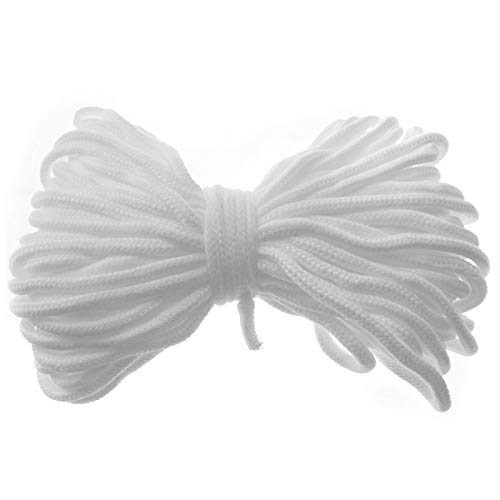
Ruiwaer 20 Meter Self-Watering Wick Cord

RAINPOINT Sprinkler Timer with Cycle and Soak

RAINPOINT 2 Zone Water Timer for Garden Hose
More On The Choices That Made The List
Fabric pots breathe well, but they dry out fast, especially in sunny spots or grow tents. The AC Infinity Self-Watering Fabric Pot Base XL tackles that issue by lifting the pot off the ground and feeding water upward into the root zone through a passive reservoir plate. For anyone running a serious indoor garden or a row of patio planters, this setup removes the daily hand-watering chore without requiring pumps or tubing.
Compared to the simple wick cords later on the list, this base works at a much heavier scale. The base is built to handle larger fabric pots weighing up to 100 pounds, so it suits growers running multi-gallon containers filled with mature plants. Runoff collects in a durable tray and gets pulled back up through capillary action, so the same water serves multiple watering cycles before needing a refill.
A Few Highlights
- Patented wicking plate sends water directly into the root zone, so plants drink from below where roots actually grow.
- Handles fabric pots up to 100 pounds, which covers most large patio and grow-tent setups.
- Built-in runoff tray recycles excess water, reducing how often you need to top off the reservoir.
- Elevates pots off the ground to keep moisture and debris from building up underneath.
- Comes in a 4-pack, so a small indoor garden or patio row gets full coverage in one purchase.
Trade-Offs To Weigh
- Designed specifically for fabric pots, so it won’t help much if your collection is mostly ceramic or plastic containers.
- Larger footprint than a simple wick, so tight windowsills or cramped shelving may not have the room.
- Reservoir needs refilling on a regular schedule, especially during peak summer growth.
Who It Suits Best
Anyone running multiple large fabric pots in a grow tent, greenhouse, or patio setup who wants passive irrigation without electronics.
Swap It Out When
Small-space growers with just a few houseplants will find the ORIMERC capillary wick cord a simpler, more flexible choice.
Sometimes the simplest tool is the right one. The ORIMERC capillary wick cord is exactly what it sounds like: a long cotton-style rope that pulls water from a reservoir up into the soil of any nearby pot. For plant parents heading out of town, this roll of wick offers a quick DIY fix that doesn’t require timers, hoses, or power outlets.
Where the AC Infinity base handles a grow tent at scale, this cord focuses on individual potted plants. One end sits in a bucket, jar, or water bottle and the other end buries into the soil, and capillary action (water naturally climbing through tiny gaps in fibers) does the moving. For most small to medium houseplants, that slow steady drip keeps soil evenly moist through a week or two away from home.
Practical Advantages
- 150 feet of cord means you can water many pots from a single reservoir, or cut shorter lengths for individual plants.
- No batteries, timers, or pumps involved, so there’s nothing to program or break.
- Works with any pot type as long as the wick can reach the soil, making it flexible across mixed collections.
- Setup takes only minutes once you soak the cord and position the ends.
Honest Caveats
- Water flow depends entirely on capillary action, so very thirsty plants may need a thicker cord or multiple wicks.
- You’ll need to source your own reservoir, since the wick ships alone without a bucket or bottle.
- Long-distance wicking from a distant reservoir can slow noticeably, depending on the height difference.
Key Specs
Right Fit For
Travelers and renters who want a no-tools, no-electricity way to keep a dozen or fewer indoor pots alive during a trip.
A Better Fit Elsewhere
Growers running a backyard drip system on a hose tap will get more automation from the RAINPOINT Sprinkler Timer.
Beginners often want to test the wicking-watering concept before committing to a bigger setup. The Ruiwaer Self-Watering Wick Cord offers a lower-cost entry point with about 65 feet of cotton wicking material on a single roll. Functionally, it works on the same principle as the ORIMERC cord: water climbs through the fibers from a reservoir into the soil of a thirsty plant.
This cord is shorter than the ORIMERC roll, which actually makes it a friendlier pick for someone with a handful of houseplants rather than a whole shelf. For most small starter setups, the 20-meter length is plenty. The cotton construction handles repeated soaking without falling apart quickly, though owners in very humid homes may find they replace it sooner than expected.
Strong Points
- Cotton material supports steady capillary action, which keeps soil moisture consistent without overwatering.
- About 65 feet of cord in one roll means you can rig up multiple small pots from a single purchase.
- No tools or experience needed, just scissors, a container, and a pot.
- Lighter upfront commitment, useful for anyone testing whether wick watering fits their routine.
Small Caveats
- Cotton wicks can develop mildew or algae over time in consistently wet conditions, so periodic replacement is wise.
- Shorter roll than the ORIMERC option, so larger plant collections may need multiple orders.
- Flow rate depends on reservoir height and wick length, so thirsty plants in dry rooms may need supplemental watering.
Made For
First-time DIYers who want to try capillary watering on a few houseplants before scaling up to a bigger system.
Look Elsewhere When
Anyone tending heavy fabric pots in a grow tent will be better served by the AC Infinity Self-Watering Fabric Pot Base XL.
Outdoor gardens need a different tool than indoor pots. The RAINPOINT Sprinkler Timer sits between your outdoor spigot and a hose, automating when water flows. The cycle-and-soak feature (running water in shorter bursts with pauses in between) gives soil time to absorb moisture rather than letting it run off into the driveway, which is the main problem on sloped or clay-heavy yards.
Unlike the wick-based systems earlier on the list, this timer requires no daily attention once programmed. The large screen shows all settings at a glance, and a rain delay lets the system skip cycles when nature handles the watering. For most homeowners with a single lawn zone or vegetable bed, this covers the basics without overcomplicating the setup.
Well-Handled Touches
- Cycle-and-soak programming breaks watering into intervals that improve absorption in compacted or sloped soil.
- Large screen makes schedule, frequency, and current status easy to read at a glance.
- 360-degree swivel interface simplifies connecting to the spigot without twisting your wrist.
- Rain delay skips cycles automatically, so you don’t waste water during wet stretches.
- Manual mode lets you run a quick burst without disrupting the stored schedule.
Points To Note
- Single-zone only, so yards with separate lawn and garden areas on different schedules will need two units or a multi-zone timer.
- Requires batteries for the programming memory, which need occasional replacement.
- Outdoor installation only, since it attaches directly to a hose spigot.
Best Suited To
Homeowners with one main lawn, garden bed, or drip line who want hands-off watering that respects soil absorption limits.
Skip It When
Anyone managing two distinct zones with different watering needs should step up to the RAINPOINT 2 Zone Water Timer instead.
Yards with more than one watering zone quickly outgrow single-outlet timers. The RAINPOINT 2 Zone Water Timer runs two independent schedules from one unit, so a thirsty vegetable bed and a drought-tolerant lawn can each get their own program. The upgraded valves reduce flow resistance, and the housing carries an IP65 waterproof rating for outdoor durability.
For most medium-sized yards, this dual-zone design hits the sweet spot between capability and complexity. Each zone gets its own start times and durations, and the rain delay applies across both so a storm doesn’t double up the watering. The lab-tested 20,000-cycle valve life suggests this is built for daily use across a full growing season without wearing out.
Everyday Perks
- Two independently programmable zones replace the need for two separate timers on most yards.
- Upgraded valves cut flow resistance, so water reaches sprinklers and drip lines at full pressure.
- IP65-rated waterproof housing holds up through storms and accidental splashes near the spigot.
- Customizable start times and durations per zone accommodate plants that need different watering rhythms.
A Few Limitations
- More complex programming than single-zone models, so first-time users face a steeper learning curve.
- Battery-powered, so a dead battery mid-summer can leave plants without scheduled water until replaced.
- Higher upfront cost than the single-zone RAINPOINT timer, justified mainly when both zones actually need separate schedules.
Quick Facts
Who Should Grab It
Homeowners managing a lawn and a separate garden bed who want both zones automated from a single spigot.
Consider Something Else When
Anyone with just one watering area will find the single-zone RAINPOINT Sprinkler Timer more than enough.
Picking The Right Auto Watering Setup For Your Space
Matching the system to the plant setup matters more than any single feature. Indoor potted plants thrive on passive capillary systems like the ORIMERC or Ruiwaer wick cords, since both deliver water slowly without any plumbing or electricity. Outdoor beds and lawns need pressurized systems, which is where hose timers like the RAINPOINT models earn their place. Container size is the next filter: small houseplants do fine on thin wicks, while large fabric pots benefit from a reservoir base that handles the weight and water volume.
Water source distance also shapes the choice. Wick cords work best when the reservoir sits within a few feet of the plant, since gravity and capillary pull both weaken over long runs. Hose timers just need a working spigot and decent water pressure, so distance to the plant matters less. For most balconies, a wick system tucked behind a planter handles everything. For most backyards, a hose timer at the spigot covers the whole property on one schedule.
Plant sensitivity to overwatering is the final call. Capillary wicks deliver water only as fast as the soil can pull it, which makes them forgiving for moisture-sensitive species. Timers dump water on a schedule whether the soil needs it or not, so pairing them with a rain delay (and checking soil moisture weekly during peak summer) prevents root rot. Matching the system to your routine is the real win: less checking, less guessing, healthier plants.
Key Considerations Across These Picks
Pitfalls Shoppers Hit
Underestimating water demand is the most common mistake. A sunny patio can pull a gallon from a fabric pot in a single afternoon, so any “set and forget” claim needs verification against actual plant size and sun exposure. Another slip-up is skipping the rain delay on hose timers, which leads to overwatering during storm-heavy weeks and stressed roots by midsummer. For wick systems, ignoring reservoir refill schedules turns a vacation helper into a dry-soil disaster after the first week.
What The Higher Tier Buys
Moving from a single-zone RAINPOINT timer to the 2-zone model costs more upfront, but the upgrade pays off when your yard actually has two distinct watering areas. The added valves, dual programming, and improved waterproofing translate into real durability and flexibility rather than cosmetic extras. Higher-tier wick systems tend to use thicker fibers and longer rolls, which improve capillary flow over greater distances. For most shoppers, paying up makes sense only when the basic version genuinely can’t handle the job.