I help people set up indoor gardens, and the most common plea I hear is for something that waters while life gets in the way. Travel, work shifts, and forgetful Tuesdays all wreck a watering routine. A solid automatic plant watering system indoors solves the silent neglect that turns leafy friends brown, and the five picks below cover everything from a single windowsill to a full grow tent.
The Essentials At A Glance

DFDNFF 160FT Quick-Connect Drip Irrigation System

VIVOSUN 4-Pack FlexFeed Self-Watering Pots
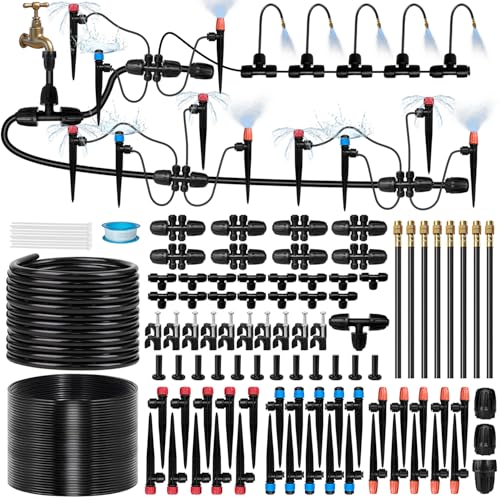
GGAQHLK 230FT Drip Irrigation System with Copper Nozzles

RAINPOINT Easy-Setup Automatic Plant Waterer Indoor
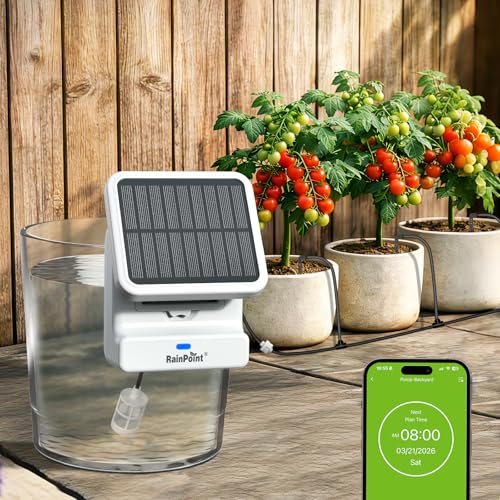
RAINPOINT Smart WiFi Solar Drip Irrigation System
The Strengths Of Each Pick
Long runs of indoor greenery, like a row of pothos along a shelf or a cluster of potted herbs on the floor, run into the same problem: hand watering ten plants ten different times. The DFDNFF 160FT Quick-Connect Drip Irrigation System stretches across a room with 160 feet of tubing, so a single faucet hookup can reach a whole indoor garden without stretching joints.
Quick-connect fittings snap together after a tube cut, which keeps setup time short and avoids the fiddly compression rings that frustrate first-time builders. Compared to the smaller fabric-pot solution below, this one is built for breadth, not depth. Most apartments will use only a fraction of the tubing and leave the rest coiled for future plant additions.
Useful Highlights
- 160-foot tubing reaches plant groupings spread across a large room
- Push-in quick-connect fittings cut install time for first-time builders
- Drip emitters target the root zone, so less water goes to waste
- Scales easily as the indoor collection grows, no full rebuild needed
Things To Consider
- A faucet or pump hookup is required, which adds a step at install
- More tubing than most small apartments need, expect to coil the excess
Who It Suits Best
Plant parents with a long indoor row of mixed greenery who want one hookup to reach them all.
Skip It When
A solo pot on a desk calls for the RAINPOINT Easy-Setup Automatic Plant Waterer Indoor instead, since dial controls beat tubing runs for a single plant.
Fabric grow bags dry out fast, and a soggy base ruins roots faster than a dry day does. The VIVOSUN 4-Pack FlexFeed Self-Watering Pots solve this with a glass fiber-reinforced polypropylene base rated to hold up to 130 pounds, which is plenty of headroom for soil, water, and a mature plant in a 5-gallon fabric bag.
Each base holds a 1.3-gallon reservoir that wicks moisture up to plant roots over roughly a week, depending on temperature and light. Owners commonly pair these bases with fabric pots for tomatoes, peppers, and leafy greens indoors. The FlexFeed system can also be wired to a drip kit later, so it grows with the gardener’s skill level.
Points In Its Favor
- 130-pound load rating handles mature fabric pots without bowing
- 1.3-gallon reservoir covers up to a week between refills
- Four-pack covers a starter indoor veggie setup out of the box
- Glass fiber reinforcement resists cracking during seasonal moves
Worth Noting
- Reservoir needs a manual refill every several days in warm rooms
- Designed specifically for fabric pots up to 5 gallons, not standard rigid planters
Feature Snapshot
Made For
Indoor growers using fabric pots who want a wicking base that handles weight and refills itself for a week at a time.
Consider Something Else When
A traditional rigid pot on a shelf fits the RAINPOINT Easy-Setup Automatic Plant Waterer Indoor better, since drip lines work more naturally with standard planters.
Bigger indoor builds, like a greenhouse corner or a converted closet grow, outgrow a single tubing line fast. The GGAQHLK 230FT Drip Irrigation System handles that scale with 1/2-inch main tubing that holds higher water pressure and supports a 1/2-inch tee split into two independent watering zones.
Thirty-eight adjustable copper nozzles screw into the line, and copper holds up better to repeated tweaks than cheap plastic heads. Unlike the DFDNFF 160FT system above, this kit splits water delivery into two zones, which lets one side run longer for thirsty tomatoes while the other stays short for herbs.
What Works In Its Favor
- 230-foot run reaches across large indoor greenhouses and grow tents
- Tee connector creates two zones for different plant water needs
- Copper nozzles resist wear from repeated flow adjustments
- Direct root-zone delivery cuts evaporation loss compared to misting
Trade Offs
- More parts than a beginner needs, expect a longer planning pass
- Copper nozzles can mineral-clog in hard-water areas without occasional cleaning
Key Product Details
Best Suited To
Serious indoor growers running a large setup who need two watering zones from one supply line.
Reach For A Different Pick When
A small herb garden on one shelf makes more sense with the DFDNFF 160FT Quick-Connect Drip Irrigation System, since two zones add complexity a smaller setup does not need.
Programmable timers used to ship with menus deep enough to scare off a casual plant owner. The RAINPOINT Easy-Setup Automatic Plant Waterer Indoor strips all of that back to two dials: one sets how long the water runs, the other sets how often. Most people are dialing in their schedule within a minute of opening the box.
Battery power keeps the unit cordless, and an IP54 rating means the occasional splash or dust kick-up does not kill the unit. It runs a drip line to 10 to 15 plants, which covers a typical indoor collection without overflow. Compared to the tubing-heavy kits above, this one trades scale for simplicity, and that is the point.
Real Benefits
- Two-dial control removes menus and digital screens from setup
- Adjustable duration from 15 seconds to 20 minutes covers most plant types
- Frequency range from every 6 hours to every 14 days fits any schedule
- IP54 rating handles indoor humidity and the occasional splash
- Battery power means no outlet hunting near the plant shelf
Honest Caveats
- Batteries need replacement every few watering cycles, depending on use
- Limited to 10 to 15 plants before flow gets stretched thin
Quick Facts
Who Should Grab It
First-time gardeners who want set-and-forget watering without learning menus or programming screens.
Look Elsewhere When
An apartment full of fabric grow bags makes more sense with the VIVOSUN 4-Pack FlexFeed Self-Watering Pots, since a wicking base beats drip tubing for fabric setups.
Travelers and forgetful waterers want a system that pings them, not one that silently runs out. The RAINPOINT Smart WiFi Solar Drip Irrigation System pairs a small solar panel with WiFi control through a phone app, so a watering session can be tweaked from an airport gate or a hotel room.
Push and email notifications flag water shortages before plants suffer, which closes the gap left by most timers that just stop without warning. Coverage stretches to 10 to 20 plants, and the solar panel trims the battery swaps that the dial-only RAINPOINT model above still requires. The honest trade-off is the app learning curve, which adds a setup step a pure dial avoids.
Where It Helps
- Solar panel extends runtime and cuts battery swap frequency
- App control adjusts watering from anywhere with internet access
- Water-shortage alerts protect plants before the reservoir runs dry
- Covers 10 to 20 plants, more reach than the dial-only RAINPOINT model
Points To Keep In Mind
- App pairing adds a setup step that the dial-only RAINPOINT model skips
- Solar charging depends on a window or grow-light placement for steady top-ups
Whose Shelf It Belongs On
People who travel often or manage a larger indoor collection and want remote monitoring and shortage alerts.
A Better Fit Elsewhere
Someone who just wants simple two-dial watering without an app is better served by the RAINPOINT Easy-Setup Automatic Plant Waterer Indoor above.
What Matters Most Before Choosing an Indoor Watering System
Match The System To The Plant Count
The biggest mistake I see is buying a tubing-heavy kit for a desk fern or a single-dial timer for a grow tent. Count plants first, then pick a coverage range. A 10 to 15 plant dial timer handles most shelves, while a 20 plant WiFi kit or a 230-foot tubing run only earns its keep across a large indoor layout. Reserving the right scale avoids tangled excess tubing and stretched emitters that underperform.
Decide Between Drip Lines And Reservoir Bases
Drip irrigation delivers water through tubing and emitters to each pot, which works well for standard planters and large rooms. Reservoir bases wick water up from below, which suits fabric pots and growers who refill less often. Fabric pot growers usually prefer the VIVOSUN FlexFeed base, while mixed rigid-pot collections benefit from a drip line. Matching the delivery style to the pot style keeps roots evenly moist without daily babysitting.
Power Source And Placement
Battery and solar units install anywhere, which suits rentals and shelves far from outlets. Plug-in pumps push more water through longer tubing runs but tie the system to a nearby outlet. Indoor humidity, splash risk, and sunlight for solar top-ups all shape the right pick. An IP54 rating helps in kitchens and bathrooms where mist builds up.
Control Style And Learning Curve
Dial timers like the RAINPOINT Easy-Setup unit trade flexibility for speed, so beginners can dial in a schedule in minutes. App-controlled systems offer finer scheduling and alerts, but add a WiFi pairing step. Pick the control style that matches the gardener’s patience, since an unused app is worse than a simple dial.
Key Considerations Across These Picks
Common Shopping Slip Ups
The most common slip is buying a long tubing kit for a small apartment and ending up with coiled excess that collects dust. Another is choosing an app-controlled unit for a casual gardener who will never open the app. Measure plant count, confirm pot style, and pick the simplest control that still covers the schedule.
Why Top Tier Costs More
Smart WiFi systems like the RAINPOINT Smart WiFi Solar unit cost more because of the solar panel, the app, and the shortage alerts. Higher tubing counts and copper nozzles in the GGAQHLK 230FT kit raise the price through heavier materials and zone-splitting parts. The upgrade pays off when the indoor collection is large or the gardener travels often.
Frequently Asked Questions
How does an automatic plant watering system indoors actually work?
Most units use a timer, a pump or gravity feed, and a network of tubing or wicking bases to deliver water on a set schedule. The timer triggers the flow, and the tubing or base carries it to each pot. Dial timers like the RAINPOINT Easy-Setup unit run without an app, while smart systems use WiFi for remote tweaks.
Can one system cover an entire apartment of plants?
Long tubing kits like the GGAQHLK 230FT system reach across a full room or grow tent with two-zone support. Smaller dial and WiFi units typically cover 10 to 20 plants before flow gets stretched. For a packed apartment, plan for one main run plus a reservoir base for fabric pots.
Do these systems work with fabric grow bags?
Drip tubing works, but a wicking base like the VIVOSUN FlexFeed base pulls water up from below and avoids soggy bottom issues common with fabric pots. Pairing drip lines with a raised base also helps drainage in fabric setups. Most growers using fabric pots see better results with a reservoir base than a drip line alone.
How often do the batteries need changing?
Battery life depends on how often the timer fires and how long each watering session runs. A dial timer watering 10 plants every other day may run for several months on a set of batteries. Solar panels on units like the RAINPOINT Smart WiFi system extend that further, though they still need periodic top-ups from a window or grow light.
Are indoor watering systems hard to install?
Quick-connect fittings on tubing kits and two-dial timers on battery units keep most installs under an hour. The harder part is mapping the route, not plugging parts together. App-controlled systems add a WiFi pairing step that takes a few extra minutes the first time.
The Takeaway
An automatic plant watering system indoors is one of those quiet upgrades that pays for itself the first time a trip would have left plants parched. Match the scale and control style to the actual indoor setup, and the rest takes care of itself. Pick the one that fits the room, set it up once, and let the plants drink on schedule.