I know how it goes: a sunny weekend rolls around, the roses are sending out fresh canes, and the old kitchen scissors just aren’t cutting it. Good clippers for plants save your hands, keep cuts clean, and make quick work of everything from deadheading herbs to trimming young fruit wood. Below, I’m breaking down six solid options across price tiers and use cases, from casual container-garden upkeep to heavier shrub work.
An Overview Of The Picks
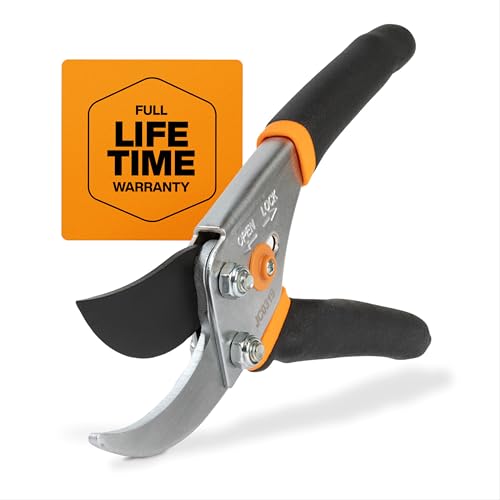
Fiskars Bypass Pruning Shears (5/8″ Cut)
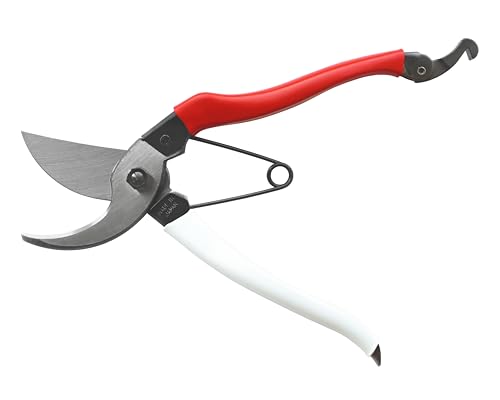
Okatsune 104 Pruning Shears (8.3″)

Fiskars Forged Bypass Pruners (1″ Cut)

Fiskars SoftGrip Bypass Pruners (5/8″)

Felco F2 Pruning Shears (9.25″)

Kimura 8″ Pro Pruning Scissors
Meet The Standout Selections
For the average backyard gardener who trims a few rose bushes and tidies up tomato suckers, this Fiskars model is the kind of tool that quietly disappears into the routine. The bypass action means two curved blades pass each other like scissors, which gives you a cleaner slice on green, living stems than a flat anvil cut that can crush soft tissue.
It carries a fully hardened, precision-ground steel blade that holds an edge through repeated use, and a 5/8″ cut capacity covers most stems you’ll meet in a flowerbed or herb patch. In my experience helping friends sort through gear, this is often the one pair that stays in the garden shed year after year.
Noteworthy Benefits
- Bypass cutting action slices cleanly through live green stems, reducing damage to plant tissue
- Hardened steel blade stays sharp across many pruning sessions, which matters during a busy spring
- Compact size fits comfortably in most hands and stores easily in a tool belt or apron pocket
- Lightweight body keeps fatigue low during longer weeding-and-trimming afternoons
Things To Consider
- The 5/8″ capacity limits you on woody shrubs; anything thicker calls for a heavier tool
- Owners commonly mention sap buildup, so a quick wipe-down after each session keeps the action smooth
Feature Snapshot
Who It Suits Best
This is the right fit for casual home gardeners working with flowers, small shrubs, and vegetable beds where the cuts stay under half an inch.
Consider Something Else When
For heavier woody growth and branches pushing an inch or more, the Fiskars Forged Bypass Pruners (1″ Cut) reviewed below offer more cutting muscle.
Where the Fiskars pick above feels like a friendly generalist, the Okatsune 104 leans into the precision side of things. The 8.3″ frame and high-grade knife steel blade draw a clear line toward gardeners who shape bonsai, train fruit spurs, or do detailed topiary work where cut quality matters as much as cut power.
At 210 millimeters long, it gives you a bit more reach than a typical compact pruner, which helps in dense rose canes or deep into a shrub’s branching. The olefin-covered carbon steel handles provide a grip that stays steady when the morning dew is heavy.
Practical Advantages
- Knife-grade steel blade delivers a noticeably cleaner slice through fine stems
- Longer 8.3″ body reaches deeper into dense shrubbery without awkward hand positions
- Japanese craftsmanship appeals to detail-oriented pruners shaping ornamentals
- Slim profile slips easily into a back pocket or tool roll between cuts
Worth Noting
- Carbon steel handles can show surface wear over time and benefit from an occasional dry cloth wipe
- Not built for thick branches, so a separate heavy-duty tool may still earn its keep
Quick Facts
Made For
Detail-oriented gardeners shaping roses, ornamental shrubs, and small fruit trees who prize cut precision over raw power.
Look Elsewhere When
If your main task is deadheading flowers and trimming herbs in a kitchen garden, the Kimura 8″ Pro Pruning Scissors offer a lighter, more nimble option.
This is the upgrade path when your day drifts into older, woodier growth. The forged steel handles give this pair noticeably more backbone than the lighter Fiskars option earlier in the list, which translates to cleaner cuts on branches up to a full inch across without the blade twisting in the cut.
For someone restoring an overgrown lilac or reclaiming a neglected raspberry patch, the wider capacity opens up jobs that would normally call for loppers. The fully hardened, precision-ground steel blade stays serviceable through heavy seasonal use, which matters when you have a long list before the rain rolls in.
Benefits That Matter
- 1″ cut capacity tackles branches the standard 5/8″ pruners can’t reach
- Forged steel body resists flexing during heavy cuts, so the blade tracks true
- Hardened blade edge keeps sharpness across demanding spring cleanup
- Same familiar Fiskars ergonomics make the jump from smaller models easy
Trade Offs
- Heavier than the standard bypass model, which may tire smaller hands during long sessions
- Overkill for tight flowerbed work, so a second lighter pair is often useful alongside it
Best Suited To
Gardeners with mature shrubs, established fruit bushes, or woody perennials who regularly face branches beyond half an inch.
A Better Fit Elsewhere
For mostly soft-stem deadheading and container herbs, the lighter Kimura 8″ Pro Pruning Scissors are easier to wield for quick, repetitive snips.
Compared to the original Fiskars bypass model in the first slot, this SoftGrip version focuses on comfort over a long afternoon. The padded grip zones reduce pressure points on the fingers, which makes a real difference during multi-hour sessions or for anyone with arthritic hands. The self-cleaning sap groove is a small detail that pays off when you’re moving between sappy conifers and tidy roses.
You still get the precision-ground steel blade and the same 5/8″ capacity that suits most flowerbed work. In a kitchen garden or front-yard foundation planting, the softer grip tends to win out after hour two.
Real-World Strengths
- Soft-grip handle reduces hand fatigue during extended pruning runs
- Self-cleaning sap groove keeps blade action smooth when cutting sappy stems
- Steel blade holds its edge through the kind of regular use most homeowners put it through
- Light, balanced feel makes it approachable for gardeners with smaller grip strength
Points To Note
- Same 5/8″ capacity as the standard Fiskars, so thick branches still need a heavier tool
- Soft-grip surfaces can collect grime over the season, so a rinse after muddy days helps
Feature Rundown
Whose Shelf It Belongs On
This one earns its keep for gardeners with smaller hands, joint sensitivity, or anyone planning a long day of detail trimming.
Reach For A Different Pick When
For sheer cutting authority on older wood, the Fiskars Forged Bypass Pruners (1″ Cut) bring more backbone to the job.
The Felco F2 sits in a different conversation than the picks above. This is the Swiss-made tool that orchardists, vineyard crews, and professional landscapers have leaned on for decades. The forged aluminum handles keep the weight low despite the 9.25″ length, so a long workday doesn’t punish your wrist the way steel-bodied pruners can.
The hardened steel bypass blade handles branches up to an inch across, and the replaceable parts design means a worn blade, spring, or catch can be swapped out instead of replacing the whole tool. For anyone pruning daily, that serviceability is what separates it from the disposable end of the market.
Notable Upsides
- Swiss-made construction with replaceable blades and springs extends the tool’s working life
- Forged aluminum handles cut weight without sacrificing strength
- 1″ cutting capacity covers the bulk of orchard and landscape work
- Hardened steel blade delivers consistent cuts that heal cleanly
Honest Caveats
- The upfront cost is noticeably higher than the consumer-grade picks earlier in the list
- Periodic sharpening is part of ownership, so factor in a small whetstone for routine care
The Key Facts
Perfect Match For
Serious home orchardists and professional gardeners who prune most days and want a tool that can be serviced, not replaced.
Swap It Out When
If your weekend chore is light deadheading on a patio container garden, the Fiskars SoftGrip Bypass Pruners are a friendlier price point for that scale of work.
The Kimura rounds out the list as the nimble, scissor-style option for gardeners who do a lot of fine work. Where the Fiskars and Felco picks above are classic pruner shapes, these handle like a cross between snips and pruners, which makes a long stretch of deadheading petunias or trimming basil far less tiring on the hand.
The Japanese SK5 hi-carbon steel blade is forged and heat-treated for edge retention, so you’re not constantly stopping to sharpen between cuts. The vinyl-coated handles stay grippy in damp morning conditions, which matters when the dew hasn’t lifted yet.
Useful Strengths
- Lightweight scissor-style action reduces fatigue during repetitive trimming
- SK5 hi-carbon steel holds a sharp edge through long harvesting sessions
- Vinyl-coated handles provide confident grip even when the foliage is wet
- Compact 8″ size suits tight herb beds, flower borders, and indoor plant care
Points To Weigh
- Designed for green stems and soft growth, so woody shrubs need a heavier companion tool
- Smaller handles may feel tight during extended use by gardeners with larger hands
Who Should Grab It
Cooks with kitchen herb gardens, flower gardeners focused on deadheading, and indoor plant keepers who want precise, scissor-like control.
Skip It When
For pruning established fruit trees and thicker branches, the Felco F2 Pruning Shears deliver the leverage and cutting authority that this lighter format can’t match.
What Matters Most Before Choosing Clippers for Plants
Match the Cut Style to Your Plants
Bypass pruners work like scissors: two curved blades pass each other to slice cleanly through living green stems. Anvil pruners use a single straight blade that closes onto a flat plate, which crushes more but cuts woody dead wood faster. For most home gardeners working with live flowers, vegetables, and shrubs, a bypass design is the safer default because cleaner cuts heal faster and reduce disease entry points.
Look at Cut Capacity Honestly
A 5/8″ capacity handles the majority of flower stems, herb trims, and light shrub work. Stepping up to 1″ opens up older raspberry canes, lilac stems, and young fruit wood. Match the rating to the thickest stems you actually face, not the thinnest. Forcing a small pruner through oversized branches damages the blade and strains the pivot.
Consider the Grip and Weight
A comfortable handle matters more than most shoppers expect. Soft-grip or padded designs spread pressure across the fingers, which adds up across a multi-hour session. Forged aluminum bodies keep weight down on longer pruners, while steel-bodied models tend to feel sturdier but heavier. Try to imagine holding the tool for an hour, not thirty seconds.
Plan for Maintenance and Service
Replacement blades, sharpenable edges, and serviceable springs all extend the working life of a tool. Cheaper pruners often become disposable once the blade dulls or the spring stretches. Higher-tier models like the Felco lean into replaceable parts for that reason, while entry-level picks are best treated as consumables you replace every few seasons.
Key Considerations Across These Picks
Pitfalls Shoppers Hit
Buying the largest capacity pruner you can find, then discovering it is too heavy for the deadheading you do most days. The other common slip is ignoring the grip shape; pruners that look fine in a photo can feel awkward after twenty minutes. Measure your hand against the handle opening, and think about whether your gardening leans toward quick snips or sustained cuts.
Where The Extra Money Goes
Higher-tier pruners typically spend the money on better steel, tighter pivot tolerances, and replaceable parts. That translates to cleaner cuts, longer edge retention, and the option to swap a worn blade instead of replacing the whole tool. For weekend gardeners, the upgrade pays off over years of use rather than months, so weigh it against how often you’re out there with shears in hand.
Frequently Asked Questions
What size pruners do most home gardeners need?
For most flower beds, herbs, and small shrubs, a 5/8″ bypass pruner covers the typical workload. Step up to a 1″ capacity once you’re regularly cutting older raspberry canes, lilac stems, or small fruit tree branches.
How often should I sharpen my pruners?
A quick touch-up with a sharpening stone every few weeks during heavy season keeps the edge working well. A full sharpening once a year is a reasonable baseline for casual gardeners who prune through spring and summer.
Are expensive pruners worth it?
For daily use, yes. Higher-tier models like the Felco F2 use replaceable blades and springs, so the tool outlasts cheaper alternatives. For occasional weekend trimming, a mid-range Fiskars or Kimura usually delivers more than enough cutting quality.
Can I use pruners on dead wood?
Bypass pruners can handle small dead twigs, but thicker dead branches crush and damage the blade. Anvil pruners or loppers are a better match for dead wood over half an inch across.
How do I clean pruners after use?
Wipe the blades with a dry cloth to remove sap, then a quick rub with a little oil keeps the pivot from sticking. Sterilizing with rubbing alcohol between plants helps prevent spreading disease across your garden.
Closing Remarks
The right pair of clippers for plants comes down to what you’re cutting and how often you’re out there with them. Casual trimmers will be happy with a comfortable 5/8″ bypass model, while heavier shrub work calls for forged steel and a wider capacity. Pick the tool that matches your garden’s actual demands, and your hands will thank you come spring.