Peppers reward steady, gentle feeding more than most vegetables, and a good fish emulsion delivers exactly what those heavy feeders want. The challenge is sorting through bottles that look similar but behave very differently once diluted and poured over a raised bed. I pulled together six options worth your time, focusing on nutrient ratios, real-world usability, and how each one handles the quirks of growing peppers from transplant through harvest.
The Main Contenders

Neptune’s Harvest Seaweed Plant Food (0-0-1) Liquid Fertilizer Quart

The Grow Co Organic Fish Fertilizer 1 Gallon

Neptune’s Harvest Fish & Seaweed Fertilizer (2-3-1) 36oz
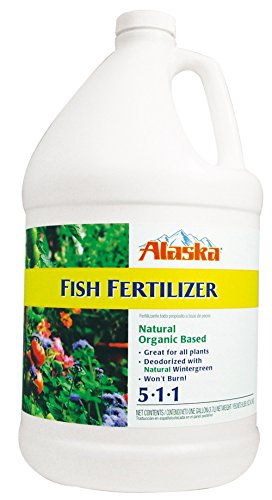
Alaska Fish Emulsion 5-1-1 Fertilizer 1 Gallon
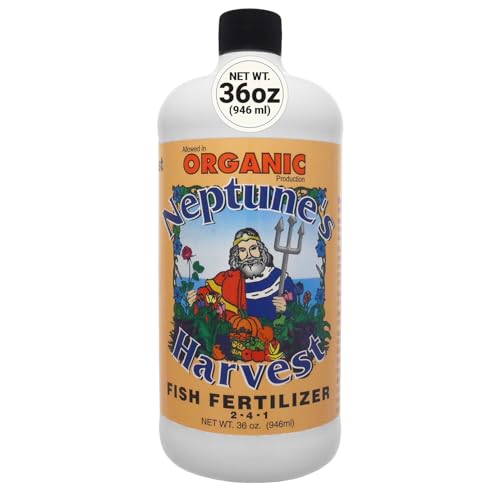
Neptune’s Harvest Fish Fertilizer (2-4-1) Hydrolysate Quart

Neptune’s Harvest Tomato & Vegetable Fertilizer (2-4-2) 2-Pack Quart
The Details Behind The Selections
Technically not a fish emulsion at all, but worth keeping on the radar for any pepper grower. Neptune’s Harvest Seaweed Plant Food uses Norwegian kelp (Ascophyllum Nodosum, a brown algae harvested in cold North Atlantic waters) to deliver trace minerals, amino acids, and natural growth hormones in a 0-0-1 NPK ratio. That zero-nitrogen profile makes it almost impossible to scorch young roots, so I think of it as a confidence-builder for the first few weeks after transplanting peppers into the garden.
The quart size handles a modest raised bed through an entire season when diluted according to the label. Indoor seedlings, outdoor containers, and even foliar feeding on established plants all sit comfortably within its design.
Useful Touches
- Zero nitrogen means no risk of burning tender seedling roots, which is exactly what nervous first-time pepper growers want
- Foliar application (spraying diluted solution directly onto leaves) gives a quick boost during transplant shock without overwhelming the plant
- Cold-water kelp retains natural cytokinins and auxins (plant hormones that drive cell division and root development), supporting steady establishment
- Versatile across containers, raised beds, and in-ground plots in the same season
Worth Noting
- The 0-0-1 ratio provides no nitrogen or phosphorus, so this cannot carry peppers through the vegetative or fruiting stages alone
- Comes in a quart only, which runs out faster than gallon options for gardeners with larger plots
Right Fit For
Growers who want a safe starter feed for peppers in their first two to three weeks after transplant, especially anyone nervous about burning young plants with stronger concentrates.
Reach For A Different Pick When
You need actual nitrogen and phosphorus to drive pepper growth, in which case The Grow Co Organic Fish Fertilizer gives a much more complete feeding profile for the same investment.
The Grow Co leans into volume. One gallon of cold-pressed fish emulsion (fertilizer made by crushing whole fish and preserving the liquid, rather than heat-extracting it) covers a substantial backyard garden through an entire pepper season when mixed at the standard foliar or root-drench dilution. The cold-press method matters because it preserves amino acids, vitamins, and enzymes that heat processing tends to destroy, leaving a more biologically active liquid for peppers to absorb.
Peppers grown in larger raised beds or community plots benefit from this kind of bulk packaging. Compared to Neptune’s Harvest Seaweed Plant Food, this one actually feeds nitrogen and phosphorus rather than just supplementing trace minerals.
What Stands Out
- Cold-press processing keeps more of the natural nutrient profile intact compared to heat-based methods
- One gallon stretches across an entire backyard pepper patch for the season
- Sustainable sourcing uses parts of the fish that would otherwise go to waste
- Works across vegetables, fruits, and flowers without buying multiple products
Things To Consider
- The fish smell during application is noticeable, so outdoor feeding on calm mornings works better than mixing near open windows
- A full gallon jug is heavy and awkward to store once opened
- Dilution ratios must be measured carefully, since concentrate is potent
Feature Snapshot
Built With In Mind
Growers managing large raised beds or community garden plots who want one container to last an entire pepper season without reordering.
Look Elsewhere When
You only have a small container garden on a balcony, in which case the quart-size Neptune’s Harvest Fish Fertilizer (2-4-1) is easier to handle and store.
Neptune’s Harvest blends 75 percent fish with 25 percent seaweed in this 2-3-1 formula, which I think hits a sweet spot for mid-season pepper care. The fish delivers the nitrogen and phosphorus peppers want during active growth, while the seaweed component adds trace minerals and natural hormones that support steady development rather than sudden leafy surges.
The 36-ounce bottle fits comfortably under a kitchen sink or in a small shed, and the same product handles vegetables, flowers, trees, and lawns. For pepper growers who want one bottle to do meaningful work through the whole season, this combo approach removes the guesswork.
Positive Takeaways
- Combined fish and seaweed gives broader nutrition than fish-only formulas at a similar dilution
- The 2-3-1 ratio leans slightly toward phosphorus, supporting root and flower development in peppers
- Liquid format mixes easily in a watering can with no gritty residue to clog sprayers
- Same bottle handles indoor and outdoor feeding without buying separate products
Points To Keep In Mind
- The 36-ounce bottle is mid-sized, so larger gardens may need multiple bottles per season
- Fish smell is present during mixing and application, though usually milder than pure fish emulsions
Who Should Grab It
Pepper growers who want one versatile liquid feed to carry plants from transplant through early flowering without juggling multiple products.
Consider Something Else When
Your peppers are already in heavy fruit production and need more potassium, in which case Neptune’s Harvest Tomato & Vegetable Fertilizer offers a stronger fruiting profile.
Alaska Fish Emulsion leans heavily toward nitrogen with a 5-1-1 ratio, which makes it a different kind of tool than the gentler fish products earlier in this list. The natural wintergreen deodorizing is the detail I appreciate most, since it takes the edge off the typical fish smell that sends some gardeners back inside. The “will not burn” claim is reasonable at recommended dilutions, though the high nitrogen still rewards careful measuring.
This product shines during the leafy growth phase before peppers start setting fruit. The gallon size suits anyone tending a sizable veggie patch.
The Good Stuff
- High nitrogen drives vigorous leaf and stem development during the vegetative stage
- Wintergreen deodorizer keeps the smell manageable during mixing and application
- Works across all plant categories, so the same product handles peppers alongside herbs and ornamentals
- One gallon covers a substantial garden through multiple feeding cycles
Honest Caveats
- The 5-1-1 ratio can push excessive foliage at the expense of flowers and fruit if used too late in the season
- Stronger concentrate demands accurate dilution to avoid stressing pepper roots
- Packaging varies between production runs, which can affect shelf life expectations
Quick Facts
Perfect Match For
Growers who want strong leafy growth on peppers before flowering, especially anyone building up young plants in their first six to eight weeks outdoors.
A Better Fit Elsewhere
Peppers already in flower or fruit, where Neptune’s Harvest Fish Fertilizer (2-4-1) gives a more balanced nutrient profile for the productive stage.
Neptune’s Harvest Fish Fertilizer carries a 2-4-1 NPK that tilts clearly toward phosphorus, which is the nutrient peppers crave most when shifting from leafy growth to flower and fruit production. It’s made through a cold-process hydrolysate method, meaning the fish is broken down with enzymes rather than heat, which preserves vitamins, enzymes, and natural growth hormones for peppers to actually absorb.
The North Atlantic sourcing avoids lake and farmed fish, so the mineral profile reflects a clean ocean origin. Compared to Alaska Fish Emulsion, this one gives up some nitrogen power in exchange for stronger fruiting support.
The Upside
- Higher phosphorus ratio directly supports blossom development and fruit set in peppers
- Cold-process hydrolysate preserves biological activity that heat extraction would destroy
- Quart size stores easily on a shelf or in a small garden cabinet
- Covers vegetables, flowers, fruit trees, and grass with one bottle
Some Limits To Know
- Lower nitrogen means it isn’t ideal as a sole feed for the early vegetative stage
- The fish smell during application is pronounced, so outdoor mixing on breezy days helps
Feature Rundown
Best Suited To
Pepper growers focused on maximizing blossom count and fruit set during the productive phase of the season, especially those already past the leafy growth stage.
Skip It When
Your peppers are still small seedlings needing gentle nitrogen support, in which case Neptune’s Harvest Seaweed Plant Food provides a safer entry point.
Neptune’s Harvest Tomato & Vegetable blend layers fish, seaweed, molasses, yucca extract, and humic acids (organic compounds that improve soil structure and nutrient uptake) into a 2-4-2 liquid. The molasses feeds beneficial soil microbes, while the yucca extract acts as a natural wetting agent that helps the fertilizer spread evenly across soil and foliage. That combination makes it the most complete option in this roundup for a varied edible garden.
The two-pack quart format delivers more total volume than a single quart, which suits mid-sized pepper plantings without committing to a full gallon. Compared to the simpler Fish & Seaweed 2-3-1 earlier in this list, this one targets the “vegging” stage with extra potassium for fruit development.
Bright Spots
- Five-ingredient formula addresses nutrient uptake, soil biology, and fruit development in one bottle
- The 2-4-2 ratio balances phosphorus and potassium for stronger fruit set on peppers
- Yucca extract improves spray coverage and soil penetration
- Two-pack quart offers better value than single-quart options without jumping to gallon size
Factors To Consider
- More ingredients mean a richer smell that takes longer to dissipate after application
- Higher complexity makes it harder to diagnose plant responses compared to simpler formulas
Whose Shelf It Belongs On
Growers running a mixed edible garden with peppers alongside tomatoes, squash, and other heavy feeders who want one comprehensive feed across the whole plot.
Swap It Out When
You only grow peppers and want a cleaner, simpler fish-only formula, in which case Neptune’s Harvest Fish Fertilizer (2-4-1) delivers focused fruiting nutrition without the extras.
Choosing The Right Fish Emulsion For Your Pepper Bed
The first thing to sort out is the NPK ratio (nitrogen, phosphorus, potassium, the three numbers that describe a fertilizer’s nutrient balance). Peppers want different nutrients at different stages, and matching the ratio to the growth phase matters more than chasing the strongest formula on the shelf. Early vegetative growth benefits from higher nitrogen to push leafy development, while flowering and fruiting stages respond better to phosphorus and potassium emphasis. A bottle that works brilliantly in June can overfeed the same plants in August.
Application frequency also shapes which bottle makes sense. Liquid emulsions typically get diluted and applied every two to four weeks during active growth, so a quart disappears faster than a gallon. Container gardeners with a handful of pepper pots rarely need bulk packaging, while someone managing a 10-by-10 raised bed burns through concentrate quickly. Storage matters too, because opened bottles develop stronger odors over time and benefit from cool, dark conditions between uses.
Reading The Label Without The Noise
The biggest source of confusion on these bottles is the difference between fish emulsion and fish hydrolysate. Emulsion is typically heat-processed and stripped of some oils, while hydrolysate uses enzymes or cold processing to preserve more of the original biological content. Both feed peppers effectively, but hydrolysate generally retains more amino acids and micronutrients. Cold-pressed variants go a step further by avoiding heat entirely, which matters for gardeners focused on biologically active liquid feeds.
Odor handling is worth paying attention to as well. Standard fish emulsions smell strongly during application, which is harmless but unpleasant for indoor or patio use. Some products use natural wintergreen or similar masking agents to take the edge off. Neither approach changes how the fertilizer works, but the difference between mixing near an open window versus on a back patio with a breeze is real.
Matching The Formula To Your Garden Scale
Small-space growers with a few pepper plants do well with quart-size bottles that store easily and stay fresh through a single season. Mid-sized backyard gardens often benefit from gallon concentrates that avoid mid-season repurchasing. Larger plots and community gardens may justify multiple bottles or two-pack formats that bridge the gap between quarts and gallons.
When Simpler Beats Comprehensive
Multi-ingredient blends with seaweed, molasses, yucca, and humic acids cover more nutritional bases but also introduce more variables into plant responses. If a pepper shows deficiency symptoms, simpler formulas make it easier to track which nutrient is making a difference. Beginners often do better with one clean fish product before layering additional inputs.
Key Considerations Across These Picks
Common Buying Mistakes Pepper Growers Make
The most frequent error is buying a high-nitrogen formula and using it all season long, which produces lush pepper plants with disappointing fruit set. Growth-stage matching matters, so switching between vegetative and fruiting feeds gives better results than committing to one bottle. Another slip is over-concentrating the dilution in pursuit of faster results, which actually stresses roots rather than feeding them. Measuring matters more than enthusiasm here.
When Paying More For Premium Fish Products Makes Sense
Higher-tier fish fertilizers earn their cost through cold-processing, hydrolysate methods, and added biological inputs that simpler concentrates skip. For gardeners focused on organic soil biology or growing peppers as part of a long-term soil-building plan, those extras justify the difference. Casual gardeners growing a few peppers for the kitchen may not notice the gap, but dedicated veggie growers often do.